Blackbuck Antelope Season & Bag Limit in Texas
The thrill of chasing game across the vast Texas landscape is something truly special, and for many hunters, the idea of pursuing an exotic species like the blackbuck antelope adds another layer of excitement. However, if you’ve been scratching your head trying to find a "blackbuck season" in the Texas Parks and Wildlife Outdoor Annual, you're not alone! It's a common point of confusion for folks used to the rigid seasons of native whitetail or turkey, and understanding the nuances of hunting these magnificent animals is key to a successful and legal hunt. This guide will walk you through everything you need to know about blackbuck antelope hunting in Texas, covering regulations, where to find them, and what to expect when you head out into the field.
Understanding Blackbuck Antelope in Texas
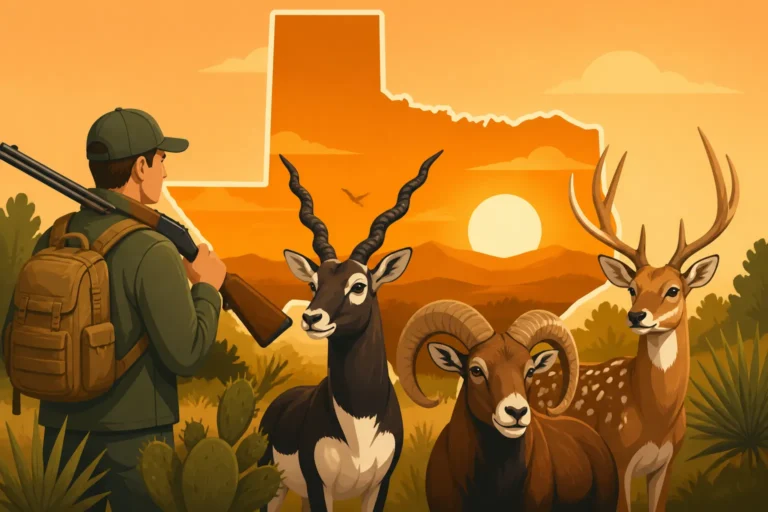
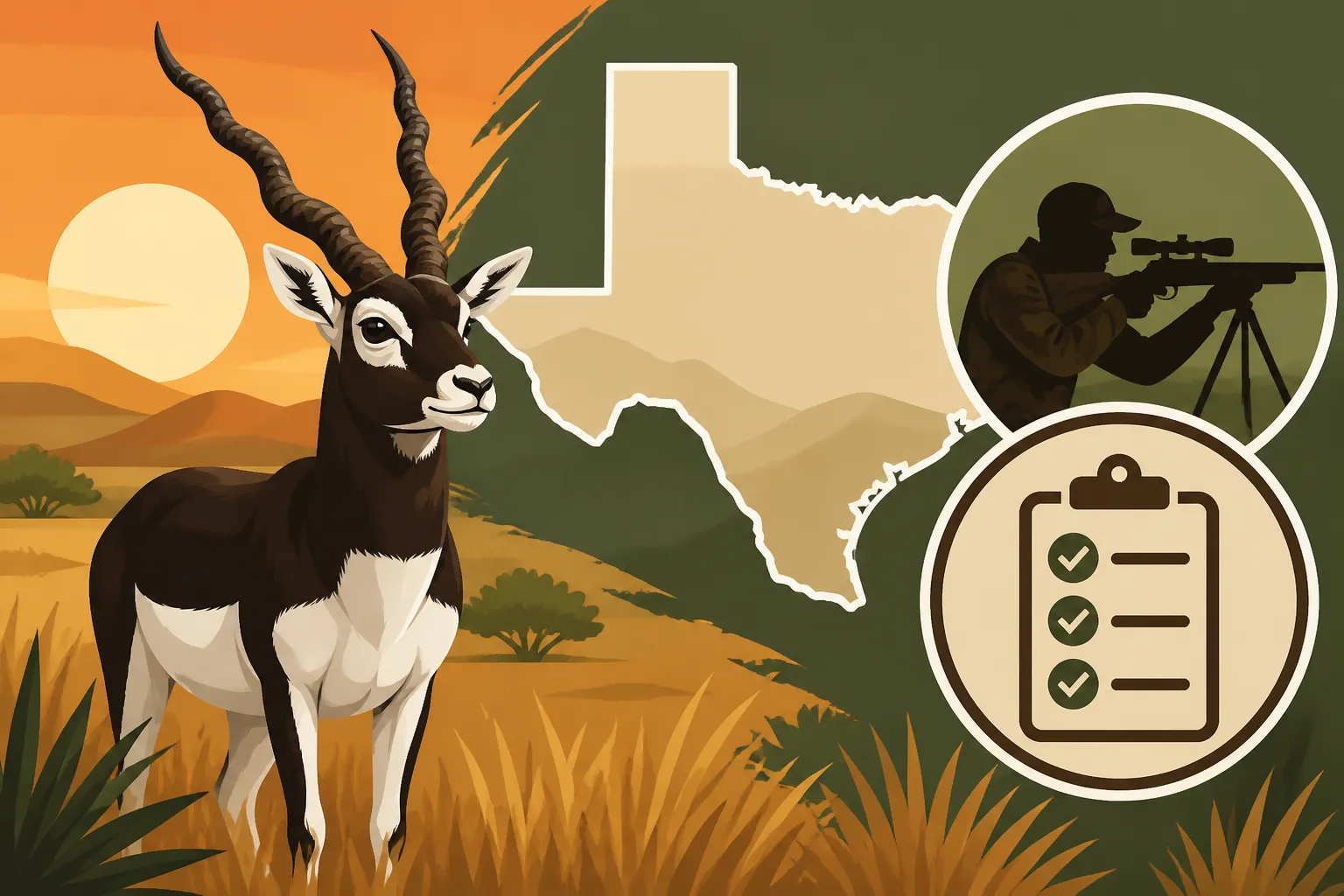
Blackbuck antelope, with their striking black and white coats and spiraling horns, are a stunning addition to the Texas landscape, even though they aren't native to North America. Originating from India, these beautiful animals were introduced to Texas ranches primarily for their aesthetic appeal and as a game animal, and they've since thrived in certain parts of the state.
The History and Habitat of Blackbuck in Texas
Blackbuck were first brought to Texas in the early 20th century, largely by private landowners interested in exotic game ranching. They found the Texas climate and expansive grasslands quite suitable, reminiscent of their native habitat. While most blackbuck populations are found on high-fenced private ranches, some free-ranging populations do exist, particularly in the Hill Country and parts of South Texas, often due to escapes from these same ranches. Their ability to adapt to diverse terrains, from open pastures to more scrubby areas, has contributed to their success. You'll often find them grazing in open fields, always on the alert, showcasing their incredible speed and agility.
Why Blackbuck Are Considered "Exotic" Game
In Texas, blackbuck antelope fall under the category of "exotic" game animals. This designation is crucial because it directly impacts the regulations surrounding their hunting. Unlike native species like white-tailed deer or Rio Grande turkey, which are managed by the Texas Parks and Wildlife Department (TPWD) with specific seasons, bag limits, and often antler restrictions, exotic game animals are treated differently. Essentially, if an animal isn't native to Texas, the state doesn't regulate its hunting seasons or bag limits on private land. This fundamental difference is often the source of confusion for hunters new to exotics.
Navigating Blackbuck Hunting Regulations in Texas
The biggest question most hunters have when considering blackbuck is about the "season" and "bag limit." Here's the straight scoop: there isn't one, not in the traditional sense.
No Closed Season or Bag Limit on Private Land
That's right! Because blackbuck antelope are considered exotic game, there is no closed season and no bag limit when hunting them on private land in Texas. This means that, theoretically, you can hunt blackbuck any day of the year, and if you have the opportunity and the means, you could harvest multiple animals. This flexibility is one of the reasons exotic hunting has become so popular in Texas, offering year-round opportunities that native game just can't.
However, it's vital to remember that this applies to private land only. Public land hunting for exotics is incredibly rare and typically only occurs through special drawn hunts, which would have their own specific regulations if offered. For the vast majority of hunters, a blackbuck hunt means booking with a private ranch or outfitter.
License Requirements for Hunting Exotics
Even though there's no season or bag limit for blackbuck, you absolutely still need a valid Texas hunting license to hunt them. This is a common misconception, with some believing that because they're exotics, no license is necessary. That's simply not true.
Here's a breakdown of the general license requirements:
- Resident Hunters: If you're a Texas resident, you'll need an Annual Public Hunting Permit or a combo license like the Super Combo License, which covers a wide array of hunting and fishing activities.
- Non-Resident Hunters: Non-residents will need a Non-Resident General Hunting License. This license typically covers all legal game in Texas, including exotics.
- Youth Hunters: Texas has specific licenses for youth hunters, and if they are participating in a blackbuck hunt, they would need the appropriate youth license.
Always make sure your license is up-to-date and in your possession while hunting. The regulations are fairly straightforward, but it's always a good idea to double-check the current year's Texas Parks and Wildlife Outdoor Annual for any updates before heading out.
CWD Zones and Other General Hunting Rules
While blackbuck don't have species-specific season or bag limits, they are still subject to general hunting laws in Texas. For example, if you're hunting in a county that falls within a Chronic Wasting Disease (CWD) Containment or Surveillance Zone, you will need to adhere to the specific carcass movement restrictions and CWD testing requirements for any cervid harvested in that zone, even if it's an exotic.
Other general hunting safety and ethical rules, like hunting during legal shooting hours, using legal methods of take, and respecting landowner rights, still apply. Always consult with your outfitter or landowner about any specific rules or harvest guidelines they might have for their ranch, as many will have their own management goals for their blackbuck herd, which might include specific size or age criteria for animals taken.
Here's a quick comparison of regulations for a common native species versus blackbuck:
| Feature | White-tailed Deer (General Season) | Blackbuck Antelope (Private Land) |
|---|---|---|
| Season | Fixed dates, varies by zone (e.g., Nov-Jan) | Year-round |
| Bag Limit | Typically 3 deer (2 bucks, 1 doe or 1 buck, 2 does), varies by county and antler restrictions | No bag limit |
| Antler Rules | Often subject to 13-inch rule or other regulations | No state-mandated antler rules |
| License | Resident or Non-Resident General Hunting License | Resident or Non-Resident General Hunting License |
| Tags | Required for each harvested animal | No state-issued tags required |
| Harvest Report | Mandatory in many counties | Not state-mandated (but ranch may require) |
Tactics and Considerations for Blackbuck Hunting
Hunting blackbuck is a unique experience. Their incredible eyesight, speed, and nervous disposition make them a challenging quarry, often requiring a patient and calculated approach.
Spot-and-Stalk Techniques
Blackbuck antelope are renowned for their keen eyesight and their preference for open, grassy areas where they can spot predators from a distance. This makes spot-and-stalk one of the most effective and thrilling methods for hunting them. You'll often spend a lot of time glassing large pastures from a distance, looking for a mature buck that fits your criteria. Once an animal is spotted, the real challenge begins: using terrain, cover, and wind to close the distance without being detected. This requires slow, deliberate movements, sometimes crawling on your hands and knees for hundreds of yards. It's an exhilarating dance between hunter and prey, and a successful stalk feels incredibly rewarding.
When practicing spot-and-stalk hunting in Texas, consider bringing good quality optics. A solid pair of binoculars, like those from Zeiss or Swarovski, are invaluable for spotting these animals from afar, and a rangefinder is essential for precise shot placement in open country.
Blind Hunting Over Feeders
While spot-and-stalk is a classic, many ranches also utilize blinds and feeders for blackbuck, especially in areas with a mix of cover and open fields. Blackbuck, like many herbivores, are drawn to reliable food sources, and corn or protein feeders can be effective. Hunting from a comfortable box blind allows you to observe their patterns and wait for the right animal to present itself. This method is often preferred for younger hunters or those who might have physical limitations for extensive stalking. It also offers a stable shooting platform, which can be crucial for an accurate shot. If you are hunting from a blind, make sure it's well-camouflaged and that you've accounted for the wind direction to keep your scent from drifting into their feeding area.
Bowhunting Blackbuck Antelope
For the archery enthusiast, bowhunting blackbuck offers an intense challenge. Their constant vigilance and ability to explode into a dead run at the slightest disturbance means you'll need to be exceptionally patient and proficient with your bow. Bowhunting from a ground blind or even a tree stand overlooking a water source or feeder can increase your chances significantly. The shot distances for bowhunting are much shorter than with a rifle, making a successful close-range stalk or a patient wait in a blind paramount. Learning to judge distances accurately is absolutely critical here, perhaps even more so than for rifle hunting, due to the flatter trajectory of most rifle calibers. A good rangefinder that works well in low light is a bowhunter's best friend.
Finding Your Blackbuck Hunting Opportunity
Since blackbuck hunting is almost exclusively on private land, finding a reputable outfitter or lease is your primary way to experience this hunt.
Hunting Ranches and Outfitters
Texas is home to a vast number of hunting ranches and outfitters that specialize in exotic game. These operations often have well-managed herds of blackbuck, offering a range of hunting experiences from day hunts to multi-day packages. When choosing an outfitter, it's wise to:
- Research their reputation: Look for reviews, testimonials, and ask for references.
- Understand their pricing: Exotic hunts are typically priced per animal, with costs varying based on the size and maturity of the buck. Be clear on what's included (guide fees, lodging, meals, field dressing, etc.) and what's extra.
- Inquire about success rates: A good outfitter should be transparent about their typical success rates for blackbuck hunts.
- Ask about their management practices: Responsible outfitters manage their herds for health and quality, which benefits both the animals and the hunters.
Many outfitters can be found through online hunting forums, specialized hunting magazines, or platforms like GoHunt, which helps connect hunters with a variety of outdoor opportunities and information. They often list available hunts, provide details on the species offered, and help you gauge the overall experience.
Day Hunts vs. Multi-Day Packages
Depending on your budget and availability, you might consider either a day hunt or a multi-day package.
- Day Hunts: These are often more budget-friendly and allow you to hunt for a single day. You'll typically pay a daily guide fee plus the trophy fee if you harvest an animal. This can be a great option for hunters looking to try an exotic hunt without a huge commitment.
- Multi-Day Packages: These packages usually include lodging, meals, and multiple days of hunting, offering a more immersive experience. They often provide more opportunities to locate a desired animal and are common for those traveling from out of state or looking for a more relaxed hunt. Many of these longer hunts might allow for hunting other exotics as well, making it a truly unique trip.
Remember that regardless of the package type, the trophy fee for a blackbuck is usually separate from the daily rates or package price. A mature blackbuck buck will command a higher trophy fee than a younger animal, reflecting the quality of the animal and the management required to grow it.
Ethical Hunting and Conservation
While blackbuck are not native, responsible hunting plays a role in their management on private lands. Ethical hunting practices ensure a clean, humane harvest and contribute to the overall health of the herd. This includes practicing good shot placement for a quick kill and following the specific guidelines provided by your outfitter regarding the selection of animals. Many Texas ranches take pride in their wildlife management programs, ensuring sustainable populations of both native and exotic species. Your hunting dollars often go back into these conservation efforts, maintaining habitat and supporting wildlife on private lands across the state.
Final Thoughts on Blackbuck Antelope Hunting
Hunting blackbuck antelope in Texas is a fantastic experience that offers a distinct challenge and reward. The lack of a traditional season or bag limit on private land, combined with the need for a valid hunting license, sets it apart from native game hunting. By understanding these regulations, preparing for the unique tactics required, and choosing a reputable outfitter, you'll be well on your way to a memorable hunt for one of Texas's most beautiful exotics. Whether you're a seasoned exotic hunter or looking to try something new, a blackbuck hunt is definitely one to consider for your next adventure. Many hunters, after experiencing the thrill of a blackbuck hunt, often find themselves looking at other exotic species offered across the state, like the graceful Axis Deer Hunting in Texas or the challenging Aoudad Sheep Hunting in Texas. The options are truly endless!
Disclaimer
Please be aware that hunting regulations can change. While every effort has been made to provide accurate and up-to-date information in this guide, it is your responsibility to consult the current Texas Parks and Wildlife Department Outdoor Annual or their official website before any hunting activity to ensure full compliance with all state and federal laws.