Where to Hunt Nilgai in Texas
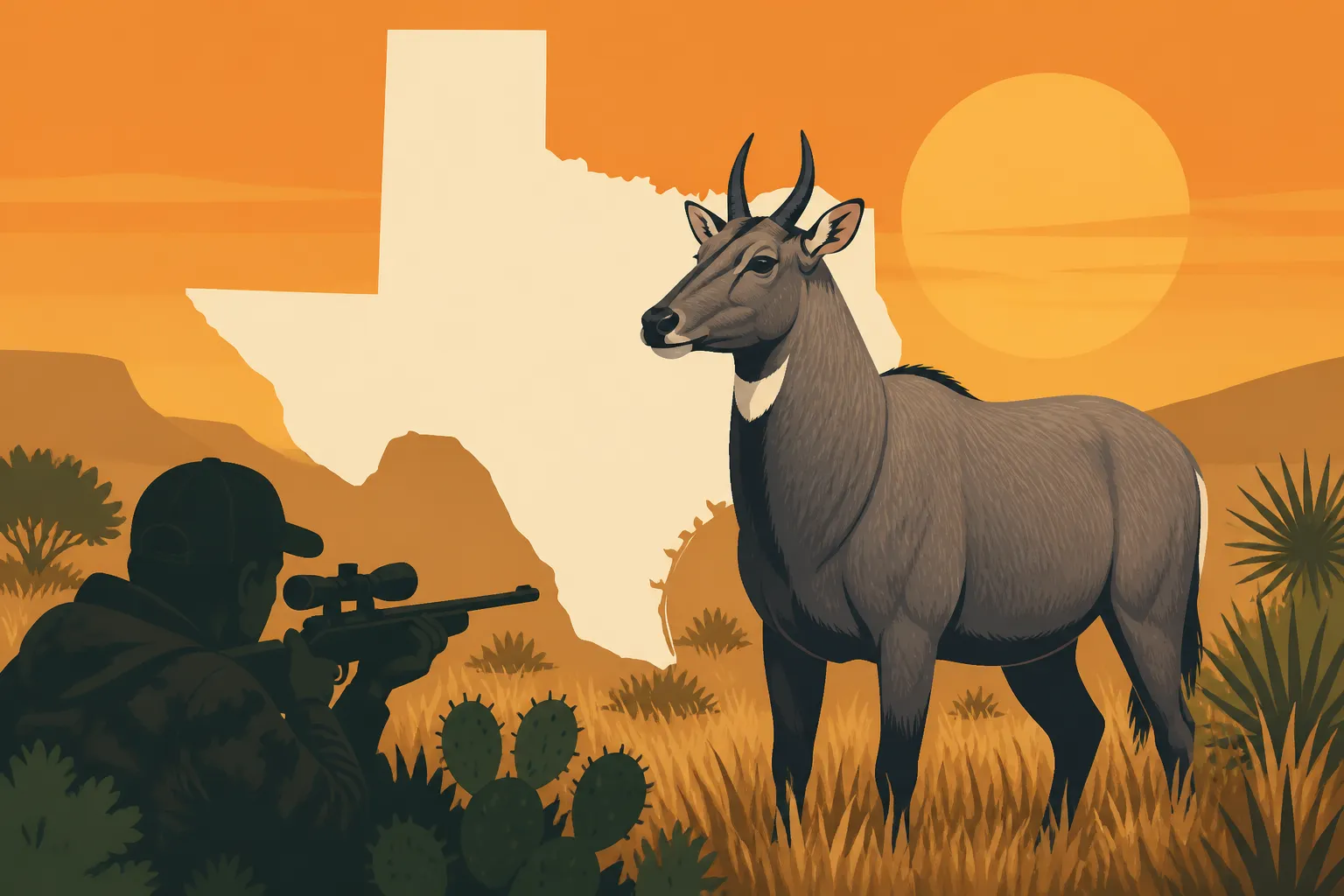
For many Texas hunters, the thought of pursuing nilgai conjures images of an almost mythical hunt, far removed from the familiar whitetail woods. These impressive, hardy antelope can be incredibly elusive, making finding them a significant challenge if you don't know where to start. This comprehensive guide will peel back the layers on where these magnificent animals truly roam in the Lone Star State and how you can get yourself into a position for a successful nilgai hunt.
Understanding the Nilgai's Core Territory in Texas
When you're trying to figure out where to hunt nilgai in Texas, you first need to understand that these aren't your typical widespread game animals. Nilgai are an exotic species, introduced to Texas decades ago, and they've thrived in a very specific, almost perfect niche. Forget the piney woods of East Texas or the rocky hills of the Edwards Plateau; for nilgai, we're talking about the deep South Texas coastal plains, particularly the legendary brush country.
The South Texas Brush Country: A Nilgai Paradise
The vast majority of Texas's free-ranging nilgai population calls the South Texas brush country home, especially along the Gulf Coast. This isn't by accident; it's because this harsh, dense, and often remote landscape provides everything they need to flourish. We're talking about an area that includes parts of Kenedy, Kleberg, Willacy, and Cameron counties. These counties form the heart of the nilgai's domain, where they've established robust, self-sustaining herds.
The habitat here is characterized by dense, thorny brush, often referred to as "chaparral," interspersed with open grasslands and coastal prairies. It's hot, humid, and can be incredibly unforgiving, which means it offers perfect cover and food sources for nilgai. They're primarily grazers, but they'll also browse, and the varied vegetation of this region supports their dietary needs year-round. The sheer size of many of the ranches in this area also plays a critical role, allowing nilgai herds to roam largely undisturbed over massive tracts of land. If you're looking for free-range nilgai, this is where your search truly begins. It's not uncommon to find these animals pushing further inland as well, especially in larger ranches that stretch from the coast deeper into the brush country.
Proximity to the Gulf Coast and Its Influence
The nilgai's strong presence along the Texas Gulf Coast isn't just a coincidence; it's deeply tied to their biological needs and the region's unique conditions. These animals are surprisingly tolerant of brackish water and high salinity, making the coastal prairie and barrier island environments ideal. The massive, undeveloped tracts of land, particularly the famous King Ranch and other sprawling properties, run right up to the Gulf. This provides expansive, undisturbed territory that is hard to come by elsewhere.
The coastal climate, while humid, also offers unique vegetation patterns that differ from more arid inland areas. This specific ecosystem, rich in various grasses and browse, creates an optimal environment for their survival and reproduction. Furthermore, the relative lack of human disturbance on these vast coastal ranches means nilgai can live out their lives with minimal pressure, allowing herds to grow and spread naturally. When you hear about trophy nilgai bulls being taken, more often than not, they're coming out of properties within a stone's throw of the Gulf of Mexico. This unique convergence of habitat, climate, and low human impact makes the Texas coast a true stronghold for these impressive animals. For more about this unique environment, check out our guide on Gulf Coast Hunting in Texas: Waterfowl & Nilgai.
Public Land Opportunities: A Needle in a Haystack
Hunting nilgai on public land in Texas is, to put it mildly, a significant challenge. It’s not impossible, but it requires dedication, a lot of luck, and a deep understanding of the Texas Parks and Wildlife Department (TPWD) Drawn Hunts system. Unlike deer or hog hunting, public land nilgai opportunities are extremely limited and highly competitive.
The TPWD Drawn Hunt System
For many Texas hunters, the dream of a public land nilgai hunt hinges entirely on the TPWD Drawn Hunt system. These hunts offer some of the only legitimate chances to hunt nilgai without paying for a private outfitter or lease. However, the odds are stacked against you. Nilgai hunts are typically offered on specific Wildlife Management Areas (WMAs) or National Wildlife Refuges (NWRs) that have established nilgai populations.
The application process is entirely online, and you'll typically pay a small application fee per hunt category. You can apply for multiple categories to increase your chances, but the competition is fierce, with thousands of applicants vying for just a handful of permits each year. Successful applicants are chosen through a random drawing. It's a system designed to give everyone an equal shot, but given the scarcity of nilgai permits, many hunters apply for years without success. Perseverance is key, and it’s always worth checking the TPWD website annually for updated drawn hunt opportunities and application periods. You can also explore general information about Texas Drawn Hunts: Public Hunt Draw System.
Notable WMAs and NWRs for Nilgai Drawn Hunts
While not exhaustive and subject to change year to year, a few specific public land units are known to offer nilgai opportunities through the drawn hunt system. These areas are typically situated within the nilgai's core coastal plain territory.
- Laguna Atascosa National Wildlife Refuge: This massive refuge in Cameron County is perhaps the most famous public land nilgai destination. It's located right on the Gulf Coast and holds a significant nilgai population. Hunts here are highly sought after and often involve unique methods, sometimes including horseback hunting to cover the vast, dense terrain.
- East Lake Cayo del Grullo WMA (part of the King Ranch): This WMA, managed in conjunction with the historic King Ranch, occasionally offers nilgai hunts. It provides a taste of hunting on a legendary property, but again, permits are incredibly scarce.
- Kenedy Ranch (TPWD Public Hunting Program): While primarily private land, the TPWD sometimes secures access to portions of the Kenedy Ranch for specific drawn hunts, including nilgai. These are premium opportunities due to the ranch's reputation for exceptional nilgai.
It's crucial to consult the latest TPWD Outdoor Annual and the drawn hunt website for the most current information, as opportunities and specific locations can vary annually. Successful drawn hunt applicants will receive detailed instructions regarding access, harvest limits, and specific regulations for their hunt unit. Remember, these hunts often require significant preparation, including scouting (if allowed), physical conditioning for the challenging terrain, and the right gear.
Private Land Hunting: The Most Consistent Option
For most hunters serious about harvesting a nilgai in Texas, private land offers the most consistent and accessible opportunities. Texas is overwhelmingly private land, and the ranches where nilgai thrive are typically massive, well-managed properties that cater to hunters.
Day Hunts and Guided Trips
The most common way to hunt nilgai on private land is through a guided day hunt or a multi-day package offered by an outfitter. These operations specialize in exotic game and have established relationships with large landowners in prime nilgai country. When you book with an outfitter, you're essentially paying for access, their expertise, and the service of tracking, retrieving, and often caping your animal.
Outfitters typically operate in the Kenedy, Kleberg, Willacy, and Cameron counties, where nilgai populations are highest. They will have scouted the properties, know the animals' patterns, and provide the necessary equipment like specialized vehicles for navigating the dense brush. This is often the best option for hunters who don't have access to a private lease or the time and resources to conduct their own extensive scouting. Prices for these hunts can vary widely based on the size of the nilgai (bull vs. cow), the length of the hunt, and the amenities provided, often ranging from $2,500 to $5,000 or more for a trophy bull. For details on planning your exotic hunt, consider guides on Axis Deer Hunting in Texas: Cost & Where or Aoudad Sheep Hunting in Texas: Cost & Where.
Securing a Lease for Nilgai
Finding a dedicated nilgai lease in Texas is a bit like finding a unicorn – it's incredibly rare. Most nilgai hunting on leases occurs as part of a much larger, multi-species exotic or whitetail deer lease in South Texas. These larger leases, often thousands of acres, might have a nilgai population as a bonus. Landowners who have significant nilgai numbers are usually aware of their value and may manage them directly or lease out nilgai hunting rights separately to outfitters.
If you are part of a hunting lease in South Texas, especially in one of the primary nilgai counties, it's worth checking with the landowner if nilgai are present and if they can be hunted under your lease agreement. Often, there will be an additional trophy fee or a specific quota for nilgai, separate from your deer or hog allowances. Lease agreements will explicitly state what species are included and under what conditions. Hunting leases in Texas can be quite competitive to secure, as detailed in our guide on Hunting Leases in Texas: Complete Guide (Cost & How to Find).
Key Factors Influencing Nilgai Presence and Hunting Success
Beyond simply knowing where the nilgai are, understanding the elements that dictate their behavior and accessibility can dramatically impact your hunting success. These factors go beyond just geography and delve into environmental conditions and animal management.
Habitat Management and Ranch Practices
The quality and type of habitat management on a given ranch significantly affect nilgai presence and health. Ranches that manage their brush in a mosaic pattern—creating clearings and senderos within dense cover—often provide ideal conditions. These clearings offer prime grazing opportunities, while the surrounding thick brush provides critical cover for bedding, escape, and calving. Ranchers who understand and manage for nilgai will ensure adequate water sources and minimize disturbance in core nilgai areas.
Some ranches also implement supplemental feeding programs, although nilgai are less dependent on feeders than deer. However, feed stations can sometimes concentrate animals, making them easier to pattern for hunters. It's not uncommon for landowners to consider the economic value of nilgai as an exotic species, leading to dedicated efforts to maintain healthy herds. When looking for an outfitter or lease, inquire about their habitat management practices and how they specifically cater to nilgai.
Weather and Seasonal Behavior
Nilgai are incredibly resilient, but like all animals, their behavior can be influenced by weather patterns. During periods of extreme drought, nilgai may concentrate around reliable water sources, making them more predictable. Conversely, abundant rainfall can scatter them across the landscape as water and forage become widely available.
The rut for nilgai typically occurs from November through February, though it can vary. During this time, dominant bulls become more active, sparring and chasing cows, which can make them slightly less cautious and more visible. Hunting during the cooler months might also be more comfortable for hunters, though nilgai are often hunted year-round on private lands where season dates don't apply. While there isn't a specific hunting season for nilgai in Texas, understanding these behavioral patterns can provide a strategic advantage. You can always check Nilgai Season & Bag Limit in Texas for general guidance, though exotics often operate on different rules.
Utilizing Technology for Scouting and Research
In today's hunting world, technology can be a huge asset, even when chasing elusive nilgai. Mapping applications like GoHunt can be invaluable for researching potential hunting areas, whether public or private. While it won't show you exactly where the nilgai are standing, it can help you identify land ownership, property boundaries, and terrain features. For drawn hunts, GoHunt can assist in understanding the WMA's layout, access points, and potential areas of dense cover or water.
For private land hunts, an app like GoHunt can help you understand the lay of the land on an outfitter's property or a prospective lease. It allows you to visualize terrain, identify travel corridors, and even pinpoint potential glassing points or ambush locations if you're doing a self-guided hunt on a large lease. Satellite imagery layers can reveal subtle habitat changes, senderos, or dense cover that might attract nilgai. This kind of digital scouting can save you a lot of time and effort once you're on the ground.
Here's a quick comparison of nilgai hunting options:
| Hunting Method | Pros | Cons | Typical Cost (Approx.) | Effort Required |
|---|---|---|---|---|
| Public Drawn Hunt | Low cost, "fair chase" challenge, unique experience | Extremely low odds, specific dates, limited areas, often no guarantee | $10 (application fee) | High (application) |
| Private Guided Day Hunt | High success rate, expert guide, equipment often provided, flexible | High cost, shorter duration, less personal scouting | $2,500 – $5,000+ per animal | Low (preparation) |
| Private Lease | More flexibility, multi-species potential, longer duration | Very high cost (annual), difficult to find dedicated nilgai leases, effort to manage | $5,000 – $20,000+ (annual) | High (scouting/mgmt) |
Whether you're braving the odds of a public drawn hunt or investing in a private land experience, nilgai hunting in Texas is an adventure unlike any other. Knowing where to focus your efforts—the vast, brush-choked coastal plains of South Texas—is the first, most critical step toward making that dream hunt a reality.
Disclaimer
All information provided in this guide is for informational purposes only and is subject to change. Hunting regulations, seasons, and licensing requirements are determined by the Texas Parks and Wildlife Department and can be updated annually. Always consult the most current Texas Outdoor Annual and local regulations before planning any hunting trip. Private land access and pricing are subject to individual landowner and outfitter discretion. This content is not legal advice.