Where to Hunt Fallow Deer in Texas
Finding the perfect spot to chase Fallow deer in Texas can feel like looking for a needle in a haystack, especially with so many species roaming our vast state. This guide is here to unravel the mystery, providing you with all the details on the best regions and methods to successfully hunt these beautiful exotics, ensuring your next Texas hunting adventure is well-planned and incredibly rewarding.
The Allure of Fallow Deer in Texas
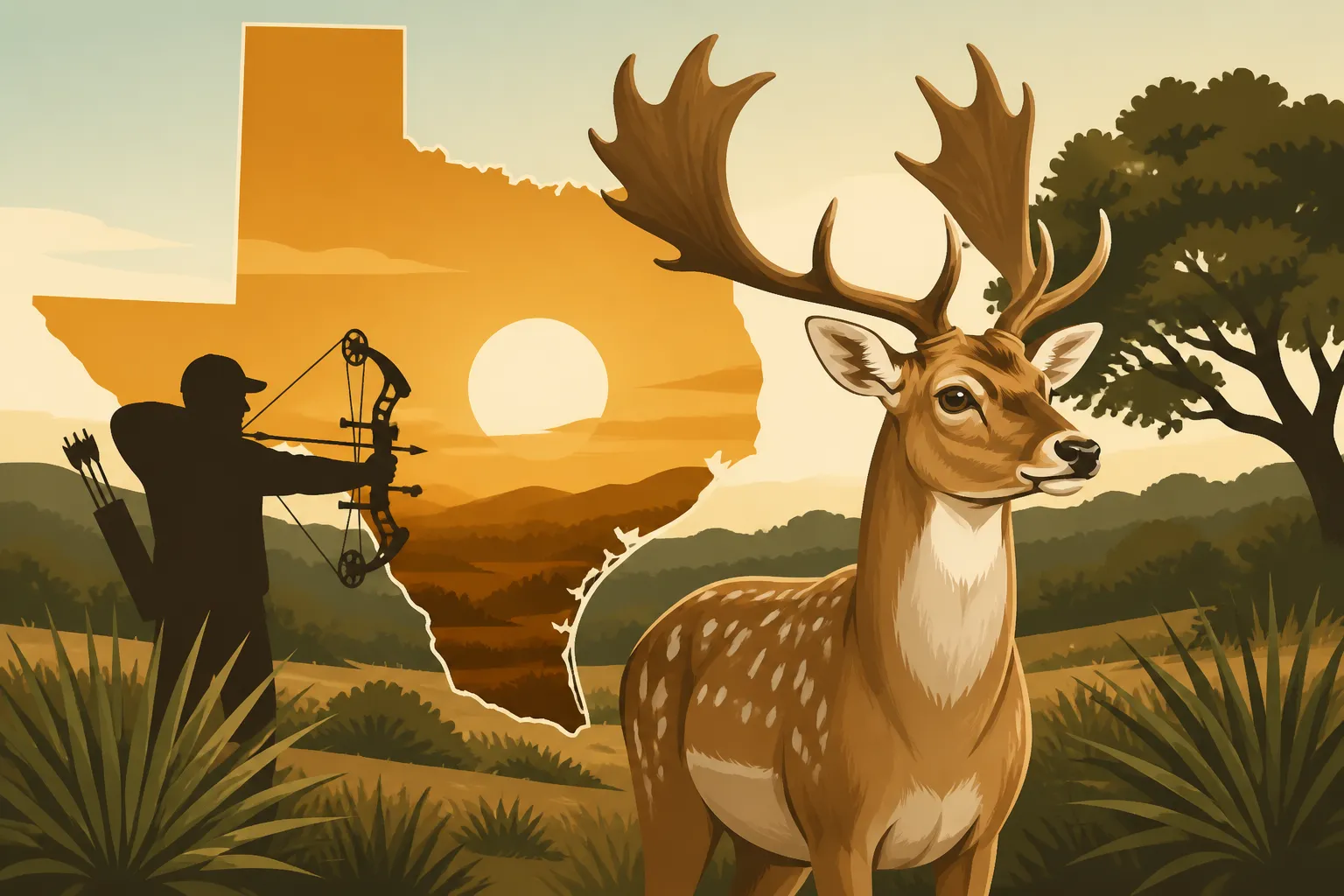
Fallow deer (Dama dama) are truly captivating animals, instantly recognizable by their distinct pelage variations and the impressive palmate antlers of the bucks. Unlike native Texas deer species, Fallow deer are exotics, introduced from Europe and Asia, and have thrived in certain parts of the Lone Star State. Their presence adds a unique flavor to the Texas hunting scene, offering a different challenge and a beautiful trophy for any hunter.
What Makes Fallow Deer Unique?
Fallow deer are a medium-sized deer species, typically larger than a whitetail but smaller than an elk. What really sets them apart, especially the bucks, are those magnificent, shovel-like antlers. As they mature, a Fallow buck's antlers develop a broad, flattened section known as palms, which can grow quite substantial, making for a truly impressive wall hanger. Beyond their unique rack, Fallow deer also boast incredible coat variations. You can find them in common (tan with white spots), menil (paler common), melanistic (dark brown to black), and even albino or leucistic phases, adding another layer of visual appeal and making each harvest truly unique. Imagine spotting a jet-black Fallow buck against the green Texas brush – it's a sight you won't soon forget! Their elegance and distinct appearance are a big reason why many hunters specifically seek them out.
They tend to be quite social, often found in herds, which can make spotting them easier, but also means they can be spooked as a group. Their movements are often graceful, and they have a keen sense of hearing and smell, making a stealthy approach critical. Unlike whitetail, which might crash through brush, Fallow deer often move with a more deliberate, almost stately pace. Understanding these nuances in their behavior is crucial for a successful hunt.
Texas Regulations for Fallow Deer
One of the most appealing aspects of hunting Fallow deer in Texas is their status as an exotic animal. This means they are not managed by the Texas Parks and Wildlife Department (TPWD) in the same way native game species like white-tailed deer or feral hogs are. For hunters, this translates into some distinct advantages. First and foremost, there is no closed season for Fallow deer. You can typically hunt them year-round, which offers incredible flexibility in planning your trip, especially if you're trying to fit a hunt into a busy schedule.
Furthermore, there are no statewide bag limits imposed on Fallow deer. If you're on a private ranch and the landowner or outfitter allows, you might be able to harvest multiple animals. This is a significant departure from the strict limits placed on native species, where you need to be acutely aware of bag limits by county and Texas Antler Restrictions: 13-Inch Rule & Counties. While you don't need species-specific tags for Fallow deer, you do still need a valid Texas hunting license. This is a crucial detail often overlooked by those new to exotic hunting. A general Texas Hunting License: Cost, Types & How to Buy (2026) covers you for exotics on private land. Always ensure your license is current before heading out.
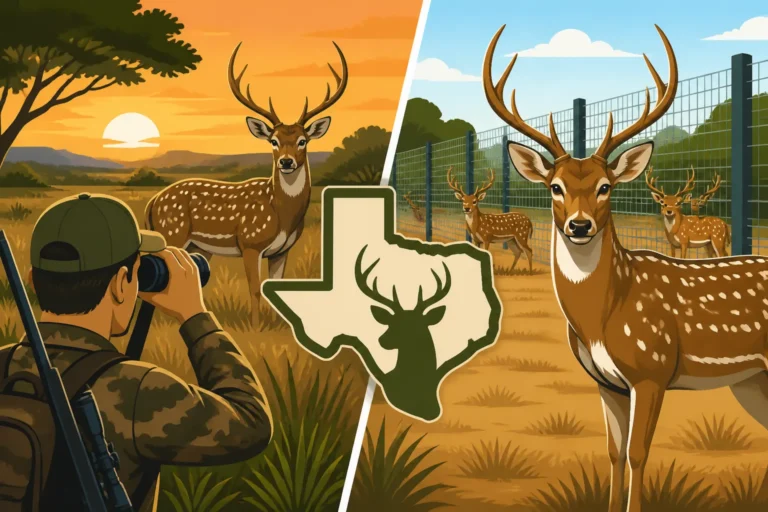
However, the "exotic" status also means that Fallow deer are almost exclusively found on private land, typically high-fenced ranches. This is because on public lands, TPWD only manages native game species. While there might be rare instances of escapees on low-fenced properties, the vast majority of reliable Fallow deer hunting opportunities will be found on managed private ranches, which is something we’ll dive into more shortly.
Geographic Hotbeds for Fallow Deer Hunting
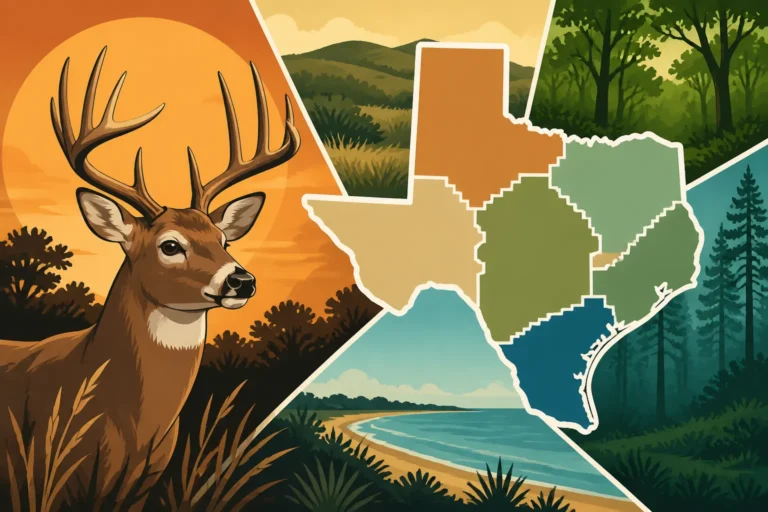
When you think of exotic hunting in Texas, one region almost immediately comes to mind: the Hill Country. This central Texas landscape, characterized by rolling hills, live oak mottes, and limestone canyons, provides ideal habitat for a wide array of exotic species, including the magnificent Fallow deer. While the Hill Country is certainly the epicenter, other areas of Texas also offer opportunities, though perhaps not with the same density or consistency.
The Heart of the Hill Country
The Texas Hill Country is, without a doubt, the prime destination for Fallow deer hunting. Counties like Kerr, Gillespie, Mason, Real, and Edwards are particularly renowned for their numerous hunting ranches and strong populations of exotics. The terrain here offers a perfect blend of cover and open spaces, with plenty of browse and grazing opportunities that Fallow deer thrive on. Many ranchers in these areas have decades of experience managing their exotic herds, leading to robust populations and high-quality animals.
Imagine glassing a wide-open pasture lined with mature oaks, and suddenly, a herd of Fallow deer emerges from the treeline, their unique antlers silhouetted against the morning sun. This is a common scene on many Hill Country ranches. The consistent availability of water sources and the varied topography make it an attractive environment for Fallow deer, enabling them to establish healthy and thriving populations. Hunters often find themselves enjoying stunning views while pursuing their quarry, adding another layer of enjoyment to the experience. When you're looking for a Fallow deer hunt, starting your search within the Hill Country Hunting in Texas will give you the most options and the highest likelihood of success.
Beyond the Hill Country: Other Notable Areas
While the Hill Country steals the spotlight, Fallow deer are also found in other regions, albeit in smaller, more localized pockets. Some ranches in South Texas, known more famously for South Texas Trophy Whitetail: Brush Country Bucks, have also introduced Fallow deer. These areas typically offer a different hunting experience, with denser brush country terrain requiring more careful tracking and shorter shot distances. The vastness of South Texas leases, combined with diverse game, can make for a thrilling multi-species hunt.
Central Texas, particularly counties on the eastern and western fringes of the Hill Country, can also boast Fallow deer populations on private lands. These areas often blend characteristics of the Hill Country with more agricultural or transitional landscapes. Hunters might find fewer dedicated exotic ranches compared to the Hill Country's core, but hidden gems certainly exist. Regardless of the specific region, the common thread is private land management. These animals don't typically roam free across vast public tracts in Texas, reinforcing the importance of connecting with reputable outfitters or landowners for your hunt.
Navigating Hunting Opportunities for Fallow Deer
Hunting Fallow deer in Texas almost exclusively means hunting on private land. This isn't a limitation; rather, it often enhances the hunting experience by providing well-managed herds, professional guiding services, and comfortable accommodations. Understanding the landscape of these private hunting opportunities is key to planning a successful trip.
The Dominance of Private Ranches and Outfitters
Given their exotic status, Fallow deer hunts are predominantly conducted through private hunting ranches and outfitters. These operations often manage large tracts of land, sometimes high-fenced, specifically to cultivate healthy populations of various exotics, including Fallow deer. The benefits of hunting with an outfitter are numerous, especially if you're traveling from out of state or are new to exotic hunting. You'll typically have access to experienced guides who know the land and the animals intimately, increasing your chances of success. They can assist with everything from tracking and field dressing to ensuring you adhere to local ranch rules.
Many of these ranches offer comprehensive packages that include meals, lodging, and even game processing services. This turnkey approach allows you to focus solely on the hunting experience. When researching, look for outfitters with a strong track record and good reviews, and don't hesitate to ask for references. Some excellent resources for finding these opportunities include online hunting aggregators and specialized booking sites. For instance, platforms like GoHunt can be a great starting point, offering listings and details on various ranches and their available exotic hunts, including Fallow deer. They often provide valuable insights into what different ranches offer, helping you compare options like hunt duration, trophy quality, and overall package inclusions. It’s also wise to check out various Hunting Outfitters in Texas by Region to see which ones specialize in exotics.
Types of Fallow Deer Hunts Available
Outfitters in Texas offer a range of Fallow deer hunting experiences to suit different preferences and budgets. The most common types include day hunts, which are excellent for a quick trip or for those local to the area. These typically involve one day of hunting with a guide and often include lunch. For a more immersive experience, multi-day packages are very popular. These often span two to three days, offering more time in the field, diverse hunting methods, and the camaraderie of a camp setting.
Hunts can also be categorized by the type of animal you're pursuing:
- Trophy Hunts: These are focused on harvesting a mature buck with impressive palmate antlers. Expect these to be on the higher end of the price spectrum, reflecting the quality and age of the animal.
- Management Hunts: Sometimes, ranches offer hunts for does or younger bucks that might need to be culled to maintain herd health. These are often more affordable and provide a great opportunity for meat hunters or those looking for an entry-level exotic hunt.
- Combo Hunts: Many ranches offer the option to combine your Fallow deer hunt with other exotics like How to Hunt Axis Deer (Free-Range Tactics), Aoudad, or even native species like White-Tailed Deer Hunting in Texas: Complete Guide during their respective seasons. This is a fantastic way to maximize your time and investment.
When booking, be very clear about what type of hunt you're looking for and what's included in the price. Always confirm if guiding fees, field dressing, caping, and cooler space are part of the package or additional costs.
Preparing for Your Fallow Deer Adventure
A successful Fallow deer hunt, like any hunting trip, benefits greatly from thoughtful preparation. From selecting the right gear to understanding the animal's behavior, putting in the groundwork beforehand will significantly enhance your experience and your chances of taking home a beautiful trophy.
Essential Gear and Scouting for Exotics
Choosing the right gear is paramount for any hunting expedition. For Fallow deer, a reliable rifle in a common deer hunting caliber is generally recommended. Calibers like .270, .30-06, .308, or even 6.5 Creedmoor are all excellent choices, offering sufficient power and accuracy for typical shot distances on a ranch. Make sure your rifle is sighted in well before your hunt, ideally out to 200-300 yards. Optics are also incredibly important; a good pair of Best Binoculars for South Texas Brush will be invaluable for spotting deer from a distance and evaluating their size and antler quality. A quality Best Rangefinder for Texas Hunting is also highly recommended to ensure precise shot placement.
Beyond your firearm and optics, comfortable and durable clothing appropriate for the Texas climate is a must. Early season hunts might require lightweight, breathable camo for warmer temperatures, while late fall or winter hunts could necessitate layers to combat cooler mornings and evenings. Good quality snake boots, especially in brushier areas, are also a wise investment. Remember to pack essentials like a headlamp, a basic first-aid kit, and plenty of water. While most guided hunts will handle the major aspects, having your personal gear squared away makes for a much smoother trip. When it comes to scouting, communicate extensively with your outfitter. They are your best resource for understanding the current patterns of the Fallow deer on their property, including recent sightings, preferred feeding areas, and bedding locations. This pre-hunt intel is invaluable, almost like having a cheat sheet for your hunt. If you're new to the game, checking out guides on Best Hunting Gear for Beginners in Texas (By Budget) can offer a great starting point.
Understanding Fallow Deer Behavior and Tactics
Fallow deer, while similar in some ways to native deer, have their own unique quirks and behaviors. They are primarily grazers but will also browse, meaning they spend a good portion of their day feeding. They tend to be most active during early morning and late evening, similar to whitetail, making these prime hunting times. The rut for Fallow deer typically occurs in the fall, often peaking around October or November, when bucks become much more vocal and aggressive, known as "groaning." This can be an exciting time to hunt, as bucks are more focused on breeding and less cautious, offering excellent opportunities.
Hunting tactics for Fallow deer on private ranches often include:
- Spot-and-Stalk: This method involves using binoculars to locate deer from a distance and then carefully planning an approach to get within shooting range. This is especially effective in open or rolling terrain. Spot-and-Stalk Hunting in Texas (Exotics & Mule Deer) requires patience, good glassing skills, and a solid understanding of wind direction.
- Blind Hunting: Many ranches utilize permanent or portable ground blinds or box blinds strategically placed near feeding areas, water sources, or travel corridors. This can be a comfortable and effective method, especially for those who prefer to sit and wait. For ideas, consider looking into Best Box Blind for Hot Texas Weather.
- High Rack/Safari Style: On some ranches, hunting from a high rack mounted on a truck or UTV is a common method, particularly for covering large areas quickly and spotting herds. This often involves driving and stopping to glass, then making a quick stalk once an animal is identified.
Always listen to your guide's advice, as they will direct you to the most effective methods for their specific ranch and the current conditions. Understanding these tactics and the deer's behavior will give you a significant advantage in the field.
Fallow Deer Hunt Comparison
Here's a quick overview to help you compare Fallow deer hunting opportunities in Texas:
| Hunt Type / Region | Typical Cost Range (Trophy Buck) | Experience Level | Hunt Style Focus | Common Terrain | Best Time to Hunt | Notes |
|---|---|---|---|---|---|---|
| Hill Country Ranch | $2,500 – $5,000+ | Beginner to Expert | Spot-and-Stalk, Blind, High Rack | Rolling hills, oak mottes, open pastures | Year-round, Fall for Rut | Most options, established exotic herds. |
| South Texas Ranch | $2,000 – $4,500+ | Intermediate to Expert | Spot-and-Stalk, Blind | Dense brush, mesquite, open sendero | Year-round, Fall for Rut | More challenging terrain, combo hunts. |
| Management Hunt | $800 – $1,500 | Beginner | Blind, Culling | Varies by ranch | Year-round | Focus on does or younger bucks. |
| Day Hunt | $1,500 – $3,000+ | Beginner to Expert | Spot-and-Stalk, Blind | Varies by ranch | Year-round | Quick trip, often includes guide/lunch. |
Remember, these are general estimates, and prices can vary greatly based on the outfitter, the size and quality of the animal, and what's included in the package. Always get a detailed quote before booking. For further insights on hunting exotics, you might want to look at Exotic Hunting in Texas: Axis, Aoudad, Blackbuck & More.
Disclaimer
Please remember that hunting regulations and practices can change. Always consult the most current Texas Parks and Wildlife Department Outdoor Annual and communicate directly with your chosen outfitter or landowner to ensure you are fully informed of all rules and requirements before your hunt. This guide is for informational purposes only and should not be considered legal advice.