Where to Hunt Blackbuck Antelope in Texas
Hunting blackbuck antelope in Texas is a dream for many, but finding that perfect spot, navigating the world of private ranches, and understanding the nuances of exotic hunts can feel like trying to find a needle in a haystack. It’s not like chasing whitetails on your family lease; this requires a whole different approach. This guide is here to shed light on exactly where you can pursue these stunning animals across the Lone Star State and what you need to know to make your blackbuck hunt a success.
Understanding Blackbuck Antelope in Texas
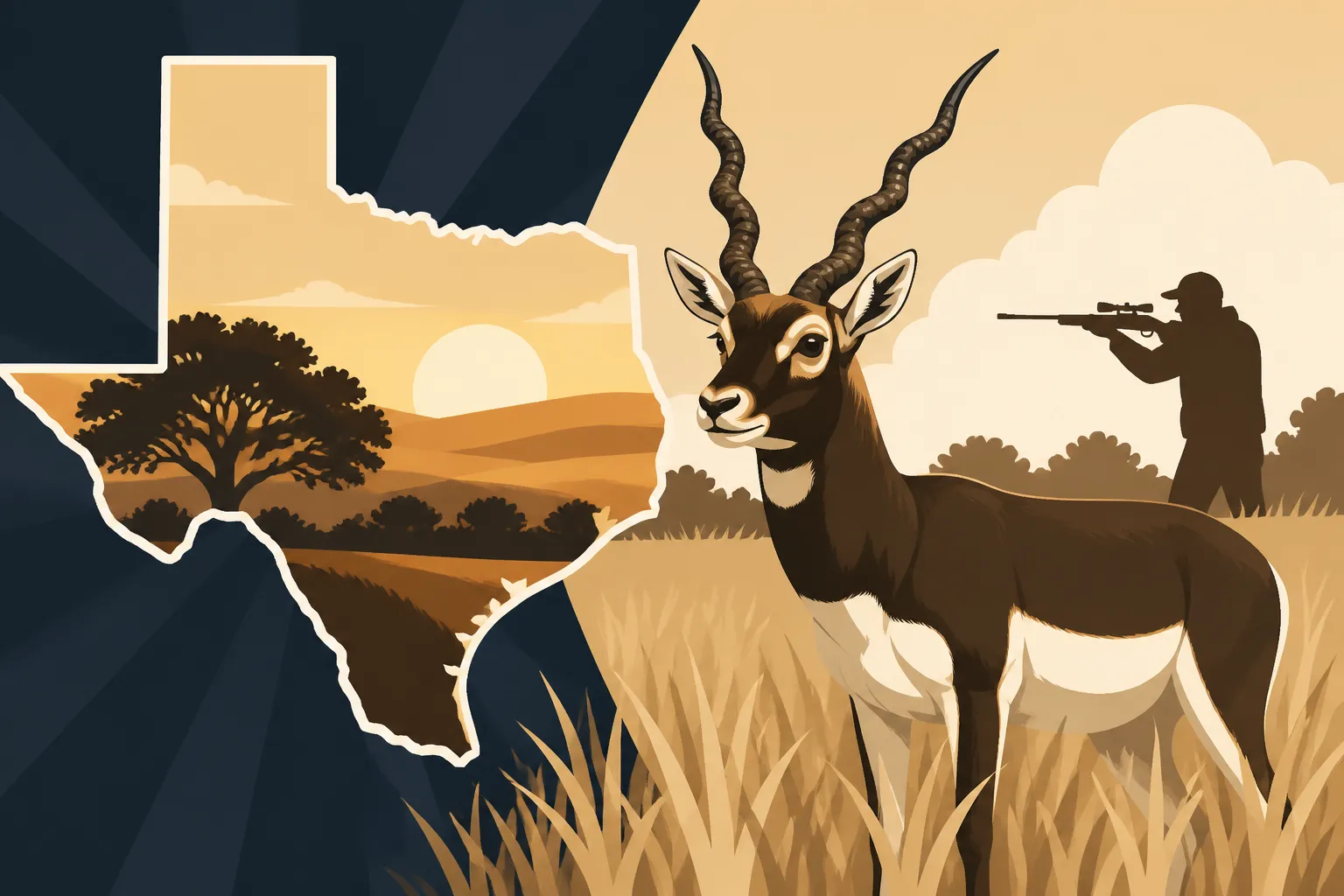
Before we dive into where to hunt blackbuck, it helps to understand a little about these incredible animals and why they've found such a thriving home here in Texas. Originating from India and Nepal, blackbuck are not native to Texas, but they've adapted remarkably well to our diverse landscapes, especially on private game ranches. They're prized for their striking black and white coats and those magnificent, spiraling horns that can grow to impressive lengths, making them a top-tier exotic species for hunters.
Why Blackbuck Thrive in Texas
Texas's varied terrain, from the rugged Hill Country to the vast open plains of the Edwards Plateau, offers an environment that, surprisingly, mirrors parts of their native habitat. The availability of diverse forage, combined with the efforts of private landowners and game managers, has allowed blackbuck populations to flourish. Unlike native game, there isn't a specific "blackbuck season" in Texas. As exotics, they can be hunted year-round, which offers incredible flexibility for hunters. However, many hunters still prefer cooler months to avoid the scorching Texas heat, especially when you consider the work involved with field dressing your animal. The fact that they can be hunted year-round is a huge draw for those looking to extend their hunting opportunities beyond the traditional deer or turkey seasons.
The Appeal of the Hunt
For many, hunting blackbuck offers a unique challenge. These animals are known for their exceptional eyesight and blistering speed, making a spot-and-stalk hunt a thrilling and demanding experience. They tend to prefer open, grassy areas with scattered brush, which means long-range shooting skills are often put to the test. It's not just about taking an animal; it's about the beauty of the species, the challenge of the chase, and the satisfaction of harvesting a truly majestic trophy. The meat, by the way, is lean and delicious, often compared favorably to venison, making it an excellent table fare in addition to a stunning mount.
Prime Locations for Blackbuck Antelope Hunting
When you’re looking to hunt blackbuck antelope in Texas, you're primarily going to be looking at private ranches. These animals are largely free-ranging within high-fenced or very large low-fenced properties across specific regions of the state. It's not the kind of animal you'll find on public land or through the Texas Public Hunt Draw System.
The Texas Hill Country
Without a doubt, the Texas Hill Country, encompassing areas like Kerr County, Gillespie County, and Llano County, is the epicenter for exotic game hunting, including blackbuck. The rolling hills, mesquite, and live oak mottes provide excellent cover and forage, while the open grassy areas are perfect for blackbuck's preferred habitat. This region boasts a high concentration of hunting ranches, many of which specialize in exotics.
Many of these ranches have been managing healthy populations of blackbuck for decades, offering hunters a fantastic opportunity to pursue mature bucks. The accessibility of the Hill Country from major cities like San Antonio and Austin also makes it a popular choice for hunters seeking a convenient yet exceptional exotic hunting experience. You'll find a wide range of operations here, from luxurious all-inclusive hunts to more rustic, DIY-friendly day leases. When looking into potential hunts, platforms like GoHunt can be quite helpful in identifying ranches and outfitters operating in this rich exotic game area, often providing details on available hunts and pricing.
Edwards Plateau and South Texas
While the Hill Country often gets the most attention, the broader Edwards Plateau region, which the Hill Country is part of, also offers significant blackbuck hunting opportunities. Further south, into parts of South Texas, you'll also find ranches that hold blackbuck, although perhaps not in the same densities as the core Hill Country. Areas like Real County and Edwards County are also well-known for their exotic game populations.
These regions offer similar habitat types – brush, scattered trees, and open pastures – that blackbuck find appealing. The sheer size of some of the ranches in these areas allows for more of a free-range feel, even within a high-fenced environment. Hunters seeking a slightly different experience, perhaps one that combines blackbuck with opportunities for other exotics like Axis Deer or Nilgai, might find these broader areas appealing. When researching, it's always wise to contact outfitters directly to discuss the specifics of their blackbuck populations and what kind of hunting experience they offer.
Other Niche Locations
While less common, some private ranches in other parts of Texas, outside of these primary zones, also maintain blackbuck populations. These might be smaller operations or ranches that have diversified their exotic offerings. It's always worth expanding your search beyond the most obvious locations, though you'll find the highest quality and most abundant options in the Hill Country and Edwards Plateau. Keep in mind that securing a hunting spot for exotics typically involves direct communication with ranch owners or booking through reputable hunting outfitters who specialize in Texas exotic hunts. For anyone considering an exotic hunt, it's worth checking out "Exotic Hunting in Texas: Axis, Aoudad, Blackbuck & More" for a broader understanding of what's available.
Finding the Right Blackbuck Hunting Opportunity
Once you've zeroed in on the general regions, the next step is to find the specific ranch or outfitter that's right for you. This involves considering various factors like your budget, desired hunting style, and whether you prefer a guided or semi-guided experience.
Hunting Ranches and Outfitters
The vast majority of blackbuck hunting in Texas takes place on private hunting ranches. These operations range from family-owned businesses to large-scale commercial outfits, each offering different levels of service and amenities. Many operate as "day hunt" operations, where you pay a flat fee for the hunt, often including a guide and trophy care, but you might need to arrange your own lodging. Others offer all-inclusive packages that cover multiple days, meals, lodging, and professional guides.
When researching, look for outfitters with a strong track record and positive reviews. Ask about their success rates, the average size of the blackbuck they harvest, and what's included in their pricing. Don't be shy about asking for references from past hunters. Websites and hunting forums are great resources, and don't forget to leverage platforms like GoHunt, which can help connect you with reputable outfitters and even filter by specific game species like blackbuck. A good outfitter will be transparent about their operations and eager to answer all your questions.
Day Hunts vs. Multi-Day Packages
Your hunting budget and available time will often dictate whether a day hunt or a multi-day package is a better fit. Day hunts are generally more economical and are perfect if you're local or have limited time. You typically show up, hunt with a guide for the day, and leave with your animal processed. This can be a great way to experience blackbuck hunting without a massive commitment.
Multi-day packages, on the other hand, offer a more immersive experience. You get to spend more time on the ranch, often getting multiple opportunities at different animals, and enjoy the camaraderie of a hunting camp. These packages are popular for those traveling from out of state or looking for a comprehensive hunting vacation. They often include lodging, meals, and multiple days of guided hunting, which can be invaluable for tracking down a challenging blackbuck. If you're weighing your options, consider reading "Hunting Outfitters in Texas by Region" to see what different areas offer in terms of hunt styles.
Hunting Leases
While less common for blackbuck than for native species like whitetail, some larger hunting leases, particularly those focused on exotics, might offer opportunities to hunt blackbuck as part of a diverse game population. This is usually reserved for longer-term leases where hunters manage the population themselves or coordinate with the landowner.
Securing a lease with blackbuck is often a more involved process, requiring a significant upfront investment and a commitment to year-round management if you're taking on that responsibility. However, it can offer an unparalleled level of freedom and personal connection to the land and the animals. If you're a seasoned hunter with a desire for a long-term engagement, exploring lease options through specialized lease brokers or online platforms might be worthwhile. Just be prepared for a potentially higher cost and more responsibility than a typical guided hunt.
Planning Your Blackbuck Hunt: What to Consider
Once you’ve identified where you want to hunt and what kind of opportunity you’re looking for, it’s time to dial in the details of your blackbuck hunting adventure. There are several key considerations that will ensure you have a safe, successful, and enjoyable trip.
Licensing and Regulations
One of the most appealing aspects of hunting blackbuck and other exotics in Texas is the relatively simple regulatory framework. Because blackbuck are considered exotic animals, they are not subject to the same strict seasons, bag limits, and tag requirements as native game species like white-tailed deer or turkey. This means you can hunt them year-round.
However, you do still need a valid Texas hunting license to hunt blackbuck, even on private land. This is a common misconception, so don't get caught without one. You can easily purchase a license online through the Texas Parks and Wildlife Department (TPWD) website or at most sporting goods stores. While federal duck stamps or specific endorsements aren't needed for blackbuck, always double-check the latest Texas Outdoor Annual for any updates or specific county regulations that might apply to the area you're hunting. For a full breakdown, check out our guide on "Texas Hunting License: Cost, Types & How to Buy (2026)".
Cost of a Blackbuck Hunt
The cost of a blackbuck hunt can vary significantly depending on the ranch, the size of the animal you're targeting, and the inclusions of the package. Generally, you can expect to pay anywhere from $2,500 to $5,000, or even more for a truly exceptional trophy buck. This usually covers the guide fee, the trophy fee (the cost of the animal itself), and some level of field care.
Here’s a rough breakdown of typical cost components:
| Component | Description | Typical Cost Range (Estimate) |
|---|---|---|
| Trophy Fee | Cost of the animal, varies by horn length/quality | $2,000 – $4,500+ |
| Daily Guide Fee | Per day, per hunter (often included in trophy fee or package) | $200 – $400 |
| Lodging/Meals | For multi-day packages; depends on amenities | $150 – $350 per night |
| Game Care | Field dressing, caping, quartering (often included, sometimes extra) | $0 – $150 |
| Tips | For guide and staff (customary) | 10-20% of hunt cost |
| Travel/License | Your own transport, ammo, personal gear, and Texas hunting license | Variable |
It’s crucial to get a detailed pricing sheet from any outfitter you consider. Ensure you understand what is and isn't included to avoid any surprises. Some outfitters might offer discounts for combination hunts or during specific times of the year, so it never hurts to ask. If you're comparing costs, you might find our article on "How Much Does an Axis Deer Hunt Cost in Texas?" useful, as exotic pricing often follows similar structures.
Essential Gear and Preparation
Blackbuck hunting often involves a fair amount of walking and potentially long shots. Here’s a rundown of gear you’ll want to consider:
- Rifle and Ammunition: A flat-shooting rifle in a caliber like .270, .30-06, 6.5 Creedmoor, or .308 Winchester is ideal. Practice shooting at varying distances, as shots can range from 100 to 300 yards or more. Bring plenty of reliable ammunition.
- Optics: High-quality binoculars (10×42 or 12×50) are essential for spotting these wary animals in open terrain. A good rangefinder is also critical for accurately judging distances. Many hunters also choose a reliable rifle scope, and for recommendations, consider "Best Hunting Optics for Texas: Scopes, Binos & Rangefinders".
- Clothing: Depending on the time of year, Texas weather can be extreme. Layered clothing is always a good idea. Lightweight, breathable camo for warmer months and insulated, waterproof gear for cooler periods. Don't forget sturdy, comfortable boots suitable for walking rough terrain. Given the common presence of snakes, especially in brush country, Best Snake Boots for Texas Hunting are highly recommended.
- Cooler: Even if your outfitter handles processing, having a large, high-quality cooler on hand to transport your meat home, especially in the Texas heat, is a smart move. Check out "Best Coolers for Texas Hunting (Yeti & Alternatives)" for ideas.
- Hunting License: As mentioned, don't forget it!
Preparing physically for the hunt, particularly if you plan on spot-and-stalk, will also increase your enjoyment and chances of success. Blackbuck are agile and can cover ground quickly, so being able to keep up with your guide will make a big difference.
The Guided Hunting Experience
Most blackbuck hunts are guided experiences, meaning you'll be accompanied by a professional hunter who knows the ranch and the animals intimately. Your guide will handle scouting, tracking, and often the final approach, using their expertise to get you into a good shooting position. This is invaluable, especially if you're unfamiliar with blackbuck behavior or the specific terrain.
A good guide will enhance your hunting experience by sharing their knowledge of the land and the animals. They'll help you field judge a trophy-quality buck and provide assistance with field dressing and recovery. Communication with your guide is key; clearly state your expectations and listen to their advice. Remember that while a guide's goal is to get you a shot, success is never guaranteed, and the experience itself is a huge part of the adventure.
Ethical Hunting and Conservation
As hunters, we have a profound responsibility to ensure ethical practices and contribute to conservation efforts, even for exotic species. While blackbuck aren't native, their presence on Texas ranches contributes to local economies and often supports habitat for native wildlife as well.
Fair Chase Practices
While many blackbuck hunts take place within high-fenced ranches, the concept of fair chase remains paramount. A good ranch will offer expansive pastures and challenging terrain, ensuring the hunt is not simply a "shoot." Blackbuck are incredibly wary and fast, offering a true challenge regardless of the fence line. Ethical hunters strive for a clean, humane shot and respect the animal they pursue. It's about earning the trophy, not simply buying it.
Supporting Ranch Management
The fees paid for blackbuck hunts directly support the ranches and their game management programs. This includes habitat improvement, supplemental feeding (when necessary), and controlling predator populations, all of which benefit the entire ecosystem on the property. By participating in these hunts, you are contributing to a system that allows these beautiful animals to thrive in Texas and provides sustainable hunting opportunities for future generations. Many ranches operate under MLDP Tags in Texas: How They Work or similar management plans to ensure healthy game populations, both native and exotic.
Disclaimer
Please remember that hunting regulations, license requirements, and local conditions in Texas can change. Always consult the latest Texas Parks and Wildlife Department (TPWD) Outdoor Annual or their official website for the most current and accurate information before planning any hunt.