Hunting Outfitters in Texas by Region
Navigating the vast and varied hunting landscape of Texas can feel like a monumental task, especially when you're dreaming of a successful hunt but aren't familiar with the local terrain, game patterns, or private land access. Many hunters struggle with finding reliable information, securing quality opportunities, or simply don't have the time to scout extensively. This comprehensive guide aims to simplify that process by exploring the benefits of using hunting outfitters across Texas' diverse regions, helping you connect with experienced professionals who can turn your hunting aspirations into reality.
Why Consider a Hunting Outfitter in Texas?
Let's be honest, planning a hunt in Texas can be incredibly overwhelming. You're not just dealing with the sheer size of the state, which is bigger than many European countries, but also with distinct ecological regions, varied game species, and complex regulations. For many, the dream of a successful hunt collides with the reality of limited time, resources, or local knowledge. This is precisely where a good hunting outfitter steps in as a game-changer.
Addressing Common Hunter Frustrations
One of the biggest headaches for hunters, particularly those coming from out of state or new to a specific Texas region, is finding quality land. The vast majority of prime hunting land in Texas is privately owned, making access a significant hurdle. Without established connections or a long-term lease, you're often left scrambling for public land opportunities, which can be highly competitive and less productive, or relying on word-of-mouth with uncertain results. Another major frustration is the sheer amount of time and effort required for scouting. Identifying game patterns, understanding local water sources, bedding areas, and travel corridors takes countless hours, often over multiple seasons. For those with busy schedules, this simply isn't feasible. Then there's the gear conundrum – what specific equipment, camouflage, or calls work best for a particular species in a given habitat? It's a lot to figure out on your own.
Benefits of Professional Guidance
This is where hunting outfitters truly shine. They offer a solution to these common frustrations by providing turnkey hunting experiences. An outfitter essentially becomes your local expert, your guide, and often, your host. They typically operate on large tracts of private land, which they've meticulously managed for wildlife for years, sometimes even decades. This means they've done the heavy lifting of scouting, habitat improvement, and herd management, dramatically increasing your chances of success. Beyond access, outfitters bring invaluable local knowledge. They know the subtle nuances of the land, the best times to hunt different species, and the most effective tactics. For instance, an experienced outfitter in South Texas understands the intricate patterns of a mature whitetail buck moving through dense brush in a way that a visiting hunter simply couldn't replicate in a few days. They also provide all the necessary infrastructure, from comfortable lodging and delicious meals to transportation around the ranch and assistance with game recovery and processing. This allows you to focus purely on the hunt, creating a much more relaxed and enjoyable experience. Moreover, they ensure you're hunting legally and ethically, staying up-to-date on all the latest regulations, including specifics like the statewide Texas Antler Restrictions: 13-Inch Rule & Counties or county-specific bag limits.
Understanding Texas' Diverse Hunting Regions
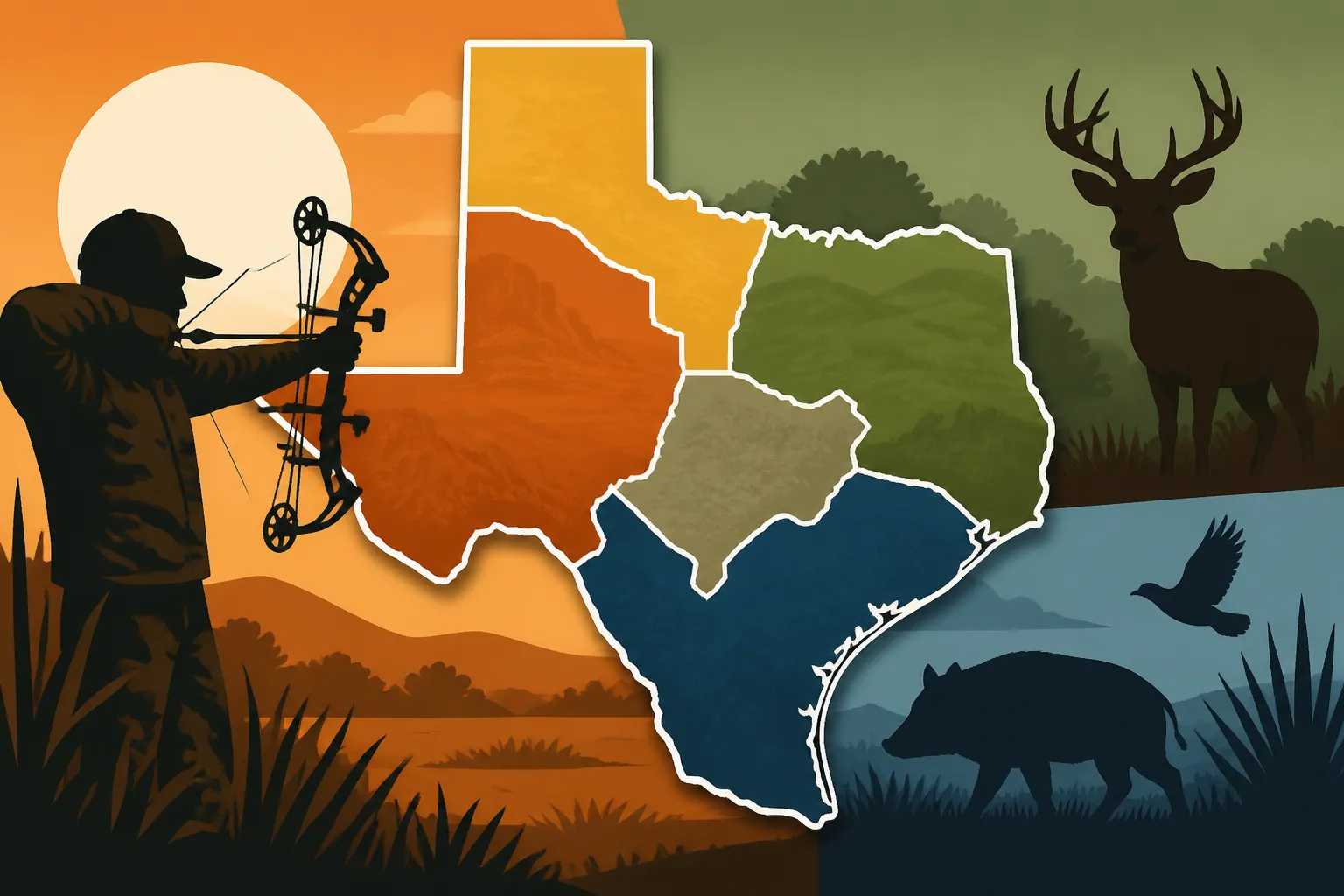
Texas is an enormous state, spanning over 268,000 square miles, and its geography is incredibly diverse. From the vast, arid landscapes of the west to the dense, humid forests of the east, and the subtropical brush of the south, each region presents unique challenges and opportunities for hunters. Understanding these distinct ecological zones is crucial for choosing the right outfitter and setting realistic expectations for your hunt.
South Texas Brush Country
Ah, South Texas. When most hunters think of trophy whitetail in the Lone Star State, their minds immediately drift to the legendary brush country. This region, stretching from San Antonio south to the Rio Grande, is characterized by its dense, thorny vegetation – mesquite, huisache, blackbrush, and prickly pear. It’s a land where visibility is often limited, and the game is tough to spot, let alone track. However, this seemingly impenetrable cover provides exceptional habitat and nutrition, leading to some of the largest free-ranging whitetail bucks in the world. Besides deer, the brush country is also a hotspot for Feral Hog Hunting in Texas: Year-Round Guide, javelina, and a variety of Exotic Hunting in Texas: Axis, Aoudad, Blackbuck & More, especially axis deer and nilgai. The climate here is typically warm to hot, even well into deer season, so proper hydration and appropriate clothing are essential.
Edwards Plateau (Hill Country)
Moving north and west from the brush country, you enter the picturesque Texas Hill Country, also known as the Edwards Plateau. This region is defined by its rolling hills, limestone canyons, spring-fed rivers, and a mix of oak, cedar, and native grasses. While not known for the massive trophy potential of South Texas, the Hill Country boasts the highest deer densities in the state, offering fantastic opportunities for high-volume hunts and a healthy chance at a respectable buck. It’s also a premier destination for Rio Grande Turkey Hunting in Texas, with robust populations of gobblers. The varied terrain makes for a more physically demanding hunt in some areas, but the scenic beauty is unparalleled. The Hill Country climate is generally milder than South Texas, with cooler winters and pleasant fall days, though summers are still scorching.
Texas Panhandle & Trans-Pecos
Venturing to the far reaches of West Texas, you encounter two distinct, yet similarly rugged, regions: the Panhandle and the Trans-Pecos. The Panhandle, in the northernmost part of the state, is characterized by vast plains, agricultural fields, and the Palo Duro Canyon, a major geological feature. This is prime habitat for plains game like pronghorn antelope and, increasingly, mule deer along the Canadian River breaks and canyon systems. Further south and west, the Trans-Pecos region is truly a wild frontier. Think mountains, high desert, and sparse vegetation, where elevation can range from a few thousand feet to over 8,700 feet at Guadalupe Peak. This is the heart of Mule Deer Hunting in Texas: Panhandle & Trans-Pecos, as well as home to the elusive aoudad sheep, which thrive in the rugged mountains. Hunting here is often physically demanding, requiring good stamina and accurate long-range shooting. The weather can be extreme, with hot days and cold nights, and sudden shifts in temperature.
East Texas Pineywoods
Shifting gears entirely, the East Texas Pineywoods region offers a stark contrast to the rest of the state. This area, bordering Louisiana, is characterized by dense pine forests, hardwood bottoms, swamps, and abundant rainfall. It's a much more humid and green environment, feeling more like the Deep South than the traditional Texas image. While deer here tend to be smaller-bodied than their South Texas counterparts, the Pineywoods holds strong populations of whitetail. It's also the only region in Texas where you can find the Eastern Turkey, offering a unique sub-species hunt. Hunters here often navigate thick timber, making stand hunting or still hunting common tactics. The weather is generally hot and humid for much of the hunting season, with significant mosquito populations.
Gulf Coast & Prairies
Along the southeastern edge of Texas, stretching inland in some areas, lies the Gulf Coast and Prairies region. This low-lying area is known for its marshes, coastal prairies, bayous, and agricultural fields. It’s not primarily a big game destination, but it is an absolute paradise for Duck & Waterfowl Hunting in Texas, as well as snow geese, specklebelly geese, and sandhill cranes. The Texas coast is a major migratory flyway, drawing millions of birds each year. A unique big game animal found predominantly in the coastal regions of South Texas, particularly around the King Ranch, is the Nilgai antelope, a massive, tough-skinned exotic that offers a truly challenging hunt. The climate is subtropical, with hot, humid summers and mild winters, often punctuated by sudden cold fronts during waterfowl season.
Rolling Plains & Cross Timbers
North of the Hill Country, covering a vast swath of North Central and West Central Texas, are the Rolling Plains and Cross Timbers regions. The Rolling Plains feature a mix of mesquite, prickly pear, and native grasses, interspersed with cultivated fields. This area is excellent for whitetail deer, quail, and dove. The Cross Timbers, a transition zone between the eastern forests and western plains, is characterized by a mosaic of oak woodlands and grasslands. Both regions offer diverse hunting opportunities, with strong populations of whitetail deer, wild hogs, and migratory birds. Quail hunting, especially for bobwhite quail, can be exceptional in good years. The weather here is variable, experiencing both strong cold fronts and hot spells, and can swing widely during a single hunting season.
South Texas Outfitters: Brush Country Big Bucks and Exotics
When you picture Texas hunting, chances are you're envisioning the legendary South Texas Brush Country. This is a land of massive whitetail deer, rampant feral hogs, and an ever-growing population of impressive exotics. For many, a trip to this part of the state for a hunt is a pilgrimage, and a quality outfitter makes all the difference.
What to Expect in the Brush Country
Hunting the South Texas brush isn't like hunting open woods or fields. The cover is incredibly dense, often thorny, and can make spotting game a true test of patience and skill. Most hunts here involve sitting in well-placed blinds, either traditional box blinds or tripod setups, often overlooking corn feeders or protein stations. Because of the limited visibility, shots are generally taken at closer ranges, typically under 150 yards, though outfitters will have stands set up for various shot distances. The terrain is relatively flat, but navigating the brush on foot can be arduous. Expect early mornings and late afternoons in the blind, with midday often reserved for relaxing, sharing stories, and enjoying some fantastic ranch cuisine. The heat can be a factor, even in winter, so dressing in layers and staying hydrated is always a good idea. Many outfitters also offer guided spot-and-stalk options for hogs or exotics, which adds an exciting dimension to the hunt.
Target Species: Whitetail, Hogs, Exotics
The undisputed king of the South Texas brush is the whitetail deer. This region consistently produces trophy-class bucks, thanks to superior genetics, rich nutrition from the varied browse, and extensive land management by landowners and outfitters. If you're chasing a mature, wide-racked buck, this is the place to be. Beyond whitetail, the brush country is teeming with feral hogs. These intelligent, destructive animals are often hunted year-round, with many outfitters offering specific hog hunts or adding them as a bonus to deer packages. Night hunting with thermal optics for hogs is increasingly popular and incredibly exciting. The brush also provides ideal habitat for a variety of exotics, most notably Axis deer. These beautiful deer with their spotted coats and impressive antlers are a prized game animal, offering delicious venison and a challenging hunt. Other exotics like blackbuck antelope and nilgai are also found in significant numbers in certain parts of South Texas, particularly closer to the coast. Many outfitters specialize in offering combination hunts, allowing you to pursue multiple species during your trip. Check out our guide on South Texas Deer Hunting: Brush Country Guide.
Finding the Right Outfitter in South Texas
With so many outfitters operating in South Texas, choosing the right one requires some homework. Look for outfitters with a long-standing reputation for ethical practices and high success rates. Websites like GoHunt and local hunting forums can be invaluable resources for reviews and recommendations. When you're talking to potential outfitters, ask specific questions about their property size, game management practices, what's included in the package (guide service, lodging, meals, field dressing), and what additional costs might apply (licenses, tags, processing fees, tips). Be sure to inquire about specific game management programs like the Managed Lands Deer Program (MLDP), as this can impact tagging regulations. For example, some ranches in Dimmit or La Salle County might operate under special MLDP guidelines that differ from the general Texas Deer Bag Limit by County. Consider whether you want a highly structured hunt with fixed schedules or something more flexible. Many hunters also benefit from using mapping applications like onX Hunt during their hunts, even on guided trips, to better understand the property layout and track their movements. Don't be shy about asking for references from past clients; a reputable outfitter will be happy to provide them.
Hill Country (Edwards Plateau) Outfitters: Scenic Hunts and Abundant Deer
The Texas Hill Country offers a distinctly different hunting experience from the dense South Texas brush. It’s a beautiful region with rolling hills, oak mottes, and clear streams, providing a scenic backdrop to your hunting adventure. While the trophy potential might not consistently rival the colossal bucks of the deep South, the sheer abundance of game makes it a fantastic destination.
The Unique Terrain and Wildlife
The Edwards Plateau, characterized by its limestone geology, creates a landscape of deep canyons, live oak and juniper woodlands, and open savannahs. This diverse terrain supports a remarkable density of wildlife, particularly whitetail deer. Unlike the flatter brush country, hunting in the Hill Country often involves more elevation changes, making for a more active hunt. Glassing hillsides from a vantage point is a common tactic, as is setting up blinds along creek bottoms or oak motes. The cedar (juniper) thickets provide excellent cover for deer, but they can also make tracking challenging. The region's natural springs and rivers, like the Guadalupe and Frio, are vital water sources for wildlife and add to the scenic charm. The climate is generally more temperate than South Texas, with cooler nights during the fall and winter, making for comfortable hunting conditions.
Popular Game: Whitetail, Turkey, Hogs, Exotics
Whitetail deer are, without a doubt, the most popular game animal in the Hill Country. While antler restrictions and management goals vary by county, you'll find healthy populations of deer, making it a great place for general harvest or youth hunts. Many outfitters here focus on providing a quality experience with plenty of deer sightings and good opportunities for mature bucks within the region's typical antler growth. The Hill Country is also renowned for its thriving Rio Grande turkey populations. Spring turkey hunts, with their crisp mornings and gobbling birds, are a highlight for many hunters. Feral hogs are ubiquitous across Texas, and the Hill Country is no exception, offering year-round hunting opportunities. Additionally, due to the prevalence of game ranches, the Hill Country is a hotspot for a wide array of Exotic Hunting in Texas: Axis, Aoudad, Blackbuck & More, including axis deer, blackbuck, sika deer, aoudad, and even red stag. Many properties offer high-fence exotic hunts, guaranteeing a specific animal, while some areas have free-ranging populations of certain exotics, particularly axis deer. This versatility makes the Hill Country a popular choice for hunters looking for a mixed bag. To learn more, read our dedicated guide on Hill Country Hunting in Texas.
Choosing an Edwards Plateau Guide
When selecting an outfitter in the Edwards Plateau, consider what type of hunt you're primarily interested in. If it's a high-volume deer hunt for meat or management bucks, many properties offer excellent value. If a trophy whitetail is your goal, inquire about their specific management practices and past harvest photos. For turkey hunters, look for guides with a proven track record of calling in gobblers. For exotics, determine if you prefer a free-range or high-fence experience, as this significantly impacts the price and challenge. Ask about the typical hunting methods (blinds, spot-and-stalk, still hunting) and what's included in the hunt package. Many outfitters in this region cater to families or larger groups, offering comfortable lodges and a welcoming atmosphere. It's also wise to check references and read reviews from previous clients to ensure the outfitter's style aligns with your expectations. Remember to confirm license and tag requirements, as specific rules may apply.
West Texas (Panhandle & Trans-Pecos) Outfitters: Mule Deer and Aoudad Adventures
For hunters seeking a truly rugged and expansive wilderness experience, West Texas beckons. From the windswept plains of the Panhandle to the towering mountains of the Trans-Pecos, this region offers challenging hunts for iconic Western species. These hunts are often more physically demanding, but the rewards—a magnificent mule deer or an elusive aoudad—are well worth the effort.
High Desert Challenges and Rewards
Hunting in West Texas is an experience defined by vast open spaces, dramatic geological features, and the elements. The Panhandle offers sweeping vistas where the sky seems to go on forever, while the Trans-Pecos boasts true mountain ranges like the Chinati, Davis, and Guadalupe Mountains. This high-desert environment is characterized by arid conditions, sparse vegetation, and often extreme temperature swings. Hunters should be prepared for everything from scorching sun to biting cold, sometimes within the same day. The terrain can be unforgiving, with steep climbs, rocky footing, and long distances to cover, especially on aoudad hunts. Physical fitness is a definite asset here. However, the reward is an unparalleled sense of solitude and the chance to pursue animals in truly wild, breathtaking landscapes. Unlike dense forest hunts, glassing vast areas from elevated positions is a primary tactic, requiring quality optics and patience.
Target Species: Mule Deer, Aoudad, Pronghorn
The king of the Panhandle and Trans-Pecos is the mule deer. These majestic deer, with their large ears and characteristic bounding gait, offer a thrilling hunt. Success often hinges on extensive glassing, locating deer in their vast territories, and then executing a well-planned stalk in often sparse cover. Mule deer populations in Texas are strong in these western regions, providing excellent opportunities. Another highly sought-after species is the aoudad sheep, also known as Barbary sheep. These incredible animals thrive in the rugged, rocky mountains of the Trans-Pecos, offering one of the most physically challenging and rewarding hunts in North America. They are cunning, tough, and blend seamlessly into their surroundings. Spot-and-stalk is the name of the game for aoudad, often requiring long hikes and precise shooting. The Panhandle is also home to healthy populations of pronghorn antelope, the fastest land animal in North America. Hunting pronghorn typically involves glassing open plains from vehicles or strategic vantage points, then attempting a stalk across minimal cover. All these hunts require good binoculars, spotting scopes, and accurate rifles capable of longer shots. Be aware that pronghorn hunting in Texas requires a special draw tag, so outfitters specializing in these hunts will guide you through that process.
Outfitter Specializations in West Texas
Outfitters in West Texas often specialize due to the specific challenges and unique game of the region. When looking for a mule deer outfitter, inquire about their knowledge of specific canyon systems or river breaks, like those found along the Canadian River. For aoudad, ask about the specific mountain ranges they operate in and the level of physical exertion expected. Some outfitters may use vehicles to get to glassing points, while others focus on pure foot hunting. Given the vastness of the territory, communication is key, and many outfitters will use two-way radios or satellite communication devices. Always confirm what is included in the package, particularly regarding transportation on the ranch, field care of game, and any trophy preparation. Because these hunts can be more physically demanding, many outfitters emphasize pre-hunt conditioning advice. Utilizing mapping tools like onX Hunt before and during your hunt can also help you visualize the vast territories and elevation changes you'll encounter.
East Texas (Pineywoods) Outfitters: Timber, Turkeys, and Whitetail
The East Texas Pineywoods stands in stark contrast to the rest of the state, offering a unique hunting experience defined by dense forests, abundant rainfall, and a different set of challenges and rewards. If you prefer timbered landscapes over open plains or brush, this region might be your ideal Texas destination.
The Lush, Wooded Landscape
The Pineywoods region, covering roughly the eastern fifth of Texas, is characterized by its extensive pine plantations, hardwood bottoms, and swampy areas. It's a land of high humidity and significant rainfall, creating a lush, green environment. This dense cover means that hunting often involves shorter sightlines and requires more careful movement. Stand hunting from a tree stand or ground blind is a very popular and effective method here, often overlooking food plots or natural travel corridors. The thick woods provide excellent cover for deer, but it also makes tracking challenging, so shot placement is paramount. Hunters need to be prepared for fluctuating weather, from warm, humid days to sudden cold snaps. Mosquitoes can also be a significant factor, especially in warmer months. The beauty of the Pineywoods lies in its quiet solitude and the classic timber hunting experience it offers.
Primary Hunts: Whitetail, Eastern Turkey, Hogs
Whitetail deer are the primary big game animal in East Texas. While the deer here generally don't reach the massive body or antler sizes seen in South Texas, the populations are healthy, and mature bucks offer a challenging hunt in the thick timber. Many outfitters focus on providing consistent opportunities for hunters to harvest a quality deer. A truly unique draw to the Pineywoods is the presence of the Eastern turkey. Texas is primarily known for its Rio Grande turkeys, but the eastern subspecies, found only in this forested region, offers a distinct and highly sought-after hunting experience. The spring Eastern turkey season is often limited to a single gobbler, adding to the challenge and prestige of the hunt. Calling these birds in the dense woods is a thrilling experience. Feral hogs are also abundant throughout East Texas, often found rooting in the moist bottoms and river drainages. Many outfitters offer hog hunting as a standalone package or as an add-on to deer or turkey hunts. The dense cover and nocturnal habits of hogs here make for exciting and often close-quarters encounters.
Navigating East Texas Outfitters
When searching for an outfitter in the East Texas Pineywoods, focus on those with a deep understanding of timber management and game patterns in forested environments. Ask about their stand setups – are they ladder stands, hang-ons, or ground blinds? What type of cover do they hunt? For turkey hunts, inquire about their calling expertise and the typical success rates for Easterns. Given the thick nature of the woods, blood trailing dogs can be a valuable asset for recovering game, so ask if the outfitter uses them or has access to them. Communication about specific game regulations, especially regarding the one-gobbler limit for Eastern turkeys, is also vital. Look for outfitters who emphasize ethical hunting and sustainable management practices. As with any region, reading reviews and seeking references will provide insight into the quality of the overall hunting experience, including lodging, meals, and guide professionalism. An outfitter's detailed knowledge of local terrain, which can be visualized with tools like onX Hunt, will be paramount for success in these dense woods.
Gulf Coast & Prairies Outfitters: Waterfowl and Nilgai Encounters
The Texas Gulf Coast and its sprawling coastal prairies offer a completely different hunting canvas, one dominated by wetlands, agricultural fields, and the incredible spectacle of migratory birds. While big game hunting is less prevalent, a unique exotic and world-class waterfowl opportunities make this region a bucket-list destination for many.
Coastal Habitats and Migratory Birds
The Texas Gulf Coast is a critical link in the Central Flyway, making it a premier destination for Duck & Waterfowl Hunting in Texas. The region's vast coastal marshes, rice fields, and freshwater ponds provide ideal wintering grounds for millions of ducks, geese, and sandhill cranes. Hunting here often involves early morning boat rides into the marsh, setting elaborate decoy spreads, and patiently waiting in specialized blinds. The climate is subtropical, meaning mild winters, but hunters should be prepared for sudden cold fronts that can bring high winds and driving rain. These fronts, however, often trigger major bird migrations, leading to phenomenal hunting. Beyond waterfowl, the coastal prairies are also home to significant populations of doves, particularly white-winged doves and mourning doves, during the early season.
Target Species: Ducks, Geese, Nilgai
The star attractions of the Gulf Coast are undoubtedly the waterfowl. Hunters come from all over for opportunities to shoot a diverse bag of ducks, including pintails, wigeon, teal (especially during the September Teal Season Dates in Texas), gadwall, and various diver ducks. Snow geese and specklebelly geese offer fast-paced, high-volume hunting, often over large decoy spreads in agricultural fields. Sandhill cranes, affectionately known as the "ribeye of the sky," provide a unique hunting experience and fantastic table fare. While primarily a bird hunting destination, the South Texas portion of the Gulf Coast, particularly the sprawling King Ranch, holds a remarkable population of Nilgai antelope. These large, bovine-like exotics were introduced from India and thrive in the coastal scrub. Nilgai are incredibly tough animals, requiring powerful calibers and precise shot placement. Hunting Nilgai is a challenging and truly unique big game experience, often conducted by stalking through dense brush.
Specialized Coastal Hunting Guides
Hunting the Texas Gulf Coast, especially for waterfowl, often requires specialized knowledge and equipment. Outfitters here are experts in decoy placement, calling, and navigating the complex marsh and field systems. Look for guides with well-maintained boats, reliable blinds, and extensive knowledge of bird patterns and movements, which can shift dramatically with weather changes. When booking, ask about their typical setup, the number of hunters per blind, and what gear you should bring (e.g., waders, specific camo patterns). For Nilgai hunts, inquire about the hunting method (spot-and-stalk, still hunting) and the calibers recommended. Given the size and toughness of Nilgai, shot placement is critical, and good guides will emphasize this. Always confirm what's included in the package, such as cleaning and processing of birds, or field dressing for Nilgai. Reviews from past clients often highlight the guide's ability to put hunters on birds or game, despite the challenging conditions.
Choosing the Right Texas Outfitter: Key Considerations
With such a vast array of hunting opportunities and outfitters across Texas, making the right choice can feel like sifting through a haystack. It's not just about finding an outfitter, but finding the right outfitter for your specific hunting goals, budget, and desired experience. A little due diligence upfront can save you a lot of disappointment later.
Researching Reputation and Reviews
Before you even pick up the phone, dive deep into research. The internet is a powerful tool for this. Start by looking at the outfitter's website – is it professional and informative? Does it provide clear details about their hunts, pricing, and what's included? Beyond their own marketing, seek out independent reviews on hunting forums, social media groups, and dedicated outfitter review sites. Pay attention to consistent themes, both positive and negative. Were previous clients satisfied with the guide's professionalism? Was the game abundant? Was the lodging and food as advertised? Don't be swayed by just one glowing review; look for a pattern of positive experiences. A reputable outfitter will often be associated with professional organizations or have endorsements from well-known hunters. Once you've narrowed down your choices, ask for references. Speak directly with previous clients about their experiences, asking specific questions about the hunt, the guide, and any unexpected issues.
Understanding Packages and Pricing
Outfitter packages can vary wildly in what they include, and it's absolutely crucial to understand every detail of the pricing structure to avoid sticker shock. Most packages will include guide services, lodging, and meals, but beyond that, it's a mixed bag. Some may include field dressing and basic caping, while others charge extra. Trophies often have kill fees based on size, especially for exotics or specific deer classifications. Here’s a breakdown of common inclusions and potential extras:
| Feature | Typically Included in Base Package | Often Extra Cost |
|---|---|---|
| Guide Service | Yes | Specialty Guides, 1-on-1 Upgrade |
| Lodging | Yes | Private Room Upgrades |
| Meals | Yes | Alcoholic Beverages |
| Transportation | On-Ranch (ATV, Truck) | Airport Transfers |
| Field Dressing | Often | Full Processing, Taxidermy Prep |
| Game Recovery | Yes | |
| License/Tags | No (Hunter's Responsibility) | Special Permits (e.g., Pronghorn) |
| Gratuities | No | Recommended 15-20% of hunt cost |
| Observer Fees | Often | |
| Non-Hunting Activities | Sometimes |
Always clarify what your payment covers entirely. Ask about deposits, cancellation policies, and payment schedules. A common pitfall is not budgeting for the gratuity, which is an important part of a guide's income for good service. Also, ensure you understand the specific Texas Hunting License: Cost, Types & How to Buy (2026) requirements and any special tags needed for your target species, as these are almost universally your responsibility.
Questions to Ask Before Booking
Once you've done your initial research and understand the pricing, a detailed conversation with the outfitter is essential. Don't be afraid to ask a lot of questions; a good outfitter will appreciate your thoroughness. Here’s a checklist of key questions:
- About the Property: How many acres do you hunt? Is it high-fence or low-fence? What's the typical terrain? What kind of game management practices do you employ?
- About the Hunt: What hunting methods are typically used (e.g., blind, spot-and-stalk, still hunting)? What are the typical shot distances? What's your success rate for the specific animal I'm targeting? How many hunters are in camp at one time? What is the guide-to-hunter ratio? What time of day do we typically hunt?
- About the Game: What are the average trophy sizes taken each year? Can you share recent trail camera photos or harvest photos from the past season? What is the specific Texas Deer Season 2026-2027: Dates by Zone for your area?
- Logistics & Amenities: What are the sleeping arrangements like? Are meals provided, and what kind of food can I expect? Do you have Wi-Fi or cell service? What's the nearest airport?
- Post-Harvest: What assistance is provided with field dressing, caping, and quartering? Do you have cold storage facilities? Can you recommend local meat processors or taxidermists?
- Rules & Regulations: Are there any specific ranch rules I need to be aware of? What are the bag limits and antler restrictions for my target species on your property? How do you handle harvest reporting through systems like My Texas Hunt Harvest?
- References: Can you provide contact information for 2-3 recent clients who hunted the same species I'm interested in?
Consider using mapping applications like onX Hunt or GoHunt even for guided hunts. While your guide knows the land best, these apps can help you understand property boundaries, locate stands, track your movements, and mark points of interest, enhancing your overall experience and understanding of the hunting area. This also allows you to plan out potential stalking routes or visualize travel to and from blinds. The more informed you are, the better prepared you'll be for a successful and enjoyable Texas hunting adventure.
Disclaimer
Please remember that hunting regulations, license requirements, and season dates are subject to change. Always consult the most current Texas Parks & Wildlife Department (TPWD) Outdoor Annual or their official website before planning any hunt. This guide is for informational purposes only and does not constitute legal advice or replace official state resources.