Corn vs Protein Feeder for Texas Deer
Every Texas deer hunter eventually grapples with the age-old question: "What should I be putting in my feeders?" It’s a classic dilemma, isn't it? On one hand, you have the familiar, deer-magnetizing appeal of corn. On the other, there's the promise of bigger antlers and healthier herds through protein. Deciding which route to take, or whether to combine them, can feel like navigating a maze, especially with differing opinions and budget constraints pulling you in every direction. This comprehensive guide is here to cut through the confusion and give you the full lowdown on corn versus protein feeders for Texas deer, so you can make the most informed decision for your lease and your deer.
Understanding the Basics: Corn and Its Role in Deer Management
For decades, corn has been synonymous with deer hunting in Texas, and it's easy to see why. It’s a readily available, effective attractant that often produces results. But understanding its true role goes beyond simply filling a feeder.
The Allure of Corn: Why Hunters Love It
Let's be real, there's nothing quite like the sound of a feeder slinging corn across the brush, knowing it's drawing in the deer. Corn is incredibly palatable to deer; they absolutely love the stuff, which makes it an exceptional attractant for bringing them within shooting range. It's often seen as the go-to solution for hunters, largely due to its perceived cost-effectiveness and the sheer ease of use with traditional spin-cast feeders. You can buy it by the truckload at almost any feed store across the state, and filling a feeder with it is a pretty straightforward affair. For many hunters, especially those on smaller leases or day hunts, corn provides that immediate gratification, creating predictable patterns for deer movement, which is crucial when your hunting time is limited. It's the quick fix, the reliable beacon that says, "Dinner's ready!"
However, it’s important to clarify that corn, while a fantastic attractant, isn't a nutritional supplement in the way protein pellets are. Think of it less as a balanced meal and more like a snack. Its primary purpose, from a hunting perspective, is to draw deer in, not necessarily to contribute significantly to their health or antler growth. It provides a quick burst of energy, which can be beneficial, but it lacks the complex nutrient profile needed for robust development.
Nutritional Limitations of Corn for Deer
While deer undeniably flock to corn, it's crucial to understand that it's far from a complete diet. In fact, nutritionally speaking, corn is often likened to "junk food" for deer. It’s predominantly made up of carbohydrates, offering high energy but very little in the way of essential proteins, vitamins, or minerals. For a deer, especially a growing fawn or a buck trying to grow antlers, a diet heavy in corn is akin to a human trying to thrive on a diet of only potato chips.
During critical periods, such as antler development in bucks or gestation and lactation in does, deer have significantly higher nutritional demands. They need a balanced intake of protein, fats, and a wide array of vitamins and minerals to support these energy-intensive processes. Relying solely on corn during these times can lead to deficiencies that stunt growth, reduce overall body condition, and limit antler potential. It simply doesn't provide the building blocks necessary for optimal health or the impressive racks many Texas hunters dream of. What’s more, the high carbohydrate content can sometimes lead to digestive issues if consumed in excessive amounts without sufficient roughage.
Legalities and Best Practices for Corn Feeders in Texas
Navigating the rules and regulations surrounding baiting with corn in Texas can sometimes feel like trying to hit a moving target. The good news is, for the most part, hunting over bait, including corn, is perfectly legal on private land in Texas. This isn't the case in all states, so it's a distinct advantage many Texas hunters enjoy. However, there are some absolutely critical nuances you need to be aware of, especially concerning certain species and specific zones. For instance, hunting migratory birds, like doves and ducks, over bait is strictly prohibited under federal law, and that includes corn. You definitely don't want to find yourself in hot water with a game warden over a misinterpreted rule. We cover the specifics in more detail in our guide on Is It Legal to Hunt Over Corn in Texas?.
When it comes to best practices for your corn feeders, placement is key. You want to set up your feeders in areas that deer already frequent – along natural travel corridors, near dense cover, or between bedding and feeding areas. This helps to capitalize on existing deer movement rather than trying to force it. Also, consider accessibility for refilling. Nobody wants to haul 300 pounds of corn through a mile of thick brush every few weeks.
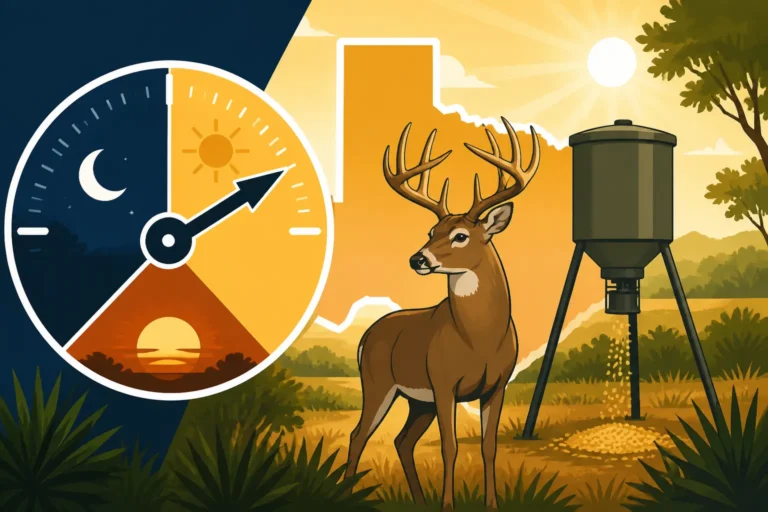
Additionally, thinking about how much corn does a deer feeder use? That depends on your feeder type, timer settings, and deer density. It's not uncommon for a feeder to go through a 50-pound bag in a few days during peak season if not managed correctly. Using a reliable feeder timer is essential for controlling feed dispersion and ensuring deer visit during legal hunting hours. Many hunters set their timers for early morning and late afternoon throws to coincide with prime deer activity. Remember, the goal with corn is often strategic attraction for hunting, so timing your throws to align with when you'll be in your blind is paramount. Our article on Best Corn for Deer Feeders in Texas can help you select the right type of corn and get your setup just right.
The Power of Protein: Elevating Deer Health and Antler Growth
While corn acts as a fantastic lure, protein feeds are the heavy hitters when it comes to genuinely improving the health, body mass, and antler quality of your deer herd. It's a long-term investment that yields significant dividends.
What is a Protein Feeder and How Does It Work?
Unlike the scattering action of a spin-cast corn feeder, protein feeders are typically designed for "free-choice" feeding. This means the deer can eat as much as they want, whenever they want, at their leisure. Most protein feeders are gravity-fed, often with multiple chutes or ports where the deer can access the pellets. Imagine a large hopper, often holding hundreds or even thousands of pounds of feed, that gradually dispenses the protein pellets into troughs or directly onto the ground as deer consume it. This setup ensures a constant, accessible food source, which is vital for providing continuous nutritional support.
The "magic" of protein pellets lies in their carefully formulated composition. These aren't just glorified deer chow; they're packed with a much higher percentage of crude protein, often ranging from 16% to 22%, along with a balanced mix of essential vitamins, minerals, and other nutrients specifically tailored for deer. These additional elements, like calcium, phosphorus, and various trace minerals, are critical for overall health and development, areas where corn falls woefully short. Think of it as a meticulously prepared, nutrient-dense meal designed to address the specific biological needs of deer, particularly during periods of intense growth.
The Science Behind Protein for Deer Development
The impact of adequate protein on a deer’s development is nothing short of profound. For bucks, protein is the undisputed king of antler growth. Antlers are primarily composed of protein and minerals, and without a sufficient supply of these building blocks, a buck simply cannot reach its genetic potential for antler size. Bucks require high levels of protein during the spring and summer months when their antlers are actively growing. Studies have shown a direct correlation between dietary protein levels and both antler mass and beam diameter.
But it’s not just about bigger antlers. Protein is fundamental for the overall health and vitality of the entire herd. For fawns, protein is essential for rapid growth, muscle development, and a strong immune system, which helps them survive their vulnerable first year. Does, especially during gestation and lactation, have incredibly high protein demands. A well-fed doe will produce healthier, stronger fawns and will be in better body condition herself, making her more likely to conceive again and successfully raise her offspring. Protein also aids in muscle repair, energy metabolism, and maintaining a healthy coat throughout the year. Essentially, protein feeding contributes to a robust, resilient deer population that can better withstand environmental stressors, diseases, and the rigors of the rut. Our article Protein Feeding Deer for Bigger Antlers goes into much greater detail about this fascinating biological process.
When and Why to Invest in Protein Feeding
Deciding when and why to incorporate protein feeding into your deer management strategy is crucial. While beneficial year-round, certain periods offer the most significant returns. The most impactful time to feed protein is typically from late winter through early fall, aligning with the periods of antler growth for bucks and gestation/lactation for does. In Texas, this often means starting as early as February or March, when bucks begin growing new antlers, and continuing through September or October. Providing a consistent, high-quality protein source during these critical months ensures that deer have the necessary nutrients to maximize their physical development.
The "why" behind protein feeding is rooted in long-term herd improvement goals. If your objective extends beyond simply attracting deer for a quick hunt and includes enhancing the overall health, body size, and antler quality of your deer population, then protein feeding is an indispensable tool. It’s an investment in the future of your deer herd. Ranchers and serious deer managers often view protein feeding as a form of "nutritional farming," cultivating a healthier, more productive environment for their deer. It's especially valuable in areas with poor native forage or during drought conditions, when natural food sources are scarce and deer are under increased nutritional stress. Protein can bridge these gaps, helping deer maintain condition and continue to develop even when Mother Nature isn't cooperating.
The Great Debate: Corn vs. Protein – Pros and Cons
The choice between corn and protein feeders isn't always clear-cut. It often boils down to a hunter's specific goals, budget, and the characteristics of their hunting property. Let's really dig into the nitty-gritty of this decision.
Attractant vs. Supplement: Different Goals, Different Tools
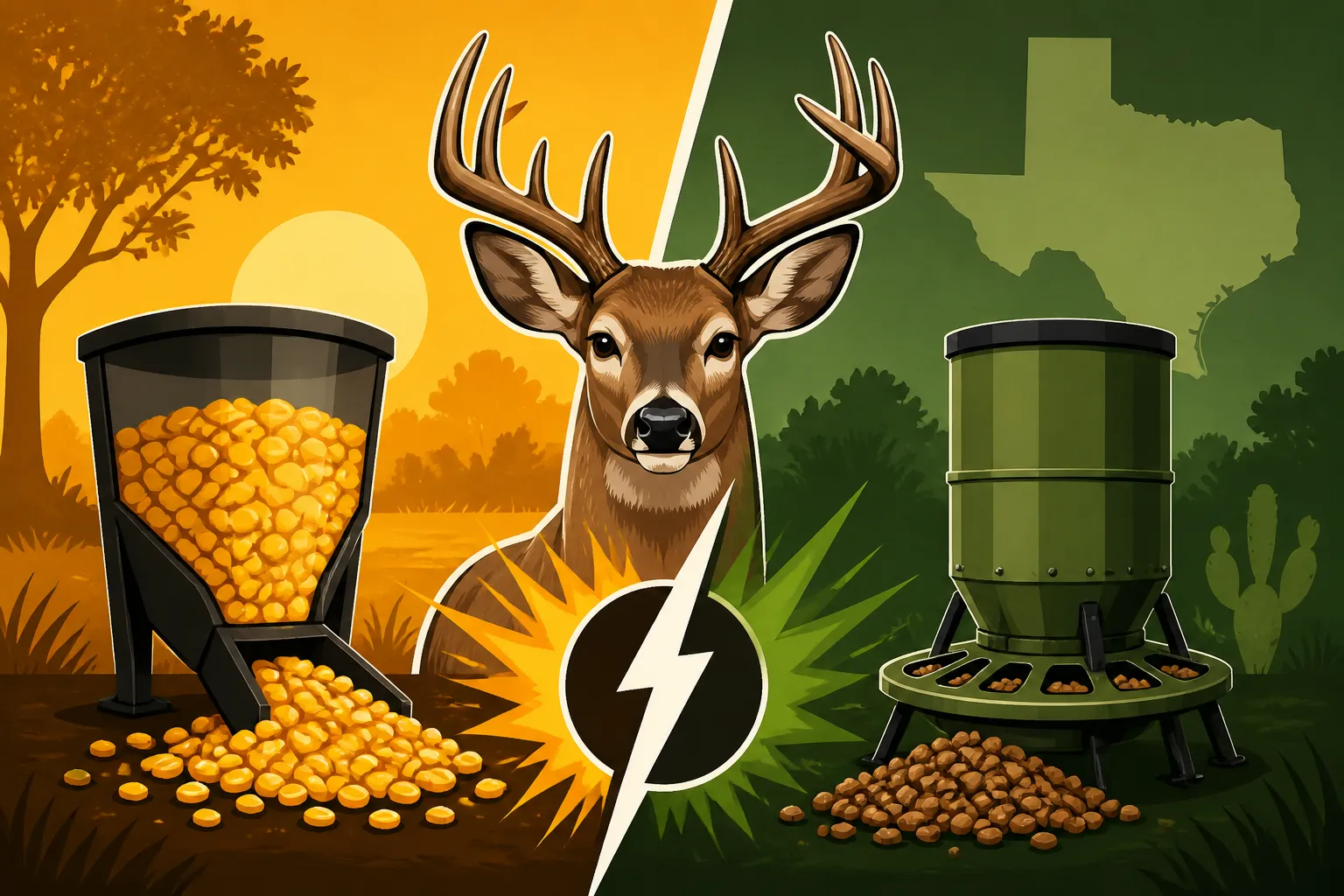
This is perhaps the most fundamental distinction you need to grasp. Corn, in the vast majority of Texas hunting scenarios, functions primarily as an attractant. It's like ringing a dinner bell. You put it out, deer come to eat it, and you increase your chances of seeing them. It's incredibly effective for short-term hunting strategies, helping to pattern deer and bring them into a specific location during legal shooting hours. If your main objective is to harvest a deer during the season and you're not overly focused on long-term herd health or antler quality improvement, then corn might be your most efficient and economical choice for that specific goal. It's a tactical tool for the hunt itself.
Protein, on the other hand, is a nutritional supplement. Its primary purpose isn't just to lure deer, but to provide them with the essential nutrients they need for optimal growth, health, and reproduction. Think of it as a strategic tool for managing and improving your deer herd over time. If you're on a lease with a multi-year commitment, or you own land and want to consistently grow bigger, healthier bucks and does, then protein feeding is the pathway to achieving those objectives. It’s about building a stronger, more resilient foundation for your deer, rather than just luring them in for a fleeting moment. These are truly different tools for different jobs, and understanding that distinction is key to making the right choice for your hunting philosophy. Our article on Deer Hunting in Texas: Feeders, Blinds & Tactics elaborates on how different tools fit into an overall hunting strategy.
Cost and Labor Considerations
Let’s talk dollars and cents, because that’s often the biggest factor for folks. At first glance, corn always seems cheaper. A 50-pound bag of corn typically costs less than a 50-pound bag of protein pellets. This initial price difference can be significant, making corn appear to be the budget-friendly option. However, this is where the long-term view really matters.
Consider the consumption rate. Deer will often gorge themselves on corn, especially if it's a primary food source. A single corn feeder can easily go through several hundred pounds of corn in a week, depending on deer density and feeder settings. This constant refilling adds up quickly, both in terms of feed cost and the labor involved in hauling and pouring those bags. Imagine filling a 1,000-pound corn feeder every 2-3 weeks; that's a lot of trips and a lot of expense over a season.
Protein, while more expensive per bag, is consumed differently. Because it's a nutritionally complete feed, deer will eat what they need and then move on to forage. They don't typically "binge" on protein in the same way they do with corn. This often means that a protein feeder, even a large one, might not need refilling as frequently as a heavily utilized corn feeder, particularly if there’s decent natural forage available. So, while the upfront cost per bag is higher, the overall cost over an entire year might not be as dramatically different as you’d initially assume, especially when you factor in the long-term benefits to your herd. Plus, the investment in a dedicated Best Protein Feeder for Texas Deer might be higher initially, but it's built for purpose and durability. This detailed comparison of Corn vs Protein Feeder for Texas Deer can help you weigh the financial aspects more thoroughly.
Impact on Deer Behavior and Herd Health
The type of feed you offer profoundly influences deer behavior and the overall health dynamics of your herd. Corn, as a highly palatable and concentrated attractant, tends to draw deer to a very specific, small area. This creates a bottleneck effect, where multiple deer, sometimes from different family groups, congregate to feed. While great for hunting, this close proximity can unfortunately increase the risk of disease transmission. Think of it like a communal water cooler: the more animals sharing the same space and touching the same surfaces, the higher the chance of spreading pathogens. Diseases like CWD (Chronic Wasting Disease), though primarily spread through saliva and urine, can be exacerbated by high concentrations of deer at common feeding sites.
Protein feeding, especially through free-choice feeders, generally leads to a more dispersed feeding pattern. While deer will still visit the feeders, the "binge-eating" behavior seen with corn is less common. They graze, eat what they need, and then move on to other natural forage. This can reduce the intensity of congregation and potentially lower the risk of nose-to-nose contact that facilitates disease spread. Beyond disease, a protein-rich diet simply results in healthier deer. Stronger immune systems, better body condition, and reduced stress levels make the entire herd more resilient. Does are more productive, fawns have a higher survival rate, and bucks grow better antlers, year after year. It's a holistic improvement that goes far beyond just getting a deer in front of your stand.
Implementing a Balanced Feeding Strategy in Texas
The question isn't always "corn or protein," but rather "how can I best use both?" A well-rounded approach often combines the benefits of both feed types to achieve both hunting success and herd health goals.
Combining Corn and Protein for Optimal Results
For many Texas hunters, the most effective strategy involves integrating both corn and protein into their deer management plan. This dual approach allows you to leverage the strengths of each feed type while mitigating some of their individual weaknesses. Think of protein as your year-round foundation, providing the essential nutrients for overall herd health, growth, and antler development. Position your protein feeders strategically in areas where deer feel secure, allowing them to feed at their leisure without pressure. This ensures a consistent, high-quality nutritional source available throughout the year, especially during critical growth periods for bucks and does.
Then, when hunting season rolls around, corn can be deployed as your tactical attractant. Place corn feeders in key locations closer to your blinds or stands, using them to draw deer into specific shooting lanes during legal hunting hours. This allows you to attract deer for immediate hunting opportunities without relying on corn as their sole food source for long-term health. The deer are already healthy and thriving thanks to the protein, and the corn simply acts as a magnet to bring them in. This layered approach means you're investing in the long-term well-being of your herd while still maximizing your chances of a successful hunt. For a deeper dive into how to integrate these strategies, check out our guide on Deer Hunting in Texas: Feeders, Blinds & Tactics.
Other Factors Beyond Feeders: Habitat and Supplements
It’s easy to get tunnel-vision on feeders, but truly effective deer management extends far beyond simply pouring feed into a trough. The quality of your natural habitat remains the single most important factor in the health of your deer herd. Native browse, forbs, and mast crops provide the bulk of a deer’s diet, offering a diversity of nutrients that no supplemental feed can entirely replicate. Investing in habitat improvement, such as prescribed burning, brush sculpting, or managing for desirable plant species, will pay dividends far beyond what any feeder alone can achieve. Deer will always prefer natural forage when it's available and of good quality.
Beyond improving natural habitat, don’t overlook the value of food plots. Strategically planted food plots can provide a burst of high-quality forage during critical periods when natural browse might be scarce. Whether it's cool-season oats and clover for winter nutrition or warm-season legumes for summer protein, food plots can complement your feeder program beautifully. Our guide on Food Plots in Texas: What Works in the Heat offers practical advice on what to plant and when. Additionally, mineral supplements, often in block or granular form, can provide vital micronutrients that might be lacking in both natural forage and even some protein pellets. These can be particularly effective when placed near watering holes or high-traffic deer areas, allowing deer to self-regulate their mineral intake. And speaking of water, especially in the arid regions of Texas, ensuring readily available, clean water sources is paramount for deer health and survival.
Monitoring and Adjusting Your Feeding Program
A successful feeding program isn't a "set it and forget it" operation. It requires ongoing observation, assessment, and adjustment. One of your best allies in this endeavor is the trusty trail camera. Deploying trail cameras around your feeders and throughout your property allows you to monitor deer activity, assess herd composition, and observe the physical condition and antler development of individual bucks. Are the deer actually utilizing your protein feeders consistently? Are you seeing a good buck-to-doe ratio? Are the fawns looking healthy? Cameras like those we discuss in How to Pattern Bucks With Trail Cameras provide invaluable insights that inform your decisions.
Beyond cameras, keen observation during your hunts and visits to the property is essential. Pay attention to droppings, tracks, and browsing pressure on native vegetation. Are deer showing signs of stress, or are they robust and healthy? Regularly check your feeders for functionality, ensuring they’re dispensing correctly and aren’t clogged. Also, be prepared to adjust your feed quantities or even the type of feed based on the season, weather conditions (especially drought), and the specific goals you’re seeing achieved or not achieved. For example, if you notice exceptional antler growth, you might maintain your current protein regimen. If growth is stagnating, you might consider increasing protein content or exploring other supplements. It’s an iterative process, and staying engaged with your program is key to maximizing its effectiveness. Don't forget to review your goals regarding Protein Feeding Deer for Bigger Antlers and how your monitoring informs that.
Real-World Scenarios and Case Studies
Understanding the theoretical differences between corn and protein is one thing; applying it to real-world hunting situations in Texas is another entirely. Let's look at how these strategies play out for different types of hunters and properties.
The Small Lease Hunter's Dilemma
If you're like many Texas hunters, you're on a relatively small lease, maybe 100-300 acres, and you've got a budget to stick to. Your primary goal is probably to put a deer in the freezer and perhaps hold out for a decent buck during the general season. In this scenario, the full-throttle, year-round protein program might feel out of reach, both financially and practically. This is where corn often shines as a cost-effective attractant.
For the small lease hunter, a strategy focused on strategic corn feeding during the hunting season makes a lot of sense. You can place a couple of feeders in key areas, setting timers to go off at prime hunting times. The corn acts as your primary tool to draw deer in, creating those predictable patterns that increase your chances of a successful harvest. While you won't be dramatically improving the overall genetics or antler size of the regional deer herd with corn alone, you will be maximizing your hunting opportunities on your specific piece of property. If your budget allows for a little extra, you might consider running a smaller protein feeder during the spring and early summer, targeting the peak antler growth period, but even a few bags of higher-quality feed during this crucial time can make a difference. The key is to be realistic about your goals and resources. For a small lease hunter, the aim is often "harvest success" over "herd management," and corn is king for that. Our guide on How to Hunt White-Tailed Deer on a Texas Lease might offer further tailored advice.
Managing a Large Ranch for Trophy Potential
Now, let's pivot to the opposite end of the spectrum: a large ranch (think 1,000+ acres) with a clear objective of producing trophy-class bucks and maintaining a superior overall deer herd. Here, protein feeding is not just an option; it's an absolute necessity and a cornerstone of the management program. Large ranches with serious trophy goals will typically implement a year-round protein feeding regimen, often using multiple large-capacity free-choice feeders strategically placed across the property. The investment in high-quality protein pellets is viewed as essential for maximizing the genetic potential of their deer.
These operations are often involved in programs like the Managed Lands Deer Program (MLDP), where strict management guidelines, including supplemental feeding, are followed to enhance herd quality. The protein provides a consistent, nutrient-rich diet that supports exceptional antler growth, robust body weights, and high fawn survival rates. Corn might still be used, but primarily as a short-term attractant during hunting season to pull specific target bucks into shooting lanes, or in conjunction with blinds like the ones detailed in Box Blind vs Tripod vs Ground Blind in Texas. It's a supplemental attraction, not the dietary foundation. The long-term vision of these ranches is to elevate the entire herd’s health and genetic expression, and protein is the main driver for that. You can learn more about these programs in MLDP Tags in Texas: How They Work.
Dealing with Unwanted Guests: Hogs and Other Critters
One of the biggest frustrations for any Texas hunter running feeders is dealing with unwanted guests, especially feral hogs. These destructive omnivores are notoriously attracted to corn, and they can clean out a feeder in a single night, costing you money and denying feed to your target deer. While hogs aren't completely immune to the allure of protein, they generally prefer corn due to its higher sugar content and easy digestibility. They’re less likely to camp out at a protein feeder for days on end like they will with a corn feeder.
This difference in preference can influence your feeder choice. If you have a severe hog problem, relying heavily on corn might mean you're essentially feeding the hogs, not the deer. Strategies for deterring hogs from corn feeders often involve using hog panels, cages, or specialized feeders designed to be hog-resistant. Our article on How to Keep Hogs Out of Your Deer Feeder offers several practical solutions for this ongoing battle. While protein feeders can still attract hogs, the damage and consumption are often less severe. For any feeder, whether corn or protein, you might also find that raccoons, squirrels, and even birds become regular visitors. Securing feeders with latches, using critter-resistant designs, and even considering predator control can become part of your overall feeding strategy to ensure your valuable feed is primarily going to your deer. Ultimately, choosing a Best Deer Feeder Setup for Texas that minimizes waste and excludes non-target species can save you a lot of headache and money.
Here's a quick comparison to help solidify your understanding:
| Feature | Corn Feeder (Attractant) | Protein Feeder (Supplement) |
|---|---|---|
| Primary Goal | Attract deer for hunting, pattern deer | Improve deer health, body condition, antler growth, fawn survival |
| Nutritional Value | High carbohydrates, low protein, minimal vitamins/minerals | High protein (16-22%), balanced vitamins, minerals, fats |
| Consumption Pattern | Deer often gorge, can empty quickly | Deer eat what they need, more regulated consumption |
| Cost (Per Bag) | Lower | Higher |
| Cost (Annual) | Can be high due to rapid consumption, frequent refilling | Generally higher initial investment, but potentially less frequent refilling for similar impact |
| Labor | Frequent refilling, potential for heavy hauling | Less frequent refilling (for large feeders), heavier bags |
| Impact on Hogs | Highly attractive, frequent problem | Less attractive than corn, but still a concern |
| Herd Health Impact | Minimal direct improvement, potential for disease congregation | Significant long-term improvement, increased resilience, less congregation |
| Best Use | Seasonal hunting attraction, short-term energy boost | Year-round herd management, long-term genetic expression |
Disclaimer
The information provided in this guide is for general informational purposes only and does not constitute professional advice. Hunting regulations and best practices can change, and it is the responsibility of the reader to verify all current local, state, and federal laws and regulations before engaging in any hunting or wildlife management activities. Always consult the latest Texas Parks and Wildlife Department Outdoor Annual for up-to-date information.