How to Hunt White-Tailed Deer on a Texas Lease
Securing a spot on a Texas deer lease is often the culmination of years of searching, networking, and saving hard-earned money. However, once you have those keys in hand, the real challenge begins: figuring out how to actually hunt a specific piece of dirt in a state where the brush is thick, the heat is relentless, and the deer have seen it all. This guide is designed to take you from a newcomer to a seasoned veteran on your lease, ensuring you maximize your time in the stand.
Navigating the Lease Culture and Social Ground Rules
The first thing you have to realize about a Texas deer lease is that it is as much a social club as it is a hunting ground. Whether you are on a small family plot in the Hill Country or a sprawling 10,000-acre spread in South Texas, your success depends heavily on your relationship with your lease mates. I have seen more good hunters get kicked off great leases because of poor etiquette than because of poor hunting skills. You need to understand the unspoken rules of the camp, from who cleans the skinning shed to how people navigate the roads during prime hunting hours.
Before you even think about glassing for a buck, sit down with the lease manager and get a clear picture of the property boundaries and any internal "sanctuaries" where driving is prohibited. Miscalculating a property line is a quick way to end up in a legal mess with a neighbor. This is also the time to discuss the Texas Hunting Lease Rules & Etiquette that govern your specific group. Some leases are "brown and down," while others have strict trophy requirements. Knowing these expectations upfront prevents the heartbreak of shooting a buck that the rest of the camp was trying to let grow for another year.
Another critical aspect is the management of the deer herd itself. Most Texas leases operate under specific bag limits that might be even more restrictive than the state's official rules. You should familiarize yourself with the Texas Whitetail Bag Limit & Buck Rules for your specific county. Understanding the difference between a "cull" buck, a "management" buck, and a "trophy" buck on your specific lease is vital. In many cases, you might be asked to shoot a certain number of does before you are even allowed to target a mature buck. This isn't just a chore; it’s a vital part of maintaining a healthy buck-to-doe ratio, which actually makes the rut more intense and productive for everyone involved.
Setting Up Your Area for Success
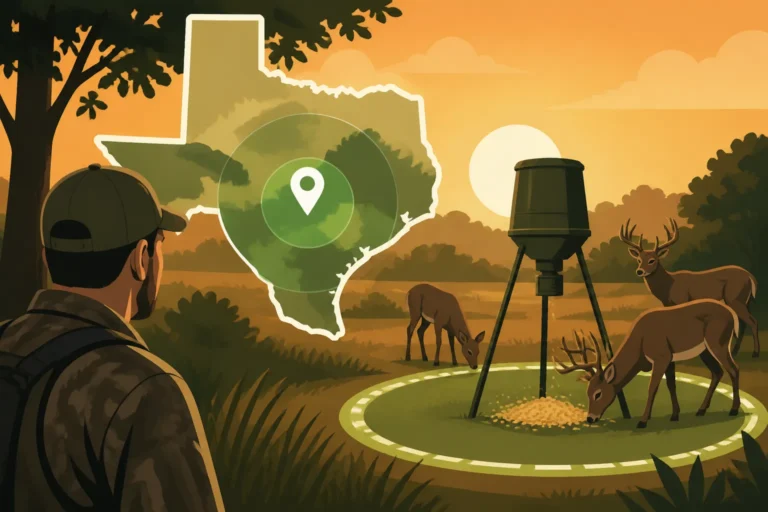
Once you have your designated "pasture" or stand locations, the physical work begins. In Texas, the feeder is the heartbeat of the lease. Because much of the state consists of dense mesquite or cedar breaks, you can’t always rely on finding a natural clearing. You often have to create a focal point. Most hunters start with a standard corn feeder to attract deer, but the real pros look at the long-term nutritional needs of the herd. Deciding between Corn vs Protein Feeder for Texas Deer is a common dilemma. While corn is an excellent attractant, protein is what builds the antler mass that Texas is famous for. If your lease allows it, running a protein station year-round can transform a mediocre spot into a big buck factory.
The placement of your blind and feeder is a strategic game of chess. You aren't just looking for a spot with a good view; you are looking for a spot that favors the prevailing winds—usually from the south or southeast in Texas. I’ve seen guys put up beautiful, expensive box blinds only to realize that the wind consistently blows their scent right into the bedding area they are trying to hunt. When considering Where to Place a Deer Feeder for Best Results, look for the intersection of travel corridors and thick cover. You want the deer to feel safe approaching the feeder, which usually means putting it within 20 to 30 yards of a "staging area" of thicker brush.
Maintaining your equipment is just as important as where you put it. There is nothing more frustrating than arriving at your stand for the first hunt of the year only to find that raccoons have chewed through your feeder wires or a battery has died. You need to know How Much Corn Does a Deer Feeder Use? so you can plan your filling trips accordingly. If you only visit the lease once a month, a high-capacity feeder is a must. Additionally, your timer settings can make or break your season. Many successful hunters utilize Best Feeder Timer Settings for Daylight Deer to ensure the "dinner bell" rings when there is enough shooting light to actually identify a legal buck.
| Setup Component | Purpose | Recommended Maintenance |
|---|---|---|
| Corn Feeder | Primary attractant and "dinner bell" | Check spin plate and battery monthly |
| Protein Feeder | Long-term antler growth and herd health | Keep feed dry; check for clogs weekly |
| Box Blind | Scent control and hunter comfort | Seal windows; check for wasp nests in summer |
| Trail Camera | Scouting and pattern development | Replace SD cards and check batteries every 3-4 weeks |
| Water Trough | Essential during Texas droughts | Ensure float valve is working; clean algae |
Mastering the Timing and the Texas Rut
Texas is a massive state, and the whitetail rut doesn't happen all at once. If you are hunting a lease in the Panhandle, your peak activity might be in mid-November, whereas a lease in the Deep South Texas brush country might not see the "golden days" until Christmas or even New Year's Day. Understanding When Is the Texas Whitetail Rut? for your specific region is the difference between sitting in an empty woods and seeing the woods come alive with chasing activity. On my first South Texas lease, I made the mistake of burning out my vacation time in early November, only to find out the real action didn't start until the second week of December.
Weather patterns in Texas are notoriously fickle. We often deal with "Blue Northers" that drop the temperature 40 degrees in two hours, followed by three days of 80-degree "shorts and t-shirt" weather. You have to be ready to adapt. When a cold front hits, you need to be in the stand. Deer that have been languishing in the heat will suddenly move with a desperate urgency to feed. On the flip side, during those warm, stagnant days, you might have more luck focusing on water sources or hunting the very last few minutes of legal light. Learning How to Hunt Whitetail Deer in Texas (Step by Step) involves mastering these micro-adjustments based on the barometer and wind direction.
Scouting doesn't stop once the season starts; it actually intensifies. This is where technology becomes your best friend. Modern hunters on a lease rely heavily on knowing How to Pattern Bucks With Trail Cameras. By checking your cameras (ideally via cellular link to avoid spooking the area), you can see which bucks are moving during daylight and which are strictly nocturnal. If a buck is only showing up at 2:00 AM, there is no sense in burning out your stand sitting there at sunrise. You may need to move your blind closer to his bedding area or wait for a major weather event to shake him loose from his nighttime routine.
Tactical Execution and Field Care
When the moment of truth finally arrives and you have a shooter in your sights, the work is only half-finished. Shot placement on a Texas whitetail is critical, especially when hunting near dense brush. A buck that runs 100 yards into a South Texas "sendero" can be incredibly difficult to find if there isn't a clear blood trail. Take your time, wait for a broadside shot, and ensure you have a solid rest. Most Texas lease hunters prefer a heavy-caliber rifle with a high-quality optic, as shots can range from 50 yards in the woods to 300 yards across a wide pasture.
After the shot, the clock starts ticking immediately—especially in Texas. We don't have the luxury of a "natural refrigerator" like hunters in the North. Even in November, daytime temperatures can easily soar into the 80s. You need to have a plan for How to Cool a Deer Fast in Texas Heat. This means having a truck with a winch or a game cart ready, and plenty of ice back at the camp. Getting the hide off and the meat into a cooler or a walk-in "deer locker" as quickly as possible is the only way to ensure your venison doesn't spoil. Many leases have a communal skinning shed, so be sure to leave it cleaner than you found it—that's a core part of being a good lease member.
Finally, remember that hunting on a lease is a marathon, not a sprint. It’s easy to get discouraged after a few slow weekends, but the beauty of a lease is that you are building a history with a specific piece of land. You'll start to learn where the deer cross the creek when it's high, which oak trees drop acorns first, and which fence lines the big bucks prefer to jump. That institutional knowledge is what eventually leads to those consistent, successful seasons. Take notes, stay patient, and enjoy the campfire stories as much as the time in the stand.
Disclaimer regarding Texas Hunting Regulations
This guide provides general advice and practical tips for hunting white-tailed deer on a Texas lease. However, hunting laws, tag requirements, and county-specific antler restrictions are subject to change annually by the Texas Parks and Wildlife Department (TPWD). Always consult the current Texas Outdoor Annual and verify all local regulations, property boundaries, and lease-specific rules before discharging a firearm or harvesting any game. Ethical hunting and adherence to the law are the responsibility of the individual hunter.