How to Scout a New Hunting Lease in Texas
Landing a new hunting lease in Texas is incredibly exciting, but the reality often hits when you realize you're staring at unfamiliar territory with no idea where to start. The sheer size and diversity of Texas landscapes, from the thick South Texas brush to the rugged Hill Country, can make scouting feel like an impossible task. This comprehensive guide will walk you through a systematic approach to effectively scout your new Texas hunting lease, ensuring you maximize your chances of success from opening day.
The Power of Pre-Season Digital Reconnaissance
Before you even step foot on your new hunting lease, you have an incredible advantage at your fingertips: digital mapping tools and public data. Many hunters make the mistake of just showing up with a rifle, but a little homework can save you countless hours and point you straight to the hotspots. This initial phase is all about gathering intel from afar, building a solid hypothesis of where the animals are and why.
Leveraging Satellite Imagery and Mapping Apps
Modern hunting has been revolutionized by mapping applications, and they are your best friend when getting to know a new property. Tools like onX Hunt and GoHunt provide detailed satellite imagery, topographical maps, and property lines that are invaluable for early scouting. Spend hours poring over these maps, looking for patterns, funnels, and potential bedding areas.
Start by identifying the obvious stuff: roads, fences, and power lines. These often act as boundaries or natural travel corridors. Then, dive deeper. Look for changes in vegetation density—thicker cover usually means bedding, while more open areas might indicate feeding spots. Pay close attention to subtle elevation changes; even a slight ridge can act as a natural deer highway, especially when bucks are cruising during The Texas Rut: When Do Bucks Rut by Region?. Creek beds, dry washes, and riparian zones (areas along water) are also huge magnets for wildlife, offering both cover and travel routes. With onX Hunt, you can mark potential stand locations, food plots, and natural pinch points directly on your map, allowing you to build a virtual game plan before you ever set foot on the ground. Think about how deer or hogs would move through this landscape, avoiding open areas and sticking to cover. Consider access points; where can you get in and out discreetly without spooking game?
Analyzing Historical Data and Local Intelligence
Beyond just maps, there’s a wealth of information available if you know where to look. Websites like the Texas Parks and Wildlife Department (TPWD) offer statistics on deer populations, harvest data, and specific regulations for counties. Understanding the local herd dynamics and typical antler restrictions, like the Texas Antler Restrictions: 13-Inch Rule & Counties, can inform your strategy.
Don't be shy about reaching out to previous lease members or the landowner. They often hold a treasure trove of historical knowledge about game movement, bedding areas, and even traditional stand locations. While you don't want to blindly follow old advice, it provides a crucial starting point. Ask about prevailing winds, common entry and exit points for animals, and any known problem areas, such as pressure from neighboring properties. If the lease has been managed under a program like MLDP, you might even find detailed harvest records or population estimates that give you a leg up. Combine this local lore with your digital map analysis to create an even more robust picture of your new hunting grounds. This blend of new tech and old wisdom is key to understanding the pulse of your lease.
Your First Boots-on-the-Ground Visits
Once you’ve done your homework from the comfort of your home, it’s time to get your boots on the ground. These initial visits aren’t about hunting; they’re about validating your digital theories, learning the lay of the land firsthand, and leaving as little disturbance as possible. Think of yourself as an investigative journalist, gathering evidence to support or refute your initial hypotheses.
Identifying Key Topographical Features
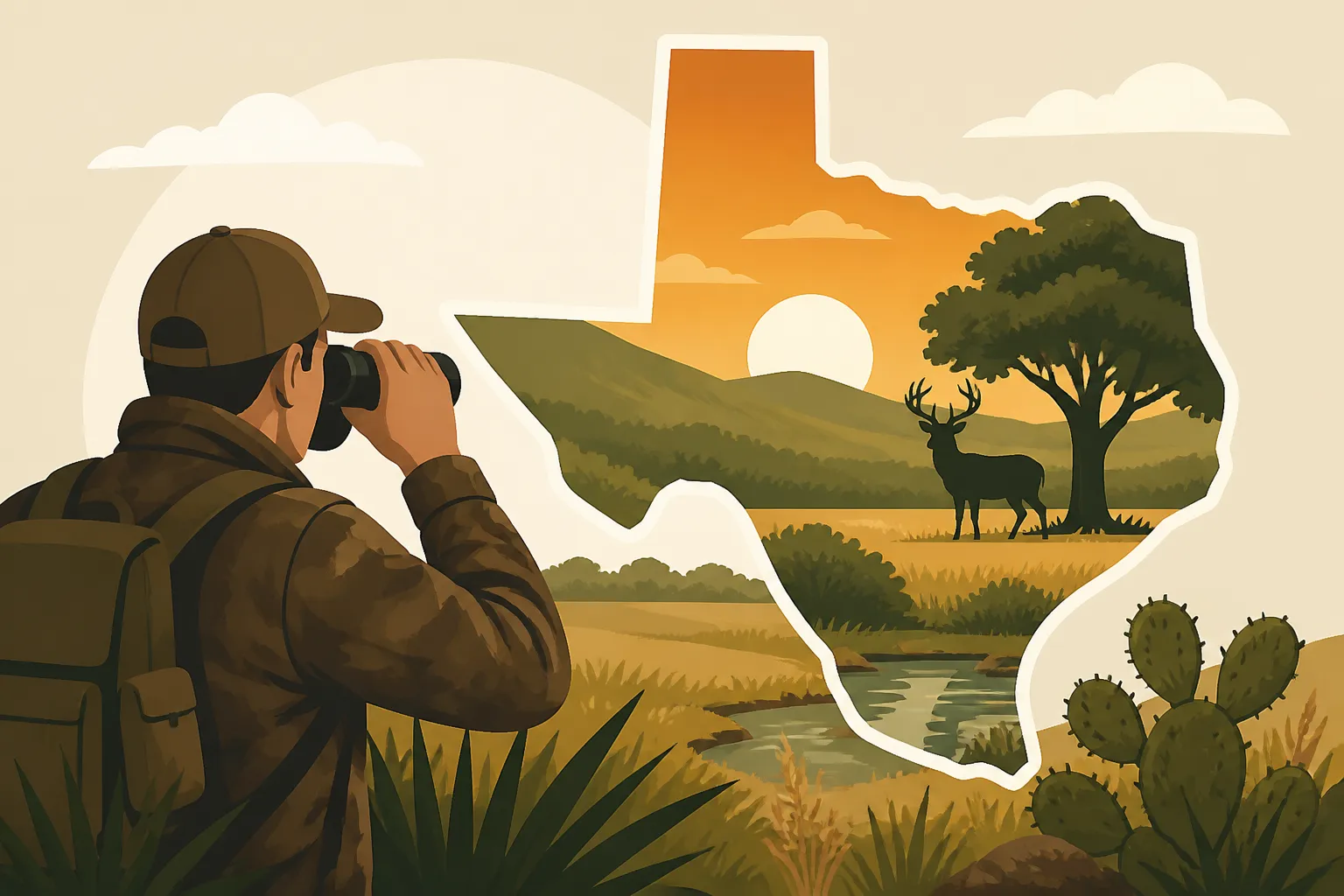
Walking the property for the first time is a sensory experience that no map can fully replicate. The way the wind swirls in a certain draw, the density of the underbrush, or the subtle incline of a ridge—these are details you need to feel and see. Start by walking the perimeter of your lease, if feasible, to get a holistic view of the boundaries and adjacent properties. This helps you understand where game might be entering and exiting your land, and critically, how pressure from neighbors could influence movement.
As you walk, constantly compare what you see to your onX Hunt map. Did that thicket look bigger on satellite? Is that creek bed deeper than you thought? Look for natural funnels where topography or vegetation squeezes animal movement into predictable paths. These could be narrow strips of woods between two fields, a saddle in a ridge, or a bottleneck created by thick brush and open areas. These funnels are prime spots for stand placement. Also, identify potential bedding areas – dense cover that offers security and a good vantage point for animals. Often, these areas will be on north-facing slopes or in thick, thorny brush that humans avoid.
Locating Water Sources and Food Sign
Water is life, especially in the often-arid Texas landscape. Permanent water sources like creeks, tanks (ponds), or even seeps are absolute magnets for all wildlife. During your initial scouting, make it a priority to locate all available water on the property. Pay attention to game trails leading to and from these water sources. These trails often look like miniature highways, worn smooth by countless hooves.
Beyond water, food is the other major driver of animal movement. Look for active browse lines on native vegetation – the distinct height at which deer have been eating leaves and twigs. Scrape lines on trees, especially cedars or mesquites, are another clear indicator of active feeding or travel. If the lease has existing feeders, check for corn or protein consumption. If not, consider where you might place a Best Deer Feeder Setup for Texas or even a small food plot if conditions allow. Look for tracks, scat, and rubs, which are all undeniable evidence of recent animal activity. Note the freshness of these signs. Fresh tracks in mud, warm scat, or shiny rubs indicate very recent presence, which can help you narrow down core areas of activity. Remember, knowing Where to Place a Deer Feeder for Best Results can dramatically increase your chances of attracting and holding deer on your property.
Deploying Technology for Deeper Insight
Once you have a general understanding of your lease, it’s time to let technology do some of the heavy lifting. Trail cameras are an invaluable tool for passive scouting, allowing you to gather round-the-clock intelligence without constant human presence. They help confirm your theories and reveal patterns you might otherwise miss.
Strategic Placement of Trail Cameras
The key to effective trail camera use is strategic placement. Don’t just throw them up randomly. Refer back to your digital maps and what you observed during your initial walk-through. Concentrate your cameras on those identified funnels, pinch points, and heavy game trails leading to and from water or food sources. If you found a fresh rub line or scrape, place a camera there to see who’s making the sign and when.
Consider what you want to achieve with each camera. Are you trying to pattern a specific buck? Monitor a feeding area? Or simply get an inventory of what animals are using a particular travel corridor? For patterning bucks, place cameras on trails leading to bedding, or along the edges of food plots or feeders. For general inventory, focus on water sources or major intersections of game trails. Cellular trail cameras like the Tactacam Reveal or Moultrie Edge are fantastic for new leases, as they allow you to monitor activity remotely, saving you trips and keeping disturbance low. Check out guides like Best Cellular Trail Cameras for Texas (2027) to find models that suit your needs. Remember to face cameras north or south to avoid sun glare, clear any vegetation that might trigger false alarms, and use security measures if theft is a concern.
Monitoring Weather Patterns and Animal Movement
Trail cameras don’t just tell you *what* animals are there; they tell you *when* they are there. This data is critical for understanding movement patterns and predicting optimal hunting times. After a few weeks of camera deployment, start analyzing the time stamps on your photos. Are deer moving mostly at night? Early morning? Late afternoon? This insight will help you decide the Best Time of Day to Hunt Whitetail in Texas.
Cross-reference this data with local weather patterns. Animals are often more active during cooler temperatures, after rain, or leading up to a front. A sudden drop in barometric pressure can trigger a flurry of activity. Conversely, extreme heat, common in Texas, often pushes game movement into the cooler nighttime hours. Use weather apps and combine their forecasts with your camera data to predict when game will be most active. This constant monitoring allows you to adapt your hunting strategy throughout the season. You'll begin to see how specific conditions influence whether deer hit a feeder or browse in a thicket, giving you a dynamic understanding of your new lease.
Understanding Year-Round Animal Behavior
Scouting isn’t just a pre-season activity; it’s a continuous process that evolves with the seasons. Animal behavior shifts dramatically throughout the year, influenced by factors like breeding cycles, food availability, and hunting pressure. A truly effective scout understands and anticipates these changes.
Adapting Scouting to Seasonal Changes
What works for scouting in August might be useless in November. As the Texas deer season approaches, and then progresses, your focus needs to shift. In early fall, your priority might be locating abundant natural food sources like acorns or persimmons, especially before Hunting Over Feeders & Corn in Texas (Legal Guide) becomes the primary attraction. As the rut approaches in late fall, your cameras should be positioned to catch bucks cruising for does, often using different travel corridors than during the early season. Understanding When to Rattle for Bucks in South Texas or How to Grunt and Rattle Whitetail in the Hill Country will depend on knowing when that critical breeding phase kicks in for your specific region.
Winter months, post-hunting season, are excellent for finding shed antlers, which provide invaluable clues about specific bucks that survived the season and their core bedding areas. The leaner vegetation also makes it easier to spot old trails and rub lines that were previously hidden. Spring and summer bring new growth and the fawning season, making it a good time to observe doe-fawn groups and locate water sources that might become crucial later in the year. Each season offers unique opportunities to learn about your lease and the animals that call it home.
The Importance of Post-Season Scouting
Don’t hang up your boots after the last deer tag is filled. Post-season scouting might just be the most underrated phase of learning a new lease. With no pressure from hunting, deer and other game often revert to more natural, predictable patterns. The absence of foliage in late winter allows you to see the true topography and identify subtle features that were obscured before.
Walk every inch of your lease, looking for old rub lines, scrapes, and major travel corridors. Pay particular attention to dense cover where deer might have bedded during hunting season. This is also a fantastic time to assess the deer herd, look for shed antlers, and identify which bucks made it through the season. You can also evaluate your stand locations. Did they work as planned? Were there trails you missed? Did the wind consistently swirl differently than expected? Use this time to refine your setup for next year. Consider How to Set Up a Box Blind Over a Feeder more effectively, or plan for future food plots. By doing this, you're not just scouting for the next season; you're continuously building a comprehensive understanding of your lease, which is the true secret to long-term hunting success in Texas.
Hunting Lease Scouting Stages and Tasks
| Scouting Stage | Primary Objective | Key Activities | Recommended Tools | Best Time of Year |
|---|---|---|---|---|
| Digital Reconnaissance | Understand the property layout and identify potential hotspots from afar. | Analyze satellite imagery for cover, water, elevation changes. Identify property lines, access points, and natural funnels. Research local regulations and historical harvest data. | onX Hunt, GoHunt, Google Earth, TPWD website | Year-round, ideally 3-6 months before season |
| Early Field Recon | Ground-truth digital theories and identify subtle features. | Walk perimeters, scout for major game trails, locate all water sources, identify bedding cover. Look for old sign (rubs, scrapes, tracks). | Binoculars, compass, notepad, small backpack, map app | Late Spring/Early Summer |
| Tech Deployment | Gather passive, round-the-clock intelligence on game movement and patterns. | Strategically place cellular trail cameras on funnels, trails, water sources, and potential feeding areas. Monitor photos for time-stamped activity. | Cellular trail cameras (e.g., Tactacam Reveal, Moultrie Edge), solar panels, security boxes | 2-3 months before season, and throughout |
| In-Season Adaptation | React to current conditions and animal behavior during the hunt. | Observe real-time game movement, adjust stand locations based on wind, pressure, and food availability. Use grunt calls or rattling during the rut. | Hunting gear, calls, current trail camera data | During hunting season |
| Post-Season Deep Dive | Consolidate knowledge, find sheds, and plan for the next year. | Walk every inch of the property, find sheds, identify overlooked trails and bedding areas, evaluate past stand locations, plan food plots. | Binoculars, shed dog (optional), chainsaw/pruners, measuring tape | Late Winter/Early Spring |
Disclaimer
Hunting regulations and conditions can change rapidly. Always consult the most current Texas Parks and Wildlife Department Outdoor Annual or website for up-to-date information on licenses, seasons, and local restrictions before planning any hunting activities.