Hill Country Hunting Lease Cost & Options
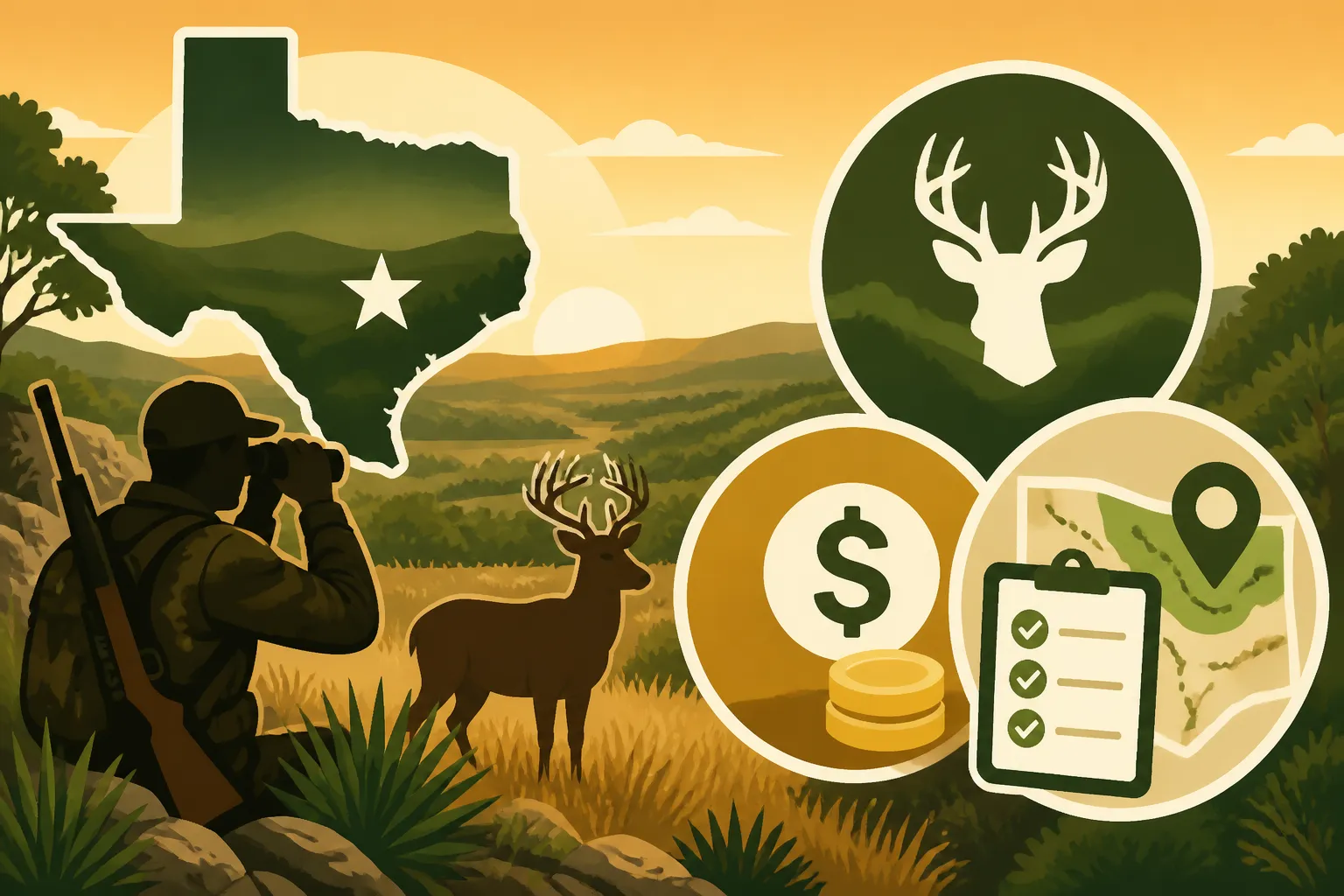
Finding a hunting lease in the iconic Texas Hill Country can feel like trying to catch a ghost – incredibly desirable, often elusive, and with prices that can make your eyes water. Many hunters dream of experiencing the region's famed whitetail hunting, but navigating the myriad of lease options and understanding the true costs involved can be a daunting task. This guide is here to demystify the Hill Country leasing landscape, breaking down everything from what drives prices to the different types of leases available, so you can make an informed decision and hopefully land that dream hunting spot.
Understanding the Texas Hill Country Lease Landscape
The Texas Hill Country is more than just a picturesque landscape of rolling hills, spring-fed rivers, and ancient oak trees; it's a deer hunting mecca. Hunters from all over the country flock here, drawn by the dense white-tailed deer populations, the opportunity to chase mature bucks, and the generally mild climate during hunting season. This popularity, however, directly influences the cost and availability of hunting leases.
Why the Hill Country is So Coveted
The Edwards Plateau, which encompasses much of the Hill Country, boasts some of the highest deer densities in Texas, if not the entire nation. It’s not uncommon to see multiple deer herds in a single outing, offering consistent action that’s hard to beat elsewhere. Beyond sheer numbers, the genetics here, combined with good land management practices, can produce some truly impressive bucks. The diverse terrain, from rocky outcrops to brushy draws and open pastures, also makes for exciting and challenging hunting. It’s a place where you can refine your skills, whether you prefer still hunting, setting up a feeder, or trying some spot-and-stalk. Many hunters find themselves falling in love with the specific character of hunting in this region. You might be interested in our guide on Hill Country Deer Hunting in Texas for a deeper dive into the region's allure.
General Expectations and Terrain
When you’re looking at a Hill Country lease, expect a mixed bag of terrain. You’ll find everything from juniper-choked hillsides and limestone bluffs to pecan bottoms along creeks and cleared pastures. This variety is what makes the hunting so engaging, but it also dictates what kind of blinds you can use, where you can place feeders, and how you’ll need to scout the land. Much of the Hill Country is low-fenced, meaning deer move freely across properties, which is part of its traditional appeal. However, high-fenced operations are also present, especially for those interested in guaranteed trophy opportunities or exotic species. The land itself often requires a good 4×4 vehicle to navigate, and comfortable boots are a must for those long walks checking cameras or scouting new areas.
Factors Influencing Hill Country Lease Costs
The price tag on a Hill Country hunting lease isn't pulled out of thin air. It's a complex equation based on a variety of factors, and understanding these can help you anticipate costs and negotiate effectively. From the size of the property to the amenities it offers, every detail plays a role.
Acreage, Amenities, and Management
One of the most obvious factors is the sheer size of the property. Larger ranches typically command higher overall prices, but the cost per hunter might actually be lower if you have a big group. However, a small, intensely managed 100-acre tract with established food plots and numerous blinds could still be more expensive than a sprawling, unmanaged 500-acre tract that offers minimal amenities.
Amenities are huge. Does the lease come with a camp house, electricity, water, and septic? Or is it a dry camp, meaning you’ll need to bring in everything? Turnkey leases, which include feeders, blinds, and sometimes even game cameras, will naturally cost more. A lease that has a well-maintained road system throughout the property is more valuable than one where you're constantly fighting brush to get to your stand. The level of deer management on the property also weighs heavily. Properties that have a history of producing quality deer due to protein feeding, habitat improvement, and strict harvest regulations will inevitably be priced higher. Landowners who participate in the Managed Lands Deer Program (MLDP) often offer tags and more flexible harvest guidelines, which is a significant value-add.
Location, Access, and Species Availability
Location is paramount in real estate, and hunting leases are no different. Leases closer to major metropolitan areas like Austin or San Antonio, particularly those within an hour or two drive, often carry a premium due to convenience. The reputation of certain counties also plays a huge part. Counties like Webb, Dimmit, and La Salle in South Texas are renowned for their trophy potential, but within the Hill Country itself, counties such as Kerr, Gillespie, Mason, and Llano are highly sought after for their robust deer populations and beautiful scenery.
Ease of access to the property is another consideration. Is it off a paved road, or do you have to navigate miles of dirt roads? Limited access, while sometimes implying less hunting pressure, can also be a logistical headache. The types of game available also affect cost. While white-tailed deer are the main draw, many Hill Country leases also offer excellent opportunities for Rio Grande Turkey Hunting in Texas, feral hogs, and even exotics like axis deer or aoudad sheep. A lease with diverse game options will typically be more expensive than one focused solely on deer.
Here's a breakdown of how these factors might influence lease costs:
| Factor | Lower Cost Implication | Higher Cost Implication |
|---|---|---|
| Acreage (per hunter) | Large acreage, unmanaged, basic amenities | Smaller, intensively managed acreage, premium amenities |
| Amenities | Dry camp, no electricity/water, bring your own blinds | Camp house, electricity, water, septic, existing blinds, feeders |
| Deer Quality | Unguided, general harvest, lower antler potential | Managed for trophies, MLDP tags, protein fed, established history |
| Location | Remote, further from cities, lesser-known counties | Close to major cities, prime counties (Kerr, Gillespie) |
| Access | Poor road conditions, limited entry points | Paved road access, well-maintained internal roads |
| Additional Species | Deer only, or common hogs | Turkey, exotics (Axis, Aoudad), abundant hogs |
Types of Hunting Leases and What to Expect
Not all hunting leases are created equal, and understanding the different structures can help you find one that fits your budget, commitment level, and hunting style. Whether you’re looking for a quick weekend getaway or a year-round commitment, there’s likely an option out there for you.
Day Leases and Short-Term Options
For many hunters, especially those new to the area or with limited time, day leases are an excellent entry point. These typically involve paying a fixed fee per hunter per day to access a property for a specific period. You’ll often find day lease opportunities for white-tailed deer, hog hunting, or even dove hunting during the season. The primary advantage is flexibility; you’re not committed to a long-term contract or a significant upfront investment. It's a great way to "test the waters" of Hill Country hunting without the full financial burden of a seasonal or annual lease.
However, day leases usually come with fewer amenities and less control over the property. You might be hunting areas that have been pressured recently, and you won't have the opportunity to set up your own stands or feeders. Prices can vary wildly, from $150-$500+ per hunter per day, depending on the game, location, and whether it’s a guided hunt. They're perfect for a quick weekend trip or if you're trying to bag a specific animal like an axis deer or aoudad on an exotic hunt. Many outfitters in the Hill Country, such as those near Mason or Llano, offer these types of hunts.
Seasonal and Annual Leases
These are the most common types of leases in the Hill Country. A seasonal lease typically covers the main deer season, running from October to January, but sometimes extending through the spring turkey season. Annual leases, as the name suggests, run for a full year, giving you access for scouting, shed hunting, off-season hog control, and sometimes even year-round exotic hunting.
Annual leases offer significantly more value if you plan to spend a lot of time on the property. They allow you to truly learn the land, pattern deer, and implement your own management strategies, within the landowner's guidelines. You can set up your own blinds, feeders, and trail cameras, creating a much more personalized hunting experience. This type of lease typically involves a larger upfront cost, often paid as a lump sum or in installments. Prices can range from $1,500 per gun for a basic seasonal lease to well over $5,000 per gun for a prime, well-managed annual lease with excellent facilities in a top-tier county. When considering a lease, check out our guide on Hunting Leases in Texas: Complete Guide (Cost & How to Find) for more insights.
High-Fence vs. Low-Fence Operations
This is a crucial distinction, especially in the Hill Country. A low-fence lease implies that game can move freely on and off the property, making for a more traditional, challenging hunting experience where you're truly hunting wild animals. The thrill of harvesting a buck that has outsmarted countless hunters over multiple properties is what many traditionalists seek. These leases tend to be more affordable per acre, but trophy quality can be less predictable, relying heavily on regional genetics and neighboring management.
High-fence operations, on the other hand, enclose animals within a specific property, usually ensuring higher deer densities and often, larger trophy potential due to intensive management and superior genetics. These leases are often pricier because of the significant investment required for fencing, feed programs, and enhanced wildlife management. They typically offer a higher success rate and a more controlled hunting experience, often including exotics. Many hunters view high-fence hunting differently, but for those seeking a guaranteed opportunity at a mature animal or a specific exotic like an axis deer, they offer a reliable option. It's a personal preference, and understanding the pros and cons is key to finding the right fit for you.
Navigating the Search: Finding and Securing Your Ideal Lease
So, you’ve got a better handle on the Hill Country lease landscape and what drives the costs. Now comes the exciting, albeit challenging, part: finding and securing your perfect spot. It often takes persistence, good timing, and knowing where to look.
Where to Look for Hill Country Leases
The internet has revolutionized the lease search, making it easier than ever to find opportunities. Websites like Texas Hunting Online, LeaseHunter, or even local real estate listings often feature available leases. You can filter by county, acreage, species, and amenities. Social media groups dedicated to Texas hunting are also surprisingly active and can be a good source for leads, though you'll need to sift through a lot of chatter. Don't underestimate the power of word-of-mouth. Talk to fellow hunters, visit local feed stores in towns like Mason or Fredericksburg, and check bulletin boards at general stores. Sometimes the best leases are found through personal connections.
Platforms like onX Hunt can be invaluable for scouting potential lease areas. You can use its satellite imagery and property line overlays to understand terrain, identify potential bedding areas, water sources, and access points, even before you step foot on the land. Similarly, GoHunt's resources can offer insights into game populations and success rates in specific regions, helping you narrow down your search.
Essential Questions to Ask Landowners
Once you find a potential lease, don’t jump in blindly. Having a detailed conversation with the landowner is critical. Here’s a list of crucial questions to ask:
- What are the specific hunting regulations? This includes bag limits, antler restrictions (like the Texas Antler Restrictions: 13-Inch Rule & Counties if applicable), doe days, and any specific rules the landowner enforces.
- What game is available? Confirm species and any limits on exotics or hogs.
- Are there existing blinds or feeders? If so, whose responsibility is their maintenance?
- What about access to electricity and water? Is there a camp area? Are there any facilities provided?
- What are the terms of the lease agreement? Get everything in writing: duration, payment schedule, number of hunters, guest policy, liability, and any specific rules (e.g., no ATV use in certain areas, gate protocols).
- Are there any existing food plots or opportunities to plant one? Understanding what Food Plots in Texas: What Works in the Heat can be a game-changer.
- What is the history of the property regarding game sightings and harvests? While not a guarantee, past performance can be indicative.
- Who is responsible for property maintenance (e.g., roads, fence lines)?
- What is the off-season access like? Can you scout, check cameras, or just visit?
- What's the relationship with neighboring properties? Are they hunted heavily? Is there a history of disputes?
Don’t forget to physically inspect the property. Pictures don’t always tell the whole story. Look for signs of game, water sources, natural cover, and access points. It’s also a good idea to scout the property for a few days before committing, if possible, to get a real feel for the layout and game movement. Tools like onX Hunt can help you map out the property lines and topography during your scout.
Budgeting and Beyond the Lease Fee
The lease fee is just one part of your overall hunting budget. Many hunters underestimate the additional costs involved. Consider:
- Travel Costs: Fuel, vehicle maintenance, especially for off-road use.
- Gear and Supplies: Feed, corn, protein, batteries for trail cameras like the Best Cellular Trail Cameras for Texas (2027), blind maintenance, stands, hunting clothes.
- License and Tags: Your Texas hunting license, endorsements, and potentially MLDP tags. Check out Texas Hunting License: Cost, Types & How to Buy (2026) for current info.
- Processing and Taxidermy: Budget for game processing, especially for larger animals.
- Camp Supplies: Food, water, cooking gear, sleeping arrangements if it's a dry camp.
- Contingency: Always have a buffer for unexpected costs, like vehicle repairs or a broken feeder.
Joining a hunting lease in the Hill Country is an investment in time, money, and passion. By thoroughly researching your options, asking the right questions, and being realistic about your budget, you can significantly increase your chances of finding a rewarding and long-lasting hunting experience in this incredible part of Texas.
Disclaimer
Please remember that hunting regulations, lease availability, and pricing can change frequently. Always consult the most current Texas Parks and Wildlife Department regulations and verify all lease terms directly with landowners or outfitters. This information is for general guidance only.