Best Box Blinds & Tripod Blinds for Texas
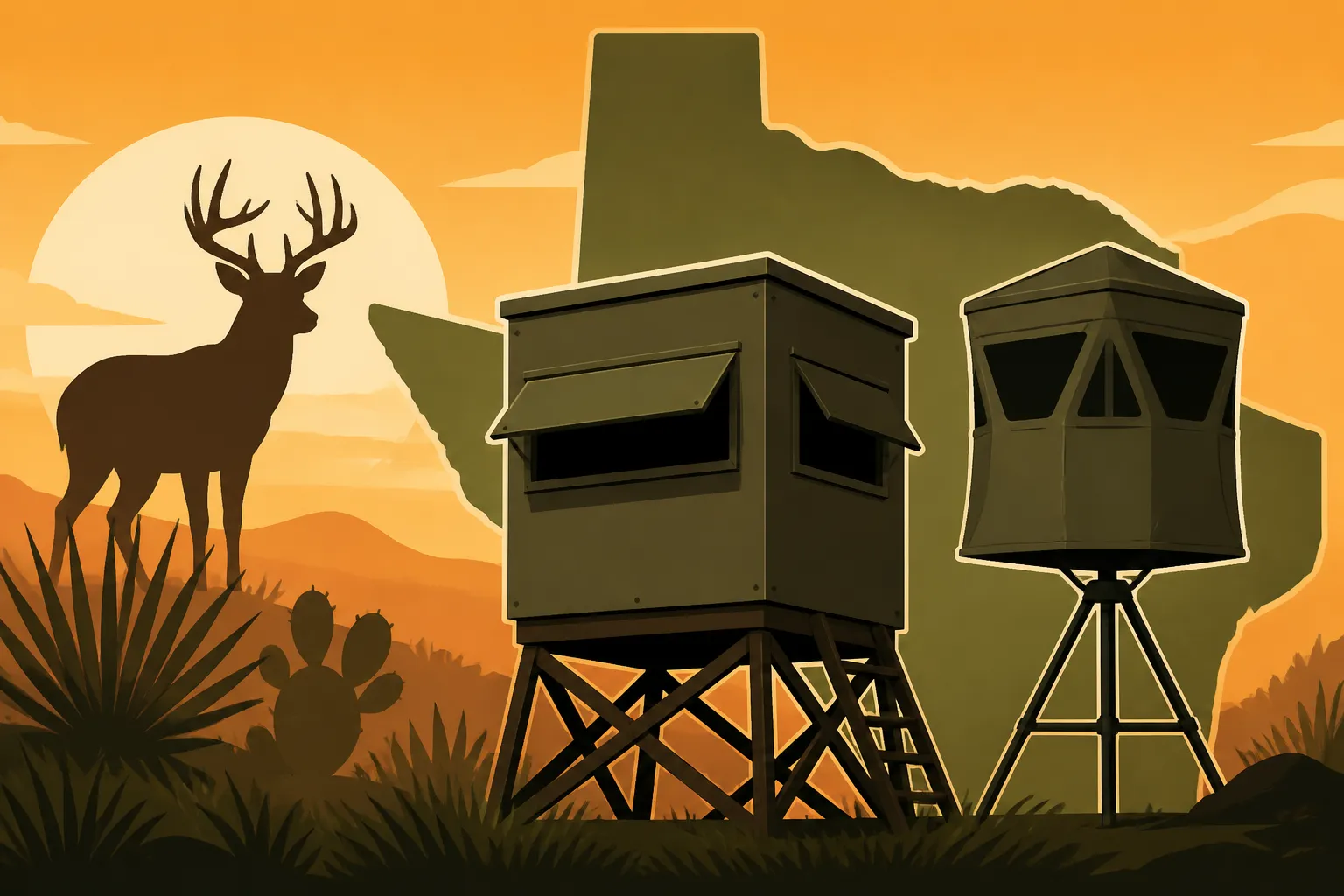
Hunting in Texas is an experience like no other, but let's be honest, it comes with its fair share of challenges. From the relentless sun beating down in September to the biting cold fronts that sweep through in December, or even just trying to get a clear, unobstructed shot at a wary buck without being detected, finding a truly comfortable and effective hunting position can feel like a constant battle. This comprehensive guide is dedicated to exploring the best box blinds and tripod blinds available for Texas hunters, diving deep into what makes them suitable for our unique environment, and helping you choose the perfect setup for your next successful hunt.
The Unsung Heroes of Texas Hunting: Why Blinds Matter More Than You Think
When you’re out in the Texas brush country or sitting patiently on a senderos, your blind isn't just a place to hide; it's your command center, your sanctuary, and often, the key to extending your time in the field. Many hunters underestimate the profound impact a well-chosen blind can have on their overall hunting success and enjoyment. It's more than just a place to sit; it's an investment in comfort, concealment, and strategic advantage.
Beyond Just Concealment: Comfort and Weather Protection
Let's face it, Texas weather can be brutal. Early season dove hunts might see temperatures soaring above 100 degrees, while late-season deer hunts in the Panhandle can dip well below freezing. Trying to sit still and focused for hours in extreme conditions is not only uncomfortable but can significantly detract from your hunt. A good blind, whether it's a sturdy box blind or an elevated tripod, offers crucial protection from these elements. Imagine being able to hunt through a sudden downpour, or stay warm and alert during a frosty morning, all while staying concealed. This comfort directly translates to longer, more productive sits and less fatigue, which means you're more likely to be ready when that trophy animal finally steps out.
Think about those long hours before sunrise, when the wind howls and chills you to the bone. A properly sealed box blind can make all the difference, cutting down on wind chill and offering a barrier against the elements. Similarly, during the stifling heat of archery season, a blind with good ventilation and shade can be a lifesaver, preventing heat exhaustion and allowing you to remain sharp. These aspects are often overlooked until you’re shivering uncontrollably or sweating through your gear, wishing you had invested in something more substantial.
Strategic Advantage: Elevated Views and Stability
Texas terrain, especially in areas like the Hill Country or South Texas brush, can be incredibly diverse. Sometimes you need to see over thick mesquite or prickly pear, and other times you need a stable platform for a long-range shot across an open field. This is where the strategic advantages of blinds truly shine. An elevated blind, particularly a well-placed tripod or a box blind on a sturdy tower, provides a commanding view of your hunting area, allowing you to spot game earlier and observe their patterns without being noticed.
This elevated perspective also helps with scent control. While no blind is 100% scent-proof, being elevated can carry your scent over the heads of approaching animals, giving you an extra edge, especially on those calm, windless mornings. Furthermore, the inherent stability of a well-constructed blind offers a rock-solid shooting platform, which is critical for making ethical and accurate shots, whether you're using a rifle, crossbow, or traditional bow. The ability to rest your weapon, settle your nerves, and execute a precise shot can make all the difference, especially when a buck steps out in a narrow shooting lane. You can learn more about how to make the most of these setups in our guide on Best Deer Feeder Setup for Texas.
Understanding Box Blinds: Your Portable Fortress in the Field
Box blinds are perhaps the most popular choice for Texas hunters, and for good reason. They offer a significant level of comfort, weather protection, and concealment that can greatly enhance your hunting experience. Think of a box blind not just as a shelter, but as your temporary home away from home in the wilderness.
Construction and Materials: What Makes a Good Box Blind
The longevity and performance of a box blind heavily depend on its construction and the materials used. Many top-tier box blinds, like those from Redneck Blinds or Shadow Hunter, are built to withstand the punishing Texas environment. They typically feature durable, weather-resistant materials such as heavy-duty rotationally molded plastic, insulated fiberglass, or marine-grade plywood treated for outdoor use.
A critical aspect is insulation. Many quality box blinds incorporate insulated walls, which are vital for regulating internal temperatures. In the scorching Texas summer, this insulation helps keep the interior cooler by blocking out radiant heat, similar to how an ice chest works. Conversely, during colder winter months, it helps retain warmth, making those chilly morning waits much more bearable. Look for blinds with solid, composite roofs that shed water effectively and prevent leaks, as well as sturdy, quiet windows that won't creak or rattle when opened or closed. Materials like tinted plexiglass or automotive-grade glass offer excellent visibility while minimizing glare and scent escape.
Size, Layout, and Features: Tailoring to Your Hunt Style
Box blinds come in a variety of sizes and configurations, from compact single-person setups to spacious multi-hunter models perfect for bringing along a youth hunter or a camera operator. When considering size, think about how many people will regularly hunt from it and what gear you typically bring. Will you be bowhunting, which requires more internal space and specific window orientations, or primarily rifle hunting?
Interior layout is also crucial. Good box blinds offer ample headroom, comfortable seating, and shelves or hooks for organizing gear. Some even come with carpeted floors to dampen sound. Windows are a key feature; look for silent, easy-to-operate windows that offer a wide field of view. Vertical windows are excellent for rifle hunters, while horizontal or taller windows are essential for bowhunters to get a clear shot at various angles. Many modern blinds now feature full-length vertical windows for archers, allowing for maximum flexibility. Access to the blind should also be easy and safe, with sturdy doors and secure latches that operate quietly.
Pros and Cons of Box Blinds
Like any piece of hunting gear, box blinds have their advantages and disadvantages.
Pros of Box Blinds:
- Superior Weather Protection: They offer the best defense against rain, wind, sun, and cold, allowing for extended comfortable hunts regardless of conditions. This is a huge plus when you're dealing with unpredictable Texas weather.
- Excellent Concealment: The enclosed nature of a box blind provides full concealment from keen-eyed game. You can move more freely, check your phone, or grab a snack without fear of being spotted.
- Comfort: With room for chairs, heaters, and gear, box blinds offer a level of comfort that's hard to beat, particularly during long sits. Many hunters even put small cots in them for quick naps on slow days.
- Scent Control: While not hermetically sealed, a well-built box blind helps contain human scent, especially when elevated, making it harder for game to pick up your presence.
- Stability for Shooting: The rigid structure provides a very stable platform for rested shots, increasing accuracy and confidence.
- Security: Most box blinds can be locked, protecting your gear from theft and vandalism, a common concern on hunting leases.
Cons of Box Blinds:
- Portability: They are generally heavy and cumbersome, making them difficult to move once placed. Relocating a box blind often requires heavy equipment like a tractor or truck.
- Cost: Quality box blinds represent a significant upfront investment compared to ground blinds or even some tripod setups.
- Limited Field of View: While windows offer good visibility, the enclosed nature means you don't have a true 360-degree view without moving your head from window to window, which can be a challenge when trying to spot game in thick cover.
- Visibility during Setup: Placing a new box blind can be a disruptive process, potentially alerting game in the area.
- Maintenance: Over time, seals might need replacing, and exterior surfaces may require cleaning or repainting to maintain their protective qualities.
Many hunters find the investment in a box blind, especially for dedicated hunting spots like those over a feeder, to be well worth it. You can explore more about different blind types in our comparison of Box Blind vs Tripod vs Ground Blind in Texas.
Embracing the View: The World of Tripod Blinds
Tripod blinds offer a different approach to elevated hunting, prioritizing portability, a wide field of view, and often, a more immediate connection to the outdoor environment. While they may not offer the same "fortress-like" feel as a box blind, their advantages make them incredibly popular for many Texas hunting scenarios.
Height, Stability, and Setup: Getting it Right
Tripod blinds, as the name suggests, utilize a three-legged base to elevate the hunter. Heights typically range from 10 to 20 feet, with 12-15 feet being a common sweet spot for optimal visibility while maintaining reasonable stability. The height you choose often depends on the surrounding terrain and the type of cover you need to see over. In dense South Texas brush, a taller tripod might be essential, whereas in more open Post Oak Savannah regions, a lower one could suffice.
Stability is paramount for any elevated stand. Look for models constructed from heavy-gauge steel tubing with wide, splayed legs for a solid footprint. Many tripod blinds include bracing systems and anchor points to secure them to the ground, especially important in windy Texas conditions. When setting up, it's crucial to ensure the ground is level or to properly shim the legs to prevent leaning. Many hunters will also add sandbags or tie-down straps to trees for extra security. Access ladders should be sturdy, securely attached, and feature handrails for safe climbing. Brands like Millenium Treestands or Big Game Treestands offer reliable tripod options known for their stability.
Portability and Adaptability for Diverse Terrain
One of the biggest selling points of tripod blinds is their relative portability compared to full box blinds. While still requiring some effort, most tripod blinds can be disassembled and moved by one or two people, making them ideal for hunters who like to adapt their setup based on game movement or changing conditions throughout the season. This adaptability is particularly useful if you're hunting a large lease where game patterns might shift from year to year, or if you want to pursue different species that frequent different types of terrain.
Imagine a situation where a new food plot comes in strong, or a particular area starts seeing increased hog activity. Being able to relatively quickly move your blind to capitalize on these changes can significantly increase your odds of success. They are also excellent for hunting over varied terrain, from the rolling hills of the Edwards Plateau to the relatively flat plains of the Panhandle. Their open design means they can be placed in sparse cover or right on the edge of a senderos for maximum visibility.
Pros and Cons of Tripod Blinds
Tripod blinds offer a distinct set of pros and cons that differentiate them from their box blind counterparts.
Pros of Tripod Blinds:
- Superior Field of View: The open design, often with a swivel seat, provides an unhindered 360-degree view, allowing you to scan for game in all directions without obstruction. This is invaluable in open country.
- Increased Portability: While not "backpackable," tripod blinds are much easier to move and reposition than box blinds, offering flexibility for dynamic hunting strategies.
- Quick Setup: A single person can often set up or take down a tripod blind in a relatively short amount of time, especially with practice.
- Cost-Effective: Generally, tripod blinds are less expensive than high-quality box blinds, making them an accessible elevated hunting option for many.
- Effective for Scent Control: Being elevated significantly helps lift your scent column above ground level, reducing the chances of deer or hogs smelling you.
- Natural Feel: The open air experience can make you feel more connected to nature, which many hunters prefer.
Cons of Tripod Blinds:
- Limited Weather Protection: They offer minimal protection from rain, wind, sun, or cold. You are fully exposed to the elements, which can make long hunts uncomfortable or impossible in harsh weather.
- Less Concealment: While elevated, the open design means you are more exposed to the keen eyes of game. Movement must be minimal and deliberate. Camouflage clothing is essential.
- Noise: Your movements and gear are more likely to create sound that can be carried on the wind.
- Less Comfortable: Seats are usually basic, and there's no room for extra gear, heaters, or much stretching.
- No Scent Containment: While elevated for dispersion, there's no physical barrier to contain human scent.
- Safety Concerns: Like all elevated stands, proper safety harness use is critical. Falls from tripod blinds can be severe.
For hunters who value an expansive view and the ability to move their setup, a tripod blind can be an excellent choice. Our guide on Best Tripod Blind for Deer Hunting offers more specific recommendations.
Key Considerations for Texas Conditions: Heat, Wind, and Critters
Hunting in Texas demands gear that can stand up to its unique environmental challenges. When choosing a blind, ignoring these factors can lead to an uncomfortable and ultimately unproductive experience. Texas isn't just hot; it's also prone to sudden, violent storms, prolonged droughts, and a thriving population of various critters looking for shelter.
Ventilation and Insulation: Battling the Texas Sun and Cold Fronts
The dramatic temperature swings in Texas mean your blind needs to be versatile. For box blinds, good ventilation is crucial during the early season and warmer days. Look for multiple windows that can be opened for cross-ventilation, and potentially vents higher up to allow heat to escape. Some premium blinds even incorporate small, silent fans. Conversely, proper insulation is non-negotiable for cooler months. Blinds with insulated walls, ceilings, and floors will retain warmth much better, making a small heater significantly more effective and reducing your overall fatigue.
For tripod blinds, ventilation is inherent due to their open design. However, this also means you need to dress appropriately for the weather. During hot spells, light, breathable clothing and a wide-brimmed hat are essential. In colder weather, layering is key, as you'll be fully exposed to the wind and temperatures. Consider adding a portable propane heater for extra warmth in tripod setups, though always with extreme caution and proper ventilation.
Durability and Weatherproofing: Standing Up to the Elements
A blind in Texas is constantly exposed to harsh UV rays, torrential downpours, high winds, and sometimes even hail. The materials must be robust. For box blinds, look for UV-stabilized plastics or fiberglass that won't degrade and become brittle in the sun. Seams should be tightly sealed, and windows designed to prevent leaks. Metal components, especially on the tower, should be galvanized or powder-coated to resist rust, which is a particular problem in humid areas or near the coast.
Tripod blinds, being more exposed, also need excellent weatherproofing. All metal parts should be rust-resistant, and seats should be made from weather-resistant mesh or plastic that won't hold water or degrade in the sun. Tie-down kits and robust anchoring systems are a must for preventing your blind from being toppled by sudden strong winds, especially during severe thunderstorms. Regularly inspect all components for wear and tear, and address any issues promptly.
Critter Control: Keeping Undesirables Out
Nothing ruins a quiet morning hunt faster than discovering a family of raccoons has taken up residence in your box blind, or finding a snake coiled up on your tripod seat. Texas has an abundance of wildlife, and many critters will see your blind as a prime piece of real estate.
For box blinds, this means ensuring all entry points are sealed. Close and latch windows tightly, and make sure the door fits snugly. Consider adding a small barrier or screen to any permanent vents. Some hunters even put mothballs or critter repellents inside the blind during the off-season. Regularly checking your blind for signs of entry (chewing, droppings) is important.
For tripod blinds, while less prone to rodent infestations, insects and snakes can still be an issue. Always check your seat and ladder before climbing. Spraying the legs with an insect repellent can help deter ants and spiders from climbing up. Regular visits to your blind, even outside of hunting season, can help prevent surprises. Keeping the area around the base clear of tall grass and debris also makes it less appealing for snakes and other ground-dwelling creatures looking for cover.
Installation and Maintenance: Setting Up for Success and Longevity
The performance and safety of your blind don't just depend on its quality; they also rely heavily on proper installation and consistent maintenance. Skimping on these steps can lead to a blind that's uncomfortable, unsafe, or simply ineffective.
Site Selection and Anchoring: Where and How to Place Your Blind
Choosing the right location for your blind is arguably as important as choosing the right blind itself. For deer hunting, consider prevailing wind direction, major travel corridors, food sources (like feeders or food plots), and water sources. Placing your blind with the sun at your back in the mornings and evenings can prevent glare and help with concealment. For hogs, placement near known wallows, trails, or nocturnal feeding areas is key. The GoHunt app, for example, can be an invaluable tool for analyzing terrain, identifying game trails, and understanding wind patterns, helping you pinpoint the absolute best spot. You can even use it to mark the optimal spot to place your Best Deer Feeder Setup for Texas.
Once you've picked your spot, anchoring is paramount, especially in Texas. Even seemingly heavy box blinds can be toppled by strong gusts. For box blinds, use heavy-duty ground anchors (like screw-in earth anchors or T-posts concreted in) and heavy-gauge cable or chain to secure the blind to the ground. If your box blind is on a tower, ensure the tower is level and all leg sections are securely bolted. For tripod blinds, again, screw-in anchors are your friend, as are ratchet straps to nearby trees if available. Always make sure the blind is level and stable before climbing in.
Year-Round Upkeep: Protecting Your Investment
Your blind is a significant investment, and regular maintenance will ensure it lasts for many seasons to come.
Annual Pre-Season Check:
- Inspect Structure: Check all bolts, welds, and connection points on both box and tripod blinds. Tighten any loose fasteners.
- Window and Door Seals: For box blinds, inspect window and door seals for cracks or gaps. Replace weatherstripping as needed to maintain scent and weather protection.
- Exterior Surfaces: Clean the exterior of box blinds. Repair any cracks or damage to plastic or fiberglass with appropriate repair kits. Reapply any UV protectant if recommended by the manufacturer.
- Ladders and Platforms: Ensure all ladder rungs and platform flooring are secure and free of rot or damage. Check for wasp nests or other critter signs.
- Anchoring System: Verify that ground anchors are still secure and that tie-down straps or chains are not frayed or rusted.
Post-Season Care:
- Clean Out: Remove all trash, food scraps, and gear from your blind to avoid attracting pests.
- Secure: Close and latch all windows and doors on box blinds. For tripod blinds, consider taking down seats or covering them to protect them from the elements.
- Critter Prevention: Place critter repellents inside box blinds, or consider setting traps for rodents during the off-season.
Safety First: Access, Stability, and Elevated Blind Precautions
Safety should always be your number one priority when hunting from an elevated blind.
- Harness Use: Always, always wear a full-body safety harness when climbing into or out of any elevated blind, and while hunting from it. This is non-negotiable. Tether yourself to the blind's structure once you are seated.
- Three Points of Contact: Maintain three points of contact (two hands, one foot; or one hand, two feet) when climbing the ladder of any blind.
- Check Condition: Before each hunt, quickly inspect your blind for any obvious signs of damage or instability. A quick glance can prevent a serious accident.
- Know Your Limits: Don't attempt to install or move a blind that is too heavy or cumbersome for you alone. Enlist help from friends or use proper equipment.
- Kids and Blinds: If hunting with children, ensure the blind is extra secure and they understand basic safety rules. A spacious box blind is generally safer for youth hunters than an open tripod.
Proper installation and diligent maintenance ensure your blind is a safe, effective, and long-lasting asset to your Texas hunting adventures. For more on getting set up, see our guide on How to Set Up a Box Blind Over a Feeder.
Choosing Your Ideal Blind: Matching to Your Hunting Style and Species
Selecting the perfect blind isn't a one-size-fits-all decision. Your personal hunting style, the species you're pursuing, and even the specific terrain you hunt on your Texas lease will heavily influence whether a box blind or a tripod blind is the better fit.
Deer Hunting: Optimal Placement and Visibility
For deer hunting, especially for trophy whitetails in the dense South Texas brush or the rolling Hill Country, concealment and comfort for long sits are often paramount. This makes box blinds a very strong contender. They allow you to stay warm, dry, and hidden, minimizing scent and movement. When you're trying to outwit a mature buck, being able to sit motionless for hours without getting stiff or cold can be the difference between success and failure. You'll want to place these blinds strategically along known travel routes, near water sources, or overlooking protein or corn feeders. Our article on Deer Hunting in Texas: Feeders, Blinds & Tactics delves deeper into placement strategies.
However, if you're hunting more open country or need to cover a vast area, a tripod blind can offer that crucial 360-degree visibility. Imagine glassing a distant draw for a mule deer in the Trans-Pecos or spotting a whitetail working a scrape line in a wide-open field. The ability to quickly scan your surroundings from an elevated position is invaluable. Hunters who enjoy still-hunting or spot-and-stalk often use portable tripod blinds as temporary setups when they've located a hot new area. The key is to match the blind's advantages to the specific demands of your deer hunting scenario.
Hog Hunting and Exotics: Versatility and Quick Deployment
Hog hunting in Texas is a year-round pursuit, and often requires a more dynamic approach. Feral hogs are notoriously intelligent and can be nocturnal, making nighttime setups common. For these situations, the versatility of both blind types can come into play. A sturdy box blind can be an excellent choice for hunting hogs over a feeder at night, providing a stable platform for thermal or night vision optics. It also contains your scent and allows for quieter movement when scanning with a monocular. The enclosed space can also offer protection from mosquitos and other nighttime pests. For more on this, check out Best Setup for Hunting Hogs Over a Feeder.
However, if you're targeting hogs that are constantly on the move, or pursuing exotics like Axis deer or Aoudad sheep across varied terrain, the portability of a tripod blind becomes a significant advantage. You might scout a new bedding area for Axis deer one day and want to be set up there the next morning. The ability to quickly relocate a tripod blind to a new hotspot is invaluable. For exotics, which can be found in diverse habitats from dense brush to rugged mountains, adaptability is key. A GoHunt subscription can be particularly useful here, providing detailed maps and public land access info to help you locate and plan for these fast-moving animals.
Bowhunting Considerations: Windows and Angles
Bowhunting from a blind presents its own unique set of challenges, primarily related to window size, placement, and shot angles.
For Box Blinds:
- Window Design: Bowhunters need large, vertical windows that allow for a full draw without hitting the window frame. Many modern box blinds, like those from Shadow Hunter, are specifically designed with bowhunters in mind, offering vertical shooting windows that stretch from near the floor to shoulder height.
- Interior Space: Enough room for a full draw, especially with longer axle-to-axle bows, is critical. You don't want your limbs hitting the walls or ceiling.
- Quiet Operation: Windows that open and close silently are non-negotiable. A creaking window can spook an animal instantly.
- Dark Interior: A dark interior helps conceal movement, but also consider dark fabric liners to prevent glare and reflections.
For Tripod Blinds:
- Open Shot Opportunity: The open nature of a tripod blind gives you an unobstructed shot in any direction, which is fantastic for bowhunting.
- Height and Angle: Ensure the height is suitable for your chosen shot distance, considering that shooting down at a steep angle can change your arrow's trajectory.
- Concealment: While open, choose a tripod with some form of skirting or camouflage netting to break up your outline, and always wear full camo.
Ultimately, the best blind for you is one that aligns with your specific hunting objectives, provides the necessary comfort and concealment, and can withstand the rigors of hunting in Texas. Thinking through these scenarios will lead you to a choice you won't regret.
Cost vs. Value: Investing in Your Hunting Experience
Deciding on a hunting blind often comes down to balancing the upfront cost with the long-term value and benefits it provides. Texas hunting gear can range wildly in price, and blinds are no exception. Understanding what you're paying for and where you can save is key to making a smart investment.
Entry-Level vs. Premium Blinds
Just like vehicles, hunting blinds have their entry-level models and their luxury counterparts.
Entry-Level Options:
- Price Point: Typically under $500 for a basic box blind, and under $300 for a simple tripod.
- Materials: Often made with thinner plastics, less insulation, or basic steel tubing.
- Features: More basic windows (sometimes plexiglass that can scratch easily), fewer creature comforts, simpler ladder systems.
- Durability: May require more frequent maintenance or replacement after a few seasons, especially if exposed to harsh Texas weather.
- Who it's for: New hunters, those on a tight budget, or hunters who only need a temporary setup for specific short-term hunts. These can be a good way to get started, but be prepared for potential compromises in comfort and longevity.
Premium Options:
- Price Point: Can range from $800 to $2,500+ for box blinds (excluding towers, which are often sold separately), and $400-$800 for high-end tripod blinds.
- Materials: Constructed from heavy-duty, UV-stabilized rotational molded plastics, insulated fiberglass, or robust powder-coated steel. Think brands like Redneck Blinds, Shadow Hunter, or T-Box Blinds.
- Features: Silent, automotive-grade glass windows, insulated walls and ceilings, spacious interiors, integrated shelving, carpeted floors, comfortable seating, and robust tower systems. Tripod blinds in this category feature heavy-duty steel, comfortable swivel seats, and excellent stability.
- Durability: Designed to last for many years, even decades, with minimal maintenance. They hold up exceptionally well to the Texas sun, wind, and rain.
- Who it's for: Serious hunters who spend a lot of time in the field, those looking for maximum comfort and concealment, or hunters investing in a permanent setup on a long-term lease. The long-term value often outweighs the initial higher cost.
When evaluating the cost, consider how many seasons you expect to use the blind, the comfort it will provide, and its contribution to your overall hunting success. Sometimes, paying a bit more upfront saves you money (and frustration) in the long run.
DIY vs. Pre-Built Options
The choice between building your own blind and buying a pre-built one is a classic dilemma for many Texas hunters.
DIY Blinds:
- Cost Savings: Often significantly cheaper than buying a pre-built box blind, especially if you have access to materials or reclaimed wood.
- Customization: You can design it exactly to your specifications, including window placement, size, and interior layout. This is particularly appealing for specific bowhunting setups or unique terrain features.
- Sense of Accomplishment: There's pride in hunting from something you built yourself.
- Time & Skill Investment: Requires significant time, woodworking skills, and access to tools. If you're not handy, this can quickly become frustrating or result in a less-than-optimal blind.
- Durability & Safety: The quality and safety depend entirely on your building skills and material choices. It can be challenging to achieve the same level of weatherproofing and structural integrity as a factory-built model.
- Examples: Many hunters build simple wooden box blinds, sometimes incorporating store-bought windows or using treated plywood.
Pre-Built Blinds:
- Convenience: Ready to assemble (or sometimes even ready to use), saving you valuable time.
- Guaranteed Quality & Safety: Manufactured to specific standards, offering consistent quality, weatherproofing, and structural integrity. Often come with warranties.
- Engineered Features: Designed with hunters in mind, incorporating features like silent windows, insulated walls, and ergonomic seating.
- Higher Cost: As mentioned, the convenience and engineered quality come at a higher price.
- Limited Customization: You're largely restricted to the manufacturer's designs and options.
- Examples: Brands like Redneck Blinds, Shadow Hunter, and Maverick Blinds are popular choices for pre-built box blinds in Texas.
Many hunters opt for a hybrid approach: buying a high-quality pre-built tower system for safety and stability, and then building a custom box blind to place on top. This can be a good way to balance cost, customization, and safety. The right choice truly depends on your budget, your skills, and how much time you're willing to invest outside of hunting.
| Feature | Box Blinds | Tripod Blinds |
|---|---|---|
| Primary Benefit | Maximum comfort, weather protection, concealment | Wide field of view, portability, quick setup |
| Weather Protection | Excellent (rain, wind, sun, cold) | Minimal (fully exposed) |
| Concealment | Excellent (full enclosure) | Minimal (relies on camo clothing) |
| Field of View | Limited (window-dependent) | Excellent (360-degree, unobstructed) |
| Portability | Low (heavy, often requires machinery to move) | Moderate (can be disassembled/relocated by 1-2 people) |
| Stability (Shot) | Excellent (solid platform) | Good (requires proper anchoring) |
| Scent Control | Good (enclosed, elevated) | Moderate (elevated for dispersion, but open) |
| Comfort | High (room for amenities, heaters) | Low (basic seat, exposed) |
| Cost Range | $300 – $2500+ (plus tower) | $150 – $800 |
| Ideal For | Long, quiet sits; adverse weather; multiple hunters; youth hunters; rifle/thermal hunting | Scouting new areas; dynamic hunting; bowhunting; open country; solo hunters |
Insider Tips for Enhancing Your Blind Setup
Even the best blind can be made even better with a few thoughtful additions and strategies. These insider tips can turn a good hunting experience into a truly great one, maximizing your comfort, concealment, and effectiveness in the field.
Interior Comforts and Organization
Making the inside of your box blind feel like a cozy, functional space can significantly improve your hunting experience.
- Comfortable Seating: Ditch the cheap plastic stool. Invest in a comfortable, swiveling office chair or a specially designed hunting chair with back support. Your back and posterior will thank you after hours of sitting.
- Sound Dampening: Line the interior walls and ceiling with indoor/outdoor carpet, foam insulation, or sound-deadening mats. This not only helps with temperature regulation but also mutes accidental bumps and scrapes, and absorbs sound, making it harder for game to hear you.
- Storage Solutions: Install small shelves, hooks, or a cargo net for organizing your gear. Keep binoculars, rangefinders, calls, snacks, and water within easy reach, but out of the way. This prevents rummaging around at a critical moment.
- Light Control: Use dark fabric or black poster board to cover any unused windows or to line the inside of the door. This creates a darker interior, making it harder for game to see your movement against the light outside.
- Heat Source: For colder weather, a small, vent-free propane heater (like those from Mr. Heater) can make a world of difference in a box blind. Always ensure proper ventilation and follow safety guidelines.
- Pad Everything: Add foam pads to window sills for resting your rifle or bow, and to prevent accidental noise from gear bumping against hard surfaces.
For tripod blinds, while space is limited, consider a comfortable, ergonomic swivel seat. Many hunters also attach small accessory bags to the blind frame to keep essential items like calls or a rangefinder handy.
Sound Dampening and Scent Control
These two elements are critical for outsmarting wary game, especially in Texas where animals are constantly pressured.
- Blind Skirting (for Tripods): While tripod blinds are open, adding camouflage netting or fabric skirting around the base and platform can help break up your outline and add a layer of visual concealment. Some hunters even use natural brush to further blend the blind into its surroundings.
- Door and Window Silence: For box blinds, regularly lubricate door hinges and window tracks with a silicone spray to ensure silent operation. Add felt or rubber bumpers where doors and windows meet the frame to prevent noisy clanking.
- Gear Silence: Ensure all your gear is silent. Tape jingling buckles, empty pockets of loose change, and use soft cases for optics.
- Scent Control Regiment: Even in an enclosed box blind, practice good scent control. Shower with scent-free soap, wash hunting clothes in scent-free detergent, and store them in sealed bags or containers. Use an ozone generator or scent wafers inside the blind if you prefer. Being elevated in both types of blinds helps with scent dispersion, but minimizing your natural odor is always a good practice.
- Carbon Filters: Some advanced box blinds feature vents designed to allow for the installation of carbon filters, further helping to reduce outgoing scent.
Accessorizing for Peak Performance
Modern accessories can greatly enhance your blind's functionality.
- Bow Hangers/Gun Rests: Install sturdy bow hangers inside a box blind to keep your bow ready and accessible. For rifles, use a quiet gun rest that allows for quick aiming.
- Cup Holders/Snack Trays: Simple additions can make long sits more comfortable.
- Lighting: A small, red-light headlamp or battery-powered LED strip light can be invaluable for organizing gear in the dark without spooking game or ruining your night vision.
- Camera Mounts: If you film your hunts, consider installing a camera arm mount to capture the action without compromising space or movement.
- Solar Chargers: For cellular trail cameras or other electronic devices, a small solar charger attached to the exterior of your box blind can keep batteries topped up, especially useful for long seasons on a remote lease.
- Anti-Vibration Pads: Place rubber or foam anti-vibration pads under the legs of your box blind tower or tripod to reduce ground transfer noise, which can be surprisingly effective.
- Ventilation Fans: Small, battery-operated fans can significantly improve comfort in a box blind during warm weather, helping to circulate air and reduce stuffiness.
By thoughtfully implementing these tips, you'll transform your hunting blind into a highly effective and enjoyable part of your Texas hunting setup. Remember, the goal is to create an environment where you can remain comfortable, concealed, and focused, increasing your chances of a memorable and successful hunt.
Disclaimer
Please note that hunting regulations, license requirements, and season dates are subject to change by the Texas Parks and Wildlife Department. Always consult the most current Texas Outdoor Annual or visit the TPWD website before engaging in any hunting activities. This guide is for informational purposes only and does not supersede official regulations. Stay safe and hunt responsibly.