Best Cooler for a Hunting Lease Camp
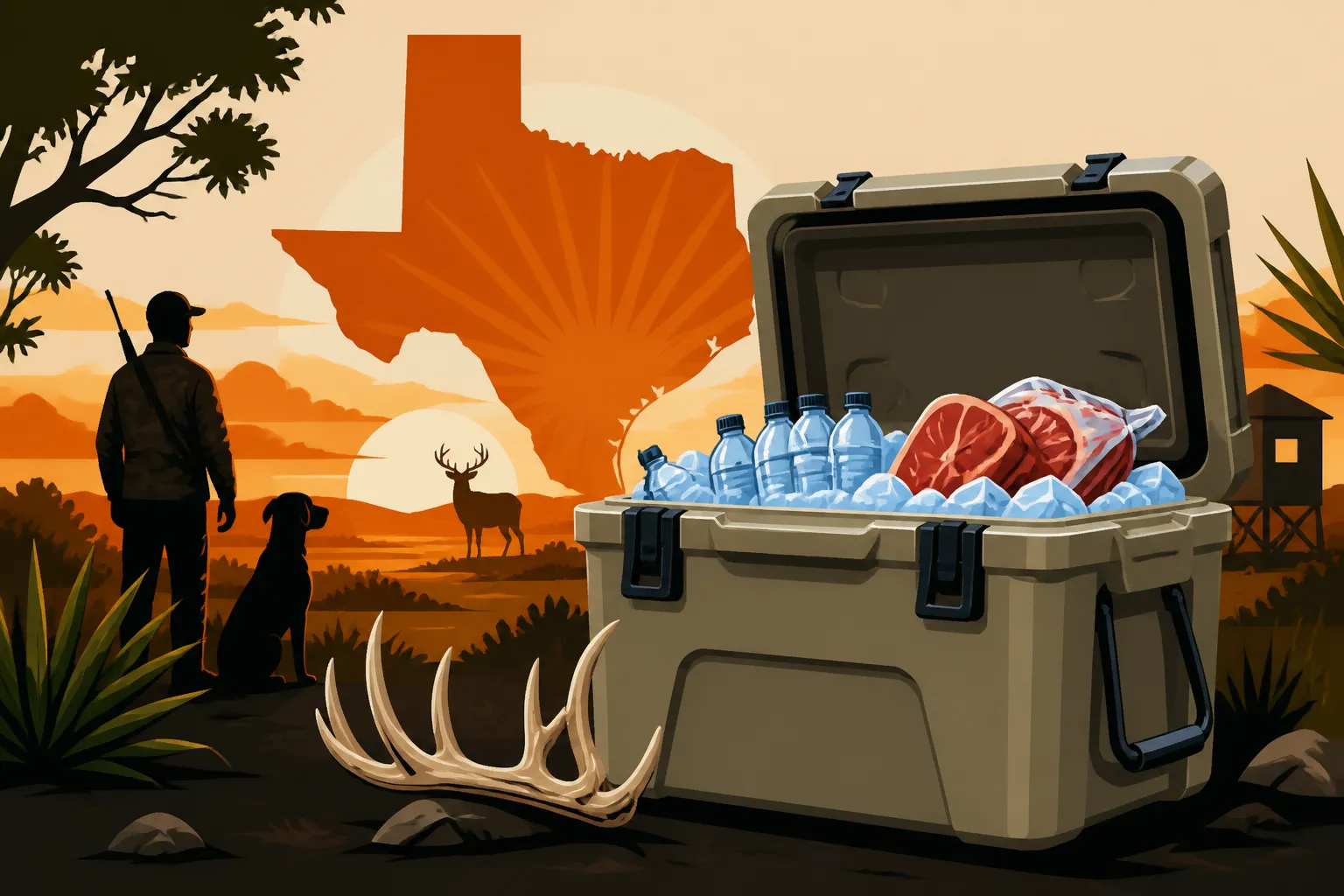
There's nothing quite like pulling up to your Texas hunting lease, the excitement buzzing in the air, only to open your cooler and find your drinks lukewarm, your snacks soggy, or worse yet, your harvested game meat starting to turn. We've all been there, and it's a frustrating, often costly, blow to what should be an epic hunting adventure. This guide is all about helping you pick the perfect cooler for your hunting camp, ensuring everything stays ice-cold, fresh, and ready for whatever the Texas wild throws your way.
Why a Great Cooler is Non-Negotiable for Your Texas Hunting Camp
Hunting in Texas means dealing with Texas temperatures, and let me tell you, those can be brutal. A subpar cooler isn't just an inconvenience; it can truly jeopardize your entire trip, from spoiling your food to risking the quality of your hard-earned harvest. Don't let a leaky, poorly insulated cooler ruin your time in the brush country or the Pineywoods.
Beating the Brutal Texas Heat
Anyone who’s spent a summer or even an early fall day out in the vast expanses of Texas knows that the heat is no joke. The sun relentlessly beats down, turning vehicle interiors into ovens and leaving anything exposed to the elements baking. Imagine driving hours to your hunting lease, only to discover that the ice you carefully packed this morning has already mostly melted. Your sodas are warm, your sandwiches are questionable, and that gourmet venison chili you prepped is definitely not going to last the weekend. This isn't just about comfort; it's about practical survival. When you're spending days, or even a full week, out at camp, you rely on your cooler to keep your provisions safe and palatable. The sheer frustration of reaching for a cold drink after a long, dusty morning in the stand, only to find lukewarm water, is enough to make anyone question their life choices.
Protecting Your Hard-Earned Harvest
Beyond keeping your grub and beverages cold, a high-performance cooler becomes absolutely critical the moment you've successfully harvested an animal. Texas regulations require proper care of game meat, and with our often-warm weather, getting that meat cooled down quickly and efficiently is paramount. From a massive whitetail buck taken in South Texas to a feral hog taken in the Cross Timbers, every minute counts. If you’ve spent countless hours scouting, preparing, and finally making that perfect shot, the last thing you want is for the meat to spoil because your cooler couldn't hold its temperature. You've gone through the effort of field dressing, which, let's be honest, is a chore in itself, especially when you're battling flies and the lingering heat of the day. Having a reliable cooler capable of keeping large quantities of ice, and thus, your meat, cold for several days is absolutely non-negotiable. This is where the real investment pays off, ensuring that your wild game makes it to the processor or your home freezer in prime condition, ready to become delicious meals. For more detailed insights on this crucial step, check out our guide on Field Dressing & Processing Game in Texas Heat.
Key Features to Look for in a Hunting Camp Cooler
Choosing the right cooler isn't just about picking the biggest or most expensive one. It's about understanding what features truly matter when you're roughing it out at a Texas hunting camp. There are several elements that combine to create a cooler capable of standing up to our unique challenges.
Ice Retention is King
When we talk about coolers for a Texas hunting camp, the first thing that should come to mind is ice retention. This isn't just a marketing gimmick; it's the core function you're paying for. A cooler that can hold ice for several days, even in scorching temperatures, means less running to town for more ice, fewer spoiled supplies, and ultimately, a more enjoyable hunt. Look for coolers with superior insulation. The thicker the walls and lid, generally, the better the insulation. Rotational molding (rotomolded) construction is a game-changer here, as it creates a single, seamless piece of plastic with consistent wall thickness, minimizing weak points where heat can seep in.
Beyond the thick insulation, pay close attention to the gasket around the lid. A high-quality, freezer-grade gasket creates an airtight seal, preventing cold air from escaping and warm air from entering. Coupled with robust latch systems – whether they're heavy-duty rubber T-latches or cam-action latches – this seal is what locks in the cold. Brands like Yeti, RTIC, and Orca have built their reputations on these features, consistently delivering impressive ice retention. When you're planning a trip to a remote lease, perhaps for a long weekend of Deer Hunting in Texas: Feeders, Blinds & Tactics, knowing your ice will last saves a huge headache. Even reputable outdoor gear reviewers like GoHunt often highlight ice retention as the single most important factor in their cooler reviews, providing detailed tests that showcase which models truly perform under pressure.
Durability and Construction
A hunting camp cooler isn't just sitting in your garage; it's going to be tossed in the back of a truck, dragged across rocky terrain, exposed to the elements, and likely used as an impromptu seat or cutting surface. This environment demands extreme durability. Look for coolers made from high-grade materials like LLDPE (Linear Low-Density Polyethylene), which is known for its impact resistance and ability to withstand harsh UV rays without cracking or fading.
Beyond the main body, scrutinize the hardware. Stainless steel hinges and latch pins are crucial as they resist rust and corrosion, unlike cheaper alternatives. Handles should be sturdy, often featuring marine-grade ropes or heavy-duty molded plastic, designed to comfortably carry heavy loads. Non-slip rubber feet are also a small but mighty feature, preventing your cooler from sliding around in the bed of your truck or across a wet camp floor. A cooler isn't just a container; it's a piece of essential gear that needs to endure the abuse of repeated trips to the field. If you're investing in a year-long Hunting Leases in Texas: Complete Guide (Cost & How to Find), you need a cooler that will last just as long, if not longer, than your commitment.
Size and Capacity Considerations
Choosing the right size cooler is a delicate balance. Too small, and you're constantly refilling or unable to store your game. Too large, and it's unwieldy, unnecessarily heavy, and takes up too much precious space in your vehicle. Your ideal cooler capacity will largely depend on the length of your trip, the number of people in your party, and whether you're using it solely for food and drinks or also for game meat.
For day hunts or solo weekend trips, a 20-35 quart cooler might suffice for personal provisions. But for a multi-day group hunt, say, targeting Feral Hog Hunting in Texas: Year-Round Guide or chasing doves during the Texas Dove Season 2026: Zones & Dates, you'll likely need something in the 45-75 quart range, or even larger if you plan on holding a whole deer or multiple hogs. Many seasoned Texas hunters opt for two coolers: a smaller one for daily food and drinks that gets opened frequently, and a larger, dedicated game cooler that stays sealed until harvest. Remember, packing space in your truck or trailer is always at a premium, especially when you factor in all your other gear like Best Deer Feeders for Texas (Spin, Gravity & Protein) and blinds. Consider the internal dimensions carefully, especially if you anticipate storing specific cuts of game or large blocks of ice.
Types of Coolers Best Suited for Texas Hunting Camps
The world of coolers has expanded dramatically over the past decade, moving far beyond your grandfather's old styrofoam box. Now, you have several excellent options, each with its own set of advantages and disadvantages, tailored for different hunting camp scenarios.
Roto-Molded Hard Coolers
When most Texas hunters think of a "good cooler" today, they're probably picturing a roto-molded hard cooler. These are the titans of ice retention and durability. The manufacturing process, where polyethylene powder is rotationally molded into a seamless, single-piece shell, results in incredibly thick walls and consistent insulation. This construction virtually eliminates weak spots and vastly improves ice retention compared to traditional injection-molded coolers.
Pros:
- Unrivaled Ice Retention: They excel at keeping ice frozen for days, sometimes even a week or more, depending on conditions and pre-chilling. This is paramount in the Texas heat.
- Extreme Durability: These coolers are built like tanks. They can withstand impacts, drops, being stood on, and generally anything the harsh hunting environment throws at them. Many are certified bear-resistant, which speaks volumes about their construction.
- Multi-Purpose Functionality: They often double as extra seating, a sturdy cutting surface, or even a step stool around camp.
Cons:
- Weight: All that insulation and heavy-duty construction makes them significantly heavier than other cooler types, even when empty.
- Price: They represent a significant investment, often costing several hundred dollars, sometimes more.
- Bulk: Their thick walls mean they take up more space relative to their internal capacity.
Examples: The market leader, Yeti Tundra, is synonymous with this category, but many other excellent brands offer similar performance at various price points, such as RTIC, Orca, and Grizzly. GoHunt, a great resource for hunters, frequently reviews and compares these top-tier roto-molded coolers, offering real-world performance data to help hunters make informed choices. These are often the go-to choice for long-term leases or situations where consistent, multi-day cold storage is crucial.
Powered Coolers 12V Refrigerators
For hunters looking for the ultimate convenience and temperature control, powered coolers, essentially portable 12V refrigerators or freezers, are a game-changer. These units don't use ice; instead, they have a built-in compressor and refrigeration system, much like your home fridge.
Pros:
- No Ice Needed: This is the biggest advantage. You don't have to worry about buying, transporting, or managing ice. This frees up significant space inside the unit and in your vehicle.
- Precise Temperature Control: You can set the exact temperature you want, from keeping drinks chilled to deep-freezing meat.
- Long-Term Storage: Perfect for extended trips or for keeping sensitive items like medications or specific food preps perfectly preserved.
Cons:
- Requires Power Source: They need a constant 12V DC power source (like your vehicle's auxiliary port, a portable power station, or a solar setup) or sometimes 110V AC. This means managing power consumption, especially on multi-day trips where your vehicle isn't always running. You might want to consider pairing it with something like the Best Solar Charger for Cellular Trail Cameras to keep your power station topped off.
- High Cost: These are typically the most expensive type of cooler, often costing well over $500, with larger units pushing past $1000.
- Weight & Bulk: While you save on ice weight, the units themselves are heavy and can be bulky, often larger than a comparable ice chest.
Examples: Dometic and ICECO are two of the most popular and highly-regarded brands in this category. They offer various sizes and features, from basic fridge-only models to units that can act as both a fridge and a freezer. These are especially popular with hunters who have dedicated camp setups, RVs, or those who travel long distances to their hunting grounds and need consistent refrigeration for their game or gourmet camp food.
High-Performance Soft Coolers
Soft coolers have come a long way from the flimsy lunch bags of yesteryear. Modern high-performance soft coolers offer surprisingly good insulation and durability, making them excellent companions for specific hunting camp needs.
Pros:
- Portability and Lightweight: They are significantly lighter and easier to carry than hard coolers, especially when empty. Some even come with backpack straps, making them ideal for carrying gear to a ground blind or a remote spot during a Spot-and-Stalk Hunting in Texas (Exotics & Mule Deer) excursion.
- Flexibility: Their soft-sided nature allows them to conform to irregular spaces in a vehicle or UTV.
- Good for Day Trips/Supplemental Use: While they won't hold ice for a week, many can keep contents cold for 24-48 hours, perfect for a day's worth of drinks and snacks or transporting specific items to and from camp.
Cons:
- Limited Ice Retention: Generally, they can't match the multi-day ice retention of a roto-molded hard cooler.
- Less Durable: While tough, their soft exterior is more susceptible to punctures or tears compared to rigid hard coolers.
- Smaller Capacity: They typically come in smaller sizes, making them less suitable for large game storage.
Examples: Yeti Hopper, RTIC Soft Pack, and Engel are popular brands known for their robust soft coolers. These are fantastic for keeping your lunch and drinks close at hand while you're out in the field, or for carrying freshly processed cuts of meat home from the processor. Think of them as excellent complements to your primary hard cooler, rather than replacements, especially if you're out chasing Mourning Dove Hunting Tactics for Texas for an afternoon.
Comparison of Cooler Types for Texas Hunting Camps
Here's a quick overview to help you weigh your options:
| Cooler Type | Primary Use | Ice Retention | Durability | Price Range | Key Advantage | Key Disadvantage |
|---|---|---|---|---|---|---|
| Roto-Molded Hard Cooler | Main food/drink, game storage, long trips | Excellent (3-10+ days) | Extreme | $$$ (200-600+) | Best ice retention & ruggedness | Heavy, bulky, expensive |
| Powered Cooler (12V) | Refrigeration/freezing, long trips, sensitive items | N/A (no ice needed) | High | $$$$ (500-1500+) | No ice needed, precise temp control | Requires power, very expensive |
| High-Performance Soft Cooler | Day trips, supplemental, portability | Good (1-2 days) | Moderate-High | $$ (100-300+) | Lightweight, portable, flexible | Less ice retention, smaller capacity |
Practical Tips for Maximizing Cooler Performance in Texas
Having the best cooler money can buy is only half the battle. To truly get the most out of your cooler in the relentless Texas heat, you need to employ some smart strategies. These small efforts can make a huge difference in ice longevity and food safety.
Pre-Chilling and Ice Management
This is perhaps the single most overlooked step, but it’s absolutely critical for extending your ice life. Before you even think about putting your actual provisions or game in, you need to pre-chill your cooler. A warm cooler, especially one that's been sitting in a hot garage, will immediately melt a significant portion of your fresh ice just by bringing its internal temperature down.
Here’s how to do it:
- Start Early: At least 12-24 hours before your trip, load your empty cooler with a sacrificial bag of ice. Cheap cubed ice from the gas station works fine for this. Close the lid and let it sit.
- Drain and Reload: Just before packing for your hunt, drain any melted water from the pre-chilling ice. Your cooler's interior should now be nice and cold.
- Choose Your Ice Wisely: For maximum ice retention, use a combination of block ice and cubed ice. Block ice melts slower, providing a long-lasting cold foundation. Cubed ice, with its greater surface area, quickly chills contents. Dry ice is another option for extreme cold or freezing, but it requires careful handling (don't touch it directly!) and proper ventilation. Remember, for optimal performance, you want an ice-to-contents ratio of roughly 2:1. More ice means longer lasting cold.
Strategic Packing and Placement
How you pack your cooler and where you keep it at camp can significantly impact how long your ice lasts. It’s all about minimizing heat transfer and keeping things organized.
Packing Smart:
- Layering: Put block ice at the bottom, then items you want coldest and opened least (like raw meat or game). Layer cubed ice, then less sensitive items, then more ice.
- Fill 'Er Up: A full cooler performs better than a half-empty one. If you have extra space, fill it with additional ice, frozen water bottles (which you can drink later!), or even crumpled newspaper for insulation.
- Organize: Use plastic bins or even Ziploc bags to keep items separated and dry, especially food, from melting ice water. This makes finding things easier and prevents unnecessary opening of the cooler.
Placement is Key:
- Out of Direct Sunlight: This is a no-brainer in Texas. Keep your cooler in the shade as much as possible – under a tarp, inside a vehicle, or even beneath a tree. Direct sun will drastically reduce ice life.
- Elevate It: Get your cooler off the hot ground or truck bed. Even a few inches can make a difference. Use a pallet, a thick piece of wood, or a specialized cooler stand.
- Minimize Opening: Every time you open the lid, cold air escapes, and warm air rushes in. Try to consolidate your trips to the cooler and know exactly what you’re grabbing. If you have a dedicated cooler for drinks, use that one more frequently than your game cooler. These strategies are particularly important when you're trying to quickly cool a deer after a successful hunt. For more tips on this, see our article on How to Cool a Deer Fast in Texas Heat.
Maintenance and Longevity
Your high-performance cooler is an investment, and like any good piece of gear, it needs proper care to last. Neglecting it can lead to unpleasant odors, mold, and even degradation of components.
Cleaning is Crucial:
- After Every Trip: As soon as you get home, empty your cooler, especially if it contained game meat. A simple wash with warm water and a mild soap (dish soap works great) is usually sufficient.
- Tough Odors: For stubborn smells, a solution of baking soda and water (or even a little bleach diluted in water) can do wonders. Let it sit for a while, then scrub and rinse thoroughly.
- Air Dry Completely: This is the most important step to prevent mold and mildew. Leave the lid open, or slightly ajar, in a well-ventilated area until the interior is bone dry before storing it.
Proper Storage:
- Cool, Dry Place: Store your cooler in a cool, dry place out of direct sunlight. The garage or a shed is fine, as long as it's not exposed to extreme temperature fluctuations.
- Lid Ajar: Always store your cooler with the lid slightly ajar or propped open. This allows for air circulation and prevents moisture from getting trapped, which can lead to foul odors and mold growth over time. Keeping your cooler well-maintained ensures it's always ready for your next adventure, whether it's for a spring turkey hunt or the excitement of Texas Hunting Seasons: Complete Calendar by Species. After all, a reliable cooler is a cornerstone of any successful Texas hunting camp.
Disclaimer
Please note that hunting regulations, license requirements, and best practices can change. Always consult the latest Texas Parks and Wildlife Department (TPWD) Outdoor Annual or website before heading out on your hunt to ensure compliance with all current laws and regulations. This guide is for informational purposes only and should not replace official sources.