Best Game Cart for Hauling Deer & Hogs
Dragging a trophy buck or a massive feral hog out of the Texas brush can feel like an impossible task, especially when you're deep in rugged terrain, miles from your truck, and the heat is bearing down. The sheer exhaustion can turn a successful hunt into a grueling physical challenge that makes you question your life choices. This guide is here to alleviate that burden, diving deep into the world of game carts, exploring the best options for Texas hunters, and showing you how to pick the perfect workhorse to make your haul outs significantly easier and less back-breaking.
Why a Game Cart is Essential for Texas Hunters
Let's face it, hunting in Texas is an adventure, but it's rarely a walk in the park. The vast landscapes, from the dense South Texas brush country to the rocky Hill Country and the unforgiving Trans-Pecos, present unique challenges. One of the biggest hurdles, once you've successfully harvested an animal, is getting it back to camp or your vehicle. This is where a reliable game cart moves from a luxury to an absolute necessity.
The Physical Toll of Manual Hauling
Imagine finally dropping that impressive whitetail buck you've been patterning all season, maybe after employing some strategic Rut Hunting Tactics: Rattling & Grunting in Texas . The adrenaline is pumping, you're full of excitement, but then reality sets in. That deer, easily 150-200 pounds, needs to move. Trying to drag it by yourself, especially through thick mesquite or over uneven ground, is a recipe for exhaustion, strained muscles, and potentially ruining the meat if you can't cool it quickly. The heat is often a factor here in Texas, and every minute counts when you're trying to figure out How to Cool a Deer Fast in Texas Heat. Without a game cart, you're often left with no choice but to grunt and strain, slowly inching your prize across the landscape, or worse, having to make multiple trips to quarter it out in the field, which isn't always ideal.
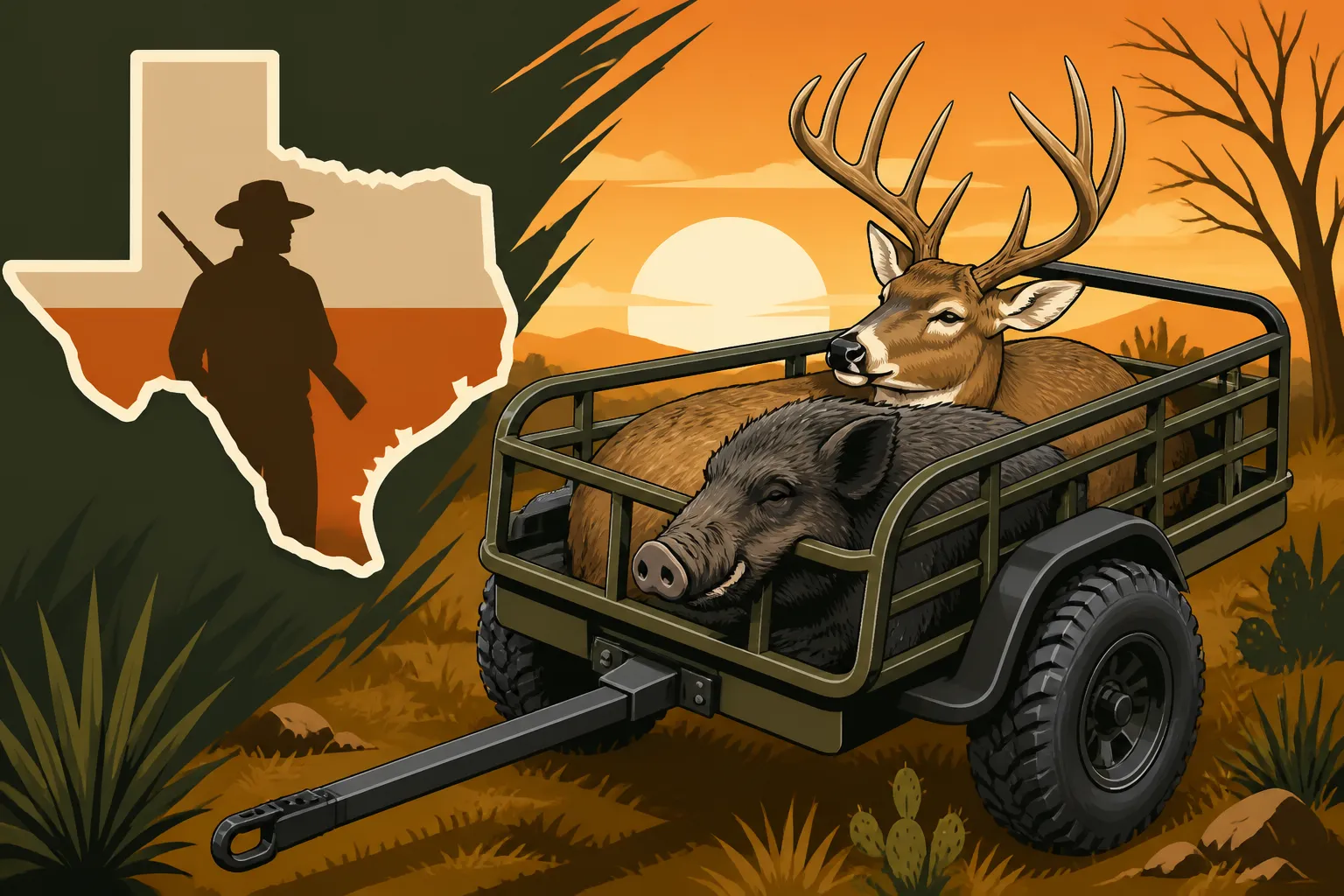
Beyond deer, consider the challenge of a large feral hog. These animals can reach incredible weights, some well over 200 pounds, and their stocky build makes them incredibly difficult to maneuver. A game cart fundamentally changes this equation, transforming a two-person, hour-long struggle into a manageable one-person task that takes a fraction of the time and effort. It saves your back, your energy, and helps preserve the quality of your harvest by getting it out of the field faster.
Protecting Your Harvest and Preventing Spoilage
Texas heat is no joke, and it poses a significant threat to freshly harvested game. The longer an animal stays in the field, especially unskinned and un-gutted, the faster bacteria can grow and spoil the meat. This is particularly true for animals like deer and hogs, which have dense muscle mass that retains heat. A game cart allows for a much quicker extraction, minimizing the time your animal is exposed to ambient temperatures. This rapid transport is critical for getting your game to a processing station or cooler as fast as possible.
Think about it: a 1.5-mile drag through 90-degree South Texas sun can take a significant toll on the meat. With a game cart, that same distance might be covered in 20-30 minutes of brisk walking, especially if you're quartering the animal first. This faster transport not only helps maintain meat quality but also reduces the risk of attracting scavengers or insects. Investing in a good game cart is investing in the quality and safety of your hard-earned venison or pork.
Key Features to Look for in a Texas Game Cart
Choosing the right game cart isn't just about picking the first one you see. Texas hunting conditions demand specific features to ensure durability, maneuverability, and overall effectiveness. You're going to want something that can handle the abuse, the varied terrain, and the sheer weight of a mature animal.
Wheel Type and Size
The wheels are arguably the most critical component of any game cart. Small, plastic wheels are fine for paved trails, but they simply won't cut it in the Texas wild. You need robust, large-diameter wheels with good tread.
- Pneumatic (Air-Filled) Tires: These are generally the best choice for rough, uneven terrain. They offer superior shock absorption, making the ride smoother for both you and your game, and they handle obstacles like rocks, roots, and sand much better. Look for tires with aggressive tread patterns, similar to mountain bike tires, for maximum grip. The downside is they can go flat, so carrying a small repair kit or sealant can be a good idea. Brands like Muddy Outdoors or Hawk make carts with excellent pneumatic tires.
- Solid Rubber/Foam-Filled Tires: These offer the advantage of being puncture-proof, eliminating the worry of flats. However, they are typically heavier and offer less shock absorption, resulting in a bumpier ride. While durable, they might not perform as well in extremely rocky or sandy conditions as their pneumatic counterparts. They can be a good compromise for areas with moderate terrain and a lot of thorns or sharp objects.
- Wheel Size: Generally, bigger is better. Wheels with a diameter of 16-20 inches provide better ground clearance and roll over obstacles more easily. Smaller wheels tend to get stuck in ruts or between rocks, forcing you to lift the cart, which defeats the purpose.
Frame Construction and Material
The frame is the backbone of your game cart, so its construction and material are paramount to its carrying capacity and longevity. You need a frame that can withstand significant weight and rough handling without bending or breaking.
- Steel vs. Aluminum: Steel frames are incredibly strong and durable, capable of handling hundreds of pounds. The trade-off is weight; steel carts can be quite heavy, which might be a concern if you have to carry the cart a long distance before your hunt. Aluminum frames are significantly lighter, making them easier to pack in and out. While still strong, they typically have a lower weight capacity than their steel counterparts. For most Texas deer and hogs, a well-designed aluminum frame from a reputable brand like GoHunt or Hawk will suffice, but if you're routinely targeting massive hogs or mule deer, a robust steel frame might be worth the extra heft.
- Welded vs. Bolted Joints: Welded joints generally offer superior strength and rigidity compared to bolted connections, which can loosen over time with vibration and stress. A fully welded frame is usually a sign of higher quality and durability. If you opt for a bolted frame, ensure the hardware is heavy-duty and consider checking and tightening it periodically.
- Folding Design: Many game carts are designed to fold flat for easy storage and transport in your truck bed or ATV. This is a huge convenience. Check the locking mechanisms to ensure they are secure when the cart is deployed and easy to operate when folding it down.
Weight Capacity and Dimensions
Don't underestimate the weight of a harvested animal. A mature whitetail buck can easily weigh 150-200 pounds, and a large boar hog can top 250-300 pounds. Your game cart needs to be rated to handle these weights comfortably, with a little extra buffer for gear.
- Weight Rating: Look for carts rated for at least 250-300 pounds for general deer and hog hunting. If you're consistently after larger animals or plan to haul multiple smaller ones, consider a 500-pound capacity or more. Overloading a cart can lead to frame damage, bent axles, or wheel failure, leaving you stranded.
- Bed Dimensions: The platform or bed of the cart needs to be large enough to accommodate your typical harvest without excessive overhang. Measure the average length and width of the deer or hogs you expect to harvest. A cart that is too small will make securing the animal difficult and can throw off the balance. Consider carts with adjustable sides or robust tie-down points to secure your game effectively. A good starting point for a deer or medium hog is a bed roughly 40-50 inches long and 18-24 inches wide.
Types of Game Carts and Their Best Use Cases
Just like there are different hunting methods for various game, there are different game carts designed for specific hauling needs and terrains. Understanding these distinctions will help you choose the best fit for your Texas hunting style.
Two-Wheeled Carts
The most common and versatile type of game cart, two-wheeled carts are designed for balance and maneuverability. They typically feature a single axle with two large wheels, and a sturdy frame or bed where the animal rests.
- Pros: Excellent for navigating dense brush and wooded areas, as they are narrower than four-wheeled options. They distribute weight effectively when balanced, making them easier to pull or push. Many models fold flat for convenient storage and transport. They are generally lighter than four-wheeled carts, making them easier to pack in. Their simpler design often means fewer points of failure.
- Cons: Require more upper body strength and balance from the user, especially with heavy loads or on uneven terrain. A poorly balanced load can make the cart tip or become difficult to steer. Not ideal for extremely heavy loads (e.g., very large exotics like a Nilgai) or very long distances over consistently rough terrain unless the user is strong.
- Best Use Cases in Texas: Ideal for whitetail deer hunting in the thick South Texas brush, Hill Country, or East Texas pine forests. Perfect for hauling average-sized feral hogs. They shine on trails, senderos, and moderately rough off-trail sections. For example, if you're doing a Spot-and-Stalk Hunting in Texas (Exotics & Mule Deer) hunt, you might not want to pack a huge, heavy cart in, so a lightweight two-wheeled option is ideal for getting that Axis deer out.
Four-Wheeled Wagons/Carts
These carts resemble small utility wagons, often with two axles or a single pivoting front axle for steering. They are designed for stability and larger, heavier loads.
- Pros: Superior stability, especially with heavy or awkwardly shaped loads. They require less active balancing from the user, making them less physically demanding over longer distances or with very heavy animals. Can often carry more weight and bulk than two-wheeled carts. Great for minimizing impacts on rough terrain because the weight is spread over four points.
- Cons: Less maneuverable in tight spaces, dense brush, or thick timber due to their wider stance. Generally heavier and bulkier, making them harder to transport to the hunting area and less suitable for packing deep into remote spots. Their turning radius can be larger.
- Best Use Cases in Texas: Excellent for use on well-established ranch roads, senderos, open pastures, or in areas where you can get an ATV relatively close but still need to cover some ground without driving. If you're hunting in the Panhandle for Mule Deer Hunting Tactics for Texas on flatter, more open terrain, a four-wheeled cart could be a great asset. They are also fantastic for hauling multiple smaller animals (like several feral hogs) or very large game where stability is key, such as after a successful Nilgai Hunting in South Texas trip where the animal can weigh 500 pounds or more.
ATV/UTV Hitch Carts
While technically not a game cart per se, these are trailers designed to hitch to an ATV or UTV. They offer the ultimate in hauling capacity and ease of transport over longer distances or very challenging terrain.
- Pros: Can handle enormous weights and bulk, easily transporting multiple large animals, gear, or even feed for your feeders. Requires minimal physical effort once hitched. Excellent for covering long distances on ranch roads or designated trails.
- Cons: Requires an ATV or UTV, which isn't always feasible or allowed on all leases or public lands. Less maneuverable in extremely tight spots or dense brush compared to hand-pulled carts. Can be quite expensive.
- Best Use Cases in Texas: Perfect for large ranches with extensive road systems, lease properties where ATVs are permitted, or when setting up and servicing Best Deer Feeder Setup for Texas. If you're running a bigger operation or regularly harvesting very heavy animals, and have the vehicle to support it, this is the way to go. It's also fantastic for hauling out multiple hogs after a night hunt with thermal.
Top Game Cart Recommendations for Texas Hunters
When it comes to picking a game cart that can stand up to the rigors of Texas hunting, you want reliable performance and durability. Many brands have proven themselves in the field, offering features that cater specifically to the demands of our diverse terrain.
Key Brands and Their Offerings
Several manufacturers consistently produce high-quality game carts that Texas hunters trust. Here's a look at some popular and well-regarded options:
- Rage Powersports: Often seen in various sporting goods stores and online, Rage Powersports offers a range of game carts that balance affordability with decent performance. Their models typically feature steel frames and pneumatic tires. While they might not be the absolute lightest, they offer good weight capacity and are a solid entry-level to mid-range option for hunters who need a dependable cart without breaking the bank. Their larger models often have a 500-pound capacity, which is excellent for most Texas game.
- Hunter's Specialties: Known for a variety of hunting accessories, Hunter's Specialties also produces game carts. Their carts are generally robust, featuring sturdy construction and good-sized wheels, making them suitable for mixed terrain. They often incorporate thoughtful design elements for securing game and ease of use.
- GoHunt: While primarily known as a comprehensive planning and information platform for Western big game hunting, the principles of durability and functionality that GoHunt promotes in its gear reviews and recommendations extend to general hunting accessories. While GoHunt itself doesn't manufacture carts, their ethos of quality and performance is what you should seek in a game cart. They often feature or review high-end gear that aligns with these demanding standards. You can often find reviews and discussions on GoHunt about the best gear for various hunting scenarios, including transport, which indirectly guides hunters toward reliable options.
- Muddy Outdoors: This brand is well-respected in the hunting community for its tree stands and blinds, but they also produce excellent game carts. Muddy Outdoors carts often feature heavy-duty steel construction, large pneumatic wheels, and intelligent designs that make folding and unfolding easy. They are built to last and handle tough conditions, making them a top contender for serious Texas hunters.
- Hawk: Similar to Muddy Outdoors, Hawk is known for durable treestands and hunting accessories. Their game carts are built with the same commitment to ruggedness, featuring strong frames and reliable wheels. They often incorporate smart design elements for secure hauling and easy maneuverability in the field.
Feature Comparison Table for Popular Game Carts
To help you visualize the differences and make an informed decision, here's a comparison of some common features you'll find across popular game cart models suitable for Texas hunting.
| Feature / Model Type | Two-Wheeled Basic | Two-Wheeled Heavy Duty | Four-Wheeled Wagon |
|---|---|---|---|
| Frame Material | Steel (often lighter gauge) | Heavy-gauge Steel or Aluminum | Heavy-gauge Steel |
| Weight Capacity | 200-300 lbs | 300-500 lbs | 500+ lbs |
| Wheel Type | Pneumatic (16-18") | Pneumatic (18-20") | Pneumatic (16-18") |
| Foldable | Yes | Yes | Some |
| Cart Weight | 25-40 lbs | 35-55 lbs | 50-70+ lbs |
| Maneuverability | High | High-Moderate | Moderate-Low |
| Terrain Suitability | Moderate brush, trails | Heavy brush, rocky, sandy | Open fields, roads |
| Average Price | $80 – $150 | $150 – $250 | $200 – $400 |
| Best For | Avg. deer/hogs, shorter hauls | Large deer/hogs, rougher terrain | Multiple animals, open terrain, stability |
When looking at the options, remember that the "best" cart is the one that fits your specific hunting style, the type of game you pursue, and the terrain you frequent. For example, if you're regularly heading into areas like the Chaparral WMA, known for its dense South Texas brush, a highly maneuverable, heavy-duty two-wheeled cart with excellent pneumatic tires will serve you better than a bulky four-wheeled wagon.
Maximizing Your Game Cart's Efficiency in the Field
Having a great game cart is only half the battle; knowing how to use it effectively can make all the difference between an easy extraction and a frustrating one. There are techniques and considerations that can significantly improve your experience.
Proper Loading and Balance
The way you load your game onto the cart is crucial for ease of transport and preventing tip-overs. A well-balanced load will feel much lighter and be far more stable.
- Center the Weight: Always try to position the heaviest part of the animal (typically the mid-section) directly over the axle. This minimizes the weight on the handles and prevents the cart from wanting to tip forward or backward. If you have to field dress the animal, as outlined in Field Dressing & Processing Game in Texas Heat, removing the entrails will reduce the weight significantly and make balancing easier.
- Secure the Load: Use heavy-duty straps, bungee cords, or rope to secure the animal firmly to the cart's frame. You don't want the animal shifting around as you navigate uneven terrain. Many carts come with integrated tie-down points; use them. A loose load can quickly become unstable and lead to the cart overturning, forcing you to reload in a difficult spot.
- Head First or Feet First?: Generally, loading the animal headfirst with its chest over the axle works well for deer. For hogs, it often depends on their size and shape. Experiment with what feels most stable. If the terrain is sloped, consider how the animal's weight will naturally shift and load it to counteract that.
Navigating Challenging Terrain
Texas terrain can be incredibly diverse and challenging. Whether you're dealing with thick brush, rocky hills, or soft sandy creek beds, adapting your technique is key.
- Brush and Trees: For dense brush, a narrower two-wheeled cart is usually preferred. Try to find the path of least resistance. If you encounter extremely thick sections, you might need to lift the cart over obstacles or have a hunting partner help clear a path. For areas like the Pineywoods, where dense undergrowth is common, pushing rather than pulling might offer better control.
- Hills and Slopes: On inclines, it's often easier to pull the cart from the front, using your body weight to leverage it uphill. On declines, turn the cart around and pull it from behind, allowing the cart's weight to be controlled by gravity rather than pushing against it. This prevents the cart from running away from you. Having a rope attached to the front (when pulling from the back) can provide extra control.
- Sand and Mud: Large, wide pneumatic tires with aggressive tread are your best friend here. In soft sand, a steady, continuous pace is better than stop-and-go. If the cart bogs down, try wiggling it side-to-side to break suction or get some momentum. For muddy sections, sometimes it's best to lighten the load if possible or find an alternative route, as getting stuck can be a real battle.
When to Quarter Your Game
Sometimes, even the best game cart isn't enough for the terrain or the size of the animal. This is when quartering your game in the field becomes a viable, and often necessary, strategy.
- Reduces Weight and Bulk: Quartering an animal involves breaking it down into manageable sections (usually the four quarters, backstraps, and tenderloins). This significantly reduces the individual weight of each piece and makes it much easier to load onto a cart, even a smaller one. It also makes the overall package less bulky and easier to secure.
- Faster Cooling: Quartering the animal immediately allows for much faster cooling of the meat, especially crucial in Texas heat. Removing the hide and exposing the muscle to air drastically drops the internal temperature, preserving quality. This aligns perfectly with the goal of preventing spoilage.
- Easier in Extreme Terrain: If you're hunting in particularly rugged areas, like the Black Gap WMA for mule deer, or very remote spots, even a good game cart might struggle with a whole animal. Quartering allows you to make multiple, lighter trips or pack out the meat in specialized game bags, then use the cart for the heaviest bone-in sections. Knowing How to Field Dress a Deer in Hot Weather is a critical skill here. Always carry a sharp knife and game bags for this contingency.
Maintenance and Storage for Longevity
A game cart is an investment that, with proper care, can last you many hunting seasons. Neglecting maintenance can lead to premature wear, rust, and unexpected failures in the field when you need it most.
Post-Hunt Cleaning and Inspection
The moment you get your cart back to camp or home, don't just toss it in the shed. A little immediate attention goes a long way.
- Thorough Cleaning: Remove any blood, dirt, mud, or debris from the frame, wheels, and axles. A hose and a stiff brush, perhaps with some mild soap, work wonders. Blood is corrosive and can attract insects or leave stains if not cleaned promptly. Pay special attention to the wheel hubs and any moving parts.
- Inspect for Damage: After cleaning, take a close look at the entire cart. Check the frame for any bends, cracks, or loose welds. Inspect the tires for punctures, excessive wear, or dry rot. Examine the axle for any signs of bending or damage. Check all nuts, bolts, and pins to ensure they are tight and secure. Address any issues before your next hunt. This routine inspection is also a good time to ensure your Best Cooler for Texas Hunting (Yeti & Alternatives) is ready for the meat.
Tire Care and Inflation
Tires are the most common point of failure on game carts, especially pneumatic ones. Regular care will extend their life and prevent flats.
- Proper Inflation: Always maintain the recommended tire pressure, which is usually stamped on the sidewall of the tire. Under-inflated tires increase rolling resistance, make the cart harder to pull, and are more prone to punctures and rim damage. Over-inflated tires can reduce traction and make the ride unnecessarily stiff.
- Puncture Prevention: Consider adding a tire sealant, like Slime, to your pneumatic tires. This can automatically seal small punctures from thorns and sharp objects, which are abundant in many parts of Texas. You can also look into thorn-resistant inner tubes if your cart uses them. Carry a small hand pump or CO2 inflator and a basic patch kit in your hunting pack, just in case.
- Storage: When storing the cart for extended periods, try to keep the tires off the ground if possible, or rotate them periodically to prevent flat spots. Protect them from direct sunlight, which can cause rubber to degrade and crack over time.
Rust Prevention and Lubrication
Steel frames, especially, are susceptible to rust, particularly in humid climates or if they're exposed to moisture from blood or rain. Proper lubrication ensures moving parts operate smoothly.
- Rust Protection: If your cart has a steel frame, consider applying a protective coating or wax periodically, especially to any areas where the paint might have chipped. If rust spots appear, clean them thoroughly and treat them with a rust-inhibiting primer before repainting. Store the cart in a dry place, ideally indoors or under a shed, to protect it from the elements.
- Lubrication: Periodically lubricate the wheel bearings and any folding mechanisms with a waterproof grease or silicone spray. This prevents seizing, reduces friction, and keeps everything moving smoothly. If your wheels have Zerk fittings, use a grease gun to apply fresh grease. Clean any excess lubricant to prevent dirt and debris from accumulating.
By taking these proactive steps, your game cart will be ready to tackle whatever the Texas hunting season throws at it, ensuring that your hard-earned harvest makes it home safely and efficiently. The time saved and the effort spared are well worth the small investment in maintenance.
Disclaimer
Please note that hunting regulations and best practices can change. Always consult the most current Texas Parks and Wildlife Department (TPWD) Outdoor Annual for the latest information on seasons, bag limits, and legal requirements before heading into the field. This guide provides general advice and should not replace official regulations or professional instruction.