Best Tree Stand for Texas Hunting
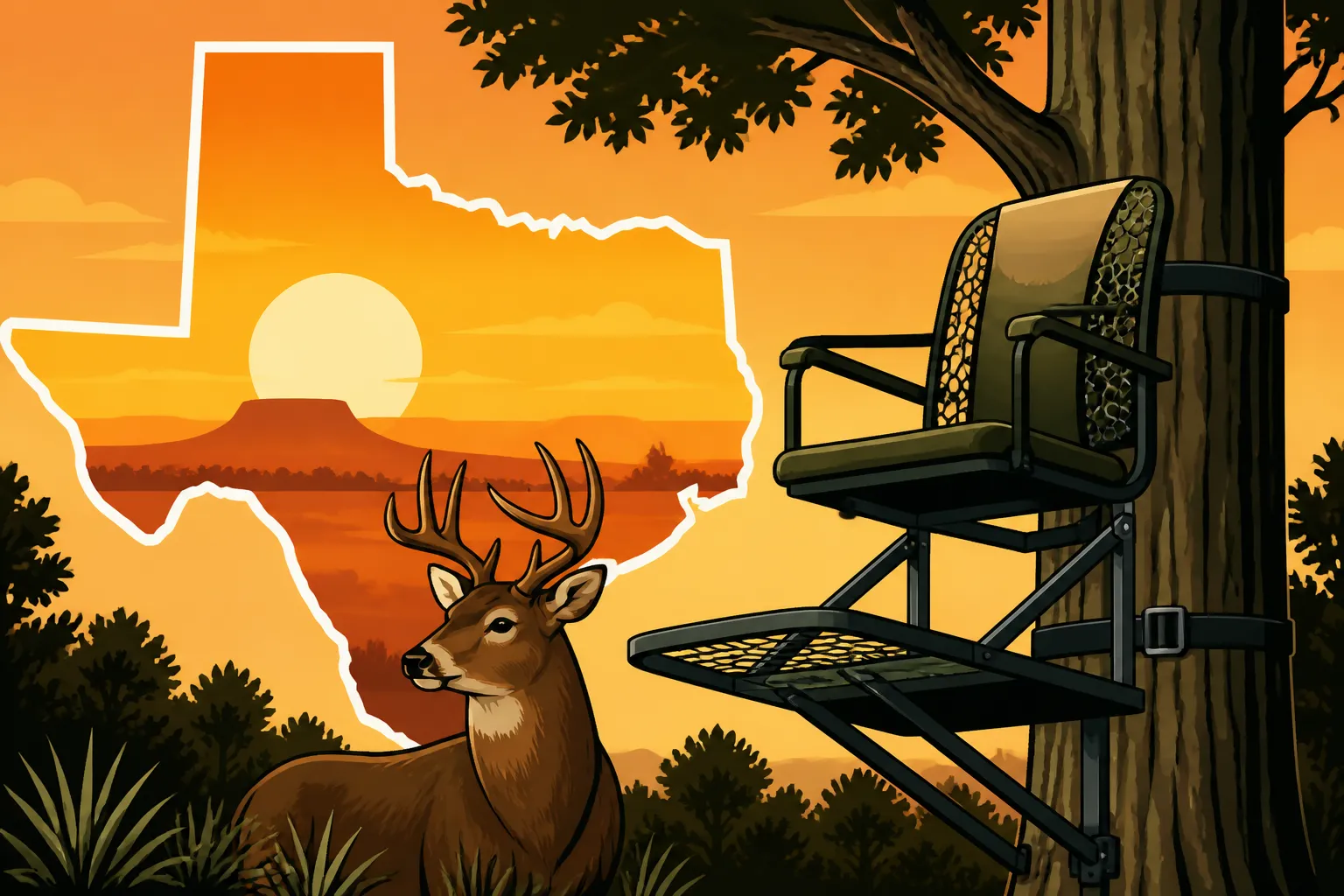
Choosing the right tree stand for hunting in Texas can feel like a daunting task. Our vast and varied landscape, from the dense South Texas brush to the rolling hills of the Edwards Plateau and the towering pines of East Texas, presents unique challenges that a one-size-fits-all solution simply won't cut it. This comprehensive guide is here to help you navigate the myriad of options and considerations, ensuring you select the best tree stand to elevate your hunting success and comfort in the Lone Star State.
Understanding Texas Hunting Environments and Their Impact on Tree Stand Choice
Texas isn't just one big hunting zone; it's a tapestry of diverse ecosystems, each demanding a thoughtful approach to gear selection, especially when it comes to tree stands. What works perfectly in a mesquite flat might be utterly useless in a dense East Texas bottomland. Understanding these nuances is the first step to making an informed decision that will genuinely enhance your hunting experience.
South Texas Brush Country Challenges
Ah, South Texas. The land of giant whitetails and even bigger thorns! Hunting here often means navigating incredibly thick brush, characterized by dense mesquite, huisache, blackbrush, and prickly pear. The trees, when you find suitable ones, might not be towering oaks but rather stout, multi-trunked mesquites or thorny huisache trees that don't offer much in the way of straight, clean trunks for traditional climbing stands. Visibility can be extremely limited, making height a significant advantage, but getting a bulky stand through the thicket is a workout in itself. The ground can also be rocky or uneven, complicating ground blind setups.
In this environment, portability and a smaller footprint for your stand are paramount. You'll likely be carrying your stand a fair distance through dense cover, so lightweight options are a huge plus. Furthermore, the heat in South Texas can be brutal, even during early deer season. You'll want a stand that offers enough room to shift positions and stay comfortable for long sits, minimizing fatigue that can lead to missed opportunities. The ability to quickly relocate if the deer patterns change in the vast brush is also a major benefit.
Hill Country Terrain and Vegetation
Move slightly north and west, and you find yourself in the beautiful, rugged Texas Hill Country. This region, known for its limestone hills, spring-fed rivers, and diverse oak species (live oak, post oak, Spanish oak), presents a different set of challenges and opportunities. While not as thick as the South Texas brush, the Hill Country still has plenty of cedar (juniper) breaks and rocky terrain. Trees here tend to be shorter, gnarled live oaks or post oaks with irregular trunks, which can make attaching certain types of stands tricky. Flat, level ground for a stable ladder stand can be harder to find.
The topography itself plays a huge role. Steep inclines and rocky outcrops mean you'll be doing more climbing, often with your gear. A stand that's easy to pack in and out, or one that can be securely anchored to an uneven tree, becomes crucial. The relatively open nature of some Hill Country areas also means that blending into the natural contours of the land is important for concealment. You're less likely to find perfect, straight pines to shimmy up, so adaptability in your stand choice is key. This is a region where hunters often use a combination of methods, from strategically placed ground blinds to various tree stands, depending on the specific micro-habitat. If you're hunting in the Hill Country, you'll want to read up on Hill Country Deer Hunting in Texas to get a full picture.
East Texas Pineywoods Considerations
Journey to the eastern side of the state, and the landscape transforms into the lush, often swampy, Pineywoods region. Here, you'll find towering loblolly and longleaf pines, hardwoods like sweetgum and oak, and dense undergrowth. The trees are often straighter and taller, providing excellent cover and elevation for various stand types. However, the ground can be soft, muddy, or even submerged in certain areas, especially after heavy rains. Humidity is generally higher, and mosquitoes and other insects are a more constant nuisance.
The taller, straighter trees make climbing stands and taller ladder stands very effective here, allowing hunters to get above the undergrowth for clearer shots. However, the soft ground can make setting up a stable ladder stand challenging without proper precautions. Portability is still important, especially for those venturing deep into public lands like the Sam Houston National Forest. A stand that allows for silent ascent and descent is crucial, as the dense forest amplifies sound. The humidity also means you need durable, weather-resistant materials that won't rust or degrade quickly.
Types of Tree Stands Best Suited for Texas
With Texas' varied terrain in mind, let's dive into the different types of tree stands and how they stack up for hunting in the Lone Star State. Each has its pros and cons, and the "best" one often depends on your specific hunting style, location, and the species you're pursuing.
Ladder Stands for Stability and Comfort
Ladder stands are arguably the most popular choice for deer hunting in Texas, and for good reason. They offer incredible stability, ample platform space, and generally more comfort for long hours in the stand. They consist of a seat, a platform, and a ladder section that leans against the tree, secured with straps and braces. Most are single-person, but two-person models are also available, perfect for mentoring a new hunter or a youth hunter.
The biggest advantages of ladder stands in Texas are their comfort and stability. Imagine sitting for six hours during the peak of the rut, waiting for that South Texas Trophy Whitetail: Brush Country Bucks. A roomy seat and a solid platform make a huge difference in your ability to stay focused and still. Brands like Millennium Stands are renowned for their comfortable seats, often resembling a hammock or sling design, which is a lifesaver on those all-day hunts. They are ideal for established hunting spots, especially over feeders or food plots, where you plan to spend a lot of time. However, their size and weight make them less portable. Once a ladder stand is up, it generally stays there for the season, if not longer. This means careful planning for placement is critical. You'll want to deploy them in areas with relatively flat ground to ensure maximum stability and ease of setup.
Hang-On Stands for Versatility and Portability
Hang-on stands, also known as fixed-position stands, offer a fantastic blend of versatility and portability, making them a strong contender for various Texas hunting scenarios. These stands are comprised of a platform and a seat that you "hang" on a tree using chains or straps. Unlike ladder stands, they don't have an integrated ladder; instead, you use climbing sticks or screw-in steps to ascend the tree.
Their main strength lies in their adaptability. If you're a scout-and-hunt type, constantly patterning deer and moving with their activity, a hang-on stand is your friend. They are much lighter and more compact than ladder stands, allowing for easier transport through dense brush or up steep inclines. This portability means you can quickly adjust your setup based on new intel from your trail cameras or fresh sign. For example, if you're chasing that elusive buck whose pattern changed due to a late season cold front, you can pack up your hang-on and climbing sticks and set up in a new location quickly. Many hunters find a hang-on stand coupled with a set of climbing sticks to be a superior option to a ground blind or tripod, especially when targeting mature bucks that often avoid ground-level setups. The major drawback, however, is the need for separate climbing aids and often less inherent comfort than a ladder stand, though many modern hang-ons have significantly improved in this area.
Climbing Stands for Mobile Hunters
For the truly mobile hunter who likes to "run and gun" or adapt to changing conditions on a dime, climbing stands are an excellent choice. These stands are designed for trees with straight, limb-free trunks and allow the hunter to "climb" the tree by alternating sections of the stand. They consist of two sections: one for your feet/platform and one for your seat. By pushing down with your feet and then pulling up with your arms, you can ascend and descend the tree.
Climbing stands excel in areas with suitable trees, particularly the tall, straight pines of East Texas or even some of the straighter oaks in the Post Oak Savannah. They require no additional climbing aids (like sticks or steps) and are generally very lightweight and compact for transport. This makes them ideal for public land hunting where you can't leave stands out, or for extensive scouting missions where you want to quickly get up a tree for an aerial view. Many hunters use mapping tools like GoHunt to scout potential areas, mark suitable trees, and then bring in their climbing stand for a quick setup. The freedom to pick any suitable tree on the fly and get up to a desirable height is a huge advantage. However, they are limited to specific tree types (straight, limbless trunks) and can be physically demanding to use. Comfort can also be a trade-off, as they typically have simpler seats and platforms than ladder or hang-on stands.
Key Features to Look for in a Texas Tree Stand
Beyond the basic type, a good tree stand for Texas hunting needs specific features to stand up to our unique environment and enhance your hunting experience. Don't skimp on these details; they make all the difference between a frustrating hunt and a successful, comfortable one.
Comfort and Durability in Harsh Conditions
Texas weather is notoriously unpredictable. One day it's 85 degrees and humid, the next a blue norther drops it to 30. Your tree stand needs to be built to endure these extremes. Look for stands constructed from robust materials like heavy-gauge steel or lightweight aluminum. Steel offers superior strength and often a lower price point, but aluminum shines in terms of portability and rust resistance, which is a major plus in humid areas like the Texas Coast or the Pineywoods. Ensure all hardware is rust-resistant, too.
Comfort is non-negotiable for long sits. A stand that’s painful after an hour will inevitably lead to fidgeting, shortened hunts, and missed opportunities. Look for features like padded seats and backrests, adjustable seats for different sitting positions, and roomy platforms that allow you to stretch your legs without feeling cramped. Many modern stands feature mesh or sling-style seats that are much more comfortable and breathable than traditional foam cushions, especially in the Texas heat. Consider the overall dimensions of the platform as well – a larger platform provides more room to maneuver, stand, and get a stable shot, which is particularly important if you're bowhunting or if you're subject to Texas Antler Restrictions: The 13-Inch Rule Explained and need more time to evaluate.
Safety Features and Stability
Safety should always be your number one priority when hunting from a tree stand. Falls are the leading cause of serious injury among hunters. Always, and I mean always, use a full-body harness that comes with your stand, and make sure it's properly fitted and attached to the tree from the moment your feet leave the ground until they return. A quality stand will have robust attachment systems, whether it's heavy-duty ratchet straps for ladder stands or secure cabling/chain systems for hang-ons and climbers.
Stability means the stand feels solid and secure once it's installed. For ladder stands, look for wide bases and multiple points of contact with the tree, plus sturdy attachment straps. For hang-ons, a design that minimizes wobble and allows for tight, secure strapping is essential. Many feature leveling systems to ensure the platform is flat even on uneven trees. When choosing a stand, verify its weight rating and ensure it comfortably exceeds your body weight plus any gear you'll be taking up with you. Don't forget to inspect your stand annually for any signs of wear, rust, or damage, especially after it’s been exposed to the elements for an entire season. Regular maintenance is key to long-term safety.
Portability and Ease of Setup
The ability to transport and set up your stand efficiently can greatly impact your hunting strategy, especially if you're not hunting from a permanent blind. For hunters who like to scout and move, or those on day leases where stands can't be left overnight, portability is a huge factor. Lightweight aluminum stands are a game-changer here, as every pound counts when you're hiking through dense brush. Consider designs that fold flat or collapse into a manageable package, often with built-in backpack straps for comfortable carrying.
Ease of setup ties directly into portability. A stand that takes an hour to assemble or attach is going to deter you from moving it, even if conditions warrant a change. Look for designs with intuitive attachment mechanisms, clear instructions, and minimal loose parts. For climbing stands, how easily the two sections nest together for transport and how smoothly they climb the tree are important. For hang-ons, the speed and security of the strap or chain system are key. Some innovative designs, like those from Lone Wolf Custom Gear, prioritize lightweight construction and rapid, silent setup, which can be invaluable when you're trying to slip into a hot spot undetected. A stand that's easy to set up quietly means less disturbance to the wildlife in your hunting area, increasing your chances of success.
Strategic Placement and Setup Tips for Texas Hunting
Even the best tree stand in the world won't do you much good if it's not placed correctly. Texas hunting often requires a strategic mind, taking into account everything from wind direction to animal travel routes. Getting your stand "just right" is an art form that comes with practice, but some foundational principles can set you up for success.
Scouting and Location Selection
Before you even think about hauling a stand into the field, you need to scout. Thorough scouting is the bedrock of successful tree stand hunting, especially in Texas. Start by identifying key deer (or hog, or turkey) travel corridors, feeding areas, bedding areas, and water sources. Look for fresh sign: tracks, rubs, scrapes, and droppings. Use mapping apps like GoHunt or onX Hunt to mark these locations and analyze terrain features, property lines, and potential access routes. For detailed strategies, check out How to Scout for Deer Before Season in Texas.
Once you've identified a promising area, look for suitable trees. You'll need a tree that offers adequate cover, is structurally sound, and allows for a clear shooting lane in the direction you expect game to appear. Consider the sun's position throughout the day to avoid being silhouetted or having the sun in your eyes during prime hunting hours. Think about the prevailing wind direction; you always want to be downwind of where you expect game to approach. A common mistake is picking a great tree but neglecting the wind, leading to quickly busted hunts. Having multiple stand locations for different wind directions can be a game-changer over a season.
Blending In with the Environment
Texas game animals, especially mature bucks, are incredibly wary. Your tree stand, no matter how good, will stick out like a sore thumb if you don't take steps to blend it into the natural environment. First and foremost, choose a stand color that matches the typical tree bark in your area – earth tones, browns, and greens are generally best. Camouflage netting or natural foliage can be used to break up the outline of your stand, but be careful not to create too much bulk that could impede your shot.
Beyond the stand itself, your personal concealment is paramount. Wear appropriate camouflage for the season and terrain, considering options like Best Early-Season Camo for Texas Heat for those warm September and October hunts. Avoid shiny objects, exposed skin, or bright colors. When setting up, trim only the absolute minimum amount of branches needed for clear shooting lanes, and make sure these lanes cover all likely approach angles. Do this well in advance of the season if possible, to allow deer to habituate to the changes. Pay attention to your ascent and descent path – can you get in and out of your stand without being detected? Consider how your silhouette will look against the sky; sometimes a little background cover behind you can make a huge difference.
Access and Exit Routes
Often overlooked, your access and exit routes to and from your stand are just as critical as the stand's placement. An ideal route should minimize disturbance to the hunting area, keep you concealed, and allow for quiet movement. Avoid walking through bedding or feeding areas. Instead, use natural cover like creek beds, fence lines, or dense thickets to approach your stand undetected. Many successful hunters use the darkest hours before dawn or after dusk to slip in and out.
Think about the prevailing wind again. Your entry and exit should ideally be done with the wind in your face or crosswind, especially as you get closer to your setup. For hang-on and climbing stands, this often means choosing a path that takes advantage of terrain features or dense cover. For ladder stands, consider having a discreet, brushed-in path that leads directly to the ladder. The goal is to be a ghost in the woods. Disturbing game on your way to or from your stand can educate them to your presence and negate all the hard work you put into scouting and stand placement. Always practice your routes before the season, especially in the dark, so you're familiar with every step and can move confidently and silently.
Maintenance and Off-Season Storage for Longevity
Investing in a good tree stand for Texas hunting is a commitment, and like any valuable piece of hunting gear, it requires proper care to ensure its longevity and, more importantly, your safety. Neglecting maintenance can lead to unexpected failures, potential accidents, and the need for costly replacements.
Pre-Season Inspections and Repairs
Before the season kicks off, or even before you haul your stand out to the lease, give it a thorough once-over. This isn't just a suggestion; it's a critical safety measure. Start by inspecting all welds and structural components for cracks, bends, or signs of fatigue. Check all bolts, nuts, and screws for tightness, replacing any that are missing or corroded. Ratchet straps, cam buckles, cables, and chains should be inspected for fraying, cuts, rust, or excessive wear. If a strap looks questionable, replace it immediately; these are cheap compared to a trip to the emergency room.
Pay close attention to the platform and seat. Are there any sharp edges or protruding bits that could snag clothing or create noise? Are the seat and backrest still providing adequate comfort and support, or are they degraded by sun and weather? If your stand has any moving parts, like hinges or leveling mechanisms, ensure they operate smoothly and quietly. Lubricate them with a non-scented, weather-resistant lubricant if needed. This pre-season check-up is also a great time to refresh any camouflage paint or apply a protective coating to metal components, especially if you hunt in areas with high humidity or frequent rain, like the Pineywoods. Many hunters use this time to attach any additional accessories, such as bow holders or gear hooks, ensuring they are secure and silent.
Proper Storage Techniques
When the season winds down and it's time to put your stand away, proper storage is paramount to protecting your investment. Leaving stands exposed to the harsh Texas elements year-round can drastically shorten their lifespan. While some hunters leave ladder stands up year-round on private leases, even these benefit from covering and periodic checks. Ideally, all types of tree stands should be removed from the field and stored in a dry, cool place out of direct sunlight. A shed, garage, or even a covered porch works well.
Before storing, thoroughly clean your stand. Remove any mud, dirt, leaves, or insect nests. A simple rinse and wipe-down will do. Allow it to air dry completely to prevent rust or mildew. For hang-on and climbing stands, disassemble them if possible, and store all components together in a labeled tote or bag to prevent losing parts. Store your full-body harness separately, away from rodents or anything that could compromise its integrity. If you have custom cushions or fabric seats, remove and clean them, storing them indoors where they won't be subject to temperature fluctuations or pests. Proper storage not only extends the life of your stand but also ensures it's in top condition and ready for action when the next season rolls around.
Adhering to Manufacturer Guidelines
It might sound obvious, but always, always, follow the manufacturer's instructions for assembly, installation, use, and maintenance of your tree stand. These guidelines are there for a reason: your safety and the stand's performance. Don't try to modify your stand with aftermarket parts unless explicitly approved by the manufacturer. Using a stand in a way it wasn't designed for can not only be dangerous but can also void any warranty.
Pay attention to weight limits, tree diameter restrictions, and recommended setup procedures. For instance, some stands are only designed for trees of a certain minimum or maximum diameter. Ignoring this could lead to an unstable setup. The instructions will also typically detail the proper way to use the full-body harness provided, which is crucial. If you're unsure about any aspect of your stand's use, reach out to the manufacturer for clarification. Remember, a tree stand is a piece of safety equipment as much as it is a hunting tool. Respecting its design limitations and maintenance requirements is non-negotiable for a safe and successful hunt.
Comparing Popular Tree Stand Types for Texas Hunting
To help you visualize the trade-offs, here's a quick comparison of the main tree stand types in the context of Texas hunting:
| Feature/Stand Type | Ladder Stand | Hang-On Stand | Climbing Stand |
|---|---|---|---|
| Primary Use | Permanent spots, comfort | Versatile, mobile, specific spots | Highly mobile, public land |
| Texas Terrain Fit | Flat ground, diverse trees (good for food plots, feeders) | Varied trees, dense brush, uneven terrain | Straight, limbless trees (East Texas pines) |
| Comfort Level | High (large platform, padded seats) | Medium (can vary, less roomy than ladder) | Lower (simpler seat, more effort to use) |
| Portability | Low (heavy, bulky, difficult to move) | Medium (lighter, compact with sticks) | High (self-contained, lightest options) |
| Setup Time | Medium-Long (can be 2-person job) | Medium (requires separate climbing sticks) | Medium (practice makes perfect) |
| Tree Requirements | Stable against trunk, relatively straight | Strong limb for hanging, some trunk curvature okay | Straight, limbless trunk (6-20 inches diameter) |
| Key Advantage | Stability, all-day comfort | Adaptability, quiet setup, good for scouting | Ultimate mobility, no extra gear to climb |
| Key Disadvantage | Heavy, not portable, ground-level entry | Requires climbing sticks, can be less comfortable | Limited to specific tree types, physically demanding |
Disclaimer
Hunting is an inherently dangerous activity. Always prioritize safety, understand and follow all local and state hunting regulations, and use appropriate gear. The information provided in this guide is for informational purposes only and should not replace professional instruction or personal judgment. Always inspect your equipment thoroughly before each use and never hunt alone.