Best Trail Camera for Cold Weather & Heat
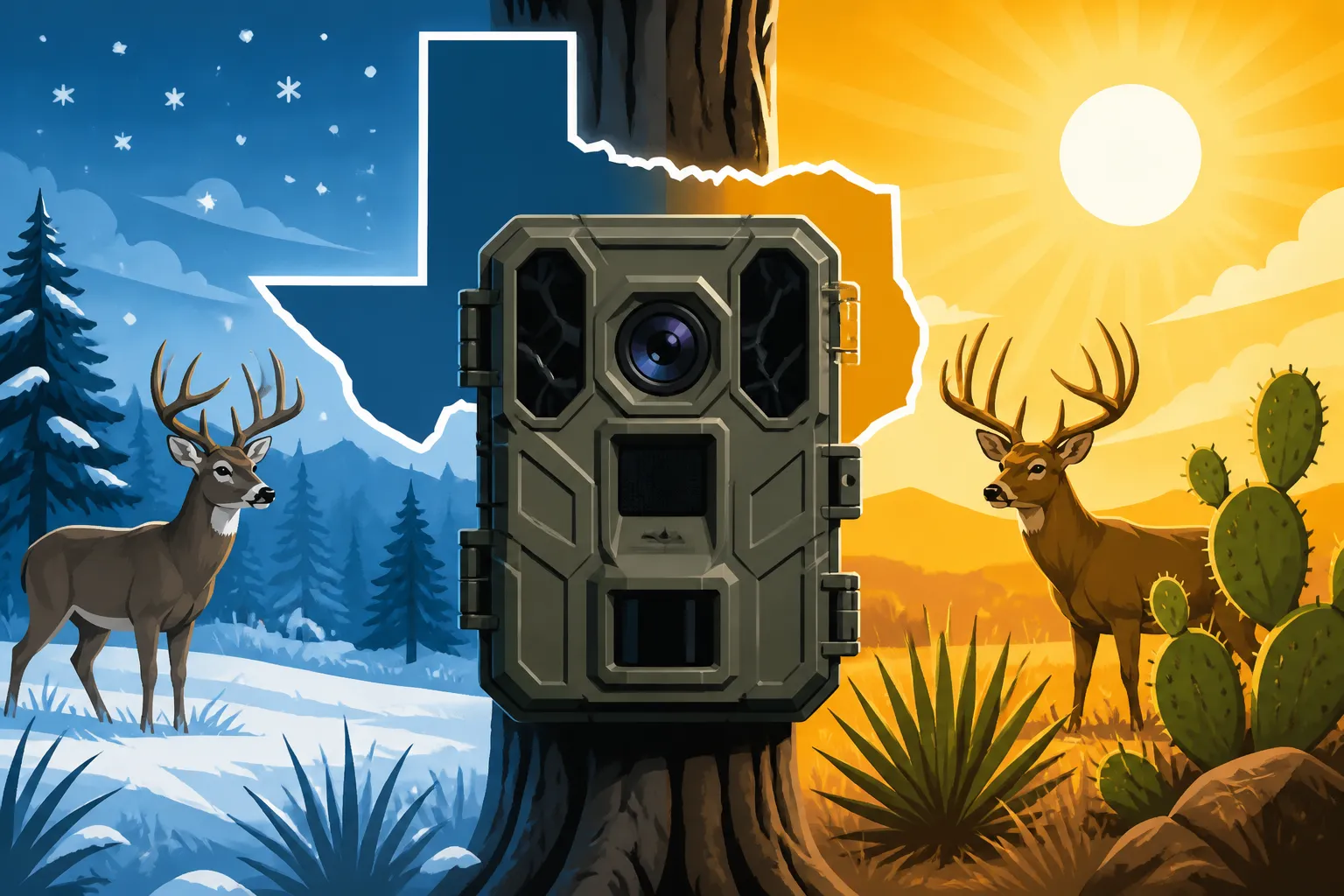
You know the drill. One day your trail camera is baking under a relentless August sun, the next it’s fighting a sudden blue norther that drops temps into the teens. This wild swing in Texas weather is a nightmare for electronics, especially your trusty trail cameras. Finding a camera that can truly withstand the scorching heat of a South Texas summer and the surprising freezes of a Panhandle winter is a constant challenge, but this guide is here to help you navigate the extremes and choose the most reliable options.
Why Texas Weather is So Tough on Trail Cameras
Texas is a land of extremes, and while that makes for diverse hunting opportunities, it also means our gear faces some serious tests. Your trail cameras are no exception. They’re often left out for weeks, sometimes months, exposed to everything Mother Nature throws their way, and that can take a heavy toll on their performance and longevity.
The Brutality of Summer Heat and Humidity
Let’s be honest, those triple-digit summer days in places like the Rio Grande Valley or deep South Texas are no joke. When the thermometer pushes 105 degrees Fahrenheit, and the humidity is thick enough to cut with a knife, your camera's internal components are working overtime. Heat can degrade batteries faster than you can imagine, sometimes causing them to leak or fail entirely. Extreme temperatures can also warp plastic housings, compromise rubber seals, and even lead to blurry photos or video as lenses expand and contract. Condensation, fueled by that oppressive humidity, can creep into the electronics, leading to corrosion and short circuits. It's a silent killer for many cameras not explicitly designed to handle this kind of sustained environmental stress. You might think about ways to help keep your game cool, but what about your electronics?
Unexpected Winter Chills and Freezes
Just when you think you’ve got the heat figured out, Texas throws a curveball. Those sudden winter cold fronts, often called blue northers, can drop temperatures by 30-40 degrees in a matter of hours. While not as common as extreme heat, we do get hard freezes, especially in regions like the Panhandle or even parts of the Hill Country. For trail cameras, frigid temperatures mean a dramatic decrease in battery efficiency. Alkaline batteries, for instance, lose a significant portion of their capacity in cold weather, leading to drastically reduced battery life. LCD screens can become sluggish or fail altogether, and even the camera's ability to trigger and capture images can be compromised if the internal clock or sensors aren't designed for sub-freezing operation. Many hunters have pulled up a camera after a cold snap only to find it completely dead, leaving them frustrated and missing crucial intel.
The Impact of Extreme Temperature Swings
It’s not just the sustained heat or cold that’s the problem; it’s the transition. Texas is notorious for wild temperature swings within a single day. A morning that starts in the 40s can quickly heat up to the 80s by afternoon, especially during spring and fall. These rapid changes cause materials to expand and contract repeatedly, stressing seals, plastic housings, and internal solder joints. This constant thermal cycling accelerates wear and tear, making cameras more susceptible to moisture intrusion and mechanical failure over time. A camera that might survive a steady cold or a steady heat will often falter when subjected to these constant, dramatic fluctuations. It’s like putting your gear through a silent, relentless torture test, day in and day out.
Key Features to Look for in a Weather-Resistant Trail Camera
When you're shopping for a trail camera that can survive the extremes of Texas, you need to be a savvy buyer. Don't just look at megapixel count or detection range; focus on the features that directly contribute to its durability and reliability in harsh conditions. This means going beyond the marketing hype and digging into the nitty-gritty details of construction, power, and performance.
Robust Construction and Waterproofing
This is probably the most critical factor. A good trail camera for Texas needs to be built like a tank. Look for cameras with high Ingress Protection (IP) ratings, specifically IP66 or IP67. An IP66 rating means it’s dust-tight and protected against powerful water jets – think torrential Texas downpours. An IP67 rating offers even better protection, allowing for temporary immersion in water. Beyond the rating, examine the physical build:
- Seals and Gaskets: Are they thick, well-seated, and made of durable rubber? Pay close attention to the battery compartment, camera door, and cable ports. These are common points of failure for water and dust intrusion.
- Housing Material: ABS plastic is common, but look for thicker, more rigid designs. Some higher-end cameras might use more robust composites. Does it feel flimsy, or does it have a solid, weighty feel?
- Latches: Sturdy, metal-reinforced latches are far superior to thin plastic ones that can snap or lose their tension over time, compromising the seal. A loose latch is an open invitation for water damage.
- Lens and Sensor Protection: Ensure the lens is recessed or protected to prevent direct rain exposure and scratches.
Even with the best construction, proper placement is key. Make sure to consider Where to Place a Deer Feeder for Best Results and how that might impact your camera's exposure.
Battery Life and Power Management in Extremes
What’s the point of a tough camera if it dies in two weeks? Battery performance is drastically affected by temperature.
- Lithium Batteries: These are your best friends in Texas. Unlike alkaline batteries, lithium batteries perform exceptionally well in both extreme cold and heat, maintaining a much more consistent voltage and capacity. While they cost more upfront, their reliability and longevity in harsh conditions make them a worthwhile investment. Brands like Energizer Ultimate Lithium are often recommended for their superior performance.
- External Power Ports: Look for cameras with a standard 12V or 6V external power input. This allows you to connect a larger external battery box or a solar panel for continuous power, significantly extending the deployment time. A good solar panel setup can keep your camera running indefinitely, even in remote areas where frequent battery changes aren't feasible. Consider a good quality solar charger specifically designed for cellular trail cameras if you're using those.
- Efficient Circuitry: Some cameras are simply designed to be more power-efficient. While harder to discern from spec sheets alone, user reviews often highlight cameras known for exceptional battery life under various conditions.
Knowing the Best Feeder Timer Settings for Daylight Deer can also help you optimize camera triggers to save battery life during less active periods.
Reliable Performance Across Temperature Ranges
It’s not enough for the camera to survive the elements; it needs to work flawlessly through them.
- Operating Temperature Range: Check the manufacturer's specifications. A wider operating temperature range indicates a camera designed with temperature resilience in mind. Look for cameras rated to perform from at least -4°F to 140°F (or wider).
- Sensor Reliability: Temperature can affect passive infrared (PIR) sensors, leading to missed triggers or false triggers. Cameras with high-quality, temperature-compensated sensors will be more consistent.
- Image Quality: Does the camera maintain consistent image and video quality in varying light and temperature conditions? Some cheaper cameras might produce grainy or discolored images when stressed by heat or cold.
- Cellular Connectivity (if applicable): If you're using a cellular trail camera, ensure it maintains a stable connection even when internal components are under thermal stress. The heat generated by cellular transmission itself, combined with ambient heat, can be a challenge. Checking the Best Cellular Trail Camera Data Plans Compared can help you understand what to expect from different models regarding connectivity stability.
Top Trail Camera Recommendations for Texas Conditions
Navigating the trail camera market can feel overwhelming, with countless models boasting impressive specs. But when it comes to the unique challenges of Texas weather, a few stand out from the crowd due to their proven durability and reliable performance in both sweltering heat and biting cold. Choosing the right camera can truly make the difference between consistent scouting and constant frustration.
Cameras Built for Extreme Heat
For those brutal Texas summers, you need cameras engineered to handle the relentless sun and humidity without breaking a sweat. These models prioritize heat dissipation, robust seals, and stable electronics.
One consistent performer in scorching conditions is the Browning Dark Ops Max HD. Browning has built a reputation for reliable trail cameras, and the Dark Ops series, known for its small footprint and strong build, typically holds up well. Their internal components are often more resilient to heat, and the sealed housing does an excellent job of keeping out moisture. Users frequently praise their longevity in extreme temperatures, making them a solid choice for year-round deployment in warmer climates. The compact design also helps them blend into the sparse brush common in many parts of Texas, making them harder for prying eyes to spot.
Another strong contender, especially among those looking for cellular capabilities, is the Tactacam Reveal series. While primarily known for its user-friendly app and straightforward setup, the Reveal cameras have generally proven quite robust in warm, humid environments. They feature solid housing and reliable seals that resist moisture, a common issue with heat and humidity. The ability to monitor them remotely is a huge plus when you don't want to hike into a sweltering stand just to check an SD card. You can track your deer movement without disturbing the area, which is vital when the mercury is high and deer are less active during the day. Consider exploring the Tactacam Reveal vs Moultrie Edge Trail Camera Review if you're weighing cellular options.
Cameras That Excel in Cold Snaps
While not as frequent, those sudden Texas cold fronts demand cameras that won't die on you when temperatures plummet. Here, battery efficiency and robust cold-weather circuitry are paramount.
For pure cold-weather endurance, many hunters swear by certain Bushnell Core series cameras. Bushnell has a long history in optics and trail cameras, and their Core line often features excellent battery life, especially when powered by lithium batteries. This translates directly to reliable operation in freezing temperatures, where other cameras might fail. Their design often incorporates well-sealed battery compartments, which helps insulate batteries from the worst of the cold, preserving power. The firmware in these cameras is also typically well-optimized to maintain consistent trigger speeds and image capture even when components are chilled.
If you’re looking for a non-cellular option that can weather a cold snap, some of the Reconyx HyperFire series cameras are built like tanks and renowned for their incredibly fast trigger speeds and robust construction. While they come with a higher price tag, their industrial-grade components and exceptional battery life, particularly with lithium batteries, make them almost impervious to cold weather issues. They're designed for serious, long-term outdoor deployment in truly harsh environments, making them overkill for some, but a dependable choice for those who demand the absolute best in reliability regardless of the temperature.
All-Rounders for Year-Round Texas Use
What most Texas hunters really need is a camera that can handle both the intense heat and the occasional cold with equal reliability. These "all-rounders" strike a balance of robust construction, efficient power management, and consistent performance across a wide temperature spectrum.
The Moultrie Edge Series has emerged as a strong contender in the all-rounder category, particularly the cellular models. They offer a solid build quality with effective weather sealing and are designed with battery efficiency in mind. Many users have reported good performance from the Edge in both summer heat and winter cold, thanks to improved internal components and power management systems. The integrated antenna also helps with durability, reducing snagging points that could compromise the seal. Their user-friendly interface and relatively affordable data plans make them a popular choice for consistent, year-round monitoring of your hunting property. If you're comparing, check out the Moultrie Edge Trail Camera Review.
Another excellent choice for consistent year-round use is the SPYPOINT Force-20 or Link-Micro series (cellular models). SPYPOINT has made significant strides in improving their camera durability and performance in varying climates. While some older models had mixed reviews on battery life, newer iterations, especially when paired with lithium batteries, perform much better in temperature extremes. Their compact size makes them easy to deploy discreetly, whether you’re scouting for white-tailed deer in the Hill Country or trying to pattern hogs on your lease. The Link-Micro series offers cellular functionality in a tiny package, making it popular for remote monitoring without drawing too much attention. For those hunting multiple properties or vast leases, using mapping applications like GoHunt can help you keep track of all your camera locations and the data they collect, providing valuable insights into game movement patterns across different climate zones.
Here's a quick comparison of some features important for Texas weather:
| Camera Model (or Type) | Weather Resistance (IP Rating) | Best Battery Type | Key Feature for Heat | Key Feature for Cold | Typical Use Case |
|---|---|---|---|---|---|
| Browning Dark Ops Series | IP66 | Lithium | Robust, sealed housing | Consistent firmware | Discreet, general scouting |
| Tactacam Reveal Series | IP66 | Lithium / External | Efficient heat dissipation | Reliable cellular in cold | Remote monitoring (cellular) |
| Bushnell Core Series | IP66 | Lithium | Durable plastics | Excellent battery life | Long-term, non-cellular |
| Reconyx HyperFire Series | IP67 | Lithium | Industrial-grade build | Extreme cold tolerance | High-end, ultimate reliability |
| Moultrie Edge Series | IP66 | Lithium / External | Improved power management | Stable performance | Year-round cellular monitoring |
| SPYPOINT Link-Micro Series | IP66 | Lithium / External | Compact, good seals | Decent cold-weather stability | Budget-friendly cellular |
Maximizing Your Trail Camera's Lifespan in Texas
Even the most robust trail camera can succumb to the elements if not properly cared for and strategically deployed. Think of it like taking care of your hunting rifle – regular maintenance and smart usage significantly extend its working life. For trail cameras in Texas, this means being proactive about placement, power, and periodic check-ups.
Strategic Placement and Protection
Where you put your camera is almost as important as the camera itself. Thoughtful placement can shield your gear from the harshest aspects of Texas weather, dramatically extending its lifespan.
- Shade is Your Friend: During summer, direct sunlight can cook a camera, raising its internal temperature far above ambient. Position your camera on the north side of a tree or in dense shade to minimize direct sun exposure. This not only keeps the camera cooler but can also reduce false triggers from heat waves radiating off the ground.
- Elevate and Level: Mounting your camera a few feet off the ground, rather than chest high, can keep it out of standing water during heavy rains and protect it from ground-level splashes or even curious critters. Ensure it’s level to prevent water from pooling on the lens housing.
- Angle for Drainage: If possible, angle the camera slightly downwards. This encourages water to run off the lens and housing rather than pooling.
- Consider a Security Box or Enclosure: A well-designed metal security box not only deters theft but can also offer an extra layer of protection against the elements. It provides a barrier against direct rain, extreme sun, and even accidental bumps. Some boxes offer small overhangs that can deflect direct rain and help with temperature regulation.
- Think About the Brush: In the dense South Texas brush country, ensure your camera has a clear line of sight, but also consider how surrounding vegetation can offer natural shelter from wind and sun. You might use mapping tools like GoHunt to scout the best locations that offer both cover and game traffic.
Power Source Best Practices
Your camera’s power source is its lifeblood, and how you manage it directly impacts its ability to withstand temperature extremes.
- Always Use Lithium Batteries: I can’t stress this enough. For any long-term deployment in Texas, especially for cellular models like the Tactacam Reveal or Moultrie Edge, lithium batteries are non-negotiable. They maintain voltage better in cold, don't degrade as fast in heat, and have a much longer shelf life than alkaline. This means fewer trips to the lease for battery changes, which is a huge bonus when the weather is unbearable.
- External Power is Optimal: For cameras with an external power port, investing in a robust external 12V battery and a compatible solar panel is the ultimate solution. This setup provides continuous power, virtually eliminating battery concerns for months on end. Place the solar panel in a location that gets maximum sun exposure, ideally angled south, even if the camera itself is in the shade. This is especially useful for How to Pattern Bucks With Trail Cameras over an extended period.
- Check Connections Regularly: If using external power, ensure all connections are tight and waterproof. Exposed wiring is an open invitation for moisture and corrosion, which can quickly lead to system failure.
Regular Maintenance and Troubleshooting
Even the toughest cameras need a little love. A quick check-up can prevent minor issues from becoming major problems.
- Clean the Lens and PIR Sensor: Dust, pollen, spiderwebs, and even bird droppings can obscure the lens and interfere with the PIR sensor, leading to missed triggers or poor image quality. Carry a soft cloth or lens pen for quick cleanings.
- Inspect Seals and Latches: During battery changes or SD card swaps, quickly inspect the rubber seals around the door and battery compartment. Look for cracks, tears, or debris that could compromise the waterproof seal. Ensure the latches close securely and maintain tension.
- Format SD Cards Periodically: Formatting your SD card directly in the camera (if it has that option) can help prevent corrupted files and ensure smooth operation. Always use high-quality, reputable brand SD cards, as cheap cards are often a source of frustration.
- Firmware Updates: Many modern trail cameras, especially cellular models, release firmware updates. These often include bug fixes, performance enhancements, and sometimes even improvements to power management or sensor sensitivity that can benefit performance in extreme weather. Check the manufacturer's website periodically for updates.
- Seasonal Swaps: If you have multiple cameras, consider designating certain cameras for specific seasons. For example, use your most heat-tolerant models during summer and switch to those with superior cold-weather battery life for winter. This might seem like extra work, but it maximizes the strengths of each camera and prolongs their overall lifespan. This kind of detailed planning goes hand-in-hand with understanding broader hunting strategies like Deer Hunting in Texas: Feeders, Blinds & Tactics.
Following these tips will not only help your trail cameras survive the wild swings of Texas weather but also provide you with more consistent and reliable scouting data, helping you become a more effective hunter.
Disclaimer
Please note that hunting regulations, license requirements, and season dates can change. Always consult the most current Texas Parks and Wildlife Department (TPWD) Outdoor Annual before engaging in any hunting activities. This content is for informational purposes only and does not constitute legal advice.