Best Hunting Blind for Bowhunting Hogs
The thrill of bowhunting hogs in Texas is undeniable, but getting close enough for a clean shot can be one of the most frustrating challenges a hunter faces. These wily creatures have an incredible sense of smell and hearing, making a stealthy approach feel impossible in the thick South Texas brush or wide-open fields. This guide will walk you through everything you need to know about choosing and setting up the best hunting blind to significantly increase your success when bowhunting hogs.
Why a Blind is Essential for Bowhunting Hogs in Texas
Let's be real, stalking a hog with a bow and arrow is a whole different beast than hunting with a rifle. You're not just aiming for distance; you're aiming for intimate proximity. Hogs, especially those mature boars, are incredibly intelligent and have survival instincts honed to a razor's edge. Trying to outsmart their nose and ears in open terrain is a fool's errand for most bowhunters. That's where a well-chosen blind becomes your best friend and a critical piece of your arsenal.
Overcoming Hogs' Super Senses
Hogs rely heavily on their sense of smell, which is arguably their strongest asset, followed closely by their hearing. Their eyesight is decent, but it's the combination of smell and hearing that makes them notoriously difficult to approach silently. A good blind creates a solid barrier that helps contain your scent, even if it's not perfectly airtight. It also breaks up your human outline, allowing you to move subtly within its confines without being instantly busted. Without this vital concealment, the slightest breeze carrying your scent or the smallest rustle of clothing will send them scattering long before you can draw your bow.
Dealing with the Texas Environment
Texas weather is, well, Texas weather. It can be scorching hot one minute and pouring rain the next, with gusts of wind that feel like they're trying to carry your truck off. A blind doesn't just offer concealment; it provides much-needed protection from the elements. Imagine sitting through a sudden downpour, soaked to the bone, trying to hold still for a shot. Or baking in the relentless August sun while waiting for a sounder of hogs. A sturdy blind, whether it's a pop-up or a permanent structure, can make your hunt infinitely more comfortable and allow you to stay in the field longer, increasing your chances. Plus, it can shield you from those pesky Texas insects that love to make a meal out of you.
Types of Hunting Blinds for Bowhunting Hogs
When it comes to blinds, you've got a few main options, each with its own set of advantages and disadvantages. Choosing the right one often depends on your budget, hunting style, and how much effort you're willing to put into setup and transport.
Portable Ground Blinds
These are the most common choice for many bowhunters, and for good reason. Pop-up ground blinds are lightweight, relatively inexpensive, and can be set up in minutes. Brands like Primos, Ameristep, and Barronett Blinds offer a wide array of options perfect for the mobile hog hunter. They're excellent for run-and-gun scenarios or when you're scouting a new area and aren't sure where the hogs will be most active. You can throw one in the bed of your truck or even carry it a reasonable distance into the field.
However, their portability comes with trade-offs. Scent control is a bigger challenge with ground blinds, as they aren't fully sealed, and any air movement will carry your scent. You'll need to be extra diligent with scent elimination sprays and careful about wind direction. They can also be a bit flappy in high winds and don't offer the same level of comfort or weather protection as a permanent structure. Critically for bowhunting, you need to ensure the windows are large and silent enough for a clean draw and shot.
Permanent Box Blinds
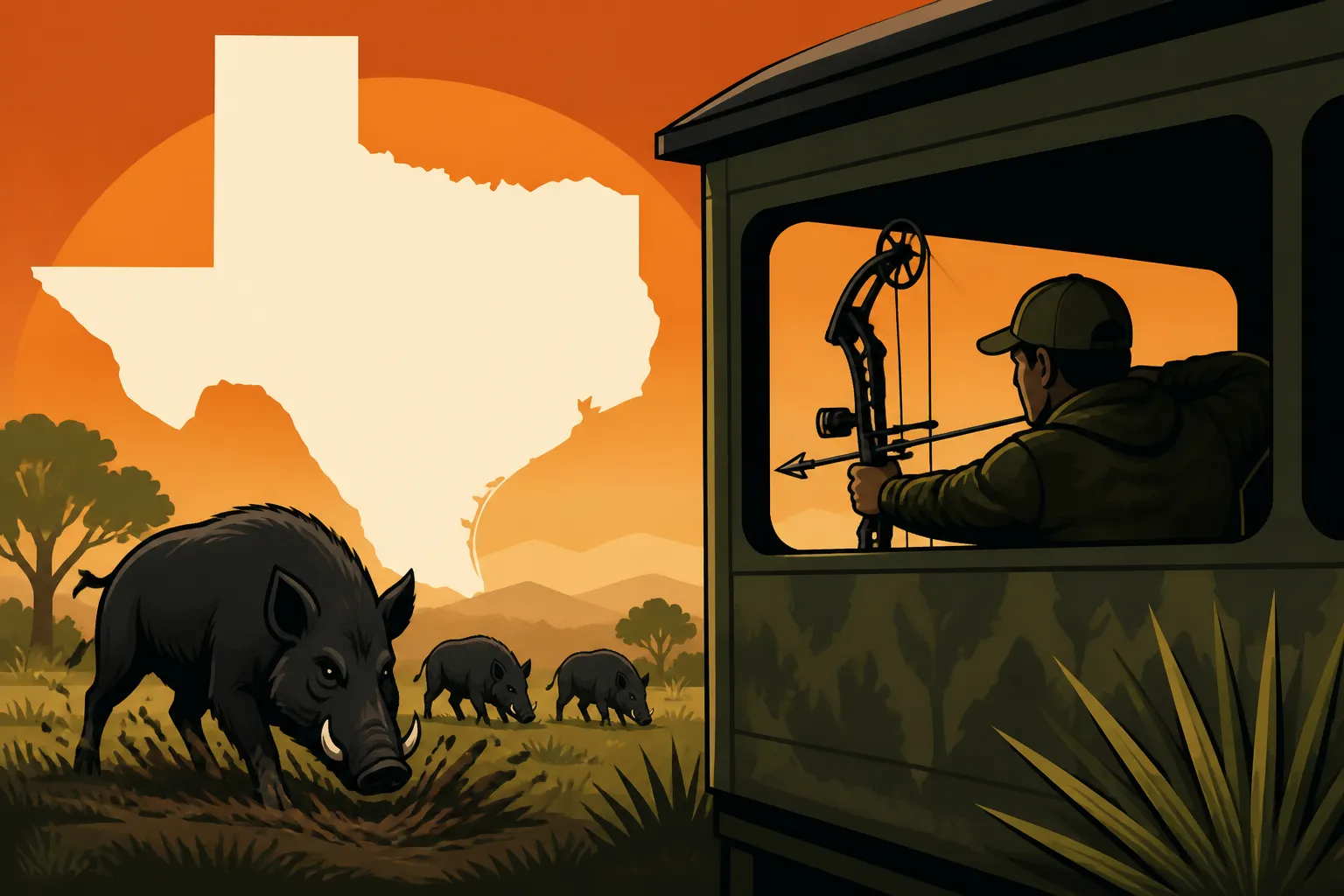
If you have a dedicated hunting lease or private land, permanent box blinds are a game-changer. These elevated or ground-level structures offer superior comfort, weather protection, and, most importantly for bowhunters, excellent scent containment. Brands like Redneck Blinds and Maverick Blinds are well-known for their durable, well-designed box blinds that provide ample space and quiet operation. With solid walls and usually a roof, they offer a stable platform for shooting and can withstand the elements for years.
The main downsides are cost and lack of portability. They're a significant investment and once they're in place, they're not moving easily. However, the comfort of having a chair, perhaps a small heater in colder months, and the ability to move around without spooking game, make them incredibly appealing. Elevated box blinds also provide a unique shooting angle that can be advantageous for identifying targets and for arrow trajectory, especially over feeders. For those serious about long-term success on a specific property, the investment often pays off. If you're looking for something that offers the ultimate comfort and concealment, consider a Best Box Blind for Hot Texas Weather to stay cool.
Natural Blinds and Makeshift Setups
Sometimes, the best blind is the one nature provides. Using natural cover like thick brush, mesquite trees, or even a deep creek bank can create an effective ambush point. This is the cheapest option, requiring no upfront cost, just your time and effort. It also blends seamlessly into the environment, potentially making hogs less wary than they might be of a new, man-made structure.
The challenge with natural blinds, especially for bowhunting, is creating enough space for a full draw and shot without obstruction. You'll need to carefully prune branches and ensure your shooting lanes are clear. Scent control is also entirely up to you; there's no manufactured barrier. You'll need to be incredibly still and acutely aware of wind direction. While viable, it often requires more patience and skill to execute successfully for a close-range bow shot.
Let's quickly compare these options:
| Blind Type | Cost | Portability | Scent Control | Weather Protection | Bowhunting Suitability |
|---|---|---|---|---|---|
| Portable Ground Blind | Low-Medium | High | Moderate | Moderate | Good, if bow-specific |
| Permanent Box Blind | High | Very Low | Excellent | Excellent | Excellent |
| Natural Blind | Very Low | N/A (site-specific) | Low | Low | Challenging |
Key Features to Look for in a Bowhunting Hog Blind
When you're shelling out your hard-earned cash for a blind, you want to make sure it's going to meet the specific demands of bowhunting those tough Texas hogs. It's not just about hiding; it's about hiding effectively for an archery shot.
Bow-Specific Window Design
This is paramount. Many general hunting blinds have small, horizontal windows designed for rifle rests. For bowhunting, you need ample vertical clearance for your bow to clear the window frame when you draw and shoot. Look for tall, vertical shooting windows or large, silent mesh panels that can be opened wide. The silent operation of these windows or flaps is critical – a noisy zipper or velcro rip will absolutely send a hog running faster than you can say "oink." Some blinds feature silent magnetic closures or shoot-through mesh that eliminates movement altogether. A blind with multiple large windows gives you flexibility to adapt to hog movement and shot opportunities without making noise.
Superior Scent Control and Containment
As we discussed, a hog's nose is its superpower. While no blind is 100% airtight, some are designed with better scent containment in mind. Look for blinds made from scent-adsorbing materials or those with tight-sealing zippers and minimal openings. The more enclosed the space, the better your chances of keeping your human odor from wafting out. Remember, this isn't just about masking your scent; it's about physically stopping it from reaching the hogs. Couple a good blind with proper scent elimination techniques and playing the wind, and you'll drastically improve your odds.
Durability and Longevity in Texas Conditions
Texas can be brutal on hunting gear. From scorching summer sun that degrades fabrics to sudden hailstorms and strong winds, your blind needs to be tough. Look for heavy-duty fabric (for pop-ups) that resists UV damage and tears. For permanent blinds, consider materials like fiberglass or insulated panels that can withstand years of exposure. Hogs themselves can be quite destructive if they decide to rub against or investigate your blind, so sturdy construction is a must. A cheap, flimsy blind might save you a few bucks upfront, but it'll likely need replacing sooner, costing you more in the long run.
Ample Interior Space
Bowhunting requires more room than rifle hunting. You need space to comfortably draw your bow, especially if you're using a longer axle-to-axle bow. Consider bringing a comfortable chair, a backpack, maybe a small cooler, and your rangefinder. If you plan to hunt with a buddy or introduce a youngster to bowhunting, even more space is necessary. A cramped blind means awkward movements, potential noise, and ultimately, missed opportunities. A larger footprint also helps diffuse your scent within the blind, making it less concentrated at any one exit point.
Effective Ventilation for Texas Heat
Even with the coolest spring days, Texas heat can sneak up on you. Many pop-up blinds can become sweat lodges. Look for blinds with multiple ventilation options – perhaps zippered mesh windows that allow for cross-breeze without compromising concealment. For permanent box blinds, a simple vent system or small windows that can be cracked open can make a huge difference in comfort, especially during those early season hunts. Nobody wants to be drenched in sweat before the sun even peaks. A comfortable hunter is a patient hunter.
Setup and Placement Strategies for Success
Okay, you've got your blind, you're ready to roll. But a blind in the wrong spot or set up incorrectly is just a fancy tent. Placement and preparation are just as important as the blind itself, especially for a target like the Texas feral hog.
Strategic Location Near Hog Activity
Hogs are creatures of habit. They'll follow consistent travel corridors between bedding areas, food sources, and water. Identifying these paths is key. Often, the best place for a blind is within easy bow range (20-30 yards) of a known food source like a feeder, a wallow, or a fresh rooting area. If you're hunting over feeders, understanding how to maximize their appeal for hogs is crucial. Check out Best Setup for Hunting Hogs Over a Feeder for detailed strategies. Tools like GoHunt can be invaluable here, allowing you to scout satellite imagery and identify potential travel routes, dense cover, and water sources on your lease before you even step foot on the property. This digital reconnaissance can save you countless hours of unproductive scouting.
Playing the Wind – Always
Even with the best scent-control efforts and a well-sealed blind, wind direction is your ultimate ally or enemy. Always set up your blind downwind of where you expect the hogs to approach. A shifting wind can ruin an entire hunt, so consider prevailing winds for your chosen spot. Sometimes, having a secondary blind location for different wind directions can be a lifesaver. This means a little more work, but it dramatically increases your chances of hogs getting close enough without detecting you. Many seasoned hunters use resources like GoHunt to analyze historical wind data for their hunting locations, helping them choose optimal blind sites.
Brushing In for Natural Blending
A brand new pop-up blind sticks out like a sore thumb. Even permanent blinds benefit from blending into their surroundings. Take the time to "brush in" your blind with natural vegetation from the area. Cut branches, pile up brush, and strategically place natural elements around the blind to break up its outline. The goal is to make it look like just another part of the landscape. Do this well in advance of your hunt if possible, giving the hogs time to get used to the "new bush" in their environment.
Establishing Entry and Exit Routes
This is often overlooked but can make or break a hunt. Plan your approach and departure paths to and from your blind. These routes should minimize disturbance to the area and ideally keep you out of sight and downwind of where you expect the hogs to be. Think about when you're most likely to arrive (pre-dawn) and leave (after dark) – you don't want to bump animals on your way in or out. Try to choose paths that involve natural cover, like a dry creek bed or a line of thick trees, to mask your movement.
Acclimating Hogs to the Blind
If time permits, set up your blind a week or two (or even longer) before you plan to hunt. This allows the hogs to get accustomed to its presence. Hogs are curious but wary, and a new object in their territory will initially make them nervous. By letting them get used to it, they'll be much more likely to return to their usual patterns around the blind. It's a small investment of time that pays huge dividends in reducing wariness. Remember, you're trying to integrate the blind into their world, not impose it.
Hog hunting in Texas is an adventure, and bowhunting adds an extra layer of challenge and reward. By selecting the right blind and deploying it strategically, you're setting yourself up for success. Whether it's a mobile ground blind for quick setups or a sturdy permanent box blind for ultimate comfort, the right concealment is your best friend. Get out there, be patient, and good luck! If you're looking for more comprehensive tips, be sure to check out How to Hunt Feral Hogs in Texas (Step by Step) or even specific tactics like Feral Hog Hunting Tactics for Texas. And don't forget to understand the year-round opportunities with Feral Hog Hunting in Texas: Year-Round Guide.
Disclaimer
Hunting is an activity with inherent risks. Always prioritize safety, follow all local and state hunting regulations, and ensure you have the appropriate licenses and permits. This guide is for informational purposes only and does not substitute professional advice or hands-on training.