Best Lightweight Camo for September Dove Hunting
There's nothing quite like the excitement of September 1st in Texas, that glorious dove opener that marks the true beginning of hunting season. But let's be real, while the thought of those speedy little birds zipping across a sunflower field gets our blood pumping, the reality of hunting in late summer and early fall in Texas often means scorching heat and relentless humidity. Showing up in your heavy, late-season whitetail gear is a recipe for misery. This guide is all about helping you stay cool, comfortable, and concealed so you can focus on those fast-flying targets, exploring the best lightweight camo options specifically designed for the challenges of September dove hunting.
Why Lightweight Camo Is Crucial for September Dove Hunting
The Texas heat in September is no joke. We're talking about temperatures easily pushing into the 90s, often with humidity levels that make it feel even hotter. Wearing heavy, thick camouflage designed for cooler weather, or even just regular cotton clothes, can quickly turn an enjoyable hunt into an endurance test. Your comfort directly impacts your ability to concentrate, swing your shotgun smoothly, and ultimately, your success in the field.
Battling the Brutal Texas Heat
Imagine sitting in a cut milo field under the relentless Texas sun. If your clothing isn't designed to breathe and wick away sweat, you'll be soaked through in minutes. That heavy, damp fabric clings to you, restricting airflow and making your body work overtime to cool down. This isn't just about discomfort; it can lead to overheating, dehydration, and a significant drop in performance. You'll be fanning yourself and trying to shift around instead of keeping an eye on the sky, completely missing those critical seconds when a flock of doves comes whistling in. For a comprehensive overview of when to hit the fields, check out our guide on Texas Dove Season 2026: Zones & Dates.
Maximizing Mobility and Comfort
Dove hunting isn't typically a static affair. While you might set up in a particular spot, you'll be moving to retrieve downed birds, adjusting your position as the sun shifts, or even relocating entirely if the birds aren't working your area. Bulky, restrictive clothing can hinder your ability to move freely and quickly. You need to be able to shoulder your shotgun smoothly, pivot, and follow through without feeling like your clothes are fighting against you. Lightweight fabrics offer greater flexibility and don't add unnecessary bulk, allowing for unencumbered movement that's essential for consistent shooting.
Staying Concealed in Early Season Environments
While doves aren't known for their keen eyesight in the same way a whitetail buck is, blending into your surroundings is still important, especially for those wary birds that have already been shot at a few times. Early season foliage in Texas is often still green, or starting to turn to a lighter, dry straw color in cut fields. Dark, heavy winter camo patterns will stick out like a sore thumb against these backgrounds. You need patterns that mimic the lighter, more open vegetation of a September dove field, helping you disappear into the stubble or against the sparse cover.
Key Features to Look for in Lightweight Dove Camo
When you're shopping for the perfect lightweight camo for September dove hunting, it's not just about the pattern. The material, design, and thoughtful features all play a role in keeping you cool and hidden. It's about combining functionality with effective concealment.
Breathable and Moisture-Wicking Fabrics
This is arguably the most critical feature. Forget about cotton, which absorbs moisture and stays wet, cooling you down too much once the breeze hits and making you feel clammy. Look for synthetic fabrics like polyester or nylon blends specifically designed to wick moisture away from your skin. These materials pull sweat to the surface of the fabric where it can evaporate quickly, keeping you drier and cooler. Many performance hunting brands, like Sitka or Kuiu, use advanced textile technologies that are incredibly effective. But even more budget-friendly options from brands like Hanes or Russell Athletic can offer decent moisture-wicking properties if you know what to look for.
A good example is a lightweight polyester blend shirt with a UPF rating. Not only does it dry quickly, but it also protects you from the intense UV rays that can burn you even through light cloud cover. Think about the construction: flatlock seams can prevent chafing, which becomes a real issue when you're sweaty and moving.
Strategic Ventilation and Mesh Panels
Beyond just the fabric, how the garment is constructed matters. Look for shirts, pants, and vests with mesh panels, especially in high-sweat areas like the back, underarms, and even along the inner thighs. These strategically placed vents allow for maximum airflow, helping to dissipate body heat and keep you from feeling stifled. Some shirts even have full back ventilation systems that are a game-changer when you're sitting in a ground blind or against a fence line on a sweltering afternoon.
When you're out there, every little bit of airflow makes a difference. Even a small breeze can feel like an air conditioner when it hits those mesh panels. This design element separates true performance hunting apparel from general outdoor wear.
Appropriate Camo Patterns for Early Season
The Texas dove fields in September are typically a mix of dried-out crops like wheat, corn, or milo, sparse grasses, and dusty dirt. A dense, dark woodland pattern isn't going to cut it. You want patterns with lighter colors, more open designs, and elements that mimic natural vegetation like stubble, dried leaves, and shadows. Brands like Mossy Oak's Obsession or Bottomland, and some of Realtree's newer patterns, offer great versatility. Even a simple Khaki or light brown can be surprisingly effective if you're blending into dry grass.
Many seasoned dove hunters will tell you that the exact pattern matters less than breaking up your outline and remaining still. But a good pattern certainly helps. Consider what the birds are seeing from above – a large blob of dark green against a light background is a dead giveaway. Lighter, broken patterns help you fade into the landscape, especially when you're setting up your Dove Field Setup: Where to Stand or employing specific Dove Hunting Tactics: Field Setup & Shooting.
Lightweight and Durable Construction
You need gear that's light enough not to weigh you down or trap heat, but durable enough to withstand the abuse of a Texas dove field. Think about crawling through briars, kneeling in stubble, or bumping up against barbed wire. Ripstop fabrics are excellent for this, as they prevent small tears from becoming large rips. Additionally, reinforced knees and seat areas on pants can greatly extend the life of your garments.
It's a balance: you don't want something so flimsy it falls apart after one season, but you also don't want heavy canvas. Modern synthetic fabrics have come a long way in offering both light weight and impressive durability.
Fit and Layering Potential
While September dove hunting generally means minimal layering, a good fit is still essential. Loose-fitting clothing allows for better airflow, but too baggy can snag on brush or interfere with your gun mount. Look for an athletic cut that provides freedom of movement without being constrictive. For those rare cool fronts or early morning chills, having a lightweight base layer or a packable vest that can be worn over your camo shirt is a plus. But for the vast majority of Texas dove season, your outer layer will be your primary layer, so focus on a standalone, comfortable fit.
Top Picks for Lightweight Camo
Now that we know what to look for, let's talk about some specific types of gear and even a brand that consistently delivers for early-season Texas hunting. The market is flooded with options, but a few stand out for their ability to keep you comfortable in the heat.
Performance Hunting Shirts: The Foundation
Your shirt is the cornerstone of your early-season camo system. Forget about thick button-downs; we're talking about technical performance shirts.
Many major hunting brands offer excellent lines. For instance, companies like GoHunt often feature curated gear lists that prioritize performance, and you'll frequently see lightweight, quick-drying shirts at the top of their recommendations for demanding conditions. These shirts are usually made from polyester or nylon blends with a strong emphasis on moisture-wicking and breathability. Look for options with a good UPF rating (Ultraviolet Protection Factor) of 30+ or even 50+ to protect against the intense sun. Long sleeves are often preferred, surprisingly, as they offer better sun protection than short sleeves, and the lightweight fabric is often cooler than direct sun on your skin.
Some popular choices include:
- Columbia PFG Tamiami II: While not strictly "camo," these fishing shirts are a favorite among many dove hunters. They are incredibly lightweight, offer excellent sun protection (UPF 40), and feature mesh-lined vents at the back for fantastic airflow. They come in various solid colors and some subtle patterns that can blend surprisingly well in many dove field scenarios. They’re also durable and wash well.
- Under Armour Iso-Chill or UA Tech Series: These athletic shirts, available in camo patterns, are designed for high-performance activities. They excel at wicking sweat and often have a "cool-to-the-touch" feel that’s a blessing on a hot September morning.
- Sitka Gear Ascent Series: If you're willing to invest a bit more, Sitka's Ascent series is built for active hunting in warm weather. Their shirts are exceptionally lightweight, breathable, and come in effective open-country and woodland patterns that transition well to dove fields. They're an example of gear often highlighted by resources like GoHunt for serious hunters.
Lightweight Hunting Pants: Mobility and Protection
Just like your shirt, your pants need to be light, breathable, and tough. Heavy denim or thick canvas will quickly become unbearable.
- Cargo Pants/Convertible Pants: Look for lightweight synthetic cargo pants. Many outdoor brands make convertible pants (zip-off legs) which can be great if you anticipate a wider temperature swing, though for September dove hunting, full-length lightweight pants are usually the call. The cargo pockets are handy for shells or a small water bottle.
- Ripstop Material: Pants made with ripstop nylon or polyester blends are ideal. They offer great durability against thorns and sharp stubble without the weight.
- Ventilation: Some hunting pants include zippered vents on the thighs, which can be opened for additional airflow. This is a small feature that makes a huge difference. Consider pants from brands like Kühl or even military surplus stores often have lightweight, durable ripstop options that can be dyed or come in neutral tones.
Vests and Headwear: Completing the Kit
While a heavy vest is out, a lightweight shooting vest can be incredibly practical for carrying shells and empty hulls without adding much heat.
- Mesh Shooting Vests: Many shooting vests are made predominantly of mesh, offering maximum ventilation while providing convenient pockets for shells on one side and a game pouch for downed birds on the other. Some even have a built-in recoil pad. These are invaluable for keeping your pockets free and your shells accessible.
- Camo Hat/Cap: A lightweight, breathable baseball cap or wide-brimmed hat is non-negotiable for sun protection. Look for moisture-wicking materials and mesh panels. A dark underside on the brim can also help reduce glare.
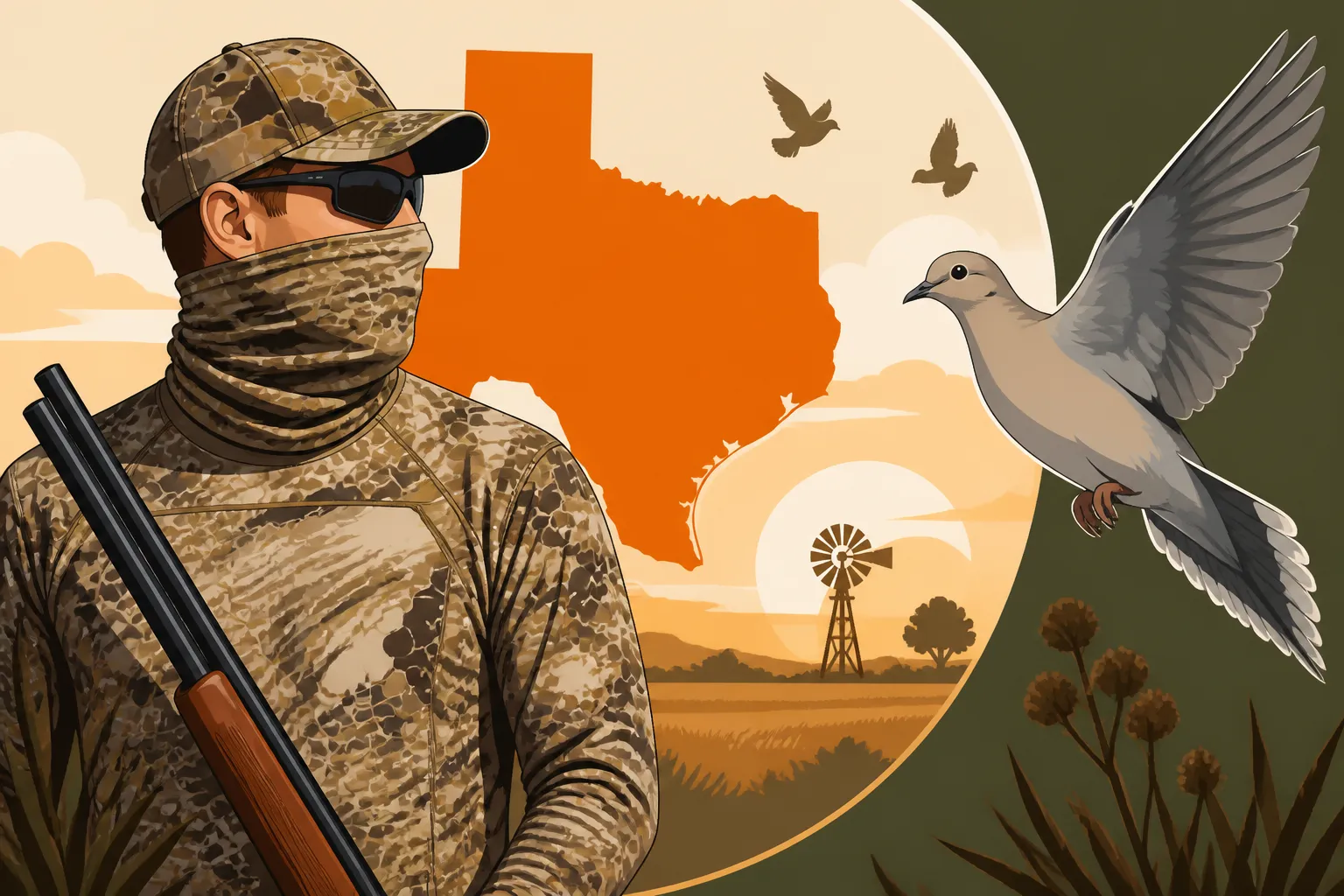
- Neck Gaiter: A lightweight neck gaiter or bandana, often in a camo pattern, can provide extra sun protection for your neck and face, and can also be dampened with water for a cooling effect.
Here’s a quick overview of features to consider when selecting your lightweight camo:
| Feature | Benefit | Ideal Material Examples |
|---|---|---|
| Moisture-Wicking | Pulls sweat from skin, keeping you dry and comfortable | Polyester, Nylon blends, Merino Wool |
| Breathability | Allows air circulation to dissipate heat | Mesh panels, open weaves |
| Sun Protection (UPF) | Shields skin from harmful UV rays | Tightly woven synthetics (UPF 30-50+) |
| Lightweight | Reduces bulk and heat retention | Thin polyester, ripstop nylon |
| Durability | Resists tears and abrasions from field conditions | Ripstop fabrics, reinforced stitching |
| Camo Pattern | Blends with early-season dry grass, stubble, and sparse foliage | Open patterns, light browns/tans/greens |
| Flexibility/Stretch | Allows full range of motion for shooting and movement | Spandex/elastane blends |
This table helps visualize the key attributes that make up effective dove hunting apparel.
Beyond the Fabric: Other Considerations for September Dove Hunting Gear
While your clothing is paramount, it's just one piece of the puzzle for a comfortable and successful September dove hunt. Think about your entire system, from what’s on your feet to what you carry your water in. Every detail contributes to your overall experience under the Texas sun. To maximize your chances, understanding how the birds move and react is key, which you can learn more about in Mourning Dove Hunting Tactics for Texas.
Hydration is Non-Negotiable
This isn't about comfort; it's about safety. Dehydration can creep up on you quickly in the Texas heat. Always bring more water than you think you'll need. A good insulated water bottle or a hydration pack is essential. Fill it with ice and water, or a sports drink with electrolytes, and keep it within easy reach. Don't wait until you're thirsty; sip consistently throughout your hunt. You might also find our advice on How to Field Dress a Deer in Hot Weather relevant, as managing heat is a constant challenge for hunters in Texas.
Footwear: Keeping Your Feet Cool and Protected
Your feet are often overlooked but crucial for comfort. Heavy, insulated hunting boots are a definite no-go. Look for lightweight, breathable hiking shoes or boots, preferably with good ankle support if you're traversing uneven fields. Mesh panels are great for ventilation. Make sure they’re broken in to avoid blisters, which can quickly ruin a hunt when coupled with sweat and heat.
Consider wearing moisture-wicking socks made from merino wool or synthetic blends. Cotton socks absorb sweat, stay wet, and lead to blisters. Good socks will wick moisture away, keeping your feet drier and cooler. Brands like Darn Tough or Smartwool offer excellent options for hot weather.
Sun Protection: More Than Just Camo
Even with long-sleeve camo, additional sun protection is a smart move.
- Sunscreen: Apply a broad-spectrum sunscreen with at least SPF 30 to all exposed skin, especially your face, ears, and hands. Reapply every couple of hours, especially if you're sweating heavily.
- Sunglasses: Good quality polarized sunglasses will not only protect your eyes from UV rays but also reduce glare, making it easier to spot incoming birds against the bright sky. This is crucial for shooting success.
- Gloves: Lightweight shooting gloves, often made of thin synthetic material, can protect your hands from the sun, provide a better grip on your shotgun, and cushion recoil.
Field Accessories for Comfort
A few key accessories can make your dove hunt significantly more enjoyable.
- Portable Seat/Bucket: Sitting directly on the hot ground or in prickly stubble isn't pleasant. A lightweight portable stool or a 5-gallon bucket with a padded lid provides a comfortable perch and keeps you off the hot ground. A bucket also doubles as storage for your shells, water, and downed birds.
- Game Bag/Vest with Pouch: Instead of constantly bending over to pick up birds and stuffing them in your pockets, a mesh game bag or a dove vest with a large, accessible game pouch keeps your hands free and allows air to circulate around your birds, helping them cool down slightly.
- Cooler: While not worn, having a quality cooler back at your truck or camp is vital for keeping drinks cold and, more importantly, for properly chilling your harvested doves. Brands like Yeti or Orion offer excellent ice retention, which is critical in Texas heat. You can learn more about finding the perfect one in our guide on Best Cooler to Hold Ice in Texas Heat.
By combining the right lightweight camo with smart hydration, appropriate footwear, comprehensive sun protection, and a few thoughtful accessories, you’ll be far more comfortable and effective when you’re out chasing those elusive doves this September. This holistic approach ensures that you're prepared for the heat and can fully enjoy the thrill of the hunt.
Disclaimer
Hunting regulations and conditions can change. Always consult the most current Texas Parks and Wildlife Department Outdoor Annual for specific dates, bag limits, and regulations before heading into the field. This guide is for informational purposes only and should not replace official sources.