Best Gear for White-Tailed Deer on a Texas Lease
Getting a spot on a Texas hunting lease for white-tailed deer is a dream for many, but once you've secured your piece of paradise, the real work (and fun!) begins: figuring out what gear you actually need. It's easy to get overwhelmed by the sheer volume of products out there, leaving you wondering if you're adequately prepared for the unique challenges of the Texas landscape, from the thorny South Texas brush to the rugged Hill Country terrain. This comprehensive guide is designed to cut through the noise and help you equip yourself with the absolute best gear for a successful and enjoyable white-tailed deer hunt on your Texas lease.
The Essential Firearms and Ammunition for Texas Whitetail
When you're out on a Texas lease chasing white-tailed deer, your rifle and ammunition are, without a doubt, your most critical pieces of equipment. The right combination instills confidence and ensures an ethical, clean harvest. It’s not just about what shoots straight, but what feels right in your hands and performs reliably in diverse conditions, from thick brush to more open country.
Caliber Considerations for Texas White-Tailed Deer
Texas whitetail aren't typically massive animals, but they are tough, and the distances can vary wildly depending on your lease location. For the vast majority of Texas white-tailed deer hunting scenarios, medium-game calibers are ideal. You want something with enough knockdown power for a quick, humane kill, without being excessive or overly punishing on the shooter.
Many seasoned Texas hunters swear by classics like the .270 Winchester, .30-06 Springfield, and .308 Winchester, and for good reason. The .270 offers a flat trajectory, which is fantastic for those longer shots often encountered in open pastures or across senderos. The .30-06 is incredibly versatile, handling everything from deer to larger game with ease, and is a staple in many hunting camps. The .308, known for its accuracy and manageable recoil, performs exceptionally well in the varied terrain you'll find across the state. In recent years, newer cartridges like the 6.5 Creedmoor have also gained immense popularity due to their low recoil and excellent ballistic performance, making them a great choice for new hunters or those sensitive to recoil, while still being perfectly capable of taking down a mature buck. Regardless of your choice, understanding its effective range and practicing regularly are far more important than chasing the latest trend. For more in-depth knowledge, check out our guide on White-Tailed Deer Hunting in Texas: Complete Guide.
Ammunition Selection for Optimal Performance
Choosing the right ammunition goes hand-in-hand with selecting your caliber. Not all bullets are created equal, and for ethical hunting, you need a bullet designed for controlled expansion and deep penetration. For Texas whitetail, look for bullets that retain their weight and expand reliably upon impact, maximizing energy transfer to ensure a quick kill.
Common choices include bonded core bullets, like Hornady InterBond or Federal Trophy Bonded Tip, which hold together well and penetrate deeply, even through bone. Soft point or polymer-tipped bullets, such as Hornady SST or Nosler Ballistic Tip, are also excellent, offering rapid expansion and good accuracy. It’s crucial to test several brands and bullet weights in your specific rifle to see what it prefers. Every rifle is a unique system, and what shoots accurately in one rifle might not in another, even of the same make and model. Finding that perfect match through range testing will significantly improve your confidence when that trophy buck steps out. Remember, consistency is key; once you find what works, stick with it.
Seeing Your Target: Optics for Clarity and Precision
In Texas, deer often move through thick brush, at dawn or dusk, or at considerable distances. Having high-quality optics isn't a luxury; it's a necessity for identifying legal deer, making ethical shots, and enhancing your overall hunting experience. From your rifle scope to your binoculars and rangefinder, each piece plays a vital role in your success.
Rifle Scopes for Precision Shooting
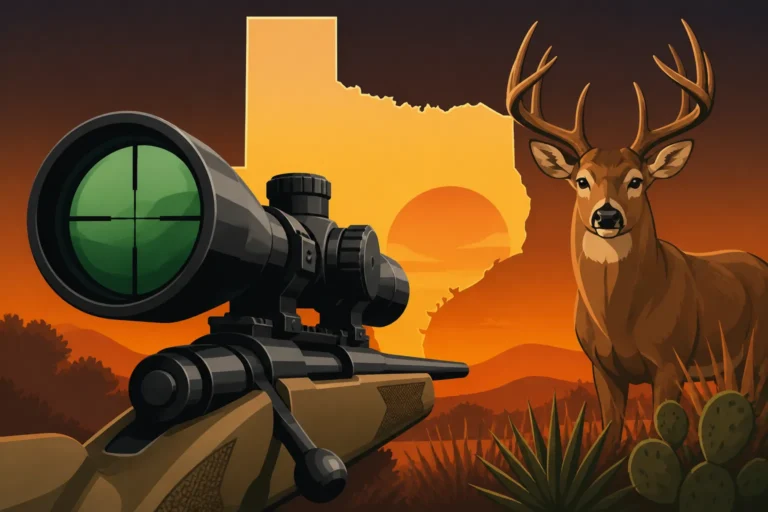
Your rifle scope is your window to accurate shooting. For hunting white-tailed deer on a Texas lease, a scope with a variable magnification from about 3-9x to 4-12x or even 4-16x is generally ideal. This range provides enough magnification for longer shots across a field, but can also be dialed down for closer encounters in dense cover.
Look for scopes with clear, bright glass that performs well in low light conditions—think early morning or late evening when deer are most active. A larger objective lens (e.g., 40mm or 50mm) can gather more light, but ensure it doesn't make your rifle too top-heavy or interfere with mounting. Durability is also paramount; your scope needs to withstand the bumps and scrapes of a hunting season and maintain its zero. Brands like Leupold, Vortex, and Zeiss offer excellent options that can handle the rigors of the Texas environment and deliver the optical clarity you need. Before heading out, make sure your scope is properly sighted in at your anticipated hunting distances, perhaps 100 or 200 yards, depending on your lease setup. You can explore more options and detailed reviews in our article on Best Hunting Optics for Texas: Scopes, Binos & Rangefinders.
Binoculars and Rangefinders for Scouting and Ethical Shots
Beyond your rifle scope, a good pair of binoculars and a reliable rangefinder are indispensable tools for any Texas deer hunter. Binoculars are your primary tool for scouting, allowing you to glass distant fields, senderos, and brush lines for deer without alerting them. For Texas, a 10×42 or 10×50 magnification is a popular choice, offering a good balance of power and field of view. Look for models that are waterproof, fog-proof, and have good ergonomics for comfortable all-day use. They'll help you spot that twitching ear or flicking tail that might otherwise go unnoticed.
A laser rangefinder is equally critical for making ethical shots. In the varied topography of Texas, accurately judging distance can be challenging, especially when adrenaline is pumping. A rangefinder removes the guesswork, allowing you to precisely measure the distance to your target, which is essential for making correct holdover adjustments with your rifle scope. This is especially important for hunters who might be on a new lease and aren't intimately familiar with every shooting lane. Many rangefinders also offer incline/decline compensation, which is a bonus in the Hill Country's undulating terrain.
Building Your Hunting Post: Blinds, Feeders, and Strategic Setups
On a Texas lease, setting up a comfortable and strategic hunting position is key to success. Unlike vast public lands where you might be constantly on the move, a lease often allows for semi-permanent or permanent setups that can significantly improve your odds. This usually involves a combination of blinds and feeders, strategically placed to maximize deer encounters. For more on this, consider reading Deer Hunting in Texas: Feeders, Blinds & Tactics.
Choosing the Right Blind for Your Lease
The type of blind you choose should depend on your personal preferences, the terrain of your lease, and the conditions you expect to encounter. Each style offers distinct advantages.
Box Blinds: These are often the most popular choice on Texas leases, particularly in areas like South Texas or the Post Oak Savannah. They offer excellent concealment, protection from the elements (think scorching sun, sudden downpours, or brisk winter winds), and comfort for long sits. Many box blinds, like those from Redneck Blinds or Atascosa Wildlife Supply, are spacious enough for multiple hunters, making them great for introducing kids or new hunters. They can be placed on towers for elevated views or directly on the ground. When elevated, they offer a commanding view of a feeder or food plot, allowing you to spot deer approaching from a distance. The solid walls and windows also make scent control easier and provide stable shooting rests. For a deeper dive, check out our piece on Best Box Blinds & Tripod Blinds for Texas.
Tripod and Quadpod Blinds: These elevated stands are common in areas where you need to see over low brush but a full box blind might be overkill or too expensive. They offer good visibility and are more portable than traditional box blinds. However, they provide less protection from the elements and often require more self-discipline for concealment and scent management. They’re excellent for getting above the deer’s line of sight, especially in rolling terrain or along a senderos edge.
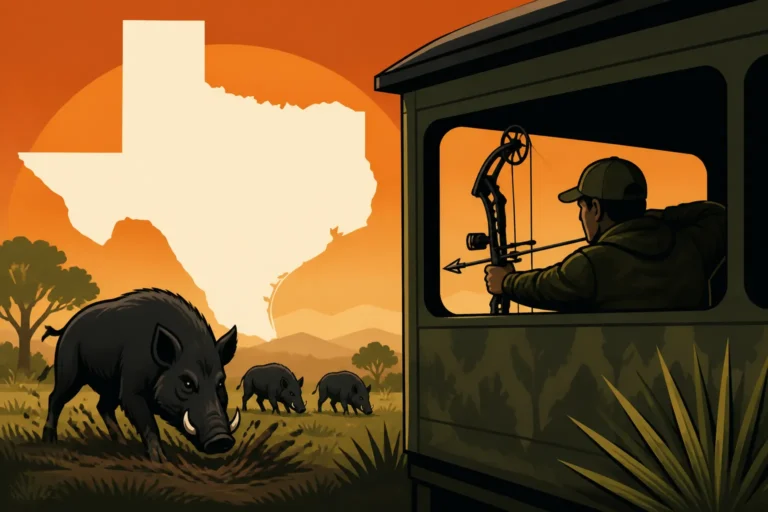
Ground Blinds: For hunters who prefer to be at eye level with the game, or for bowhunting, pop-up ground blinds are a fantastic option. They offer good concealment and are highly portable, allowing you to adapt to changing deer patterns throughout the season. Brands like Ameristep or Primos offer robust models. They require careful placement to blend into the natural surroundings and attention to wind direction, but they can be incredibly effective, especially in dense areas where deer feel comfortable. When considering your options, it's worth weighing the pros and cons in our detailed comparison of Box Blind vs Tripod vs Ground Blind in Texas.
Deer Feeders and Their Strategic Placement
On most Texas leases, deer feeders are a cornerstone of management and hunting strategy. They provide a supplemental food source, help concentrate deer activity, and create consistent shot opportunities. The primary types are spin feeders and gravity feeders.
Spin Feeders: These mechanical feeders broadcast corn or protein pellets at programmed times, usually twice a day. They're incredibly effective for attracting deer and can be set up for daylight feeding times, which is crucial for hunting. Most modern spin feeders come with programmable timers that allow precise control over feed times and duration. Adding a solar panel to keep the battery charged is a smart investment, especially in remote areas. Remember to check local regulations regarding hunting over bait, although in Texas, it's generally legal outside of specific CWD zones or certain public land rules.
Gravity Feeders: These feeders use gravity to dispense feed as deer consume it. They are simpler, require less maintenance (no batteries or timers), and are excellent for protein pellets, which deer can access free-choice. While they don't attract deer at specific times like spin feeders, they provide a consistent, readily available food source that encourages deer to frequent an area. Many hunters use a combination of both: spin feeders for corn to draw deer in, and gravity feeders for protein to enhance herd health and antler growth. Proper placement is crucial; consider travel corridors, prevailing winds, and accessibility for filling. Our guide on Best Deer Feeder Setup for Texas offers excellent advice on optimizing your feeder placement and settings.
The Digital Edge: Trail Cameras and Scouting Technology
In today's hunting world, technology can give you a significant advantage, especially on a large Texas lease where you can't be everywhere at once. Trail cameras and digital mapping apps have revolutionized scouting, allowing you to monitor game movement, pattern bucks, and manage your lease more effectively.
Cellular vs. Non-Cellular Trail Cameras
Trail cameras are invaluable for understanding deer patterns, assessing buck quality, and determining the best times to hunt. The choice between cellular and non-cellular cameras largely depends on your lease setup and budget.
Cellular Trail Cameras: These cameras transmit photos directly to your phone or computer, allowing you to monitor activity in real-time without disturbing your hunting area. This is a game-changer for lease hunters who might live hours away or want to avoid putting scent in a prime spot. You can get instant updates on deer movement, identify specific bucks, and even fine-tune your hunting schedule. Brands like Tactacam, Moultrie, and SPYPOINT offer excellent cellular options, though they require a monthly data plan. The convenience, however, often outweighs the cost for serious lease hunters. Imagine getting a picture of a mature buck at your feeder and knowing exactly when to hunt him next! For a thorough comparison, check out Best Cellular Trail Cameras for Texas (2027).
Non-Cellular Trail Cameras: These traditional cameras store images on an SD card, requiring you to physically retrieve the card to view photos. While they lack the real-time convenience of cellular models, they are generally less expensive and don't incur monthly fees. They are perfectly sufficient for smaller leases or areas you can access easily. The key is to check them strategically to minimize disturbance, perhaps when you're already at the lease to fill feeders or maintain blinds. Regardless of the type, placing cameras on active trails, near water sources, or overlooking feeders will yield the most useful intelligence. Our article on How to Pattern Bucks With Trail Cameras provides excellent strategies for effective camera use.
Mapping Apps and Digital Scouting Tools
Digital mapping applications have become indispensable for managing a hunting lease and enhancing your scouting efforts. Apps like onX Hunt or HuntStand allow you to mark stand locations, feeder sites, food plots, water sources, and even deer sightings or rub lines directly on a satellite map. This provides a comprehensive overview of your lease, helping you understand terrain features and how deer might use the landscape.
I've personally found tools like GoHunt incredibly helpful for not just scouting, but for recording detailed observations from previous hunts, marking potential new stand locations, and even logging successful harvests. Being able to access aerial imagery and property boundaries at your fingertips, even offline, can save countless hours of guesswork. This kind of platform helps you analyze historical data, predict deer movement based on wind direction, and plan your approach routes more effectively. Using GoHunt, for example, you can visually track how a specific buck moved over a week, helping you predict its next appearance. This combination of traditional scouting and digital mapping is powerful, especially when you're trying to figure out where to place a new feeder or how to approach a morning hunt without spooking game. These apps also provide landowner information, which can be useful if you're looking to expand your hunting opportunities or understand neighboring properties. Effective scouting is crucial, so be sure to read How to Scout for Deer Before Season in Texas for more tips.
Personal Essentials: Comfort, Safety, and Game Care in the Texas Heat
Hunting in Texas means dealing with a wide range of weather conditions, from surprisingly cold winter mornings to notoriously hot early season days. Being prepared with the right personal gear ensures your comfort and safety, while having the proper game care tools ensures your harvest doesn't go to waste.
Clothing for Varied Texas Weather Conditions
Texas weather is famously unpredictable. You might start your morning hunt in a heavy jacket and by midday be sweating in a t-shirt. Layering is not just a suggestion; it's a necessity.
Base Layers: Start with moisture-wicking base layers made from synthetic materials or Merino wool. These will pull sweat away from your skin, keeping you dry and comfortable whether it's cool or warm.
Mid-Layers: Fleece jackets or vests provide insulation for cooler temperatures. These can be shed as the day warms up.
Outer Layers: For protection from wind, rain, and thorny brush, a durable, quiet outer layer is essential. In early season, lightweight, breathable camo is critical. As the season progresses into late fall and winter, you might need something more substantial, but always prioritize breathability. Avoid heavy, bulky materials that will restrict movement or cause you to overheat quickly. Also, don't forget a good wide-brimmed hat to protect you from the intense Texas sun. Our guide on Best Early-Season Camo for Texas Heat can help you pick the right options.
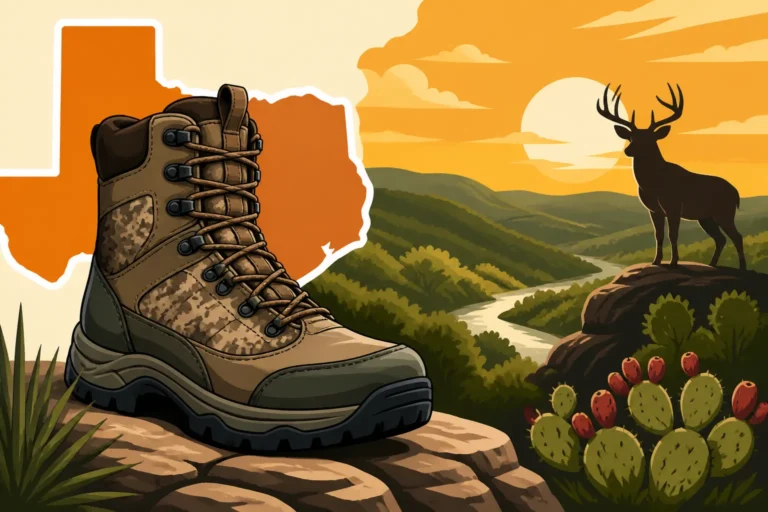
Snake Boots: This is non-negotiable in many parts of Texas. Rattlesnakes, copperheads, and cottonmouths are common, especially in brushy areas. High-quality snake boots or snake gaiters can literally be a lifesaver. Look for comfortable, durable, and waterproof options from brands like Lacrosse or Danner that extend at least mid-calf.
Field Dressing, Game Recovery, and Cooler Solutions
Once you've harvested a deer, the work isn't over. In Texas, especially during warmer early seasons, rapid field dressing and proper cooling are paramount to preserving the quality of your venison.
Field Dressing Kit: A sharp hunting knife (or two!), gutting gloves, and game bags are essential. A boning knife and a small saw can also be incredibly useful. Make sure your knives are razor-sharp before you head out, and know how to sharpen them in the field. Speed and cleanliness are key to cooling the meat quickly.
Game Cart/Hauling: If you're hunting away from vehicle access, a sturdy game cart can be invaluable for hauling a deer back to your processing area. The terrain on Texas leases can be unforgiving, with deep sand, thick brush, and rocky trails, making a cart a much-appreciated piece of gear.
Coolers: You'll need substantial cooler capacity, especially if you plan to quarter your deer in the field before transport. Large, rotomolded coolers from brands like Yeti, RTIC, or Orca are excellent choices because they offer superior ice retention, which is crucial in the Texas heat. Filling them with ice immediately after quartering will help drop the meat temperature rapidly. Don't underestimate the amount of ice you'll need; plan for at least 50-100 pounds per deer, depending on ambient temperatures. Proper cooling ensures your hard-earned venison is delicious. For a detailed guide on this critical step, read Field Dressing & Processing Game in Texas Heat.
Table of Essential Gear for a Texas White-Tailed Deer Lease
| Gear Category | Essential Items | Key Considerations for Texas Lease Hunting |
|---|---|---|
| Firearms & Ammo | Rifle (e.g., .270, .308, 6.5 Creedmoor) | Reliability, accuracy, ethical knockdown power for whitetail. |
| Quality Ammunition | Controlled expansion, deep penetration, tested for accuracy in your rifle. | |
| Optics | Rifle Scope (3-9x to 4-16x) | Low light performance, durability, clarity, variable magnification. |
| Binoculars (10×42/50) | Clear glass, waterproof, fog-proof for scouting and identification. | |
| Laser Rangefinder | Accurate distance measurement, incline compensation. | |
| Hunting Post | Deer Blind (Box, Tripod, or Ground) | Comfort, concealment, weather protection, elevation (if desired). |
| Deer Feeder (Spin or Gravity) | Programmable timer, solar panel, capacity, suitability for corn/protein. | |
| Scouting Tech | Cellular Trail Cameras | Real-time alerts, remote monitoring, data plan cost. |
| Digital Mapping App (e.g., GoHunt, onX Hunt) | Property lines, waypoint marking, offline maps, satellite imagery. | |
| Personal Gear | Layered Clothing System | Moisture-wicking base, insulating mid-layers, durable outer shell. |
| Snake Boots/Gaiters | Essential for safety in brushy terrain. | |
| Hunting Knife/Field Dressing Kit | Sharp blade, gutting gloves, game bags for hygiene and speed. | |
| Large Coolers & Ice | Superior ice retention for meat preservation in warm weather. | |
| Game Cart (optional) | Aid in hauling game from remote areas. |
Disclaimer
Hunting is an inherently risky activity. Always prioritize safety, adhere to all Texas Parks and Wildlife Department regulations, and respect private property rules. The information provided here is for educational purposes and should not be considered a substitute for professional hunting instruction or legal advice. Always ensure your gear is in good working order and practice safe firearm handling.