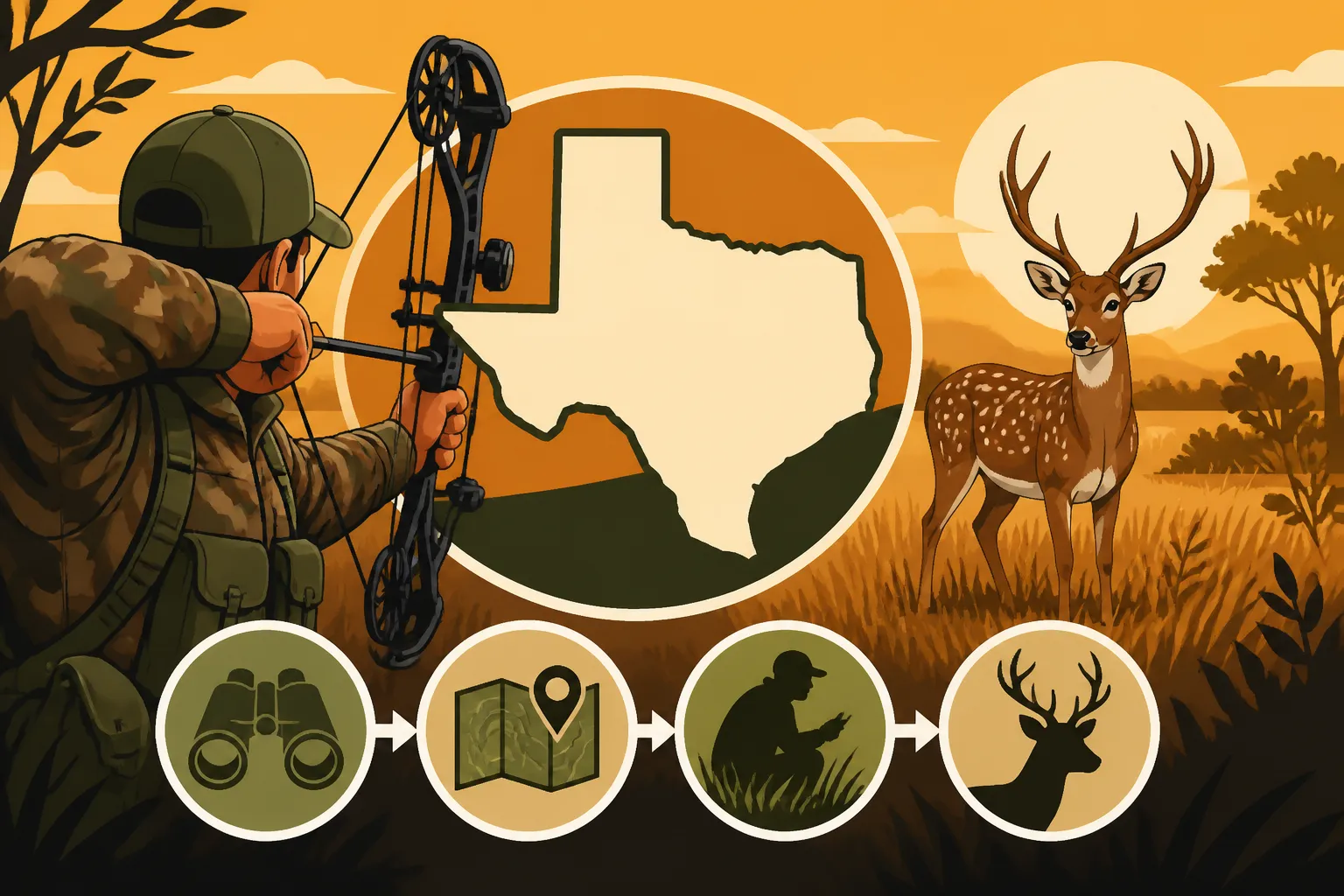
How to Hunt Axis Deer in Texas (Step by Step)
So you've heard the whispers about Axis deer in Texas – those stunning, spotted exotics that offer some of the best venison out there and a challenging hunt unlike our native whitetails. It’s exciting, but if you’re used to the usual deer season hustle, you might be scratching your head trying to figure out where to even begin with these unique creatures. This guide is here to walk you through everything you need to know, from understanding their habits to executing a successful hunt, so you can confidently pursue Axis deer across the Lone Star State.
Understanding Axis Deer Behavior and Habitat
Hunting Axis deer in Texas is a fantastic experience, but it’s crucial to understand that they operate on a different rhythm than our native whitetail. These magnificent animals, originally from India, have adapted incredibly well to the Texas landscape, particularly in the Hill Country and parts of South Texas. Their behavior, rut cycles, and preferred habitats are distinct, and knowing these differences is your first step toward a successful hunt.
Seasonal Activity and Rut Cycles
One of the most appealing aspects of Axis deer hunting is that they don’t follow a predictable, once-a-year rut like whitetails. Instead, Axis deer can breed year-round, which means you can potentially find hard-antlered bucks any month of the year. While breeding can happen at any time, a peak in rutting activity often occurs from May through August, especially in the Texas Hill Country. During this time, the bucks become more vocal, emitting a distinct bugle or roar that’s quite thrilling to hear. This year-round breeding also means fawns can be born throughout the year.
Because there isn't a fixed "season" for Axis deer on private land in Texas, hunters have incredible flexibility. This continuous activity means you can plan your hunt around your schedule, though targeting those peak rut months can sometimes increase your chances of encountering more active bucks. It’s a game-changer if you’re tired of the narrow windows of opportunity that come with traditional deer seasons.
Preferred Habitat and Foraging Habits
Axis deer thrive in areas that mimic their native environment – open woodlands, grasslands, and brushy terrain where they can find ample forage and cover. In Texas, this translates to dense cedar breaks, live oak thickets, and rolling pastures, particularly prevalent in the Edwards Plateau and South Texas regions. They are primarily grazers, preferring grasses, but they will also browse on forbs, leaves, and some agricultural crops when available. Their diet makes them highly adaptable, and they often congregate in areas with lush vegetation, especially after rainfall.
When you’re scouting, look for fresh tracks in soft soil, grazed areas, and rub lines or scrapes, though their rubs tend to be less aggressive and less frequent than those of whitetails. They often favor areas near water sources, especially during the hotter months, so focusing on tanks, creeks, and river bottoms can be incredibly productive. Understanding their preference for open yet cover-rich terrain helps you narrow down where to concentrate your efforts, ensuring you're not just wandering aimlessly through the vast Texas landscape.
Essential Gear and Setup for Axis Hunting
Just like with any hunting endeavor, having the right gear is non-negotiable for Axis deer. While many items might overlap with your whitetail setup, there are some considerations unique to Axis, especially given their keen senses and often more open habitat. Thinking ahead about your rifle, optics, and hunting position can make all the difference when that trophy Axis buck finally steps out.
Rifle and Ammunition Choices
Axis deer are typically larger than native whitetails, with mature bucks often weighing between 150-250 pounds live weight. This means you'll want a rifle that delivers sufficient energy for a clean, ethical harvest. Calibers in the .270, .30-06, .308 Winchester, or even a 6.5 Creedmoor range are all excellent choices. For those seeking a bit more punch, a .300 Winchester Magnum can certainly get the job done, especially if you anticipate longer shots. The key is shot placement and using a quality hunting bullet designed for reliable expansion and penetration.
Practice with your chosen rifle and ammunition extensively to ensure accuracy out to typical hunting ranges. Many Axis hunts involve shots from 100 to 250 yards, sometimes even further in more open country. Knowing your rifle's capabilities and your personal limitations is paramount. Don't forget your rangefinder; accurately judging distance is critical for a precise shot, especially on an animal that might offer a limited window of opportunity.
Optics and Spotting Equipment
Axis deer possess exceptional eyesight, so high-quality optics are your best friend. A good pair of binoculars, 10×42 or 12×50, will be indispensable for spotting deer at a distance, particularly when Spot-and-Stalk Hunting in Texas (Exotics & Mule Deer). They blend into their environment surprisingly well despite their spots, and their light coloration can make them hard to pick out against dry grass or cedar. A spotting scope can also be incredibly useful, especially if you're hunting vast, open areas and need to evaluate animals from afar without disturbing them.
For your rifle, a variable power scope with good light-gathering capabilities (e.g., 3-9×40, 4-12×40, or even 4-16×50) will provide the versatility needed for both closer encounters in brush and longer shots across fields. Ensure your optics are clear, fog-proof, and can withstand the often harsh Texas conditions. Remember, you can't shoot what you can't see clearly, and Axis deer are masters of disappearing into seemingly sparse cover.
Hunting Blinds and Stands
While spot-and-stalk is a popular and exciting method for Axis deer, hunting from blinds or stands can also be highly effective, especially if you’re targeting specific feeding or travel corridors. Box blinds are excellent for comfort and concealment, allowing you to stay hidden from their keen eyes while maintaining a steady shooting platform. Tripod blinds or elevated tower blinds can also work well, offering a wider field of view, which is often beneficial in their preferred habitats.
Consider your hunting setup carefully. If you’re hunting over a feeder or a known water source, a ground blind or a well-placed pop-up blind can be effective, provided you have good cover for concealment and control your scent. However, remember that Axis deer are incredibly wary. Any unnatural movement or strong scent will send them packing, so always set up with the wind in your favor and minimize your presence. For those interested, diving into more specific setups can be found in a guide about Box Blind vs Tripod vs Ground Blind in Texas.
Step-by-Step Tactics for Successful Axis Hunting
Hunting Axis deer requires patience, stealth, and a keen understanding of their movements. Whether you prefer to cover ground on foot or sit and wait, having a solid tactical plan will greatly improve your odds. These deer are notoriously wary, making a successful harvest all the more rewarding.
Spot-and-Stalk Techniques
Spot-and-stalk is arguably the most exhilarating way to hunt Axis deer, particularly in the rolling hills and open brush country of Texas. It demands patience and meticulous attention to detail. The process begins with extensive glassing – using your high-quality binoculars or spotting scope to systematically scan large areas from a vantage point. Look for any movement, a patch of their distinctive spotted hide, or the tell-tale glint of antlers in the sun. Given their exceptional eyesight, you’ll want to spot them long before they spot you.
Once you’ve identified a target animal or group, the real work begins. Plan your approach carefully, always using the wind to your advantage to keep your scent from drifting towards them. Utilize natural terrain features like draws, ridges, and dense brush to remain concealed. Move slowly and deliberately, taking one step at a time, pausing often to re-evaluate the deer’s position and behavior. A good rule of thumb is to take two steps, then stop and scan for 30 seconds. The goal is to get within comfortable shooting range without being detected. This method often involves long walks and considerable effort, but the satisfaction of executing a perfect stalk is unmatched.
Hunting Over Feeders and Water Sources
While Axis deer aren't native, many ranches in Texas manage them by supplementing their diet, often utilizing feeders. If you're on a property with active feeders, this can be an incredibly effective way to attract and harvest Axis deer. Similar to Hunting Over Feeders & Corn in Texas (Legal Guide) for whitetail, Axis deer will readily visit feeders, especially those dispensing protein pellets or corn. Establishing a consistent feeding pattern can make deer more predictable, allowing you to set up a blind or stand within a strategic shooting distance.
Beyond feeders, water sources are a magnet for Axis deer, particularly during the hot Texas summer months. Identifying natural springs, stock tanks, or even man-made watering troughs and setting up a blind nearby can be highly productive. These areas become essential gathering points, especially during dry spells. When hunting over feeders or water, scent control is paramount. Always approach your blind quietly and before first light or well before the evening feeding period to avoid spooking game. Patience is your greatest virtue here, as you might spend hours waiting for the perfect opportunity.
Using Calls and Decoys
While not as common as for whitetails, calling can sometimes be effective for Axis deer, especially during their peak rut period (typically May-August). Bucks will emit a loud, guttural roar or bugle to attract does and challenge other bucks. Learning to mimic this call can occasionally draw in an inquisitive buck, though it requires practice and a good understanding of their vocalizations. Does also have a soft bleat, which can sometimes be used to stop a deer for a shot or to attract does, potentially bringing a buck with them.
Decoys are less frequently used for Axis deer compared to whitetail, mainly because of their wary nature and the difficulty in placing them effectively in varied terrain without spooking other animals. However, in specific scenarios, such as in very open country where a buck might be visible from a distance but hesitant to approach, a well-placed buck decoy could potentially pique his interest. This is a more advanced tactic and might not be suitable for every hunting situation. For a deeper dive into vocalizations, considering strategies in guides like How to Grunt and Rattle Whitetail in the Hill Country might provide some transferable insights, though specific Axis calls are distinct.
Post-Harvest Considerations and Meat Care
Congratulations on a successful Axis hunt! The work isn't over yet, though. Proper post-harvest care is crucial, especially in the Texas heat, to ensure you preserve that prized venison. Axis deer meat is widely considered some of the best wild game meat available, so taking the time to handle it correctly will pay dividends in the kitchen.
Field Dressing in Texas Heat
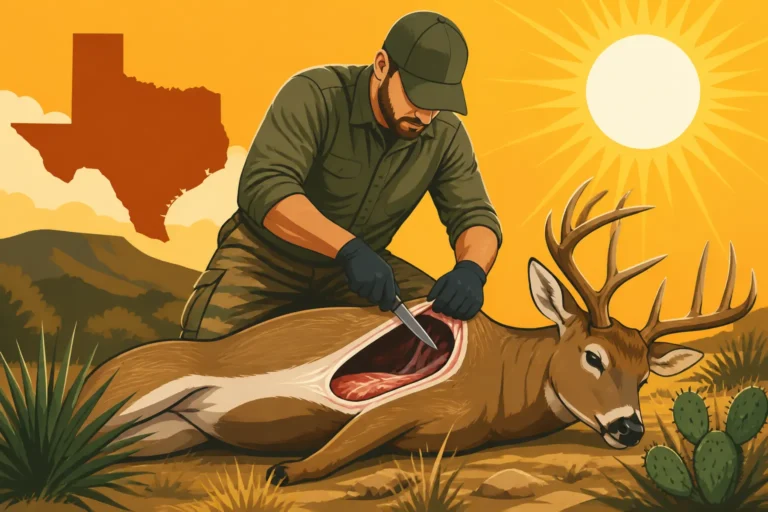
Texas heat is no joke, and game meat spoils quickly if not handled properly. As soon as your Axis deer is down, the clock starts ticking. The absolute first step is to How to Cool a Deer Fast in Texas Heat by field dressing it immediately. This involves removing the internal organs to allow the carcass to cool down as rapidly as possible. Cut around the anus, make an incision from the breastbone to the pelvis, and carefully remove all organs, including the trachea and esophagus. Be careful not to puncture the stomach or intestines.
Once field dressed, prop the cavity open to facilitate airflow. If you have ice available, pack the cavity with ice bags. This is especially important if you have a long drive back to camp or the processor. During cooler months, hanging the deer in a shaded, airy spot can suffice for initial cooling, but in Texas, ice is almost always your best friend. The goal is to get the core temperature of the meat down as quickly as possible to prevent bacterial growth and spoilage.
Transporting and Processing Your Axis Deer
After field dressing and initial cooling, you’ll need to transport your deer to a processor or to your own processing station. If you’re taking it to a commercial processor, many outfitters or leases have recommendations for local, reputable places. Be sure to call ahead to ensure they are open and can accommodate your animal. When transporting, continue to keep the carcass cool. A large cooler packed with ice is ideal for smaller Axis deer, or a truck bed with tarps and plenty of ice for larger animals.
When it comes to processing, Axis venison is known for its mild flavor and tender texture, often described as having less gamey taste than whitetail. You’ll want to decide on cuts – steaks, roasts, ground meat, and sausage are all popular options. Many hunters choose to keep some cuts specifically for grilling or searing, given the quality of the meat. Don't be shy about trying out different recipes; Axis venison is incredibly versatile and makes for truly delicious meals. For more detailed instructions on preparing your harvest, consider looking into guides on Field Dressing & Processing Game in Texas Heat.
Trophy Care for Antlers and Hide
If you’ve harvested a trophy Axis buck, proper care of the antlers and hide is essential. For skull mounts, clean the skull thoroughly by boiling or maceration, being careful not to damage the delicate nasal bones. For shoulder mounts, you'll need to cape the deer carefully. Make an incision behind the front legs, up along the back, and around the neck, leaving plenty of hide for the taxidermist. Roll the hide flesh-side out and keep it cool, ideally by salting it thoroughly or freezing it, until you can get it to a reputable taxidermist.
The hide of an Axis deer is also stunning, with its distinctive spots. If you plan to have the hide tanned, ensure it’s properly fleshed and salted quickly after the hunt. Many hunters appreciate the aesthetic appeal of an Axis hide as a rug or wall hanging. Whatever your choice, prompt and correct care will ensure your trophy lasts for years to come, a lasting memory of an incredible Texas Axis hunt.
Axis Deer Hunting Overview
Here's a quick reference table summarizing key aspects of hunting Axis deer in Texas:
| Aspect | Description |
|---|---|
| Season/Regulations | No closed season or bag limit on private land in Texas, as they are considered an exotic species. This offers year-round hunting opportunities. A valid Texas hunting license is still required. |
| Peak Rut | While breeding occurs year-round, peak rut activity is typically May-August, leading to more vocal bucks and increased daytime movement. |
| Preferred Habitat | Open woodlands, brush country, and grasslands, particularly common in the Edwards Plateau (Texas Hill Country) and some areas of South Texas. Seek areas with ample forage and water. |
| Recommended Calibers | .270, .30-06, .308 Winchester, 6.5 Creedmoor, or similar mid-to-large game calibers with quality hunting bullets. |
| Hunting Methods | Spot-and-stalk is popular due to their open habitat preferences. Hunting over feeders or water sources from blinds is also highly effective. Limited success with calling; decoys are rarely used. |
| Meat Quality | Widely considered one of the best-tasting wild game meats, known for its mild flavor and tender texture. |
| Key Challenge | Extremely wary animals with excellent eyesight and hearing. Requires stealth, patience, and precise shot placement. |
Disclaimer
Please note that hunting regulations, seasons, and licensing requirements can change. Always consult the most current Texas Parks and Wildlife Department (TPWD) Outdoor Annual or website for the official and up-to-date information before planning any hunting trip. This guide is for informational purposes only and should not be considered a substitute for official regulations.