Best Tactics for Late-Season Deer in Texas
Man, if you've ever tried to hunt deer in Texas after the main rut winds down, you know it can feel like the animals just vanish into thin air. That initial excitement of early season and the chaos of the rut are long gone, replaced by wary deer, colder temperatures, and often, much tougher hunting conditions. It’s a real challenge to fill those remaining tags when bucks are worn out and does are hunkered down, but with the right approach and a deep understanding of late-season deer behavior, you can absolutely turn the odds in your favor. This guide is all about giving you those actionable strategies to find success when the calendar pages are getting thin.
Understanding Late-Season Deer Behavior in Texas
Late season in Texas, generally from late December through the end of January, presents a completely different animal than what you experienced in October or November. The deer's priorities shift dramatically, and if you don't adjust your tactics, you'll be spending a lot of time staring at empty woods.
The Impact of Hunting Pressure
By late season, deer, especially mature bucks, have seen it all. They've dodged hunters in blinds, jumped at rattling sequences, and generally become experts at avoiding detection. This accumulated pressure makes them incredibly skittish and nocturnal. What might have worked in October when deer were less pressured or during the frenzy of the rut, simply won't cut it now. They become masters of stealth, moving under the cover of darkness or in the densest thickets, making daylight encounters a rare prize. You'll often find them taking the path of most resistance, avoiding open areas and human activity at all costs. This is why understanding their patterns, not just their presence, is paramount. If you want to know more about the general approaches for hunting these animals, our guide on White-Tailed Deer Hunting in Texas: Complete Guide offers a great overview.
Post-Rut Recovery and Nutrition Needs
The rut is physically brutal for bucks. They've spent weeks chasing does, fighting rivals, and barely eating, often losing 20-30% of their body weight. By late season, their primary focus shifts entirely to recovery. They need to replenish their fat reserves and regain strength before the stress of winter truly sets in and to prepare for the next antler growth cycle. This means their diet becomes incredibly important. They're looking for high-calorie, easily accessible food sources that will help them pack on the pounds. Does, too, are focused on nutrition, especially those that bred and are now carrying fawns. They need to sustain themselves and their developing offspring through the leaner months. This physiological drive for food is a critical factor you can exploit.
Weather Patterns and Their Influence
Texas weather can be famously unpredictable, but late season often brings the coldest temperatures, and sometimes even ice or snow, especially in the Panhandle or parts of the Hill Country. Cold snaps, especially after a period of mild weather, can significantly increase deer activity during daylight hours as they seek to feed and warm up. Conversely, unusually warm late-season days can suppress activity, pushing deer movement closer to dawn and dusk or even entirely into the night. Wind is another huge factor; strong winds make deer uneasy, as it hinders their ability to hear predators, so they'll often seek sheltered, lower-elevation areas or dense cover. Pay close attention to frontal systems moving through. The hours just before and after a significant cold front often provide some of the best hunting opportunities, as deer anticipate or react to the change in weather. Knowing the Texas Deer Season 2026-2027: Dates by Zone will help you align your hunts with these weather predictions.
Scouting and Locating Late-Season Deer
You can't just hunt where you hunted in October and expect the same results. Late-season success hinges on diligent, intelligent scouting. It's about finding those specific pockets where deer feel safe and can satisfy their core needs.
Focusing on Food Sources
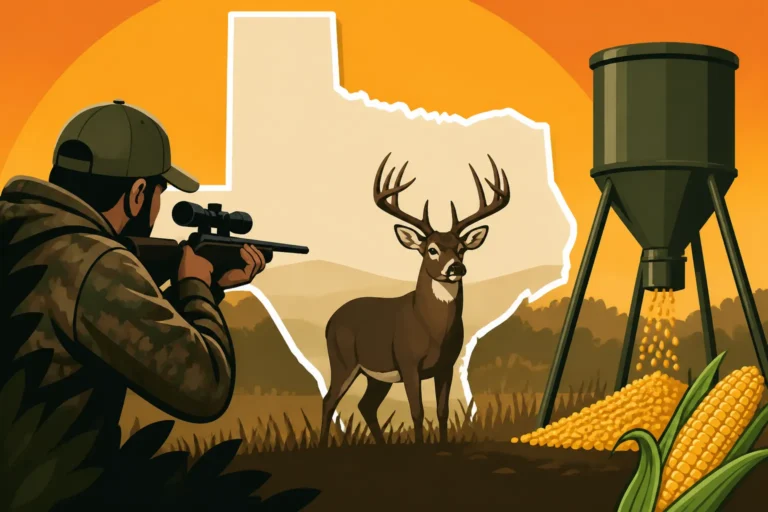
As mentioned, food is king in the late season. Natural browse might be sparse, and acorns, if they were abundant, are likely gone or heavily picked over. This drives deer to search for alternative, high-energy food sources. If you have access to areas with unharvested agricultural fields, like corn, wheat, oats, or even pecan groves, these become absolute magnets. Deer will travel significant distances to hit these reliable food buffets. Even in more natural settings, look for honeysuckle, green briar, or any remaining browse that's still palatable. Food plots, if they were planted with cold-tolerant forage like winter wheat, oats, clover, or brassicas, will be hot spots. A well-maintained food plot can draw deer from neighboring properties. If you're utilizing feeders, ensuring they are consistently full of quality corn or protein pellets becomes even more crucial. Understanding the optimal Best Corn for Deer Feeders in Texas can make a real difference.
Identifying Thermal Cover and Bedding Areas
When temperatures drop, deer seek refuge. Thermal cover—dense cedar brakes, thickets of mesquite, brushy draws, or stands of pines—provides critical insulation from the cold wind and precipitation. These areas also offer security, which is paramount for pressured late-season deer. Look for south-facing slopes, as these areas receive more sunlight and can be several degrees warmer than north-facing slopes. Deer will often bed on these sun-drenched hillsides during the day, soaking up what little warmth they can. Scouting these areas carefully, looking for fresh tracks, droppings, and rubbed beds, will give you clues to their daytime hideouts. Remember, they'll often bed closer to their preferred food sources than they might during the rut, to minimize energy expenditure.
Utilizing Trail Cameras for Patterning
Your trail cameras become invaluable tools in the late season. Forget hoping and guessing; cameras give you concrete data on deer movement patterns, especially those elusive nocturnal bucks. Place cameras strategically over active food sources, pinch points leading to bedding areas, or along known travel corridors. Pay close attention to the timestamps. Are deer hitting feeders or food plots only at night? Are they moving earlier or later on certain days? This information is gold. Look for consistent patterns: a specific buck hitting a particular field every few days, or a group of does moving through a certain funnel at a predictable time. Cellular trail cameras, like the Tactacam Reveal or Moultrie Edge, are especially useful as they transmit images directly to your phone, allowing you to monitor activity without disturbing the area. If you're new to this, learning How to Pattern Bucks With Trail Cameras is a game-changer.
Effective Hunting Tactics for Success
Once you've done your homework and understand where the deer are and why, it's time to refine your hunting strategy.
Stand Placement and Scent Control
Late-season deer are incredibly sensitive to human presence. Your stand placement needs to be absolutely perfect. Position your blinds or stands to capitalize on wind direction, ensuring your scent is carried away from known travel routes and food sources. If you're using a Box Blind vs Tripod vs Ground Blind in Texas, consider the advantages of a fully enclosed box blind for scent containment and warmth. Place your stand overlooking a food source that deer are consistently hitting, or a major travel corridor between a bedding area and a food source. Set up well before daylight, and plan your exit strategy to avoid spooking deer. Scent control isn't just a suggestion; it's a necessity. Wash your hunting clothes in scent-free detergent, use scent-eliminating sprays, and store your gear properly. Even then, paying attention to wind is your ultimate scent defense.
Still-Hunting and Stalking Approaches
Sometimes, sitting in a blind isn't going to cut it, especially if deer patterns are erratic, or you're hunting vast, brushy terrain. Still-hunting, which is moving slowly and deliberately through the woods, pausing frequently to observe and listen, can be incredibly effective in the late season. Focus on areas with good cover and visibility, like the edges of dense thickets or along creek bottoms. Move into the wind, taking one slow step at a time, scanning ahead for any sign of deer. This method requires immense patience and sharp observational skills. For more open or rocky terrain, or when targeting a bedded animal you’ve spotted, stalking can work, but it’s exceptionally difficult with wary, late-season deer. It requires perfect wind, quiet foot placement, and utilizing every bit of available cover. You need to be incredibly disciplined and realistic about your chances of closing the distance without being detected.
Understanding Deer Movement Times
While deer activity can be more nocturnal in the late season due to pressure, cold weather can often push them to move more during daylight hours, especially in the late mornings and early afternoons. Don't fall into the trap of only hunting dawn and dusk. Bucks need to feed and will often seek out the warmest parts of the day to do so, particularly after a cold night. They might move from their thermal bedding cover to a sunny slope to browse or head to a food source midday. Staying in your stand longer, especially from mid-morning through early afternoon, can significantly increase your odds. Pay close attention to camera data to pinpoint these unexpected midday movements. Our article on the Best Time of Day to Hunt Whitetail in Texas offers deeper insights into these patterns.
Gear Considerations for Late-Season Conditions
Texas late season can throw a real curveball in terms of weather, from mild days to freezing rain. Having the right gear isn't just about comfort; it's about staying in the field longer and staying safe.
Staying Warm and Concealed
Layering is key for Texas late-season hunting. Start with a moisture-wicking base layer, add insulating layers (fleece or down), and top it with a waterproof and windproof outer shell. This allows you to adjust to fluctuating temperatures throughout the day. Hand warmers and toe warmers are your best friends on truly cold mornings. A good quality hunting beanie or insulated hat is crucial, as you lose a significant amount of heat through your head. For concealment, consider a camouflage pattern that blends with the dormant late-season vegetation, often more muted browns, grays, and darker greens. Don't forget a face mask or face paint to break up your human outline. For those considering starting their hunting journey, our Best Hunting Gear for Beginners in Texas By Budget provides excellent foundational advice.
Optics for Low Light
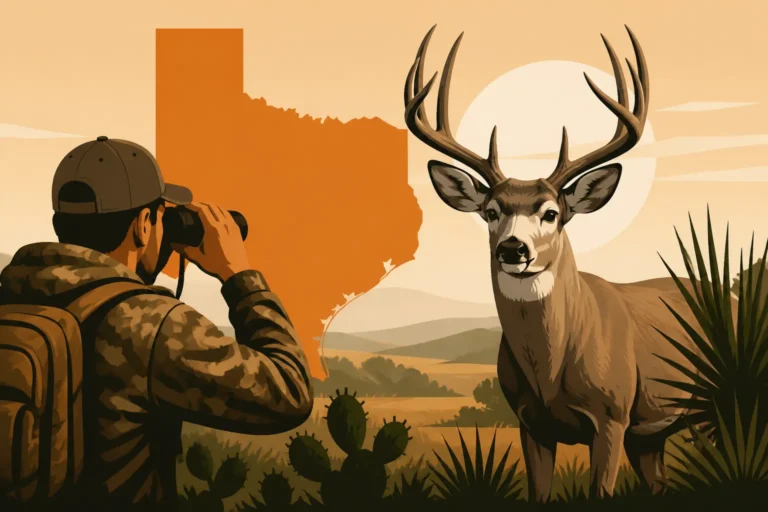
With deer often moving at first light and last light, or even on overcast, dreary days, quality optics become non-negotiable. Binoculars with good light-gathering capabilities (e.g., 8×42 or 10×42) will help you pick apart dense cover and spot deer in low light conditions. A reliable rangefinder is also essential for accurate shot placement, especially if deer are wary and keeping their distance. For your rifle, a scope with a large objective lens and excellent glass will perform better in dim light, allowing you to identify your target clearly and confidently during those critical twilight moments. Check out our recommendations for the Best Rifle Scope for Texas Deer Hunting to ensure you're well-equipped.
By combining these tactics – understanding deer behavior, diligent scouting, smart stand placement, and appropriate gear – you can turn those challenging late-season hunts into successful and rewarding experiences. It's a grind, no doubt, but the satisfaction of tagging a mature, wary late-season buck is truly unparalleled.
Texas Late-Season Deer Hunting Summary
| Aspect | Early/Mid-Season Characteristics | Late-Season Characteristics (Dec-Jan) | Tactical Adjustment |
|---|---|---|---|
| Deer Behavior | Active, focused on rut, less pressured by humans. | Wary, nocturnal, recovering from rut, highly pressured. | Extreme caution, minimal disturbance, focus on stealth. |
| Primary Focus | Breeding, territory defense. | Nutrition, recovery, thermal comfort. | Locate prime food sources and thermal cover. |
| Food Sources | Acorns, lush browse, early food plots. | Remaining acorns, cultivated crops (wheat, oats), protein feeders. | Hunt over persistent or planted food sources, ensure feeders are full. |
| Bedding Areas | Varied, sometimes open, security less critical. | Dense thermal cover, south-facing slopes, thickets near food. | Scout for dense, sheltered areas close to food. |
| Movement Times | Heavy rut activity all day, especially mornings/evenings. | Primarily nocturnal, but cold snaps can increase midday activity. | Extend hunting hours, especially mid-morning to early afternoon on cold days. |
| Hunting Pressure | Increasing, but deer still somewhat naive. | Very high, deer are educated and alert. | Meticulous scent control, quiet entry/exit, proper wind. |
| Scouting | General trail cam monitoring, active sign. | Intense focus on fresh tracks, droppings, consistent patterns. | Utilize cellular trail cameras for real-time intel without disturbance. |
| Stand Placement | Can be more aggressive, closer to travel corridors. | Conservative, focusing on bottlenecks, obscured approaches. | Enclosed blinds for scent/warmth, entry/exit routes. |
| Weather Impact | Less significant, unless extreme heat or cold. | Major driver of activity; cold fronts = good, warm = bad. | Monitor forecasts, hunt aggressively before/after cold fronts. |
Disclaimer
Please note that hunting regulations, seasons, and licensing requirements in Texas can change. Always consult the official Texas Parks and Wildlife Department (TPWD) Outdoor Annual or their website for the most current and accurate information before planning any hunt. This guide is for informational purposes only and should not replace official sources.