How to Hunt Ducks in Texas (Step by Step)
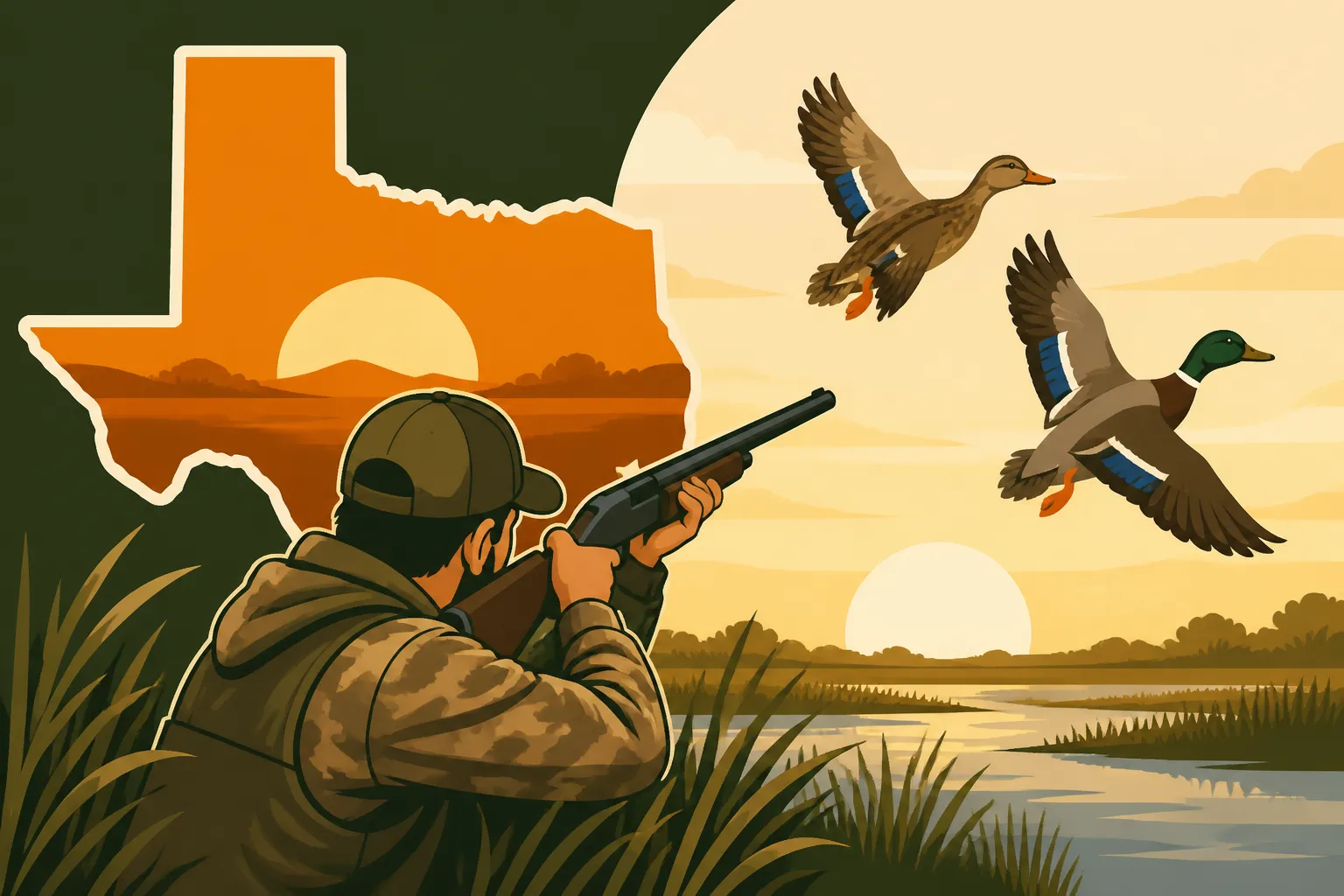
The anticipation of a crisp morning, the distant whoosh of wings, and the thrill of ducks cupping into your spread is what drives so many of us to the marshes, playas, and rivers of Texas. But let's be real, duck hunting here isn't just showing up and pulling the trigger; it's a strategic dance with some of the smartest birds out there, often under challenging conditions. This guide is going to walk you through everything you need to know to improve your odds and truly enjoy the art of duck hunting across our diverse Texas landscapes.
Understanding Texas Duck Hunting: More Than Just Blasting at Birds
Texas is a major crossroads for migratory waterfowl, and that means incredible opportunities but also unique challenges. You're not just dealing with the ducks; you're dealing with vast open spaces, fickle weather, and varying water conditions that can change your game plan in an instant.
The Unique Challenges of Texas Waterfowl Hunting
First off, Texas weather is notoriously unpredictable. One day it's a balmy 70 degrees in November, and the next a blue norther blasts through, dropping temperatures into the 30s with a biting wind. This weather directly impacts duck behavior. Mild weather can make ducks lazy, holding them in larger, undisturbed water bodies, while a cold front often pushes them south and concentrates them in smaller, protected areas. You have to be adaptable, ready to swap out your lightweight waders for heavy-duty ones, or your wide-open field spread for a tight timber setup.
Then there's the sheer scale of the state. We're talking everything from the coastal marshes along the Gulf, known for Pintails and Redheads, to the playa lakes of the Panhandle teeming with Mallards and Wigeon, and the timbered bottoms of East Texas where Wood Ducks reign supreme. Each environment demands a different approach, from decoy spreads to concealment methods. You might be slogging through knee-deep mud in a coastal prairie one week and hunkering down in a dry blind overlooking a playa the next. The habitat diversity truly makes Texas duck hunting a school of hard knocks, but that's precisely what makes a successful hunt so rewarding.
Key Species and Their Habits Across the State
Texas is home to an incredible array of duck species, each with its own quirks and preferences. Knowing what you're likely to encounter in a given region and how they behave is fundamental to success.
- Mallards: Often considered the king of ducks, these green-headed beauties are common across much of Texas, especially in the northern and central parts of the state. They love flooded fields, shallow marshes, and playa lakes. They're drawn to realistic decoys and respond well to traditional "quack" calls.
- Pintails: Graceful and fast-flying, Pintails are a staple of the Texas coast and larger open water bodies. They often prefer shallower water and aren't as keen on heavily timbered areas. A good pintail whistle can be incredibly effective when these birds are working.
- Green-Winged Teal: These small, speedy ducks are everywhere, especially early in the season during the special September Teal Season. They fly in tight flocks and are drawn to smaller, flooded areas. Their rapid flight makes them a fun challenge for any shotgunner. You'll find these guys across the state, from the coastal flats to small stock tanks in the Hill Country.
- Wigeon: Known for their distinct "whee-woo" call, Wigeon are common on large, open water and coastal prairies. They are grazers and are often found in fields or shallow ponds with abundant vegetation. They decoy well, especially to spreads that include wigeon-specific decoys.
- Redheads and Bluebills (Scaup): These diving ducks are primarily found along the Texas coast, particularly in the Laguna Madre and other bay systems. They prefer deeper, brackish, or saltwater environments and are less likely to be found inland. Hunting these often requires large spreads of diving duck decoys and boats for access.
- Wood Ducks: Stunningly beautiful, Wood Ducks are woodland birds, favoring flooded timber, rivers, and creeks in East Texas. They have a distinctive squealing call and often fly at dawn and dusk. Their habitat choice means jump-shooting or setting up in tight, timbered areas is often the most effective way to hunt them.
Understanding these preferences—where they eat, where they loaf, and what kind of cover they seek—will dictate your scouting efforts and your overall hunting strategy.
Essential Gear & Setup for Texas Duck Hunters
Hunting ducks in Texas requires more than just a shotgun and a few shells. The right gear and a well-thought-out setup can make all the difference between a frustrating day and a memorable hunt.
Decoy Spreads That Actually Work in Different Water Types
Your decoy spread is your primary tool for attracting ducks, and it needs to be tailored to the environment you're hunting and the species you're targeting. There's no one-size-fits-all solution, especially in Texas.
- Open Water (Coastal Bays, Large Lakes, Playas): For these expansive areas, you need a large, visible spread. Think big U-shaped or J-shaped patterns with the opening facing downwind, inviting ducks to land in the "hole." Use a mix of species that frequent the area, such as Mallards, Pintails, and Wigeon for inland, or Redheads and Bluebills for the coast. Motion decoys, like spinning wing decoys or jerk strings, are incredibly effective in attracting attention from a distance. The wind is your friend here; it adds life to your decoys. For a deep dive into how to set up your spread, check out our guide on the Best Duck Decoy Spread for Texas Coast.
- Flooded Timber/Small Ponds (East Texas, Farm Ponds): In tighter, more intimate settings, less is often more. A small, natural-looking cluster of a dozen or two decoys, mostly Mallards and Wood Ducks, can be more effective than an overwhelming spread. Place them in pockets of open water or along natural travel lanes. Keep the spread loose and irregular, mimicking ducks feeding or loafing naturally. Again, a subtle jerk string can add just enough movement without looking artificial.
- Sheet Water/Flooded Fields (Rice Fields, Rain Puddles): These shallow areas are often overlooked but can be goldmines after heavy rains or during certain agricultural cycles. Use shallow-keel decoys or even "spreader" style decoys designed for minimal water. A simple spread of a dozen to two dozen decoys, perhaps in a loose "X" or "V" pattern, can work wonders. Focus on realism and keep them close to your blind, as ducks will often commit quickly to these temporary food sources.
No matter the spread, ensure your decoys are clean, free of unnatural sheen, and rigged properly to avoid tangles. Nothing screams "fake" like a dozen decoys all facing the same direction on a perfectly still morning.
Blinds and Cover: Staying Hidden in Plain Sight
Ducks have incredible eyesight, and if they spot you, your hunt is over before it even begins. Effective concealment is paramount.
- Natural Cover Blinds: The best blind is often one you don't have to build. Utilize natural features like thick cattails, tall grass, fallen logs, or the natural contours of the bank. Brush yourself in meticulously, using local vegetation to break up your outline. For coastal hunts, sometimes simply lying down in tall grass or marsh vegetation can be surprisingly effective.
- Layout Blinds (Flooded Fields/Open Country): For hunting in extremely open areas like flooded fields or dry playas, a layout blind is your best friend. These low-profile blinds allow you to lie flat and emerge only when it's time to shoot. They are extremely effective when brushed in properly with the local stubble or vegetation. They disappear into the landscape, offering a comfortable and highly concealed hunting position.
- Permanent or Portable Pit Blinds: On some leases or private land, permanent pit blinds are installed. These offer excellent concealment and comfort. For public land or temporary setups, portable pit blinds or even small, pop-up ground blinds can be effective if brushed in thoroughly. The key is to break up the harsh lines of the blind with natural materials. Remember, ducks are looking down from above, so top concealment is just as important as side concealment.
Always think about your background. Don't silhouette yourself against the sky. Position your blind so you blend into a darker background like a tree line or a distant bank.
Critical Clothing and Waders for Texas Conditions
Texas weather demands versatility in your hunting apparel. Being cold, wet, or uncomfortable will ruin your hunt faster than anything.
- Waders: You absolutely need a good pair of waders, and for Texas, that often means breathable, insulated waders. Neoprene waders are great for colder weather, but in early season or during warmer fronts, they can be stifling. Breathable chest waders with good insulation are a solid all-around choice. Look for durable construction that can withstand the scrapes of brush, mud, and whatever else the Texas landscape throws at you. Brands like LaCrosse and Banded offer reliable options that can stand up to the rigors of our diverse hunting environments.
- Layering System: This is crucial. Start with a moisture-wicking base layer to manage sweat. Add an insulating middle layer (fleece or synthetic down) for warmth. Your outer layer should be waterproof and windproof. On colder days, you might add a third insulating layer. The ability to shed or add layers as the temperature fluctuates throughout the day is key to staying comfortable. Don't forget a warm hat and gloves, even on days that start mild.
- Camo Pattern: While ducks aren't as particular about camo patterns as deer, choosing one that blends with your specific environment is still important. Marsh patterns work well in coastal areas, while patterns with more browns and grays are better for dry fields or playa lakes. Generally, patterns that mimic reeds, cattails, or tree bark are effective.
Step-by-Step Duck Hunting Tactics in Texas
Success in duck hunting isn't about luck; it's about preparation, execution, and adapting to the birds' behavior.
Scouting Your Spots: The Pre-Hunt Homework
This is arguably the most critical step. You can have the best gear and calling skills, but if you're not where the ducks want to be, you won't kill birds.
- Aerial Reconnaissance (Online Maps): Start with satellite imagery. Google Earth or hunting apps like onX Hunt vs HuntStand: Best App for Texas? can reveal potential water bodies, flooded timber, agricultural fields, and travel corridors. Look for areas with diverse vegetation, nearby roosting cover, and signs of recent water.
- On-the-Ground Scouting: Nothing beats boots on the ground. Drive back roads, look for water, and most importantly, watch and listen. Ducks will tell you where they are. Scout during midday or late afternoon when they are moving from feeding to loafing areas. Look for ducks loafing on open water, feeding in shallow areas, or flying consistent patterns. Pay attention to how they approach and depart the water. This will give you clues on where to set your decoys and blind.
- Timing Your Scouting: Don't scout too early. Duck patterns can change with weather and food availability. Ideally, scout a few days before your hunt, and if possible, even the day before. If you find birds, don't over-pressurize the area. A quick look and exit is best. Remember that scouting for ducks is different than scouting for deer, where you might be looking for buck sign or scrape lines. For ducks, you're looking for the birds themselves and the water they prefer.
Calling Techniques for Drawing Them In
A good duck call is an extension of your hunting strategy, but it's not about being the loudest or most complex caller. It's about being convincing.
- Mallard Calls: The basics are the "hail call" (long, loud pleading notes to get their attention), the "comeback call" (shorter, sharp notes when they're turning away), and the "feed call" (muffled, rapid clucks and quacks mimicking ducks feeding contentedly). Practice these until they sound natural.
- Pintail Whistle: A simple three-note whistle can be deadly for Pintails. It's often less intimidating than a mallard call and very effective for these wary birds.
- Teal Whistle/Chuckle: For Green-Winged Teal, a high-pitched whistle or a fast, excited chuckle can bring them darting in.
- When to Call, When to Be Quiet: Don't overcall. If ducks are locked on and heading your way, often the best call is no call at all. Use your call to get their attention, turn them, and then perhaps a soft feed call to bring them the last distance. If they're working your spread, a subtle chuckle might be all you need. If they're flaring, stop calling, identify the problem (usually a visible hunter or bad decoy spread), and adjust. Think of your call as a tool, not a noisemaker.
Shot Placement and Retrieval: Ethical Hunting Practices
Taking ethical shots and retrieving your birds efficiently are critical aspects of responsible duck hunting.
- Understanding Shot Patterns: Know how your shotgun patterns with your chosen load. Pattern your gun before the season at different distances (20, 30, 40 yards) to understand its effective range. This will prevent you from taking low-percentage shots.
- Clean Kills: Aim for the head and neck or the vital organs in the body cavity. A duck coming into your spread should present an easy shot. The most ethical shot is usually one when the duck is close, with its wings set or landing. Avoid sky-busting or taking shots at ducks beyond your effective range. The goal is a quick, humane kill.
- Retrieval Dogs: A good retrieving dog is invaluable, especially in thick cover or deep water. They drastically reduce crippled birds and ensure every bird you shoot is recovered. If you don't have a dog, always mark your birds carefully when they fall and go directly to them. Use the wind and current to your advantage if possible.
- Following Up Cripples: If you cripple a bird, drop everything and focus on dispatching it immediately. This is a non-negotiable ethical obligation. A second shot on the water or quickly dispatching it by hand prevents unnecessary suffering.
Navigating Regulations and Seasons
Texas hunting regulations can feel like a maze, but understanding them is non-negotiable. Ignorance is no excuse, and violating regulations can lead to hefty fines and loss of hunting privileges.
Texas Duck Zones and Important Dates
Texas is divided into distinct duck zones, each with its own season dates. These are set by the Texas Parks and Wildlife Department (TPWD) in conjunction with federal guidelines.
- High Plains Mallard Zone: This zone covers the Texas Panhandle and is known for its playa lakes, drawing in significant numbers of Mallards and other dabbling ducks. Its season usually opens earlier than other zones.
- North Zone: Encompasses a large portion of North and Central Texas.
- South Zone: Covers the southern half of the state, including the critical coastal marshes and Laguna Madre.
- Special Youth-Only Seasons: These are offered in all zones and provide a fantastic opportunity for young hunters to get out in the field before the regular season opens.
It's absolutely essential to consult the most current Texas Duck & Waterfowl Season 2026: Zones dates published in the TPWD Outdoor Annual each year. These dates can shift slightly, so always double-check.
Licensing, Stamps, and HIP Certification
Before you even step foot in the marsh, make sure your paperwork is in order.
- Texas Hunting License: You'll need a valid Texas hunting license. For residents, the Super Combo license is often the most cost-effective option, covering various species. Non-residents will need a non-resident general hunting license. You can purchase these online through the TPWD website, at most sporting goods stores like Academy Sports + Outdoors, or at authorized license retailers. Find out more about the Texas Hunting License: Cost, Types & How to Buy (2026) if you need more details.
- Federal Duck Stamp: This is a federal requirement for all migratory bird hunters aged 16 and older. It's a physical stamp that you sign across the face.
- Texas Migratory Game Bird Endorsement: This is a state endorsement required in addition to your regular hunting license.
- Harvest Information Program (HIP) Certification: You must be HIP certified to hunt migratory game birds in Texas. This is a free certification that involves answering a few simple questions about your previous year's harvest, which helps wildlife agencies gather important data.
Here's a quick reference table for common duck species, their preferred habitats, and general calling methods in Texas:
| Duck Species | Primary Texas Habitat | Common Calling Methods | Key Identifier Notes |
|---|---|---|---|
| Mallard | Flooded fields, shallow marshes, playa lakes | Hail, comeback, feed calls | Green head (male), orange feet, dabbler |
| Pintail | Coastal bays, open marshes, shallow fields | Whistle call | Long, slender neck; needle-like tail (male) |
| Green-Winged Teal | Small ponds, sheet water, rice fields | High-pitched whistle, chuckle | Smallest duck, fast flight, green wing speculum |
| American Wigeon | Large open water, coastal prairies, grazed fields | "Whee-woo" whistle | White patch on wing (male), white crown stripe |
| Redhead | Coastal bays, deep brackish water (Laguna Madre) | Growls, quacks (less vocal) | Round red head (male), grey body, diving duck |
| Wood Duck | Flooded timber, wooded creeks, rivers (East Texas) | High-pitched squeal | Iridescent crest, complex plumage (male), distinct flight |
Always remember to check the specific bag limits for each species, as they can vary annually and by zone. The daily bag limit is the maximum number of birds of a single species you can harvest in one day, while the possession limit is typically three times the daily bag, referring to the number of birds you can have in your possession after a day or multiple days of hunting.
Duck hunting in Texas is a rich and rewarding experience, steeped in tradition and requiring a deep respect for both the birds and the environment. By understanding the species, preparing your gear, mastering your tactics, and diligently following regulations, you'll be well on your way to many successful days in the field.
Disclaimer
Hunting involves inherent risks, including but not limited to injuries from firearms, falls, or encounters with wildlife. Always prioritize safety, adhere to all local and state regulations, and ensure you have proper training and permits before engaging in any hunting activities. This guide is for informational purposes only and should not replace official safety courses or legal consultation.