How to Hunt Mule Deer on a Texas Lease
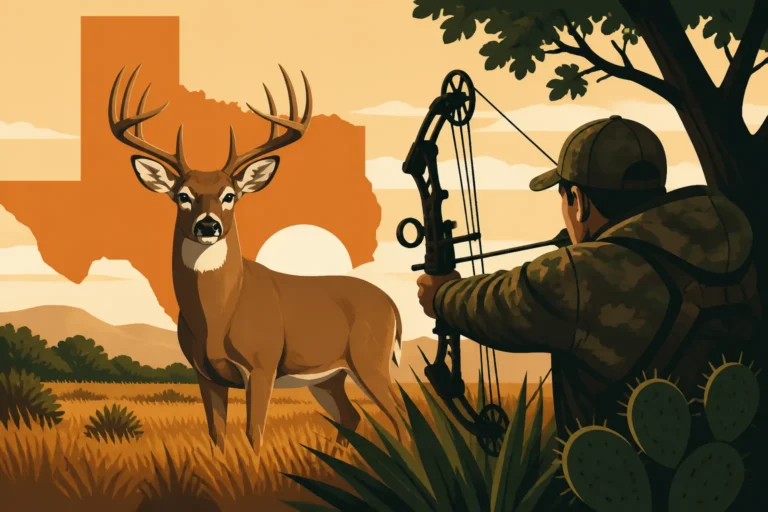
Navigating the vast, rugged landscapes of the Trans-Pecos or the Panhandle for mule deer can feel overwhelming, especially when you are dealing with private land access and tight seasonal windows. This guide simplifies the process of securing a lease, scouting the arid terrain, and mastering the specific tactics needed to harvest a trophy buck on Texas soil.
Finding and Securing a Mule Deer Lease in Texas
Securing a quality mule deer lease is often the biggest hurdle for hunters in the Lone Star State. Unlike whitetail, which are found in almost every county, mule deer populations are concentrated in specific, often harsh environments like the Trans-Pecos, the High Plains, and the Rolling Plains. If you are looking for a lease in places like Alpine, Marfa, or up near Childress, you have to be prepared for a different kind of negotiation. Landowners in these areas often manage their herds strictly, and because mule deer densities are lower than whitetail, the price per hunter can be significantly higher.
When you start your search, you need to decide between a year-round lease and a seasonal or "package" hunt. A year-round lease gives you the advantage of being able to scout during the off-season, set up your camp, and perhaps hunt other species like aoudad or javelina. However, many mule deer hunters find that a seasonal lease is more cost-effective because mule deer movement is so dictated by the rut and weather. If you're following a Best Hunting Method for Mule Deer in Texas approach, you’ll realize that having access during the late November window is where the real value lies. Always ask the landowner about previous harvest records and their specific management goals before signing any paperwork.
Scouting the lease before you commit is non-negotiable. Mule deer are notorious for having massive home ranges, and what looks like a great canyon on a map might be completely devoid of deer if there isn't a consistent water source within a few miles. When you walk a potential lease in the Trans-Pecos, look for "high racks"—the tall, protein-rich desert shrubs—and check the bottoms of the draws for tracks. In the Panhandle, look for where the agricultural fields meet the deep breaks of the Caprock. If the landowner doesn't allow a pre-lease walkthrough, that is usually a red flag that the deer density might not be what they claim.
| Region | Terrain Type | Primary Food Sources | Key Hunting Window |
|---|---|---|---|
| Trans-Pecos | Desert scrub, rocky canyons | Lechuguilla, mesquite beans, forbs | Late Nov – Early Dec |
| Panhandle | High plains, deep breaks | Winter wheat, cotton, sage | Mid to Late November |
| Rolling Plains | Mesquite flats, red dirt hills | Native grasses, agricultural edges | Late November |
Tactical Approaches for a Successful Harvest
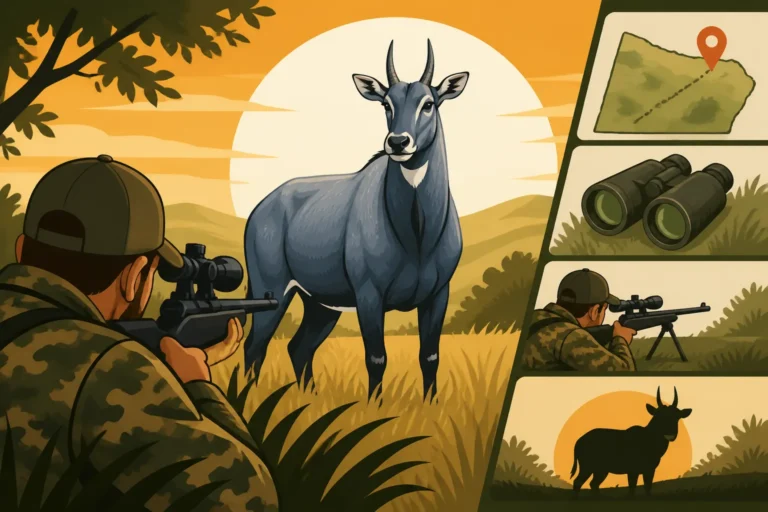
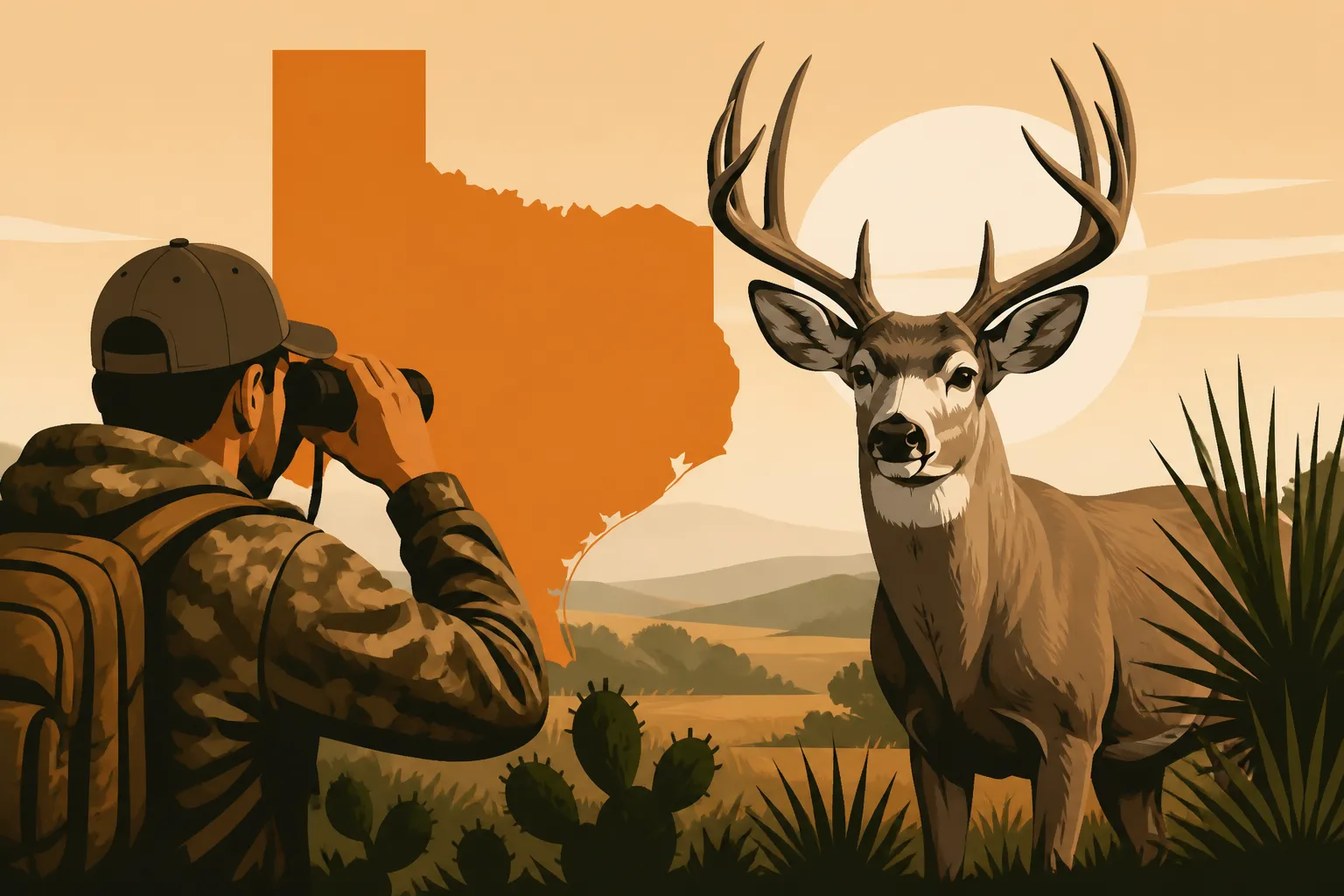
Once you’ve secured your spot, the real work begins. Hunting mule deer on a lease is fundamentally different from the "corn and blind" method used for whitetail in the Hill Country. While you can certainly use feeders, mule deer are much more nomadic. A buck might be on your lease one day and three miles away the next. This is why mastering Spot-and-Stalk Hunting in Texas (Exotics & Mule Deer) is vital. You need to spend 90% of your time behind your glass and only 10% of your time moving. Finding a high point at dawn and picking apart the shadows in the canyons will yield far better results than walking through the brush and spooking everything in sight.
Understanding the behavioral differences is crucial for success. In the guide for Mule Deer vs White-Tailed Deer in Texas, we often highlight how mule deer rely on their vision and their "stotting" jump to escape, whereas whitetail tend to bolt for the thickest cover available. On a lease, this means you can often watch a mule deer from a mile away without him ever knowing you’re there. The challenge is the stalk. The West Texas wind is your best friend or your worst enemy. It is usually howling, so you must plan your approach with the wind directly in your face, often taking hours to crawl through cactus and greasewood to get within a comfortable shooting range.
Even on a private lease, you should consider using technology to your advantage. While they are more nomadic, mule deer do have patterns, especially regarding water. Learning How to Pattern Bucks With Trail Cameras in a desert environment involves placing cameras on lone windmills or hidden tinajas. During the heat of the day, even a trophy buck has to drink. If you see a specific buck hitting a water hole at 2:00 PM every three days, you’ve found his weakness. Just remember that in the Panhandle, these deer might travel miles between their bedding area in the breaks and the wheat fields they feed in at night, so your camera placement needs to be strategic.
Essential Gear and Logistics for Arid Terrain
You cannot hunt West Texas or the Panhandle with the same gear you use for a weekend in East Texas. The terrain is abrasive, the weather is volatile, and the distances are vast. Your most important investment will be your optics. A pair of 10×42 binoculars is the industry standard, but for mule deer, a high-quality spotting scope is a game-changer. You need to be able to tell if a buck meets the Texas Mule Deer Antler Restrictions (20-Inch Rule) from a distance of several hundred yards. Looking at a deer through heat waves at noon is difficult, and cheap glass will leave you with a massive headache and missed opportunities.
Footwear is another area where you cannot afford to skimp. The rocks in the Trans-Pecos are sharp enough to shred thin-soled boots in a single weekend. You need a stiff-soled mountain boot with plenty of ankle support for side-hilling on steep rimrock. Additionally, you must stay vigilant about the local wildlife. Even in the late season, a warm afternoon can bring out Western Diamondback rattlesnakes. Many hunters on leases in Maverick or Brewster County swear by snake gaiters or dedicated snake boots. It’s a bit of extra weight, but the peace of mind when you’re crawling through the brush for a stalk is worth every ounce.
Finally, consider the logistics of your camp and game care. If you are successful, you likely have a long hike back to the truck with a heavy load of meat. The Texas heat can persist well into the mule deer season, making it essential to know How to Cool a Deer Fast in Texas Heat. You should have high-quality, rotomolded coolers pre-chilled with dry ice or frozen half-gallon jugs in your truck. Once the deer is down, the clock is ticking. On a remote lease, you are the butcher, the packer, and the transporter. Having a dedicated game cart or a sturdy pack frame is essential for getting that trophy out of the canyon before the meat begins to spoil.
Legalities and Regional Regulations
Before you ever chamber a round on your lease, you must be intimately familiar with the specific regulations for your zone. Mule deer seasons in Texas are much shorter than whitetail seasons, often only lasting about 16 days. If you are hunting in the Panhandle, your dates might differ slightly from the Trans-Pecos. It is your responsibility to check the Texas Mule Deer Season Dates by Region every year, as the Texas Parks and Wildlife Department (TPWD) can adjust these based on population surveys. Missing the opener because you assumed it was the same as last year is a heartbreaking mistake that happens more often than you’d think.
Carcass movement is another critical legal hurdle. Chronic Wasting Disease (CWD) has been detected in several mule deer populations across the state. This means there are strict rules about how you can transport your harvest. You generally cannot leave a CWD zone with a whole carcass; it must be quartered, and the brain and spinal column must remain in the county of harvest. Reviewing the latest info on CWD in Texas: Zones, Rules & Carcass Transport is mandatory. Many leases will have a designated cleaning station, but you need to ensure you are disposing of the remains according to state law to avoid heavy fines and to protect the health of the herd.
Lastly, make sure your licensing is in order. Whether you are a resident or coming from out of state, the requirements for mule deer are specific. You should have your How to Hunt Mule Deer in Texas (Step by Step) checklist ready, which includes your valid hunting license and any necessary endorsements. If you are hunting on a lease that falls under the Managed Lands Deer Program (MLDP), the rules for tagging and seasons might be different. Always communicate with the landowner to see if they have MLDP tags, which can often extend your season and give you more flexibility in your harvest choices.
Texas Hunting Disclaimer
The information provided in this guide is for educational and informational purposes only. Hunting regulations in Texas are subject to frequent changes by the Texas Parks and Wildlife Department. Always consult the official Texas Outdoor Annual and local county authorities to verify seasons, bag limits, and legal hunting methods before heading into the field. Safety should always be your top priority, and it is the hunter's responsibility to ensure they are compliant with all state and federal laws, including those regarding CWD zones and private property rights.