How to Cool a Deer Fast in Texas Heat
You’ve just made a fantastic shot, and the adrenaline is pumping. You walk up to your deer, full of pride and excitement for the venison you’re about to put in the freezer. But then, that all-too-familiar Texas heat hits you, and a new kind of anxiety sets in: How am I going to get this deer cooled down fast enough before it spoils? It’s a frustration every Texas hunter knows, especially during those notoriously warm early seasons or unseasonably hot days. This comprehensive guide is here to walk you through the essential steps and proven techniques to rapidly cool your deer in the Texas heat, ensuring your hard-earned harvest doesn't go to waste.
The Urgency of Rapid Cooling in Texas
Nothing stings more than putting in the effort, making a great shot, and then losing valuable meat to the unforgiving Texas sun. The clock starts ticking the moment that deer hits the ground, and in our unique climate, that clock moves much faster than many realize.
Why Texas Heat is Your Enemy
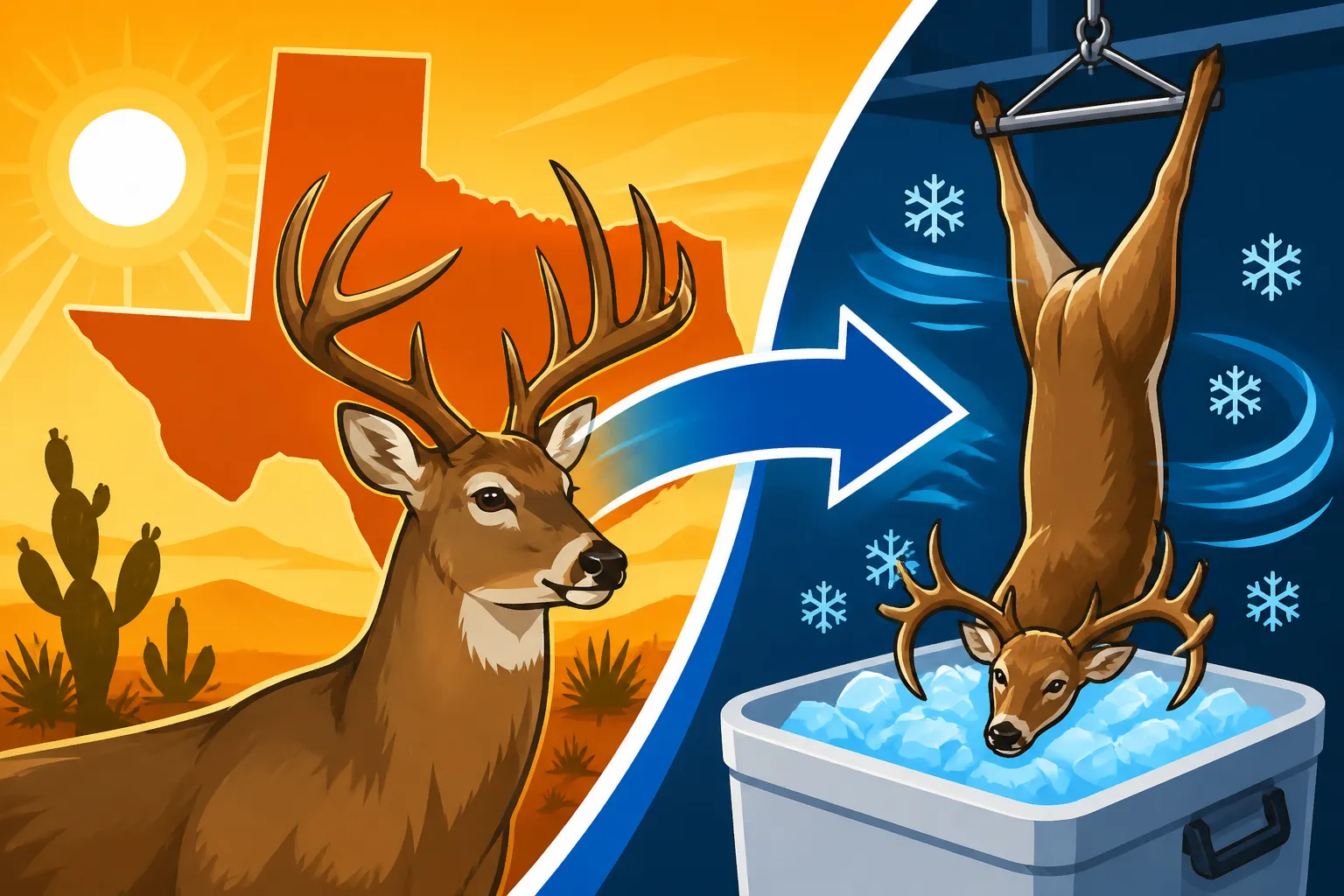
Texas, bless its heart, often throws us curveballs with its weather. You might be hunting in November, thinking it's cool, only for the temperature to spike into the 80s. These warm ambient temperatures, especially when they hover in the mid-70s or higher, are a bacterial playground. The internal body temperature of a freshly harvested deer is naturally high, often around 100-102°F. Without rapid intervention, this internal heat continues to "cook" the meat, creating an ideal breeding ground for bacteria. These microscopic invaders multiply exponentially in warm, moist conditions, leading to what hunters dread most: sour meat, green meat, and overall spoilage that renders your venison inedible. It’s a heartbreaking scenario, turning a successful hunt into a costly disappointment.
Understanding Meat Spoilage
To truly appreciate the urgency, it helps to understand why meat spoils. Beyond the obvious bacterial growth, enzymes naturally present in the animal's tissues also play a role. These enzymes, while vital for the animal's life, will start to break down muscle tissue once the animal dies, if not properly chilled. The "danger zone" for meat, where bacterial growth is most rapid, is between 40°F (4°C) and 140°F (60°C). Our primary goal in the field is to get the deer's core temperature out of this zone as quickly as possible. The longer the meat stays in this temperature range, the faster bacteria proliferate, producing toxins and causing unpleasant flavors and odors. This is why a deer left uncooled on a warm day can begin to show signs of spoilage within just a few hours.
Immediate Field Dressing: Your First Line of Defense
Field dressing isn't just a tradition; it's a critical step in meat preservation, especially when you're battling the Texas heat. It's the absolute fastest way to start the cooling process.
Gutting Quickly and Cleanly
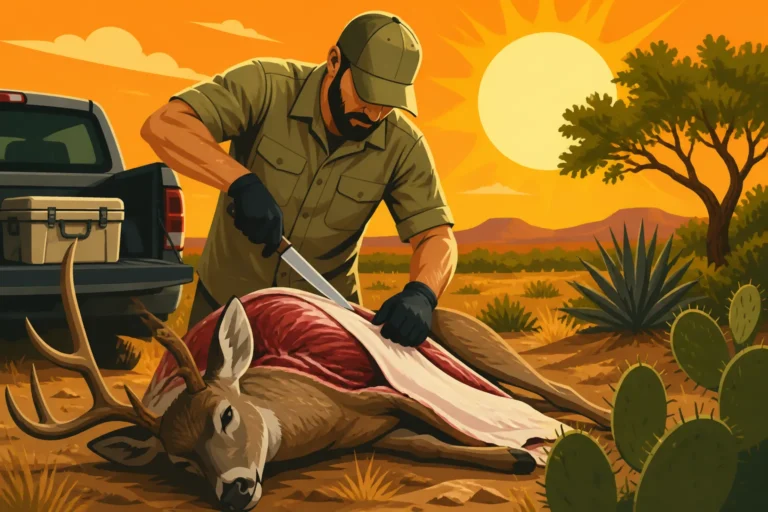
The moment your deer is down, if it's safe to approach, you need to get to work. Removing the internal organs is paramount because they are the largest source of internal heat and bacteria. You need to gut the deer as quickly and cleanly as possible. This means carefully opening the abdominal cavity and systematically removing the entrails, stomach, and intestines. Work carefully but efficiently to avoid puncturing any organs, especially the stomach or intestines, as this can contaminate the meat. Many experienced hunters carry a sharp, dedicated field dressing knife and wear disposable gloves to maintain hygiene. For a detailed walkthrough, you can find excellent tips in our guide on How to Field Dress a Deer in Hot Weather. Once the organs are out, the massive empty cavity immediately starts to lose heat.
Opening the Cavity for Airflow
Simply removing the guts isn't enough in the Texas heat; you need to maximize airflow to the exposed surfaces. After eviscerating, the next crucial step is to prop open the chest and abdominal cavities. This allows warmer air to escape and cooler ambient air to circulate, dramatically accelerating the cooling process. You can use strong sticks found in the brush, a dedicated game spreader, or even a cut section of PVC pipe. The goal is to keep those ribs spread wide. Many hunters also go the extra mile to remove the windpipe and esophagus all the way up to the throat, as these still retain heat and can harbor bacteria. The more open the cavity, the faster the heat dissipates, helping you move that core temperature out of the danger zone.
Advanced Cooling Techniques in the Field
Even after a lightning-fast field dress, sometimes the Texas heat is just too intense. That's when you need to pull out all the stops to ensure your venison makes it to the processor in prime condition.
Water, Ice, and Game Bags
When the mercury is high, and you're miles from a cooler, ingenuity is your best friend. If you have access to clean water (like from a well on a lease or bottled water), a quick rinse of the cavity can help remove residual blood and begin to cool the internal surfaces. However, only use clean water to avoid introducing new bacteria. A far more effective and widely used method in Texas is to pack the body cavity with ice. This is a game-changer. Bagged ice from a gas station or grocery store, even if it's just a few bags, packed tightly into the chest cavity, will absorb a tremendous amount of heat. If you plan to hunt when it's hot, always bring a large cooler specifically for ice. Many hunters will even freeze gallon jugs of water to use as large ice blocks inside the cavity, as they melt slower and keep the water contained.
Once the deer is gutted and iced, consider a breathable game bag. These aren't just for keeping flies off; they allow air to circulate around the carcass while protecting the meat from dirt, dust, and insects. Don't use a solid tarp or plastic sheeting right against the meat initially, as this will trap heat and moisture, defeating your cooling efforts. Instead, let it breathe within the bag. Once the meat has cooled substantially and you're ready for transport, you might use a tarp underneath to keep your truck clean, but never wrap the hot carcass tightly.
Positioning and Transport for Maximum Cooling
The way you position and transport your deer after field dressing can make a significant difference in how quickly it cools. If you're on your lease and can get the deer back to camp, hanging it up is ideal. A gambrel and a sturdy tree or game pole will allow gravity to help drain any remaining fluids and ensure 360-degree airflow around the entire carcass. Aim to hang it in the shade, away from direct sunlight, and if there's any breeze, position it to take advantage of it.
For transport, never throw a hot, whole deer directly into the bed of a pickup truck on a scorching Texas day. The truck bed itself can be radiating heat, effectively cooking the underside of your deer. If you must transport it whole, elevate it off the truck bed using wooden pallets, coolers, or even spare tires to allow air to circulate underneath. Keep the cavity propped open and, if possible, draped with a game bag, but avoid wrapping it tightly in a tarp until it has thoroughly cooled. For long drives, especially, consider quartering the deer and placing the meat on ice in coolers. For tips on effective hauling, check out our guide on the Best Game Cart for Hauling Deer & Hogs.
Getting Your Deer to the Processor or Cooler
The ultimate goal is to get your deer into a refrigerated environment as quickly as possible. This requires pre-planning and, sometimes, some quick decision-making.
Pre-Planned Processing
This is where preparation truly pays off. Before you even step foot in the woods, especially if you're hunting during an early season or a warm spell, identify and contact a local game processor. Ask about their hours of operation, their capacity, and most importantly, their cooling facilities. Nothing is worse than getting a hot deer to a processor only to find out they're closed or overwhelmed. Many rural areas have excellent processors, but their hours can be unpredictable. Having a plan B, or at least a confirmed plan A, is crucial. You might also find valuable information in our article, Where to Take a Deer for Processing in Texas. Knowing your processor's routine can save you immense stress and, more importantly, your venison.
DIY Skinning and Quartering
For the experienced hunter, or if you find yourself far from a processor with no other options, knowing how to skin and quarter a deer in the field can be a lifesaver. This dramatically increases the surface area of the meat, allowing it to cool much faster. Once skinned and quartered, the individual cuts of meat can be placed into coolers filled with ice. This method essentially turns a large, bulky animal into manageable, rapidly chilling packages of meat. Remember to use clean knives and surfaces, and keep everything as sanitary as possible. Layer the meat with ice, ensuring good contact, but also drain meltwater regularly to prevent the meat from sitting in water, which can affect flavor. This skill is invaluable for preserving your harvest, especially on remote hunts or when facing unexpected heat. For more in-depth knowledge on this, you might want to read Field Dressing & Processing Game in Texas Heat.
Table: Rapid Deer Cooling Techniques Comparison
| Method | Pros | Cons | Best Use Case |
|---|---|---|---|
| Immediate Field Dressing | Essential, removes major heat source, always the first step. | Not enough on its own in extreme heat. | Every single deer, every time. |
| Propping Cavity Open | Maximizes airflow, allows internal heat to escape. | Requires tools (sticks/spreader) or improvisation. | Post-field dressing, before transport/hanging. |
| Packing with Ice | Extremely effective at rapid internal cooling, direct heat transfer. | Requires pre-planning, ice supply, and often a cooler for transport. | High heat conditions, longer transport times. |
| Breathable Game Bags | Protects from insects and dirt, allows airflow. | Not a primary cooling method, complements other efforts. | Anytime after field dressing, especially when hanging. |
| Hanging in Shade | Optimal airflow around entire carcass, good drainage. | Requires appropriate hanging spot, limited to base camp/lease. | On-site at a hunting lease or ranch. |
| Quartering & Icing | Fastest cooling, allows easy transport in coolers. | Requires advanced field dressing skills and dedicated coolers. | Extreme heat, remote areas, long transport. |
When you're out there pursuing deer in the heart of Texas, remember that the elements are part of the challenge. By understanding how to react quickly and effectively to the heat, you're not just preserving meat; you're honoring the animal and the effort you put into your hunt. Always be prepared, plan ahead, and make smart decisions in the field. This commitment to proper game care is an integral part of being a responsible hunter in the Lone Star State. Check out our comprehensive guide on White-Tailed Deer Hunting in Texas: Complete Guide for more essential tips. You might also find our article on Texas Hunting Seasons: Complete Calendar by Species helpful for planning your hunts to avoid the hottest months, if possible. For general gear prep, our Best Hunting Gear for Beginners in Texas (By Budget) offers great insights.
Disclaimer
Please note that hunting regulations, seasons, and methods can change. Always consult the most current Texas Parks and Wildlife Department (TPWD) Outdoor Annual before any hunting activity to ensure compliance with all state laws and regulations. The information provided here is for general guidance and educational purposes only.