How to Hunt Javelina in Texas (Step by Step)
Texas offers a truly unique hunting experience, but often, hunters approach javelina with misconceptions, treating them just like feral hogs. This oversight can lead to frustration and empty game bags. This comprehensive guide is here to clear up those myths and walk you through, step-by-step, everything you need to know to successfully hunt javelina, from understanding their habits to ethical harvesting in the diverse landscapes of the Lone Star State.
Understanding Javelina: More Than Just a Pig
Many folks mistakenly lump javelina in with feral hogs, thinking they're just smaller, hairier versions. But let me tell you, that's like comparing a coyote to a wolf – related, sure, but fundamentally different animals with distinct behaviors and habitats. Understanding these differences is absolutely crucial for a successful javelina hunt.
Javelina Biology and Behavior
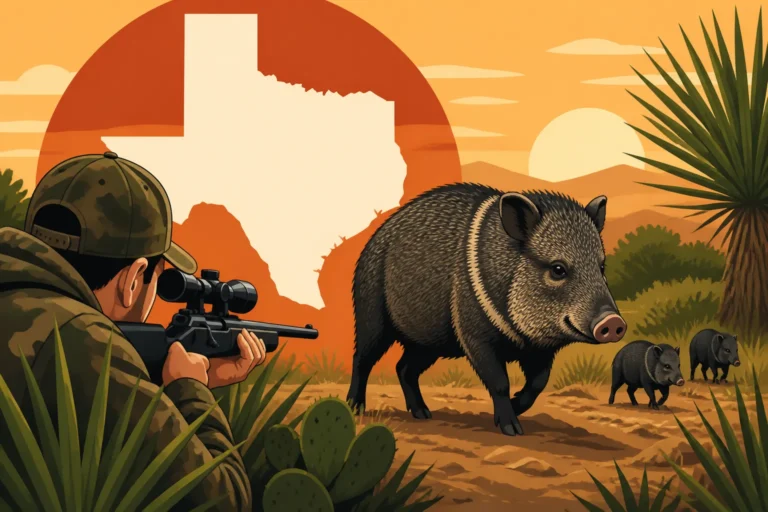
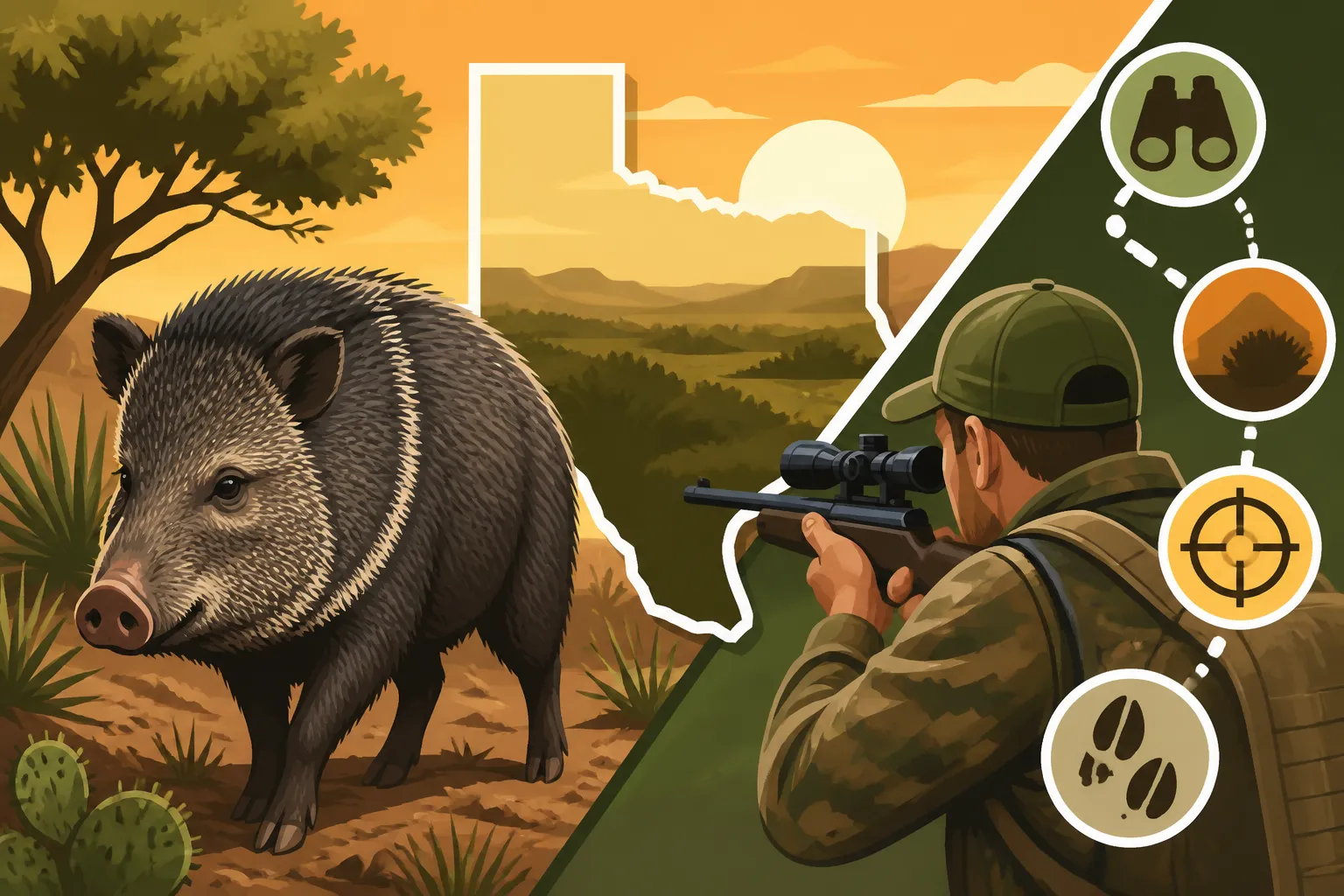
Javelina, or collared peccaries, as the Texas Parks and Wildlife Department officially calls them, aren't pigs at all. They belong to the peccary family, a separate lineage from the wild boar family that feral hogs descend from. This isn't just a taxonomic detail; it impacts how they behave. Javelina are relatively small, typically weighing between 30 to 60 pounds, with a coarse, bristly coat that’s usually a mix of gray and black, and a distinctive lighter band of hair around their necks—the "collar."
Their senses are a mixed bag for a hunter. Javelina have notoriously poor eyesight, especially at a distance. Don't count on them spotting you across an open field unless you're moving a lot. However, their hearing is quite good, and their sense of smell is absolutely phenomenal. This is their primary defense mechanism and how they navigate their world, finding food and communicating within their herd. They live in herds, ranging from a few individuals to up to 20 or more, and they are incredibly social animals. You often won't find a lone javelina unless it's a very old boar or a straggler. These herds move together, feeding and bedding down, and they communicate with a variety of grunts, woofs, and teeth-chattering. When startled, they'll often scatter in different directions before regrouping.
Prime Javelina Habitat in Texas
Texas is home to a robust population of javelina, primarily concentrated in the drier, brushier regions of the state. The classic image of a javelina often involves the dense, thorny brush country of South Texas, and for good reason—this area, particularly counties like Webb, Dimmit, and Maverick, is prime territory. Here, they thrive amidst mesquite, prickly pear cactus, and various other types of chaparral that offer both food and cover.
You'll also find healthy populations in the Trans-Pecos region of West Texas, where they adapt to the more arid, rocky landscapes and sparse vegetation. Even parts of the Edwards Plateau, further north, hold huntable numbers, especially in areas with good cover and water sources. What all these habitats have in common is dense cover for protection, a consistent food supply (they love prickly pear fruit and pads, roots, tubers, and insects), and access to water, even if it's just a seep or a damp spot after a rain. Learning to recognize these tell-tale signs in their preferred habitat is a key component of effective Javelina Hunting Tactics for Texas.
Essential Gear and Preparations for Javelina Hunting
Heading out after javelina without the right gear and a solid plan is a recipe for a tough day. While they aren't the largest animals in Texas, their habitat can be unforgiving, and their keen senses demand a thoughtful approach.
Firearms, Archery, and Ammunition Choices
When it comes to firearms for javelina, you don't need a cannon, but you do need something capable of a clean, ethical kill. Many popular deer calibers work perfectly. For rifles, cartridges like the .223 Remington, .22-250, .243 Winchester, 6.5 Creedmoor, and .30-30 Winchester are all excellent choices. The key is shot placement, aiming for the vitals just behind the shoulder. Avoid smaller rimfire calibers like a .22LR, as they simply don't have enough energy for a humane kill. Shotguns loaded with slugs can also be effective in thick brush at closer ranges.
For the traditional bowhunter, a compound or recurve bow with a draw weight suitable for deer hunting will suffice. Sharp, fixed-blade broadheads are highly recommended for maximum penetration and quick, ethical kills. Remember, javelina are tough little animals, and precise shot placement is paramount, regardless of your weapon of choice. For a general overview of suitable equipment, consider looking into Best Hunting Gear for Beginners in Texas By Budget.
Scouting and Field Strategies
Your success often begins long before you even step foot in the field with your weapon. Pre-season scouting is invaluable. Look for fresh tracks, which often show two distinct hooves, sometimes with smaller, barely visible dew claws depending on the substrate. Javelina scat consists of small, dark pellets often found in communal piles. Rooting activity, where they dig up the soil and vegetation, is another clear sign. They'll root for tubers, roots, and insects, leaving distinctive churned-up patches of earth.
Binoculars are your best friend for glassing distant brush lines and open areas, helping you spot herds from afar without spooking them. Consider packing some quality Best Hunting Optics for Texas Scopes, Binos & Rangefinders for better visibility. Trail cameras, especially cellular models, can also be a game-changer, helping you pattern their movements to and from water sources, feeding areas, or bedding cover. Place them along well-used trails or near prickly pear patches. When you're in the field, always play the wind. Because of their incredible sense of smell, they'll bust you every time if your scent drifts their way. Move slowly, deliberately, and take advantage of any cover the terrain offers.
Step-by-Step Javelina Hunting Methods
Once you've done your homework and gathered your gear, it's time to put a plan into action. Javelina hunting offers several exciting methods, each with its own nuances and challenges.
Spot-and-Stalk Techniques
This is arguably one of the most exciting and challenging ways to hunt javelina, especially in the vastness of South Texas brush country. The first step is locating a herd. This usually involves slowly driving or hiking through known javelina habitat, constantly glassing with your binoculars. Pay close attention to open areas early and late in the day, or sunny spots in cooler weather where they might be out sunning themselves. Listen for their distinctive grunts and woofs – a sure sign they're nearby.
Once you spot a herd, the true test begins. Remember their poor eyesight but incredible smell and decent hearing. You'll need to use the wind to your advantage, always approaching from downwind. Move slowly, taking one or two steps, then stopping to scan and listen. Utilize every bit of natural cover – mesquite thickets, prickly pear clumps, dry creek beds – to break up your silhouette and conceal your movement. The goal is to get within comfortable shooting range, typically 50-100 yards for most rifles, or much closer for bowhunting. Because javelina are social, you'll often have multiple animals moving, which can provide a distraction, but also more eyes and ears to potentially spot you. When you have a clear, ethical shot, take it, aiming for the vitals behind the front leg. For more about navigating dense terrain, check out our guide on Spot-and-Stalk Hunting in Texas Exotics & Mule Deer.
Stand Hunting and Ambush Tactics
For those who prefer a more stationary approach, hunting from a stand or blind can be highly effective, especially in areas with predictable javelina movement. The key here is identifying areas where javelina frequently travel, feed, or water. Common spots include trails leading to a water tank, a dense prickly pear patch, or even a feeder if you’re also hunting deer or hogs (be sure to check regulations regarding baiting for javelina in your specific area, although they are generally not considered game animals for baiting purposes like deer).
Ground blinds are particularly popular for javelina, as they allow hunters to conceal themselves effectively at ground level, minimizing their silhouette and scent. You can even use a pop-up ground blind for quick setup in a hot spot. Position your blind downwind of the anticipated travel path, and arrive well before dawn or in the early afternoon to let the area settle. Patience is paramount. Sometimes a herd will come through quickly, other times you might wait hours. Scent control is still vital, even in a blind. Consider a dedicated article on Best Ground Blind for Bowhunting in Texas for specific setup ideas.
Calling Javelina Into Range
This is where javelina hunting gets really exciting and often surprises new hunters. Javelina are highly responsive to calls, particularly distress calls, similar to how coyotes respond to a rabbit in distress. These calls mimic an injured javelina or another small animal, tapping into their curious and sometimes protective instincts as a herd. They might come in to investigate a perceived threat or to rally to a distressed herd member.
There are various javelina calls on the market, from mouth-blown models to electronic callers. When using a call, set up downwind in an area with good visibility but also enough cover for concealment. Start with short, soft bursts of the call, gradually increasing intensity if there's no response. Be ready; sometimes they come in very quickly, trotting directly towards the sound. Other times, they might circle downwind to try and catch your scent. This is where your scent control and a good understanding of the wind become critical. Calling can be particularly effective in thick brush where spotting them from a distance is difficult. Just like with predators, a good calling strategy can turn a quiet morning into a thrilling encounter.
Post-Harvest: Processing and Regulations
Congratulations, you've successfully harvested a javelina! Now, it's time to ensure you handle your animal properly and stay compliant with Texas hunting regulations.
Field Dressing and Meat Care
This is perhaps the most misunderstood aspect of javelina hunting, leading to many hunters dismissing javelina meat as inedible. The truth is, javelina meat can be quite delicious, often described as a lean, wild pork flavor, if handled correctly. The key to good javelina meat is prompt and proper field dressing, especially in the Texas heat.
Javelina have a distinct musk gland on their back, located about six to eight inches in front of the tail, just above the spine. This gland produces the musky odor commonly associated with them. The absolute most important step is to avoid cutting into this gland during field dressing. Many experienced hunters recommend skinning the animal before field dressing, or at the very least, carefully cutting around the gland to remove a football-shaped patch of skin containing it as soon as possible. Some even advocate for cutting the gland out immediately upon harvest, before any other cuts are made. Once removed, keep it away from the meat. Speed is also crucial; get the animal cooled down as quickly as possible. This means gutting it promptly and getting it on ice or to a cooler. Failing to do so can allow bacteria to develop, tainting the meat and contributing to that "gamey" flavor reputation. If handled properly, javelina meat can be used in a variety of dishes, from chili and sausage to roasts and fajitas. For more in-depth advice on cooling game, consider reading How to Field Dress a Deer in Hot Weather which offers similar principles.
Texas Javelina Regulations and Licensing
Hunting javelina in Texas requires adherence to specific regulations set by the Texas Parks and Wildlife Department. First and foremost, you will need a valid Texas Hunting License: Cost, Types & How to Buy 2026. For residents, a standard hunting license (like the Super Combo) will cover javelina. Non-residents also need a general non-resident hunting license.
Unlike deer or turkey, javelina are not classified as "game animals" but rather as "collared peccary" in the Texas Outdoor Annual. This distinction affects certain regulations. The general open season for javelina runs year-round in 42 counties in the South Texas and Trans-Pecos regions. In other counties, there may be specific open seasons, often coinciding with deer seasons. The bag limit is typically two javelina per person per license year. It is absolutely essential to consult the current Texas Hunting Seasons: Complete Calendar by Species or the Texas Outdoor Annual for the most up-to-date information on season dates, bag limits, and any county-specific regulations or exceptions, as these can change annually. Always remember to comply with all laws regarding shooting hours, methods of take, and landowner permission when hunting on private property. For specific season dates related to your hunt, you can also look up Texas Javelina Season Dates 2026.
Here's a quick comparison of common javelina hunting methods:
| Hunting Method | Pros | Cons | Ideal Scenario |
|---|---|---|---|
| Spot-and-Stalk | Highly engaging, active, covers more ground | Physically demanding, requires patience and stealth, easily busted | Open brush country, early morning/late evening, active herds |
| Stand Hunting | Less physically demanding, good for multiple hunters, effective near resources | Requires patience, limited range of vision, dependent on javelina patterns | Near water sources, feeding areas, or established travel corridors |
| Calling | Can bring javelina into close range quickly, exciting, effective in thick cover | Requires practice, javelina may circle downwind, not always effective | Dense brush where visibility is limited, curious/aggressive herds |
Disclaimer
Please note that hunting regulations, seasons, and licensing requirements can change. Always consult the official Texas Parks and Wildlife Department (TPWD) Outdoor Annual or their website for the most current and accurate information before planning any hunting trip. This guide is for informational purposes only and does not supersede state or federal hunting laws.