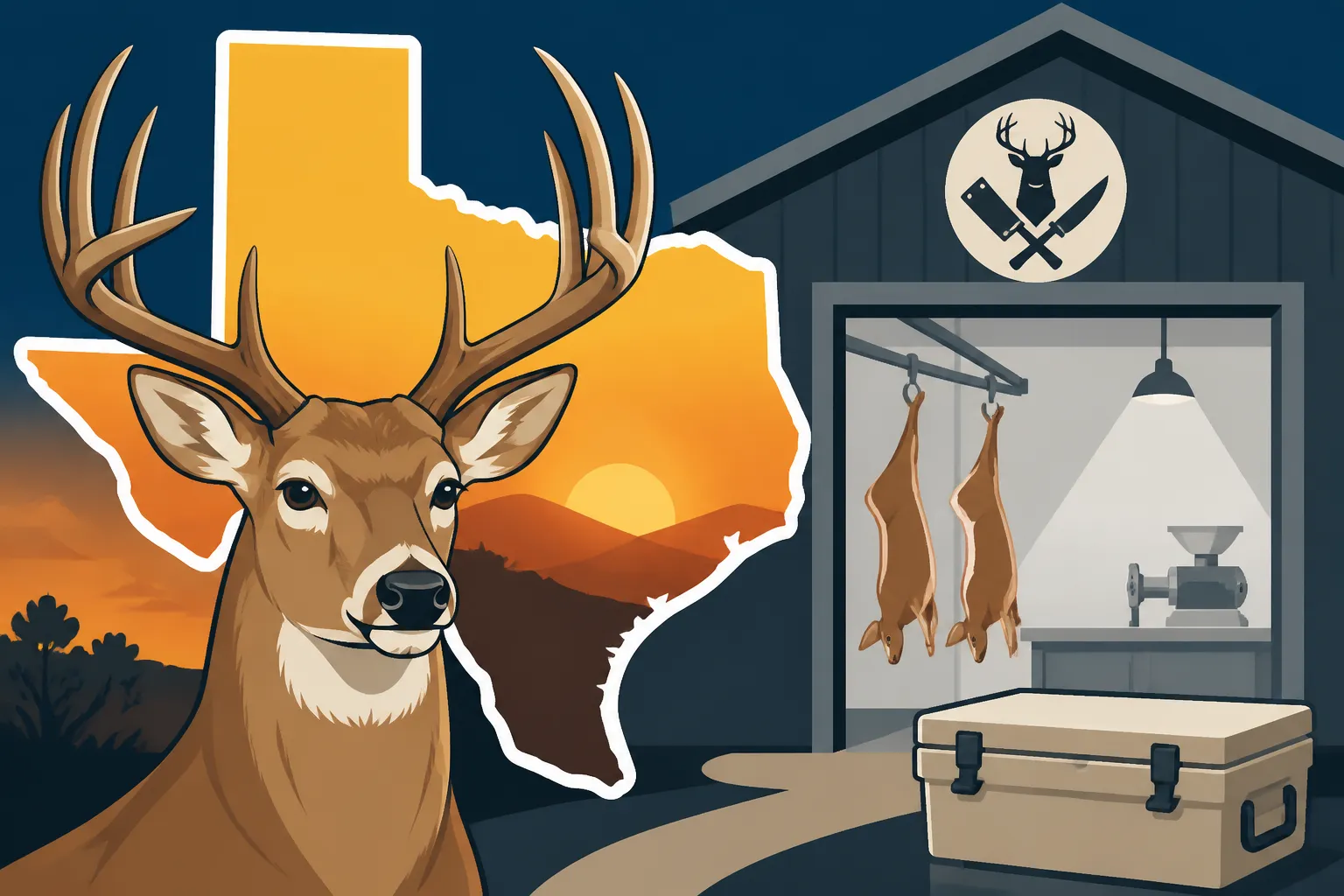
Where to Take a Deer for Processing in Texas
You've just put in the hard work, maybe sat in your blind for hours or spent the morning tracking through the thick South Texas brush, and finally, your efforts paid off. That adrenaline rush as you walk up to your harvested deer is incredible, but then a practical question hits you: "Okay, now what? Where in the world do I take this deer for processing, especially when it's still warm out here?" It's a common dilemma for Texas hunters, whether you're a seasoned veteran or just starting out. This comprehensive guide will walk you through all your options, from doing it yourself to finding the perfect commercial processor, so you can transform your harvest into delicious table fare without the guesswork or worry.
Understanding Your Deer Processing Options in Texas
Once you’ve successfully harvested a deer in Texas, the clock starts ticking. Especially with our often-warm weather, proper handling is paramount to ensuring the quality of the meat. You essentially have two main paths for processing your deer: doing it yourself or taking it to a professional. Each has its own set of considerations, benefits, and challenges.
DIY Field Dressing and Home Processing
For many hunters, there’s a deep satisfaction that comes from processing their own game. It’s a connection to the entire hunting process, from field to table. If you're considering this route, you're looking at two main stages: field dressing and then the actual butchering at home.
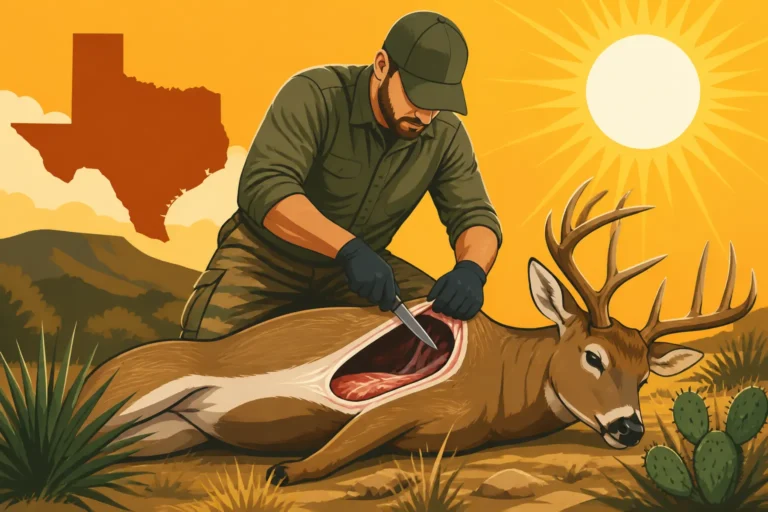
Field dressing is non-negotiable, regardless of your ultimate processing plan. This critical first step involves removing the entrails to allow the carcass to cool down as quickly as possible. In Texas, where temperatures can soar even during deer season, rapid cooling is absolutely essential to prevent meat spoilage. You'll need a sharp knife, gloves, and a clear understanding of the anatomy. If you're new to it or just need a refresher on the best practices, I highly recommend checking out our guide on How to Field Dress a Deer in Hot Weather. After field dressing, you'll want to get that deer cooled down quickly. This might involve hanging it in a shaded, airy spot if the weather permits, or immediately getting it into a cooler packed with ice. You can learn more about this in our article on How to Cool a Deer Fast in Texas Heat.
Once the deer is field-dressed and properly cooled, home processing involves skinning, quartering, deboning, and then cutting the meat into steaks, roasts, or grinding it for burger. You'll need a dedicated workspace, clean surfaces, sharp knives, a meat grinder (if you want burger), and plenty of freezer space. The benefits are clear: you have complete control over how your meat is cut, packaged, and what goes into your sausage or burger. It's often more economical, and for some, it's a cherished ritual. The downsides? It’s labor-intensive, requires specific tools, and demands a significant amount of time and effort. If you're not experienced, there's a learning curve, and mistakes can impact meat quality. Plus, dealing with the hide and scraps can be messy and challenging, especially if you live in a suburban area.
Commercial Deer Processors
For the vast majority of Texas hunters, taking a deer to a commercial processor is the most practical and convenient option. These businesses specialize in turning a field-dressed deer into neatly packaged, ready-to-cook meat. They handle everything from skinning and quartering to custom cuts, grinding, and even specialty products like jerky, sausage, and smoked ham.
The primary advantage of a commercial processor is convenience. After field dressing your deer, you simply transport it to the facility, fill out a form detailing your preferences, and let the experts handle the rest. This is especially helpful if you're hunting far from home, don't have the space or equipment for home processing, or simply want to maximize your time in the field rather than in the butcher shop. Many processors are set up to handle multiple deer simultaneously, and their facilities are designed to maintain optimal temperatures for meat preservation. They also have industrial-grade equipment for efficient and sanitary processing.
When considering a commercial processor, think about what you want from your meat. Do you just need basic steaks and ground meat? Or are you dreaming of smoked jalapeño and cheese sausage, breakfast sausage, or summer sausage? Many processors offer a wide array of options, which we’ll dive into next. The cost is a factor, of course, but for many, the time saved and the quality of the finished product make it a worthwhile investment.
Finding the Right Deer Processor Near You
Choosing a deer processor isn't a decision to take lightly. It's not just about convenience; it's about trust and ensuring that the meat from your hard-earned harvest is handled with care and respect. With so many options across our great state, finding the right one requires a bit of research and knowing what questions to ask.
Key Factors When Choosing a Processor
When you're looking for a good deer processor, here are some critical things to consider:
- Reputation and Reviews: Word-of-mouth is king in the hunting community. Ask fellow hunters on your lease or in your local area for recommendations. Check online reviews on Google, Facebook, or local hunting forums. A processor with a long-standing positive reputation usually means consistent quality and good customer service.
- Services Offered: Beyond basic cut and wrap, what do they specialize in?
- Custom Cuts: Can you specify thickness for steaks, size of roasts, or lean-to-fat ratio for ground meat?
- Specialty Products: Do they make sausage (various types like pan sausage, link sausage, summer sausage), jerky, snack sticks, or smoked hams? If these are important to you, inquire about their recipes and options. Some processors even have their own signature blends.
- Skinning and Caping: Most processors will skin your deer, but if you're planning a shoulder mount, ask if they offer caping services suitable for a taxidermist.
- Pricing Structure: Understand their pricing. Is it by hanging weight, dressed weight, or a flat fee? Are specialty items an extra charge? Get a clear estimate of the total cost based on what you want. Prices can vary significantly, so it’s wise to compare a few places.
- Turnaround Time: During peak deer season (especially the first few weeks of November for most of Texas, and late December in South Texas), processors can get swamped. Ask about their typical turnaround time. Will your meat be ready in a week, two weeks, or longer? This helps you plan your freezer space and meal prep.
- Cleanliness and Facility: While you might not get a full tour, a clean drop-off area and organized operation are good indicators of their overall hygiene standards. This is crucial for food safety.
- CWD Protocols: This has become a major factor in recent years. If you're hunting in a Chronic Wasting Disease (CWD) zone, ensure the processor is aware of and follows all Texas Parks and Wildlife Department (TPWD) regulations, including carcass disposal and testing requirements. More on this in a bit, but it's vital. Our article on CWD in Texas: Zones, Rules & Carcass Transport has more information.
- Cooling and Storage: How do they handle deer once dropped off? Do they have sufficient cooler space to maintain proper temperatures while waiting for processing? This is especially critical during warmer early season hunts.
How to Locate Processors in Texas
Finding a deer processor is usually pretty straightforward, but knowing where to look can save you time and hassle.
- Online Search Engines: A quick Google search for "deer processor near your hunting location or hometown" or "wild game processing Texas" will yield plenty of results. Look for their websites or Facebook pages, which often list services, hours, and contact information.
- Hunter Recommendations: As mentioned, this is often the best source. Chat with landowners, lease managers, and other hunters. They’ve likely tried several processors and can offer first-hand insights. When you're talking about Deer Hunting in Texas: Feeders, Blinds & Tactics with your buddies, make sure to ask them where they take their deer!
- Texas Parks and Wildlife Department Resources: The TPWD sometimes provides lists of certified or CWD-compliant processors, especially in affected areas. Always check their official website for the most current information.
- Local Feed Stores and Sporting Goods Shops: Often, businesses catering to hunters will have recommendations or even flyers for local processors. Small-town feed stores are goldmines for this kind of local knowledge.
- Call Ahead: This is probably the most important tip. Always call a processor before you head there with a deer, especially if it’s outside of regular business hours or if you're approaching their busy season. Confirm their operating hours, whether they're accepting deer, and what their specific drop-off procedures are. Nothing is worse than driving an hour with a deer in the back of your truck only to find the processor closed or at capacity.
What to Expect When Dropping Off Your Deer
So, you’ve harvested your deer, field dressed it, and you've picked out a processor. Now, let’s talk about the final steps to ensure a smooth drop-off and the best possible outcome for your meat.
Preparing Your Deer for the Processor
The quality of your finished product largely depends on how you handle the deer from the moment it hits the ground until it reaches the processor’s door. Remember the old adage: "Care starts in the field."
- Prompt Field Dressing: This cannot be stressed enough, especially in Texas heat. Remove the viscera as quickly as possible to begin the cooling process. Get as much internal heat out as you can. For more detailed instructions, revisit our guide on Field Dressing & Processing Game in Texas Heat.
- Cleanliness is Key: Once field dressed, try to keep the carcass as clean as possible. Avoid dragging it through dirt or mud if you can. If you need to rinse out the body cavity, use clean water and dry it thoroughly afterward. Don't leave standing water inside, as it can promote bacterial growth.
- Rapid Cooling and Transport: After field dressing, the priority is to cool the carcass. If temperatures are above freezing (which is most of hunting season in Texas), you need to get that deer on ice, and fast. Many hunters will quarter the deer in the field and place the quarters in large coolers filled with ice. If you're bringing the whole carcass, pack the body cavity with ice or place the deer directly into a cooler that can accommodate it. This prevents bacteria from multiplying rapidly and spoiling the meat. Ensure good airflow around the deer if you're transporting it whole in a truck bed without ice. Covering it with a tarp might keep it clean, but it can also trap heat, so balance cleanliness with cooling needs.
- Keep it Legal: Ensure all proper tags are attached to the deer, as required by law. This is a big one. For details on how to use your tags and report your harvest, refer to Texas Hunting Tags & Harvest Reporting (My Texas Hunt Harvest).
The Drop-Off Process and Information Needed
When you arrive at the processor, here's what typically happens and what you'll need to provide:
- Inspection: The processor will usually inspect your deer upon arrival. They're looking for proper field dressing, cleanliness, and overall condition. If a deer is badly shot up, poorly field-dressed, or has started to spoil, a reputable processor may refuse it to maintain their quality standards and prevent contamination of their facility.
- Paperwork: You'll fill out a form or ticket that details your contact information, your hunting license and tag number, and your specific cutting instructions. This is where you specify how you want your meat processed – which cuts, how much ground meat, what type of sausage, and any other specialty items. Be clear and specific!
- Tag Information: Your hunting license and harvest tag information are crucial. The processor needs this for their records and to ensure legal compliance. Make sure your physical tag is attached to the deer and readily visible, or that you have the tag numbers handy if they handle tagging internally.
- Antler Requirements (if applicable): If your buck has antlers and you want them back (e.g., for a shoulder mount or European mount), make sure to communicate this clearly. Many processors will remove the head and store it separately for you. If you plan to get a shoulder mount, ensure they know to cape it appropriately or leave enough neck skin attached.
- Deposit/Payment: Be prepared to pay a deposit or the full processing fee upfront.
It's a pretty straightforward process, but being prepared makes it even smoother for both you and the processor.
Navigating Special Situations: CWD and Regulations
Hunting in Texas comes with its own set of regulations, and in recent years, Chronic Wasting Disease (CWD) has added an important layer of complexity to deer processing and transport. Staying informed is not just about compliance; it's about protecting our deer herds for future generations.
CWD Zones and Processor Requirements
Chronic Wasting Disease (CWD) is a neurological disease that affects deer, elk, and moose. It's always fatal and highly contagious. The Texas Parks and Wildlife Department (TPWD) has established CWD containment and surveillance zones in various parts of the state to monitor and manage the disease. If you're hunting in or near one of these zones, special rules apply that will directly impact how you handle and process your deer.
- Carcass Movement Restrictions: The most significant impact of CWD zones on processing is the restriction on carcass movement. Generally, you cannot move a whole deer carcass out of a CWD containment zone. The only parts that can be removed are boned-out meat, quarters with no spinal column or head, skulls (with antlers attached) that have been cleaned of all tissue, antlers, and hides. This means if you harvest a deer in a CWD zone, you must process it within that zone or take it to a CWD-compliant processor.
- Mandatory Testing: In some CWD zones, harvested deer are subject to mandatory CWD testing. Processors in these areas are often designated check stations or work closely with check stations to collect samples. When you drop off your deer, they will usually ask if it was harvested in a CWD zone and if a sample needs to be collected. Be honest and cooperative; this data is vital for wildlife management.
- Processor Compliance: It's absolutely crucial to choose a processor that is aware of and compliant with all CWD regulations for the zone you hunted in. They should have procedures in place for handling and disposing of carcasses from CWD zones, which might include specific waste management or even separate processing lines. If you're unsure, ask them directly about their CWD protocols. You can find detailed information and maps of affected areas in our guide, CWD in Texas: Zones, Rules & Carcass Transport. Ignoring these rules isn't just illegal; it puts other deer populations at risk.
Tags, Licenses, and Legalities
Beyond CWD, always remember the fundamental legalities of hunting in Texas. These regulations are in place to ensure fair chase, sustainable populations, and responsible hunting.
- Hunting License: Of course, you need a valid Texas hunting license. For details on how to get yours, check out Texas Hunting License: Cost, Types & How to Buy (2026).
- Harvest Tags: Every deer harvested in Texas must be properly tagged. This involves filling out the appropriate tag from your license and attaching it to the deer immediately after harvest. This tag must remain with the carcass until it reaches your home or a processor and is quartered.
- Harvest Reporting: In many counties, particularly those with antler restrictions or in specific management programs (like MLDP), you are required to report your deer harvest to the TPWD via their "My Texas Hunt Harvest" app or website. This typically happens after you’ve completed your hunt but before the deer is fully processed. The processor might ask for confirmation of this reporting.
- Proof of Ownership: When picking up your processed meat, always keep your hunting license and a copy of your processing ticket or receipt. This serves as proof of legal ownership of the game meat, should you ever be questioned.
Staying on top of these regulations might seem like a lot, but it’s part of being a responsible hunter. A good processor will help guide you through the process, but ultimately, the responsibility lies with you, the hunter, to ensure everything is done legally and ethically.
Here's a quick comparison of DIY vs. Commercial Processing:
| Feature | DIY Home Processing | Commercial Processor |
|---|---|---|
| Control | Complete control over cuts, ingredients, packaging. | Limited control, relies on processor's expertise. |
| Cost | Lower initial cost (after equipment investment). | Higher per-deer cost, includes labor and expertise. |
| Time Investment | High, requires several hours to a full day. | Low, mainly drop-off and pick-up time. |
| Equipment | Requires knives, grinder, vacuum sealer, freezer space. | No personal equipment needed for processing. |
| Skill Level | Requires learning and practice, potential for mistakes. | Relies on professional butchers, consistent quality. |
| Cleanliness | Dependent on home setup and effort. | Commercial-grade sanitation, regulated facilities. |
| Specialty Items | Can make your own jerky, sausage (if equipped). | Wide variety of custom sausages, jerky, smoked items. |
| CWD Compliance | Must adhere to carcass movement rules if in a CWD zone. | Processors in CWD zones are compliant and assist with testing. |
By understanding these aspects, you can make the best choice for your specific hunting scenario and preferences.
Disclaimer
Please note that hunting regulations, seasons, and CWD zones can change. While every effort has been made to provide accurate information, it is the hunter's responsibility to consult the most current Texas Parks and Wildlife Department Outdoor Annual or website for the latest rules and regulations before hunting. This guide is for informational purposes only and should not be considered legal advice.