MLDP Tags in Texas: How They Work
Trying to manage your deer herd effectively in Texas can feel like a constant battle against rigid regulations and one-size-fits-all rules that don't quite fit your specific property or management goals. Many landowners and hunters struggle with the limitations of general open season dates and county bag limits, making it tough to truly improve deer quality or achieve sustainable harvest. This guide is here to shed light on the Texas Parks and Wildlife Department's (TPWD) Managed Lands Deer Program (MLDP) and explain exactly how these valuable tags work to give you more flexibility and control over your deer management efforts.
Understanding the Basics of MLDP in Texas
The Managed Lands Deer Program (MLDP) is a fantastic tool for landowners who are serious about managing their deer herd for sustained quality and population health. It’s not just about getting more tags; it’s about a partnership with TPWD to implement a science-backed management plan that’s tailored to your land. For years, folks felt stuck with the same rules as everyone else, regardless of their unique habitat or deer population. MLDP changes that, offering a path to customize your hunting season.
What is the Managed Lands Deer Program?
At its heart, the MLDP is a program designed to give landowners and leaseholders the flexibility to manage deer on their property more intensely and effectively than standard county regulations allow. Instead of being confined by broad county bag limits and often restrictive antler regulations that apply to everyone, participants in MLDP operate under a site-specific harvest recommendation developed by TPWD wildlife biologists. This means your harvest goals are set based on the specific conditions and deer population dynamics right there on your land, rather than general regional data.
The philosophy behind it is simple: informed management leads to healthier deer, better habitat, and ultimately, a more rewarding hunting experience. It recognizes that every piece of land is unique, and what works for a ranch in South Texas might not be ideal for a property in the Hill Country. By participating, you’re not just a hunter; you become a land manager, actively contributing to the ecological balance of your property. This proactive approach often results in healthier deer populations, improved buck-to-doe ratios, and better habitat conditions. It also gives you more control over the timing of your hunts, potentially extending your season, which is a huge plus when trying to balance hunting with other life commitments.
The Two Tiers: Harvest Option vs. Conservation Option
The MLDP isn't a single, rigid program; it offers two distinct tiers to accommodate different levels of landowner involvement and management intensity. This flexibility ensures that properties of varying sizes and with different management goals can find a suitable entry point.
The Harvest Option is typically the entry-level tier, offering a simpler approach. It's designed for landowners who want some increased flexibility beyond general season dates and bag limits but might not have the resources or desire to commit to extensive data collection. Under the Harvest Option, TPWD biologists provide a recommended harvest based on historical data and general habitat assessments, often without a mandatory on-site visit every year. This option generally extends the deer season and provides a specific number of antlerless tags, often allowing harvest even when the general season is closed, but it still maintains many of the standard antler restrictions found in the county. It's a great stepping stone for those new to managed deer hunting or with smaller acreage that still want to see some improvements. You’ll still be following rules like the Texas Antler Restrictions: 13-Inch Rule & Counties in many cases, though you'll have specific tags for your property.
On the other hand, the Conservation Option is for those who are ready to dive deep into comprehensive deer management. This tier requires a much higher level of commitment to data collection, habitat improvements, and working closely with a TPWD biologist. In return for this dedication, participants receive the greatest flexibility. This includes a longer deer season (often starting much earlier and ending much later than the general season), site-specific harvest recommendations for both antlered and antlerless deer, and often, a waiver of county antler restrictions entirely. The tags issued under the Conservation Option replace all general season tags for your property, giving you total control over how deer are harvested to meet your specific management objectives, such as improving genetics or buck age structure. It's a robust program that truly lets you tailor your approach to deer hunting.
Here's a quick comparison of the two options:
| Feature | Harvest Option | Conservation Option |
|---|---|---|
| Commitment Level | Moderate | High |
| Data Collection | Minimal, often based on general observations | Extensive (jawbones, weights, antler measurements) |
| Biologist Involvement | Periodic contact, less frequent site visits | Regular consultations, annual site visits |
| Season Length | Extended beyond general season | Significantly extended, often 4+ months |
| Antler Restrictions | Generally follows county regulations | Waived, harvest based on management goals |
| Tags Issued | Antlerless tags, some antlered tags | Site-specific antlered and antlerless tags |
| Management Focus | Basic population control, increased flexibility | Quality Deer Management (QDM), habitat focus |
| Eligibility | Easier entry, lower acreage minimums | More stringent, often higher acreage minimums |
How to Qualify for MLDP Enrollment
So, you're thinking about jumping into MLDP and taking control of your deer management. That's awesome! But before you get too excited about those extended seasons and special tags, there are some hoops you'll need to jump through. It's not just about wanting to manage deer; it's about being able to demonstrate a commitment to sound wildlife practices.
Landowner Eligibility and Acreage Requirements
First things first: your land. To be eligible for MLDP, your property needs to meet certain criteria. While TPWD generally prefers contiguous tracts of land, they understand that properties aren't always neat little squares. Generally, individual properties need to be at least 150 acres for the Harvest Option and often larger for the Conservation Option, though this can vary by region and individual circumstances. It's crucial that the land you're enrolling is clearly defined with accurate boundary lines. If you're managing several smaller, non-contiguous tracts, it might be possible to combine them under one MLDP plan, but you'll need to discuss this with your local TPWD biologist. They'll help you figure out if your properties can be managed as a single unit, which often depends on their proximity and how deer move between them.
The size requirement isn't just arbitrary; it's about effective management. Smaller, isolated parcels can be harder to manage for deer, as animals move freely across property lines. However, TPWD is often willing to work with groups of landowners who pool their contiguous properties together under a single cooperative management plan. This is a fantastic way for neighbors to collaborate, pool resources, and achieve better management results across a larger landscape. The key here is clear communication and a shared vision for deer management among all participating landowners. Ensure your property lines are well-marked and understood, as this forms the basis of your management area.
The Importance of a Wildlife Management Plan
This is where the rubber meets the road. Getting into MLDP isn't just about applying; it's about committing to a comprehensive wildlife management plan. This isn't just some dusty binder you put on a shelf; it's a living document that outlines your goals for the property, the current habitat conditions, and specific actions you'll take to improve them. Think of it as your property's ecological roadmap.
A TPWD biologist will be instrumental in helping you develop this plan. They’ll assess your habitat – what kind of trees and shrubs you have, the quality of your forage, available water sources, and bedding cover. They’ll look at things like native plant diversity, soil health, and how current land use practices (like cattle grazing, if applicable) are impacting deer. Your plan will typically include objectives like improving deer nutrition, controlling undesirable vegetation, or enhancing water availability. This might involve setting up Food Plots in Texas: What Works in the Heat in strategic locations, implementing brush control measures, or even installing guzzlers for water during dry periods. You’ll discuss specific habitat improvement practices, like prescribed burning, brush sculpting, or even fencing off sensitive areas. It's about creating an environment where deer can thrive naturally, complementing your harvest strategy. Without a robust and actively implemented wildlife management plan, MLDP simply won't achieve its full potential, and your application for the Conservation Option might not be approved.
The Application Process: A Step-by-Step Guide
Navigating the application process for MLDP can seem a bit daunting at first, especially if you're new to working with state wildlife agencies. But trust me, TPWD biologists are there to help, and breaking it down into manageable steps makes it much less intimidating. It's a methodical process that ensures responsible management.
Initial Contact and Application Submission
The first real step is making contact with your local TPWD wildlife biologist. You can usually find their contact information through the TPWD website, typically by looking up the county your property is located in. Don't wait until the last minute! The application period for MLDP typically opens in the spring, often around April or May, for the upcoming fall hunting season. Deadlines for submission usually fall in August. Submitting early gives you plenty of time to address any questions or gather additional information the biologist might request.
When you reach out, explain your interest in the MLDP and be prepared to provide some basic information about your property: its size, location, and your general management goals. The biologist will then guide you through the initial application forms. These forms typically require details about the property's legal description, ownership information, and GIS data or maps showing your property boundaries. Some counties may have specific requirements or data sets that are helpful to provide upfront, so always ask your biologist. You can often submit applications online through the TPWD website, but a direct conversation with your local biologist first can iron out many initial questions and ensure you're on the right track from the start.
Biologist Site Visit and Plan Approval
Once your initial application is submitted, the next crucial step, particularly for the Conservation Option, is the biologist's site visit. This isn't an interrogation; it's a collaborative session. The biologist will walk your property with you, observing the habitat, looking for signs of deer (and other wildlife), and discussing your management objectives in detail. They'll assess everything from forage quality and water sources to cover density and current deer impacts on the vegetation. This is a great opportunity for you to ask questions, learn more about your property's ecological potential, and actively participate in shaping your management plan.
During this visit, the biologist will use their expertise to help you refine your wildlife management plan. They might recommend specific habitat improvements, discuss herd dynamics, and suggest data collection methods. For instance, they might advise on placing trail cameras to help you better understand deer movement and population characteristics – useful info for things like How to Pattern Bucks With Trail Cameras. They’ll also work with you to establish realistic harvest recommendations based on their assessment and your goals. This often involves setting targets for antlerless deer to control population numbers and improve buck-to-doe ratios, and sometimes specific antlered buck goals. After the visit, the biologist will finalize your management plan and submit it for approval. Once approved, you'll receive your customized MLDP tags, along with detailed instructions on how to use them and your reporting responsibilities.
How MLDP Tags Work in Practice
Alright, you've jumped through the hoops, your plan is approved, and now you've got those special MLDP tags in hand. This is where the real flexibility and responsibility kick in. These aren't just pretty pieces of paper; they represent a commitment to sound wildlife management.
Understanding Your Special MLDP Tags
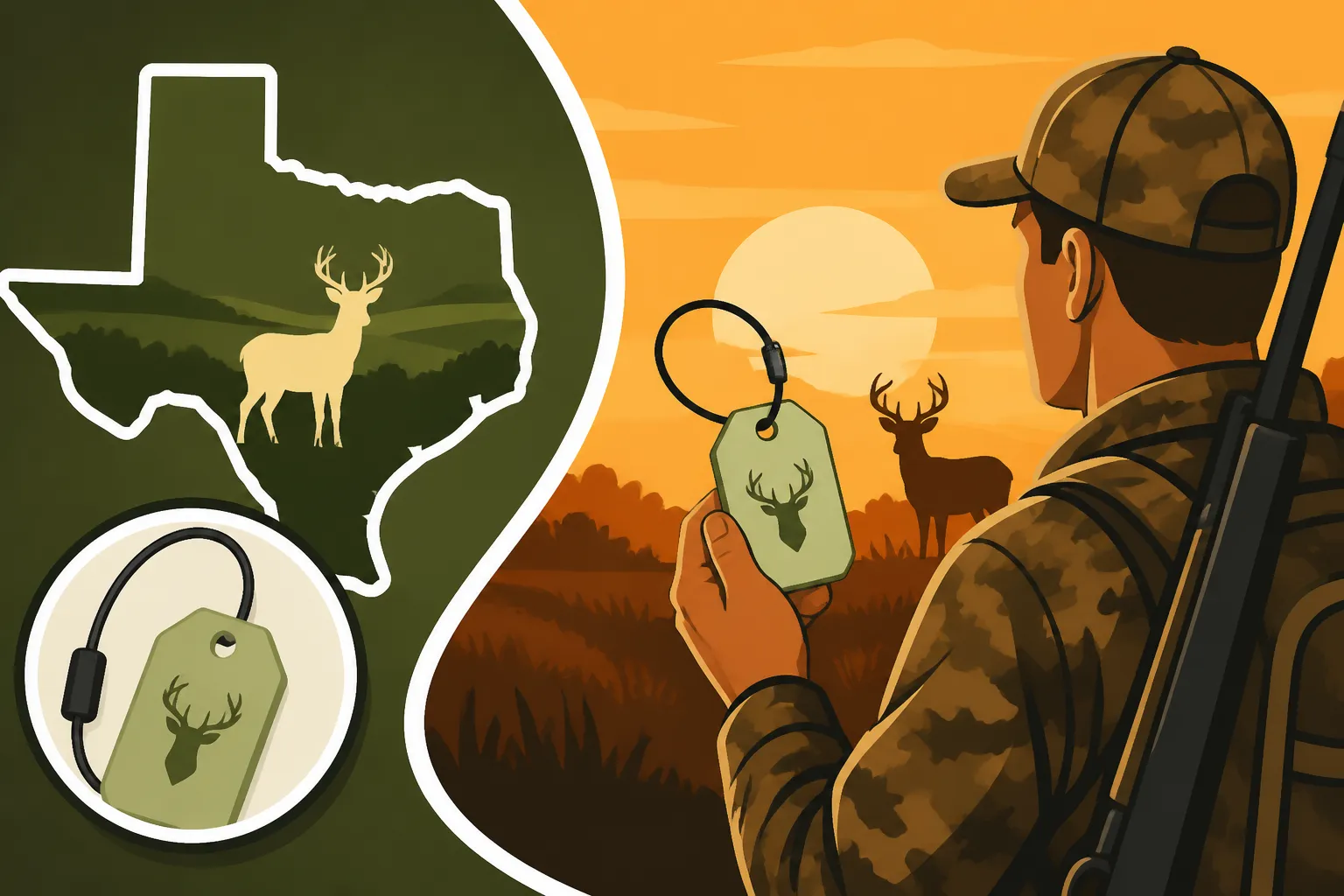
The tags issued under the MLDP are fundamentally different from the standard tags you get with a general hunting license. For starters, they replace your regular county tags for deer on your enrolled property. This means you won't be using your general season tags for any deer harvested on MLDP land during the MLDP season. The key benefit is that these tags are specifically designed for your property's management plan. This means your MLDP tags are not subject to the county-wide deer bag limits, nor are they restricted by the general antler restrictions that might apply in your area. For example, if your county has a 13-inch antler restriction, your MLDP tags, particularly under the Conservation Option, often waive that requirement, allowing you to harvest bucks based on age class or other management criteria outlined in your specific plan. This is a game-changer for those focusing on quality deer management.
These tags also come with a significantly extended season. While the general deer season in Texas usually runs from early November to mid-January, MLDP properties often enjoy a season that stretches from early October well into February or even early March, depending on your approved plan. This extended season provides much more flexibility for hunters, allowing you to target specific deer or manage your harvest more effectively throughout different times of the year. However, it's absolutely critical to understand that these tags are only valid on the enrolled MLDP property. You can't use them on a friend's non-MLDP lease or public land. Additionally, properties within Chronic Wasting Disease (CWD) zones will have specific requirements for CWD testing and carcass movement, so always check the latest CWD in Texas: Zones, Rules & Carcass Transport rules that apply to your particular property.
Harvest Reporting and Data Collection Requirements
Having that extra flexibility with MLDP tags comes with a significant responsibility: accurate and consistent harvest reporting and data collection. This isn't just bureaucracy; it's the lifeblood of the program and how TPWD biologists monitor the success of your management plan and make future recommendations. For both Harvest and Conservation Options, but especially for the latter, you'll be required to collect specific data from each harvested deer. This typically includes:
- Sex: Buck or doe.
- Age: Often determined by jawbone extraction (cementum annuli aging).
- Weight: Live or field-dressed weight.
- Antler Measurements: Number of points, main beam length, inside spread, basal circumference (for bucks).
You'll then submit this data to TPWD annually, usually through their My Texas Hunt Harvest system. This data is absolutely crucial. It allows your biologist to track the health of your herd, assess the impact of your harvest, and see if your management objectives are being met. For instance, if you're trying to improve the age structure of your bucks, the biologist will analyze the age data from your harvested deer. If you're managing for bigger antlers, they'll look at the antler measurements in relation to age. This scientific feedback loop helps refine your plan year after year, ensuring you're always moving towards your goals. Failure to consistently and accurately report your harvest data can jeopardize your participation in the MLDP, so make it a top priority.
Benefits and Challenges of MLDP
Deciding whether the MLDP is right for you involves weighing the significant advantages against the commitment and potential hurdles. For many, the benefits far outweigh the challenges, especially for those truly invested in improving their deer habitat and hunting experience.
The Advantages for Landowners and Hunters
The biggest draw of the MLDP for most landowners and hunters is the increased flexibility. Gone are the days of feeling constrained by a short season or rigid county antler restrictions that might not align with the deer on your land. Under MLDP, especially the Conservation Option, you gain a much longer hunting season, often allowing you to hunt from early October through late February or even early March. This extended season means you can spend more quality time in the field, spread out your hunting pressure, and target specific animals more effectively. Imagine being able to hunt late-season bucks when the pressure is off or harvesting does to fine-tune your population control efforts outside the frantic general season. This enhanced flexibility often translates to a much more enjoyable and less stressful hunting experience.
Beyond the season length, MLDP promotes better deer management and healthier herds. By working with a TPWD biologist and implementing a tailored wildlife management plan, you’re actively improving habitat, forage, and water sources. This leads to healthier deer, better fawn survival rates, and often, improved body condition and antler quality. The data collection aspect helps you understand your herd's dynamics, allowing you to make informed decisions about buck-to-doe ratios and age structure. Many participants report seeing a noticeable improvement in the overall quality of their deer population within just a few years. It’s a direct pathway to achieving those elusive "trophy" bucks or simply a thriving, balanced ecosystem. This proactive management, often including strategic protein feeding, can lead to Protein Feeding Deer for Bigger Antlers.
Common Hurdles and Commitment Required
While the benefits are substantial, it's important to approach MLDP with a realistic understanding of the commitment required. This isn't a "set it and forget it" program. The primary hurdle is the time and effort involved in data collection. Every deer harvested needs to be processed for specific biological data, which includes jawbone removal for aging, weighing the animal, and detailed antler measurements. This can be time-consuming, especially if you're harvesting multiple deer or if you're new to the process. You'll need to accurately record this information and submit it annually to TPWD. Forgetting to do so, or submitting incomplete data, can jeopardize your standing in the program.
There can also be a financial investment associated with habitat improvements. While not always mandatory, many MLDP plans involve recommendations for enhancing habitat through practices like food plots, brush control, or water infrastructure. These activities, while beneficial in the long run, can incur costs for equipment, seeds, and labor. However, many of these investments would likely be part of a good land stewardship plan anyway, so it's often more about accelerating existing goals. The biggest challenge for some is the ongoing dedication to the program's requirements. It's a multi-year commitment, and it requires consistency. You're not just getting tags; you're becoming an active participant in wildlife science. For those with a true passion for land stewardship and deer management, these hurdles are easily overcome, but it's essential to be aware of them upfront.
MLDP and Your Hunting Lease
If you're a hunter on a lease, or a landowner leasing out your property, the MLDP can seem like an entirely different beast. But the truth is, it's a fantastic program that can work wonders for lease properties, provided everyone is on the same page.
Integrating MLDP into a Lease Agreement
For MLDP to succeed on a leased property, clear communication and a well-defined lease agreement are paramount. If you're a landowner, you need to articulate your desire to enroll in MLDP to your leaseholders right from the start. Explain the benefits: potentially longer seasons, more flexible harvest, and ultimately, a healthier deer herd. The lease agreement itself should explicitly outline the responsibilities of both parties regarding the MLDP. This includes detailing who is responsible for collecting the necessary biological data from harvested deer (e.g., jawbones, weights, antler measurements), who will submit the annual reports to TPWD, and how the MLDP tags will be managed and distributed among hunters.
It's a common frustration to have vague expectations, so getting these details in writing prevents misunderstandings down the line. A typical agreement might state that leaseholders are required to participate in data collection and abide by the MLDP's specific harvest recommendations, rather than the general county rules. It could also specify how many MLDP antlered and antlerless tags each hunter or hunting group will receive, ensuring fair distribution and adherence to the management plan. This collaborative approach means everyone understands their role in improving the property's deer herd, turning what might have been a simple hunting lease into a true partnership in conservation. If you're looking for a Hunting Leases in Texas: Complete Guide (Cost & How to Find), always ask about existing MLDP enrollment.
Maximizing MLDP Benefits on Leased Land
Once MLDP is integrated into your lease, the real work—and the real rewards—begin. To truly maximize the benefits, it needs to be a collective effort. Encourage all hunters on the lease to actively participate in the management plan, not just the harvest. This means everyone chipping in on habitat work, whether it’s helping to plant food plots, clearing brush for improved cover, or maintaining water sources. The more hands-on involvement, the more vested everyone becomes in the program's success.
Consistent and accurate harvest reporting from every hunter is critical. Designate a lead person, often the landowner or lease manager, to ensure all data is collected and submitted correctly through the My Texas Hunt Harvest system. This person can also be the main point of contact for the TPWD biologist. Regular communication among lease members about deer sightings, trail camera photos, and observed herd health also contributes valuable informal data that can support the official reporting. By leveraging the extended seasons and flexible tagging, lease groups can implement more nuanced hunting strategies. For instance, they might focus early in the season on antlerless harvest to meet population reduction goals, and then shift to targeting specific mature bucks later in the season. This kind of targeted management, guided by the MLDP plan, leads to a significantly better hunting experience and tangible improvements in the deer herd over time, benefiting everyone on the lease.
Disclaimer
The information provided in this guide is for general informational purposes only and does not constitute legal advice or official Texas Parks and Wildlife Department (TPWD) regulations. Hunting laws and regulations in Texas are subject to change. Always consult the most current official Texas Outdoor Annual and contact TPWD directly for the most up-to-date and specific information regarding MLDP, licensing, seasons, and bag limits. Individual MLDP plans are site-specific and must be approved by TPWD.