Texas Rio Grande Turkey Season Dates 2026
Trying to keep up with hunting regulations in Texas can sometimes feel like trying to hit a fast-flying teal with a slingshot—it's tough to get precise. Especially when it comes to specific species like the majestic Rio Grande turkey, knowing the exact season dates is absolutely critical for planning your hunts and avoiding any legal headaches. This guide is dedicated to breaking down the anticipated Texas Rio Grande Turkey Season Dates for 2026, giving you the clear, actionable information you need to prepare for a successful gobbler season.
Understanding Rio Grande Turkey Seasons in Texas
Texas is a truly unique state for turkey hunting, primarily because we have three distinct subspecies: the Rio Grande, Eastern, and a very small, elusive population of Merriam's in the extreme western Panhandle. The Rio Grande turkey is by far the most abundant and widely distributed, making up the vast majority of turkey hunting opportunities across the state. Understanding the differences and why seasons are structured the way they are is the first step in becoming a more informed and successful hunter.
Spring vs. Fall Seasons: A Crucial Distinction
When we talk about turkey hunting in Texas, most folks immediately think of the spring season, and for good reason. Spring turkey hunting is synonymous with gobbling birds, strutting displays, and the thrilling cat-and-mouse game of calling a tom into range. This is the breeding season, when gobblers are most vocal and vulnerable to calling tactics, making it the prime time for many hunters. The bag limits are typically focused on gobblers only.
However, many counties also offer a fall turkey season. Fall hunting is a completely different ballgame. Instead of focusing on breeding activity, fall hunts are more about locating flocks and using scatter-and-re-gather tactics, or simply patterning birds as they feed and roost. You're often looking for hens and jakes, though a gobbler is always a welcome sight. While less popular than spring, the fall season can offer fantastic opportunities for meat hunters and those who enjoy a different kind of challenge. Both seasons play a vital role in wildlife management, allowing hunters to utilize the resource while ensuring healthy populations.
Factors Influencing Season Dates
It might seem like the Texas Parks and Wildlife Department (TPWD) just pulls dates out of a hat, but there's actually a ton of science and data that goes into setting these hunting seasons. The primary goal is always to manage game populations sustainably. For Rio Grande turkeys, TPWD considers several key factors:
- Population Surveys and Trends: Wildlife biologists conduct extensive surveys to estimate turkey numbers across different zones. If populations are healthy and robust, seasons can be more liberal. If numbers are declining in certain areas, seasons might be shortened or bag limits reduced.
- Reproductive Success: The previous spring's hatch success is a huge indicator. A good hatch means more jakes and hens will be available the following year. Droughts, severe weather, or other environmental factors can negatively impact nesting and poult survival, which then affects future hunting opportunities.
- Habitat Conditions: Availability of food, water, and cover directly impacts turkey health and survival. Good habitat generally supports higher turkey densities and better hunting.
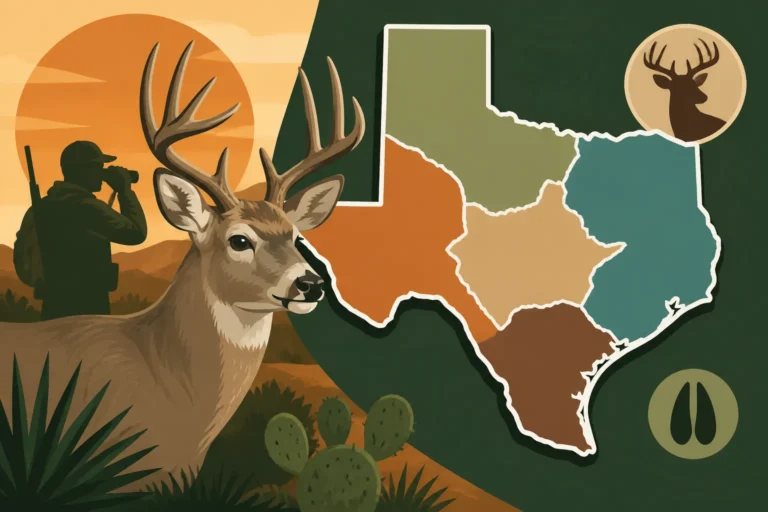
- Geographic Zones: Texas is enormous, and wildlife populations vary greatly from one region to another. That's why the state is divided into North, South, and Eastern turkey zones, each with its own specific season dates and regulations tailored to local conditions. The Rio Grande turkey seasons primarily fall within the North and South zones, while the Eastern turkey has its own set of rules and a much smaller range in East Texas.
These factors are constantly monitored, and regulations are adjusted annually to ensure the long-term health of the turkey population. This dynamic approach means hunters need to stay updated on the latest official pronouncements, typically found in the annual Outdoor Annual.
Texas Rio Grande Turkey Spring Season Dates 2026: The Specifics
The spring turkey season is the undisputed highlight for most gobbler hunters. It's when those big, boisterous toms are actively seeking hens, making them responsive to calls and displaying their impressive plumage. Knowing the precise dates for your hunting zone is non-negotiable. While the official 2026 dates won't be formally published until closer to the season, based on historical patterns and current management strategies, we can anticipate the following for Rio Grande turkeys. Remember, always double-check the latest Texas Turkey Season 2026: Spring & Fall Zones details in the official TPWD Outdoor Annual once released.
North Zone Season Details
The North Zone covers a vast swath of Texas, including the Panhandle, much of the Rolling Plains, and parts of the Cross Timbers and Prairies. This region is renowned for its excellent Rio Grande turkey hunting.
- Anticipated Dates: For 2026, the general consensus, following historical trends, points to the Rio Grande spring turkey season in the North Zone typically running from the last Saturday in March through the first Sunday in May. This means you can likely expect dates around March 28, 2026 – May 10, 2026. This offers roughly six weeks of prime hunting.
- Specific Counties: Counties like Wilbarger, Childress, Cottle, Baylor, Foard, Hardeman, King, Knox, and Motley are classic North Zone turkey destinations, along with many others in the northern half of the state. The boundaries are clearly defined by county lines, so make sure you confirm which zone your hunting property falls into.
- General Rules: The general bag limit for Rio Grande turkeys in the North Zone during the spring is four gobblers. However, it's crucial to consult the Texas White-Tailed Deer Hunting Regulations 2026 and the specific turkey regulations for any unique county restrictions, especially regarding the total number of turkeys you can take statewide.
South Zone Season Details
The South Zone encompasses the Edwards Plateau (Hill Country), South Texas Plains, and parts of the Gulf Coast Prairies. The Hill Country, in particular, is a turkey hunting paradise, often boasting some of the highest turkey densities in the state.
- Anticipated Dates: The South Zone usually gets an earlier start to its spring turkey season due to a slightly earlier onset of breeding activity in the region's warmer climate. Expect the season to open around the first Saturday in March and run through the third Sunday in April. This would put the anticipated dates for 2026 around March 7, 2026 – April 26, 2026. This still provides a generous seven weeks of hunting opportunity.
- Specific Counties: Iconic turkey counties in the South Zone include Kerr, Gillespie, Llano, Mason, Edwards, Sutton, Kimble, and Real. Deeper South Texas counties like Dimmit, La Salle, and Webb also offer Rio Grande opportunities. Again, double-check your specific county in the Outdoor Annual.
- General Rules: Similar to the North Zone, the general bag limit for Rio Grande turkeys in the South Zone during the spring is typically four gobblers. Always adhere to Texas Hunting Tags & Harvest Reporting (My Texas Hunt Harvest) requirements for any successful harvest.
Special Considerations: Youth-Only and One-Gobbler Counties
Texas offers special youth-only seasons for spring turkey, providing younger hunters with an opportunity to get out in the field before the general season opens. These seasons typically occur on the weekend immediately preceding the general opener in both the North and South Zones. Keep an eye out for these Texas Youth Hunting Weekend Dates if you're planning a trip with a young hunter. It's a fantastic way to introduce them to the sport without the added pressure of a crowded hunting landscape.
Additionally, some counties, especially those bordering the Eastern Turkey Zone or with smaller Rio Grande populations, may have a "one-gobbler" bag limit during the spring season. This is less common for the core Rio Grande range but is always something to verify in the Outdoor Annual. These specific regulations are designed to protect local populations and ensure future hunting opportunities.
| Zone | Anticipated 2026 Spring Dates | Bag Limit (Gobblers) | Notes |
|---|---|---|---|
| North Zone | March 28, 2026 – May 10, 2026 | 4 | Check for specific county restrictions. |
| South Zone | March 7, 2026 – April 26, 2026 | 4 | Generally opens earlier than North Zone. |
| Youth-Only | Weekend preceding general opener | 1 per weekend | Specific to eligible youth hunters. |
Fall Rio Grande Turkey Hunting Opportunities
While the spring season gets all the glory, don't overlook the possibilities of fall turkey hunting in Texas. It's a completely different experience, often requiring different tactics, but it can be incredibly rewarding. The atmosphere is usually more relaxed, and you're often targeting mixed flocks of hens and jakes, which can be great for filling the freezer.
General Fall Season
The general fall turkey season for Rio Grandes is much more widespread across the state than the spring season, covering a vast number of counties. This season often coincides with the general deer season, providing a unique opportunity to combine hunts.
- Anticipated Dates: The general fall season typically runs for an extended period, often from early November through late February or early March of the following year. For 2026-2027, you can anticipate dates like November 1, 2026 – February 28, 2027 in many counties. This long season offers tremendous flexibility for hunters.
- Hunting Methods: Fall hunting is more about locating flocks. You might use roosting techniques in the evening to identify where birds are bedding down, or simply scout feeding areas. Once you locate a flock, a common tactic is to bust them up and then use assembly calls to bring birds back in. Learning Turkey Calling & Tactics for Texas Rios is still crucial, but the calls used in fall differ slightly from spring.
- Bag Limits: The fall bag limit for Rio Grande turkeys is typically four birds of either sex. This means you can harvest hens, jakes, or gobblers. This flexibility makes it a great option for those looking to put some wild game on the table.
Archery-Only Fall Season
For bowhunting enthusiasts, Texas also offers an archery-only season that precedes the general firearms season. This is an excellent opportunity for archers to target turkeys when hunting pressure is generally lower.
- Anticipated Dates: The archery-only season for Rio Grandes generally starts at the end of September and runs through early November, usually coinciding with the statewide Texas Archery Season Dates for deer. For 2026, expect dates such as September 27, 2026 – October 31, 2026.
- Counties and Rules: This season is available in all counties that have an open general fall season for turkeys. The bag limit during the archery-only season is typically four birds of either sex, similar to the general fall season. However, you'll need to adhere to all archery-specific regulations, ensuring your equipment meets the legal requirements.
- Unique Challenge: Bowhunting turkeys is notoriously challenging. Their keen eyesight and hearing make getting into range with a bow a true test of patience and skill. Decoys can be incredibly effective during this time, helping to draw birds closer and divert their attention.
Essential Regulations and Best Practices for Texas Turkey Hunters
Beyond knowing the season dates, being a responsible and successful turkey hunter in Texas means understanding and adhering to all regulations and adopting best practices. It's not just about what you can hunt, but how you hunt it.
Licensing and Endorsements
Before you even step foot in the field, make sure your paperwork is in order. Hunting without the proper licenses and endorsements can lead to hefty fines and loss of privileges.
- Texas Hunting License: Everyone, unless exempt by age (under 17), needs a valid Texas hunting license. The Texas Hunting License: Cost, Types & How to Buy (2026) outlines various options, but for most residents, the Super Combo license is the most popular choice as it covers all general hunting and fishing needs. Non-residents will need a specific non-resident hunting license.
- Upland Game Bird Endorsement: To hunt turkeys (and other upland birds like quail, pheasant, and chachalaca), you'll need this specific endorsement on your license. It’s usually included in the Super Combo but needs to be purchased separately if you buy a basic hunting license.
- HIP Certification: For migratory game birds, which includes some turkey species (though not Rio Grandes for general purposes, it's good practice to have if you also hunt doves or ducks), you'll need to be HIP (Harvest Information Program) certified. While not strictly required for resident Rio Grande turkey, it's a good habit if you're hunting multiple species.
Always carry your license with you while hunting. It’s your proof that you’re legally allowed to be in the field pursuing game.
Bag Limits and Harvest Reporting
Understanding bag limits and reporting requirements is fundamental to ethical hunting and sound wildlife management.
- Statewide Bag Limit: For Rio Grande turkeys, the statewide annual bag limit is four gobblers during the spring season, and four turkeys of either sex during the fall season. This limit applies across all zones and seasons combined. So, if you take two gobblers in the South Zone spring, you only have two left for the North Zone spring.
- County-Specific Limits: As mentioned, some counties might have more restrictive local limits, such as the one-gobbler rule. It is absolutely your responsibility to check these.
- My Texas Hunt Harvest: Texas requires harvest reporting for certain species, and this includes all turkeys harvested. You are legally obligated to report your harvest through the Texas Hunting Tags & Harvest Reporting (My Texas Hunt Harvest) system. This can be done online or through the My Texas Hunt Harvest mobile app. It's usually required within 24 hours of harvest. This data is critical for TPWD biologists to monitor populations and adjust future regulations. Don't skip this step!
Pre-Hunt Preparation and Gear
A successful turkey hunt often starts long before you ever set foot in the woods. Thorough preparation can make all the difference.
- Scouting: Even if you've hunted a property for years, conditions change. Spend time before the season scouting for roosting sites, strut zones, and feeding areas. Look for tracks, droppings, and scratch marks. Listening for gobblers at dawn (roost shocking) can help you pinpoint their locations.
- Calling: Mastering basic turkey calls is crucial for spring hunting. Learn to use a diaphragm call, pot call, or box call effectively. Yelp, cluck, and purr are your bread and butter. Consider a variety of calls for different situations, and practice, practice, practice! If you need to upgrade your setup, explore options for the Best Game Calls for Texas Hunting.
- Camouflage and Blinds: Turkeys have incredibly sharp eyesight. Full camouflage from head to toe, including a face mask and gloves, is essential. Portable ground blinds can offer a significant advantage, especially if you're hunting in open country or with children, providing concealment and allowing for more movement. For beginners, investing in the Best Hunting Gear for Beginners in Texas (By Budget) can set you up for success.
- Shotgun and Ammunition: A 12-gauge or 20-gauge shotgun with a tight choke (like an extra-full) and quality turkey loads will give you the best pattern density for clean kills at reasonable ranges. Pattern your shotgun before the season to know its effective range with your chosen ammunition.
Responsible and ethical hunting means being prepared, knowledgeable, and respectful of the wildlife and the regulations that protect it.
Disclaimer
Please note that while this guide provides anticipated dates and general information based on historical patterns and current regulations, hunting seasons and regulations are subject to change by the Texas Parks and Wildlife Department. Always consult the official TPWD Outdoor Annual for the most up-to-date and accurate information before planning and embarking on any hunting trip. It is the hunter's responsibility to know and follow all applicable laws and regulations.