Texas Mule Deer Season Dates by Region
Figuring out the exact dates for mule deer season in Texas can feel like navigating a maze, especially when you consider how vast our state is and how much the regulations can change from one region to another. It's not just about knowing when deer season is generally; it's about pinpointing the specific timeframes that apply to the unique mule deer territories. This guide is here to untangle all that confusion, breaking down the Texas mule deer season dates by region, along with the critical details you'll need to plan a successful and legal hunt.
Understanding Texas Mule Deer Regions and Seasons
Texas might be synonymous with whitetail deer for many, but our western and northern expanses hold a truly magnificent game animal: the mule deer. These incredible animals thrive in the rugged, wide-open spaces of the Trans-Pecos mountains and the high plains of the Panhandle. Unlike whitetails, which are found across most of the state, mule deer populations are localized to these specific regions, and as such, their hunting seasons and regulations are tailored to manage these distinct populations. The Texas Parks and Wildlife Department (TPWD) carefully crafts these seasons to ensure sustainable hunting opportunities while promoting healthy herds.
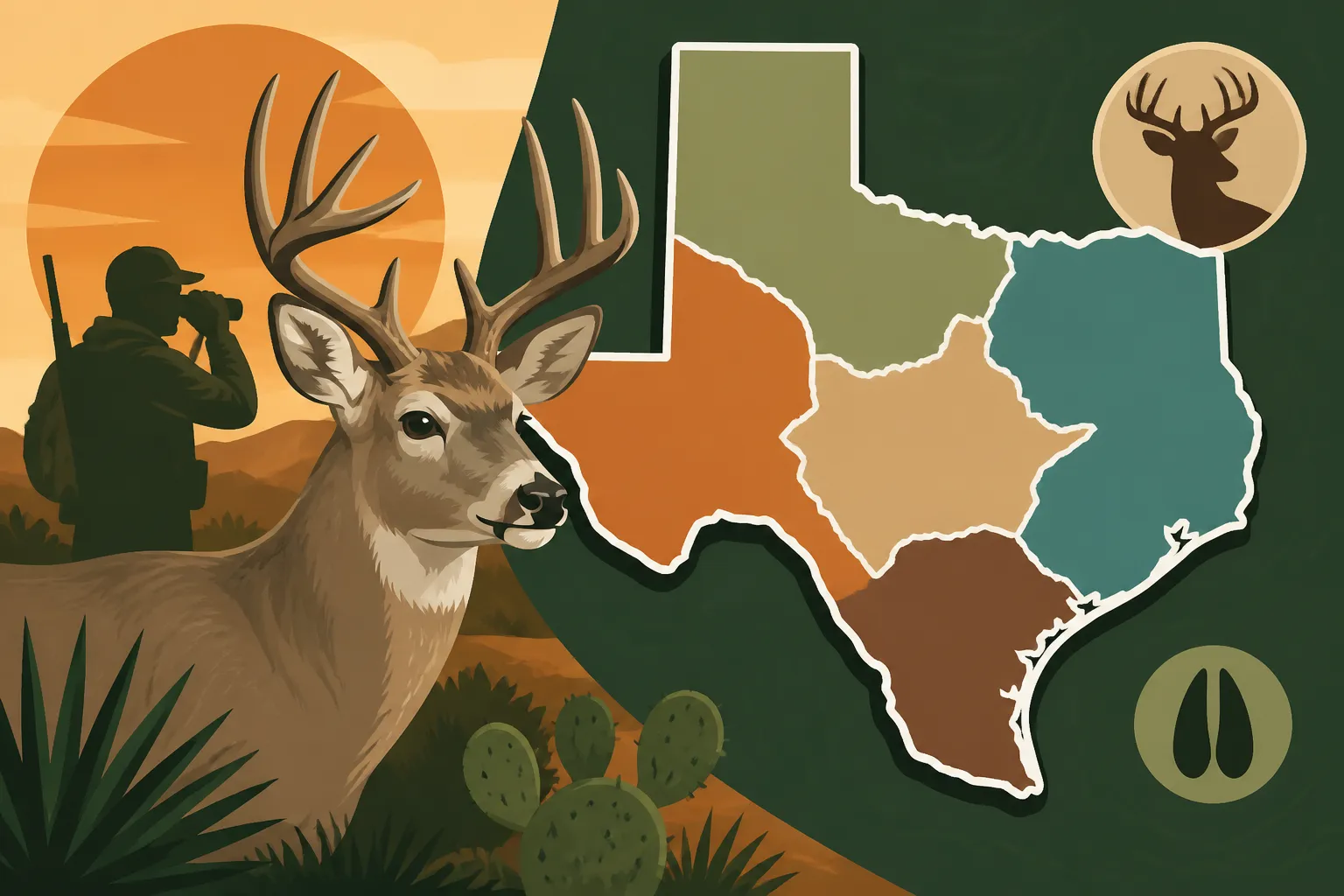
The primary distinction for mule deer hunting in Texas lies between the Trans-Pecos region and the Panhandle. While the general framework remains similar (archery, general, and muzzleloader seasons), the exact start and end dates can vary slightly, and more importantly, the specific counties included in each zone define where you can actually apply those dates. Understanding these regional boundaries is the first crucial step to planning your hunt, whether you're dreaming of a high-country stalk or a plains pursuit.
Generally, mule deer seasons in Texas tend to kick off later than whitetail seasons, often beginning in November, after the initial archery-only periods for both species. This timing is strategic, aligning with cooler weather and often leading into the mule deer rut, offering hunters prime opportunities. However, it's never enough to just assume the dates; always double-check the official Outdoor Annual each year.
Deep Dive into Trans-Pecos Mule Deer Season
The Trans-Pecos region is truly a jewel for mule deer hunters. Think big, expansive mountains like the Davis Mountains, Glass Mountains, and Guadalupe Mountains, along with vast, rugged desert landscapes. This area, largely defined by counties west of the Pecos River, is where you'll find some of Texas's most impressive mule deer bucks. The terrain itself presents a significant challenge, making for an incredibly rewarding hunt.
Trans-Pecos General Season Dates
For the 2026-2027 season (as regulations are typically set a year in advance), the general mule deer season in the Trans-Pecos counties like Brewster, Culberson, Hudspeth, Jeff Davis, Pecos, Presidio, Reeves, Terrell, and Val Verde typically runs for about two weeks in late November and early December. For example, dates might look something like November 23rd to December 8th. These specific dates are crucial, as they are often the most popular period for hunters, allowing for rifle hunting.
During the general season, the bag limit is usually one antlered mule deer buck. However, there are very specific antler restrictions that apply to these bucks. To be considered legal, an antlered mule deer must typically have an outside spread of at least 20 inches, or have an unbranched antler at least 10 inches long. These rules are in place to help mature bucks pass on their genes and contribute to herd health. It's a challenging but deeply satisfying experience to hunt these magnificent animals in such a breathtaking setting. For more detailed information on regulations in this part of the state, be sure to consult the guide on Texas Mule Deer Hunting Regulations 2026.
Trans-Pecos Archery and Muzzleloader Seasons
Before the general rifle season opens, archery enthusiasts get their shot. The archery-only mule deer season in the Trans-Pecos typically aligns with the statewide archery-only white-tailed deer season, which often runs for the entire month of October. So, if you're a bowhunter, you might be looking at October 1st through October 31st. This early season offers a unique challenge, as the deer are generally less pressured and the weather can still be quite warm. Bowhunting mule deer in the Trans-Pecos requires exceptional scouting, stealth, and patience.
Following the general season, there's often a short muzzleloader-only season, typically a week or two in mid-December. This season provides another opportunity for hunters using traditional firearms. Muzzleloader hunting adds an extra layer of skill and preparation, and the late timing means you might catch the tail end of the rut or benefit from colder weather that makes deer more active during daylight hours. Always confirm these dates in the official TPWD Outdoor Annual, as they are subject to change slightly year to year. You can learn a lot more about pursuing these deer by checking out Mule Deer Hunting in Texas: Panhandle & Trans-Pecos.
Exploring Panhandle Mule Deer Season
Moving north, the Texas Panhandle offers a completely different, yet equally exciting, mule deer hunting experience. This region, characterized by its vast prairies, rolling plains, and rugged canyonlands—think Palo Duro Canyon and the breaks of the Canadian River—holds healthy mule deer populations. Counties like Armstrong, Briscoe, Childress, Cottle, Floyd, Hall, Hardeman, Motley, and others in the northern Panhandle are prime hunting grounds. The hunting here often involves glassing vast stretches of country, spotting deer from a distance, and then planning long stalks.
Panhandle General Season Dates
Similar to the Trans-Pecos, the general mule deer season in the Panhandle usually runs for a two-week period in late November and early December. For instance, you might see dates like November 23rd to December 8th for the 2026-2027 season, mirroring the Trans-Pecos. However, it's critical to note that the specific list of counties that fall into the Panhandle mule deer zone can be very precise. Always check the county-specific regulations.
The bag limit in the Panhandle general season is also typically one antlered mule deer buck. The antler restrictions here are often the same as in the Trans-Pecos: an outside spread of at least 20 inches or an unbranched antler at least 10 inches long. While the landscape is different, the challenge of finding a legal buck is just as real. Hunting the Panhandle often means dealing with unpredictable weather, from mild days to sudden blizzards, which can significantly impact deer movement. For tips on navigating this unique terrain, take a look at our guide on How to Hunt Mule Deer in the Panhandle.
Panhandle Archery and Muzzleloader Seasons
Just like in the Trans-Pecos, the Panhandle also offers archery-only and muzzleloader-only seasons for mule deer. The archery season is typically the entire month of October, providing bowhunters with an early opportunity before the general firearms season. This can be a fantastic time to hunt, as the deer are still in their regular patterns and haven't been pressured by rifle hunters yet.
The muzzleloader-only season, usually a short window in mid-December, extends the hunting opportunities. This can be a great time to hunt, especially if the rut is still lingering or if colder weather has pushed deer into more predictable patterns. Both archery and muzzleloader hunting in the Panhandle demand a keen understanding of the landscape and the deer's habits. These methods can also provide a less crowded experience than the general firearms season. Regardless of your chosen method, understanding Mule Deer Hunting Tactics for Texas can give you an edge.
Here's a quick overview of the typical season structure for Texas mule deer, keeping in mind that specific dates can vary year-to-year and should always be verified with the current Texas Parks and Wildlife Department Outdoor Annual:
| Season Type | Typical Start Date | Typical End Date | Applicable Regions | General Bag Limit (Antlered Buck) | Antler Restrictions |
|---|---|---|---|---|---|
| Archery-Only | Oct 1 | Oct 31 | Trans-Pecos, Panhandle | 1 | Outside spread 20"+ OR 10"+ unbranched antler |
| General Season | Nov 23 | Dec 8 | Trans-Pecos, Panhandle | 1 | Outside spread 20"+ OR 10"+ unbranched antler |
| Muzzleloader-Only | Dec 9 | Dec 24 | Trans-Pecos, Panhandle | 1 | Outside spread 20"+ OR 10"+ unbranched antler |
Note: Dates are illustrative based on typical patterns and should be confirmed annually with TPWD. Bag limits and antler restrictions are subject to county-specific variations and CWD management zones.
Important Considerations for Mule Deer Hunters
Beyond knowing the season dates, several other factors are absolutely critical for a successful and legal mule deer hunt in Texas. Don't let these details catch you off guard; a little preparation goes a long way.
Licensing and Permits
Before you even step foot in the field, you'll need the proper licensing. For any resident or non-resident hunter, a valid Texas hunting license is required. Most hunters opt for the Texas Super Combo License, which covers various game animals and required endorsements. For mule deer, you'll specifically need the deer hunting endorsement. Non-residents have specific options like the Non-Resident General Hunting License. It's vital to ensure your license is current and that you have all the necessary endorsements. You can find out more about the different license types and how to acquire them in our guide, Texas Hunting License: Cost, Types & How to Buy (2026).
Beyond the general hunting license, mule deer hunting in Texas, especially for antlerless deer, often involves landowner permits (LPs). For public land opportunities, such as those available through the Texas Parks and Wildlife Department's Public Hunt Drawing System, you'll need to apply for specific drawn hunts. These hunts are highly coveted and can offer incredible experiences in prime mule deer habitat. Learning about these applications is crucial if you're looking for public land access; see Texas Drawn Hunts & Public Hunt Draw 2027 for more details.
Harvest Reporting and Antler Restrictions
Texas takes harvest reporting seriously, and mule deer are no exception. All harvested mule deer must be reported to the TPWD. This is usually done through the My Texas Hunt Harvest app or online portal. Accurate reporting provides wildlife biologists with essential data to manage deer populations effectively and set future season dates and bag limits. Failing to report a harvest can lead to penalties. If you're new to this, our article on Texas Hunting Tags & Harvest Reporting (My Texas Hunt Harvest) will walk you through the process.
As mentioned earlier, understanding and correctly applying antler restrictions is paramount. The 20-inch outside spread or 10-inch unbranched antler rule for mule deer is designed to protect younger bucks and allow them to reach maturity. Improperly identifying a legal buck can lead to citations, so always be sure of your target. For comprehensive information on bag limits and antler requirements, check out Mule Deer Season & Bag Limit in Texas and Texas Mule Deer Antler Restrictions (20-Inch Rule).
Chronic Wasting Disease (CWD) Zones
Chronic Wasting Disease (CWD) is a serious neurological disease affecting deer and other cervids. Texas has designated CWD Containment and Surveillance Zones, which can impact how you hunt and transport your harvested animal. Many mule deer hunting areas, especially in the Trans-Pecos and Panhandle, fall within or are adjacent to these zones. Within a CWD zone, there are often mandatory check stations and carcass movement restrictions. For example, you might be prohibited from transporting certain parts of the carcass out of the zone unless it's been processed.
It is absolutely essential to check the latest CWD regulations for your specific hunting area before your hunt. These rules are put in place to help contain the spread of the disease and are strictly enforced. Consult the CWD in Texas: Zones, Rules & Carcass Transport guide to stay informed and ensure you're in compliance.
Planning Your Hunt and Key Resources
Successfully hunting mule deer in Texas requires more than just knowing the season dates; it demands thorough planning and an understanding of the resources available to you. These hunts often take place in remote, rugged country, so being prepared is non-negotiable.
Utilizing the Texas Parks and Wildlife Outdoor Annual
The single most important resource for any Texas hunter is the official Texas Parks and Wildlife Department (TPWD) Outdoor Annual. This comprehensive guide, available online and in print, contains all current hunting and fishing regulations, including precise season dates, bag limits, county-specific rules, and CWD zone information. It is your ultimate authority. Always make sure you're looking at the current year's annual, as regulations can change from season to season. A deeper dive into how to use this vital resource can be found in our article, How to Read the Texas Outdoor Annual.
Scouting and Preparation
Mule deer are creatures of habit, but they also inhabit vast territories, making scouting absolutely crucial. Whether you're hunting private land or a public draw hunt, dedicating time to pre-season scouting will dramatically increase your chances. This means understanding the terrain, identifying travel corridors, bedding areas, and feeding locations. Using quality optics, like powerful binoculars or spotting scopes, is essential for locating mule deer in their wide-open habitats. Many hunters also use trail cameras, although their effectiveness can be limited by the expansive nature of mule deer country.
Beyond just finding deer, proper preparation for a mule deer hunt includes physical conditioning. These hunts can involve significant hiking over challenging terrain, especially in the Trans-Pecos mountains. Ensure your gear is in top condition, from your rifle and optics to your boots and backpack. Remote areas often mean limited cell service, so bring maps, a compass, or a reliable GPS device. For great tips on getting ready, check out How to Scout for Deer Before Season in Texas.
Disclaimer
Please note: The information provided in this guide is for general informational purposes only and is based on typical Texas hunting regulations. Hunting seasons, bag limits, and specific regulations are subject to change annually by the Texas Parks and Wildlife Department (TPWD). It is the hunter's responsibility to consult the most current official TPWD Outdoor Annual or their website before planning or engaging in any hunting activity to ensure full compliance with all state and local laws.