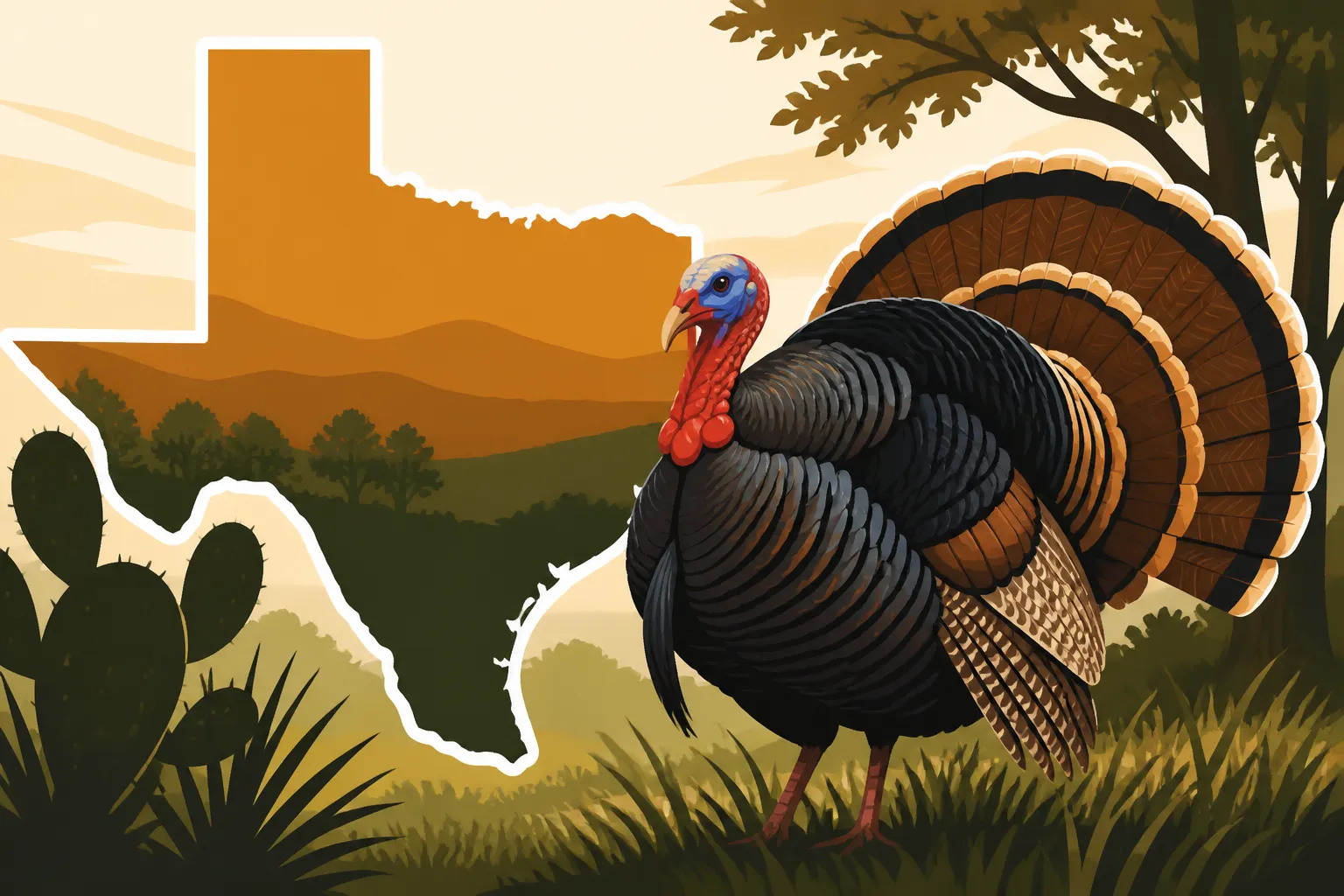
Texas Eastern Turkey Season Dates 2026
Trying to pin down the exact season dates for Eastern Turkey in Texas can sometimes feel like chasing a ghost in the Pineywoods, especially when you're planning ahead for 2026. With different zones and species-specific rules, it's easy to get tangled up in the details. This comprehensive guide is here to untangle all that, providing you with the anticipated 2026 Eastern Turkey season dates, along with critical information on regulations, licenses, and practical hunting tips to ensure you're fully prepared for your East Texas gobbler pursuit.
Understanding Texas Eastern Turkey Zones
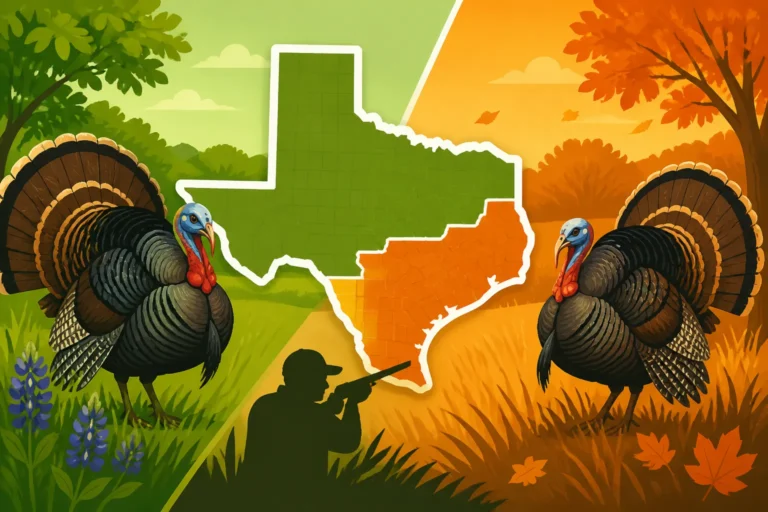
Texas is a vast state, and when it comes to turkey hunting, not all turkeys are created equal, nor are their seasons. The Texas Parks and Wildlife Department (TPWD) manages turkey populations based on species and geographic zones, and for Easterns, this means a very specific focus. Unlike the widespread Rio Grande turkey found across much of the state, Eastern turkeys are a much rarer and more specialized hunt, concentrated in the heavily timbered regions of East Texas.
Why Easterns are Different in Texas
Eastern turkeys (Meleagris gallopavo silvestris) are one of the most challenging subspecies to hunt due to their preference for dense, mature timber and their generally wary nature. In Texas, their population is limited to the easternmost counties, primarily within the Pineywoods ecoregion. This distinct habitat, characterized by thick forests of pine and hardwood, creates a different hunting experience compared to the open country or brush of other parts of Texas where Rio Grandes roam. The season structure reflects the conservation efforts for these birds, often featuring shorter seasons and more restrictive bag limits to help maintain and grow their numbers. If you're looking for detailed information on other subspecies, check out our guide on Texas Turkey Season 2026: Spring & Fall Zones.
Key Counties for Eastern Turkey Hunting
When you're planning an Eastern turkey hunt in Texas, your focus needs to be laser-sharp on the eastern counties. Historically, these birds have been found in counties like Polk, Tyler, Jasper, Newton, Sabine, San Augustine, Nacogdoches, Angelina, Trinity, Houston, and Cherokee. However, their populations can fluctuate, and TPWD actively works on restoration efforts in various areas. These birds thrive in mature forests, often near river bottoms and creek drainages that provide a mix of roosting trees and open understory for foraging. For those interested in a broader overview of hunting opportunities in this area, you might find our article on Pineywoods & East Texas Hunting particularly helpful. Always consult the official TPWD Outdoor Annual for the most current county-specific information before heading out, as regulations can sometimes be adjusted based on local population dynamics.
2026 Eastern Turkey Season Dates
While specific dates for the 2026-2027 hunting season are officially released closer to the season, we can anticipate the Eastern Turkey season in Texas to follow a similar pattern to previous years. It's crucial for hunters to double-check the latest Texas Eastern Turkey Hunting Regulations 2026 in the official Outdoor Annual once it's published, usually in late summer or early fall preceding the season.
General Season Dates
Based on the 2025 dates, which serve as a strong indicator for 2026, the general spring Eastern turkey season in the East Texas counties typically runs for a relatively short period, usually a few weeks in April and May. For 2026, we can anticipate the general spring Eastern Turkey season to begin around mid to late April and conclude in mid-May. For example, the 2025 season ran from April 22 – May 14. Therefore, for 2026, hunters should expect dates to fall roughly between April 21 and May 13, 2026. This season is strictly for gobblers only, reflecting the conservative management strategy for this subspecies. Remember, the focus is on a single gobbler bag limit, emphasizing quality over quantity and supporting population growth. More details on the distinct characteristics of these birds can be found in Eastern Turkey in East Texas (One-Gobbler).
Youth-Only and Special Seasons
Texas is committed to fostering a love for hunting in its youth, and special youth-only seasons are a fantastic way to introduce new hunters to the field. For Eastern turkeys, similar to Rio Grandes, youth-only weekends typically precede or fall within the general season. For 2026, based on the 2025 schedule, you can expect youth-only Eastern Turkey weekends to occur around late March and mid-April. The 2025 dates were March 29-30 and April 19-20. So, for 2026, look for dates like March 28-29, 2026 and April 18-19, 2026. These provide a great opportunity for young hunters (16 years of age or younger) to pursue a gobbler without the pressure of a fully open general season. These dates are designed to give youth a head start and a dedicated chance at success, often when turkey activity is high.
Bag Limits and Harvest Reporting for Easterns
The bag limit for Eastern turkeys in Texas is notably more restrictive than for Rio Grandes. In the Eastern Turkey zone, the annual bag limit is one gobbler. This strict limit is a testament to the efforts to protect and enhance the Eastern turkey population in the state. Hunters are expected to adhere to this limit rigorously.
Harvest reporting is also a critical component of responsible hunting and wildlife management, especially for species like the Eastern turkey. If you successfully harvest an Eastern gobbler, it is mandatory to report your harvest. This data helps TPWD monitor populations, assess management strategies, and ensure the long-term health of the species. The most convenient way to do this is through the My Texas Hunt Harvest app or online system. You can find comprehensive details on this process in our guide to Texas Hunting Tags & Harvest Reporting (My Texas Hunt Harvest). Always be prepared to report your harvest promptly after taking an animal.
Here's a quick look at the anticipated 2026 Eastern Turkey Season dates and regulations:
| Season Type | Anticipated 2026 Dates | Legal Game | Bag Limit (Annual) | Notes |
|---|---|---|---|---|
| General Spring | April 21 – May 13, 2026* | Gobblers Only | One | Focus on East Texas counties |
| Youth-Only 1 | March 28 – March 29, 2026* | Gobblers Only | One (part of annual limit) | For hunters 16 years and younger |
| Youth-Only 2 | April 18 – April 19, 2026* | Gobblers Only | One (part of annual limit) | For hunters 16 years and younger |
*Please note: These are anticipated dates based on historical patterns and should be confirmed with the official TPWD Outdoor Annual for 2026 once released.
Important Regulations and Permits for Eastern Turkey
Understanding the specific regulations and required permits for Eastern turkey hunting is just as vital as knowing the season dates. Texas has clear guidelines designed to ensure fair chase, promote conservation, and keep hunters safe. Missing a key permit or overlooking a regulation could lead to fines or loss of hunting privileges, which nobody wants after spending time and money on a hunt.
Licensing Requirements
Before you even think about setting foot in the woods, you need to ensure you have the correct Texas hunting license. For turkey hunting, this includes a valid General Hunting License. On top of that, all turkey hunters, regardless of age, must possess an Upland Game Bird Endorsement. This endorsement is specific to species like turkey, quail, and pheasant, and it's a non-negotiable requirement. For non-residents, a special non-resident hunting license is needed, which typically includes various endorsements or allows for the purchase of individual endorsements. You can learn more about the different license types and how to acquire them by checking out our comprehensive guide on Texas Hunting License: Cost, Types & How to Buy (2026). Always carry your license and endorsements with you while hunting, as TPWD game wardens regularly check for compliance.
Other Regulations
Beyond licenses, several other regulations are critical for Eastern turkey hunting:
- Legal Means and Methods: For spring turkey season, the legal means and methods generally include shotguns (lead or non-toxic shot), archery equipment, and lawful muzzleloaders. Make sure your shotgun gauge and shot size comply with regulations; typically, shot no larger than #2 lead or steel shot is recommended.
- Hunting Hours: Legal hunting hours for turkey are generally from one-half hour before sunrise to one-half hour after sunset. This gives you ample time during the prime morning and evening hours when gobblers are most active.
- Baiting and Feeding: Hunting over bait is generally prohibited for turkeys in Texas. While feeders are common for deer and hogs, you cannot legally hunt turkey directly over them. This rule is in place to maintain fair chase principles. Always be aware of food plot regulations as well; it's legal to hunt over a food plot that's been established as part of a normal agricultural practice.
- Tagging and Validation: Once you harvest an Eastern gobbler, you must immediately complete the harvest log on the back of your license. This log requires information like the date, county, and species. You must then attach the appropriate tag from your license to the turkey. For specific details, refer to the Texas Turkey Tags & Harvest Reporting (My Texas Hunt Harvest) guide. The validation and reporting process is crucial for conservation efforts.
CWD Considerations
While Chronic Wasting Disease (CWD) is primarily associated with white-tailed deer and mule deer, it's always wise for hunters to be aware of any CWD zones or special regulations that might apply to areas where they are hunting. Currently, there are no specific CWD regulations directly impacting the hunting or transport of Eastern turkeys. However, CWD management areas are dynamic, and regulations can change, particularly regarding carcass movement. Always check the latest Outdoor Annual for any CWD zones that might overlap with your hunting area, even if they don't directly pertain to turkeys, as they might affect your overall hunting trip planning or travel routes.
Eastern Turkey Hunting Tips and Tactics
Hunting Eastern turkeys in Texas is a unique challenge, often requiring a different approach than what you might use for their Rio Grande cousins. These birds are known for being more reclusive and less responsive to aggressive calling, making scouting and patience paramount. If you've spent time chasing Rios, be prepared for a slightly different game in the East Texas timber.
Preferred Habitats and Roosting Areas
Eastern turkeys are creatures of the deep woods. They prefer mature hardwood and pine forests, especially areas with a dense canopy for roosting and an open understory for foraging for acorns, insects, and other food sources. Look for mature timber stands, especially near creek bottoms, river drainages, and swamps, as these areas provide both food and water, along with safety. In the spring, they will often roost in tall pines or large hardwoods along these waterways.
Scouting is absolutely crucial. Before the season, spend time walking the woods, looking for tracks, droppings, and scratch marks in the leaves. Listen for roosting calls at dusk and gobbling at dawn. Setting up trail cameras in potential strutting zones or travel corridors can also give you valuable insights into their patterns. Understanding where they feed, water, and loaf during the day will greatly increase your chances of intercepting a lonely gobbler.
Effective Calling Strategies for Easterns
Calling Eastern turkeys is an art form that often requires subtlety and patience. Unlike the hot-and-heavy calling sometimes used for Rio Grandes, Eastern gobblers can be very sensitive to over-calling. They've heard it all, and a natural, realistic approach is often best. Start soft with a few tree yelps at dawn, mimicking a hen waking on the roost. As the day progresses, gentle clucks, purrs, and soft yelps can entice a curious tom.
The key is to sound like a lonesome hen, not an entire flock. Don't be afraid to go silent for extended periods; a gobbler might circle to investigate what he thought was a hen, only to find nothing. When he thinks the "hen" has moved off, he might come looking. Learning to use various calls—box calls, slate calls, and mouth diaphragms—will give you versatility. While some calling techniques apply broadly, learning specific nuances for Easterns can be a game-changer. For those looking to hone their skills, check out resources on How to Call Rio Grande Turkeys in Texas, adapting the principles to the Eastern's temperament. Many of these principles, especially regarding realism and rhythm, are transferable. And of course, having a good selection of calls is vital; consider exploring options in Best Game Calls for Texas Hunting.
Scouting and Setup for Spring Toms
Successful Eastern turkey hunting often hinges on effective scouting and strategic setup. As mentioned, locating roosting sites is prime intel. Once you pinpoint where they roost, set up quietly well before dawn, preferably within 100-150 yards, positioning yourself where you can see their fly-down area. Natural blinds are often more effective than artificial ones, as Easterns are less accustomed to human presence.
Look for natural funnels, like ridges or creek bends, that gobblers might follow as they move through the woods. Also, identify open areas within the timber, such as old logging roads or small clearings, where a tom might strut. These "strut zones" are perfect places to set up. Patience is your best friend. Unlike Rios that might come running across an open field, Easterns often approach cautiously, taking their time, sometimes circling wide. Be prepared to sit still for long periods, resisting the urge to call too often. Having a comfortable, quiet setup is paramount, especially if you're targeting those elusive mature gobblers. For broader strategies that can be adapted for any turkey hunt, take a look at our guide on How to Hunt Rio Grande Turkey in Texas.
Disclaimer
Please remember that hunting regulations and season dates are subject to change by the Texas Parks and Wildlife Department. While every effort has been made to provide accurate and up-to-date information based on available data and historical patterns, these anticipated dates for the 2026 Eastern Turkey season should always be confirmed by consulting the official Texas Parks and Wildlife Department Outdoor Annual for the specific year you plan to hunt. It is the hunter's responsibility to know and follow all current laws and regulations.