Is There a Season for Aoudad in Texas?
One of the most common questions that comes up when talking about hunting Aoudad in Texas is, "When is the season?" It’s a completely fair question, especially given how strict and precise the seasons are for our native game animals like whitetail and turkey. But here’s the thing about Aoudad: they march to the beat of a different drum, and understanding their unique status as an exotic species is key to knowing when and how you can pursue them in the Lone Star State. This guide will clear up all the confusion, detailing the regulations and best times to chase these majestic sheep.
Understanding Aoudad as an Exotic Species in Texas
When we talk about hunting in Texas, the term "exotic species" carries a very specific meaning, and it dictates a completely different set of rules compared to native wildlife. Aoudad are a prime example of this distinction, and it's the fundamental reason why their "season" isn't listed in the same way as deer or dove.
Why Aoudad are Different from Native Game
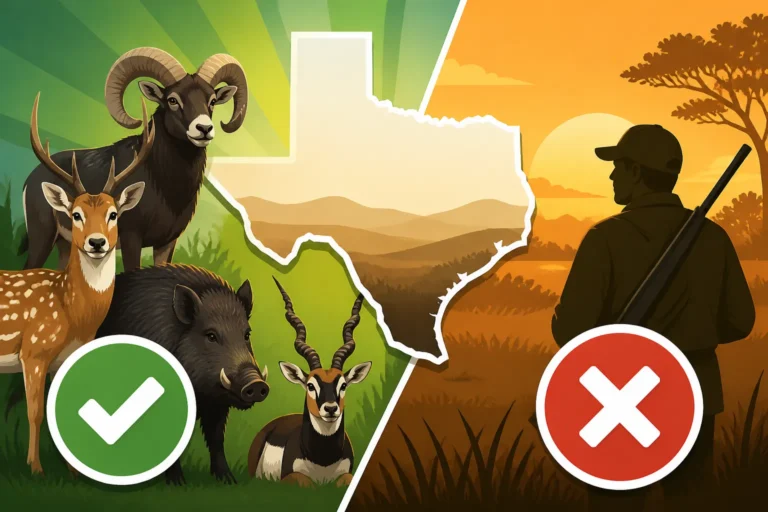
Aoudad, also known as Barbary sheep, are native to the rocky, arid mountains of North Africa. They were first introduced to Texas in the 1950s for zoological and private hunting purposes. These animals adapted incredibly well to the rugged terrain of West Texas, particularly in areas like the Trans-Pecos region, as well as parts of the Hill Country. Because they are not native to Texas, the Texas Parks and Wildlife Department (TPWD) classifies them as an exotic species. This classification is critical because it means they are not managed under the same statewide hunting regulations as native game. For instance, species like white-tailed deer or Rio Grande turkey have specific hunting seasons, bag limits, and often antler restrictions or gobbler limits, all designed to manage their populations sustainably. Aoudad, however, fall outside these traditional game management paradigms.
No Closed Season on Private Land
This is the big takeaway for Aoudad hunting in Texas: on private land, there is generally no closed season and no bag limit. That's right, you can hunt Aoudad year-round, 365 days a year, as long as you have the landowner's permission. This unrestricted status is a significant draw for many hunters, offering incredible flexibility that's simply not available for native game. The reasoning behind this is straightforward: since Aoudad are non-native, they are often viewed similarly to livestock by state agencies. Landowners who introduce or manage Aoudad on their property are largely free to manage them as they see fit, without the same governmental oversight applied to species that are part of the state's natural ecological balance.
This "no closed season" rule applies to most exotic game animals in Texas, including popular species like axis deer, blackbuck antelope, and nilgai. While you still need a valid Texas hunting license to hunt exotics, the lack of seasonal restrictions makes them a fantastic option for hunters looking for opportunities outside of the traditional fall and winter hunting seasons.
Hunting Aoudad on Public Lands and Drawn Hunts
While the vast majority of Aoudad hunting takes place on private ranches across Texas, often through guided hunts, it's important to understand the very limited public land opportunities and how they differ significantly in terms of "season."
Limited Public Land Opportunities
Finding Aoudad on public land in Texas is like finding a needle in a haystack – possible, but certainly not easy or common. The primary reason for this scarcity is that Aoudad populations are predominantly established on private properties. However, there are a few exceptions. Occasionally, Aoudad can be found on certain Wildlife Management Areas (WMAs) or other public hunting lands, particularly in the Trans-Pecos region. When they are present, they often represent free-ranging populations that have either escaped from private ranches or established themselves in areas adjacent to private land.
Unlike private land hunting, hunting Aoudad on public land or WMAs does come with specific seasons and regulations, which are usually outlined annually by the Texas Parks and Wildlife Department. These seasons are designed to manage hunting pressure and ensure a fair chase environment, much like for native species. It’s crucial to check the specific WMA regulations in the Texas Outdoor Annual well in advance, as these can vary significantly from one unit to another and change year to year. For those interested, exploring options like the Black Gap WMA in the Trans-Pecos could be a starting point, though opportunities are highly competitive and not guaranteed. If you're looking for more general information on how to pursue them, you might find our guide on How to Hunt Aoudad on Public Land in Texas helpful.
Drawn Hunts and Their Specific Seasons
For most public land Aoudad opportunities, hunters will need to participate in the TPWD's Public Hunt Drawing System, often referred to as "drawn hunts." These hunts are highly coveted and offer a chance to hunt on premium public lands or private lands enrolled in public hunting programs. When it comes to Aoudad, these drawn hunts are extremely rare and competitive.
If an Aoudad drawn hunt is offered, it will have very specific application deadlines and hunt dates, which effectively become your "season" for that particular opportunity. These dates are typically set months in advance and are non-negotiable. You can't just show up and hunt; you must apply, be drawn, and then adhere to the strict schedule. These dates are often in the cooler months, coinciding with better hunting conditions and a more predictable rut. Understanding the process and improving your odds is key, and you can learn more about applying in our guide on Texas Drawn Hunts & Public Hunt Draw 2027 or even get tips on Texas Drawn Hunt Odds: What Are Your Chances?.
| Type of Land | Season Status | Bag Limit | License Required |
|---|---|---|---|
| Private Land | Year-round (No closed season) | No statewide bag limit (landowner discretion) | Yes |
| Public Land/WMAs | Specific dates (Drawn hunts) | Varies by hunt (usually 1 Aoudad) | Yes |
Licensing and Regulations for Aoudad Hunting
Even though Aoudad are exotic species and don't have a traditional closed season on private land, you can't just head out into the Texas brush without proper documentation. There are still crucial licensing and regulatory requirements that every hunter must adhere to.
General Hunting License Requirement
This is a non-negotiable fact: you must possess a valid Texas hunting license to hunt Aoudad, even on private property. While Aoudad might not be native game, they are still wild animals being hunted, and a state hunting license is a prerequisite for any hunting activity in Texas. For Texas residents, options like the Super Combo License often cover all the bases, but a basic hunting license is sufficient for exotics. Non-residents also need a valid Texas non-resident hunting license. For a comprehensive breakdown of costs and types, refer to our guide on the Texas Hunting License: Cost, Types & How to Buy (2026). Don't ever skip this step; a hunting license is your fundamental pass to legally pursue any animal in Texas.
Other Permits and Endorsements
For hunting Aoudad exclusively on private land, beyond your general hunting license, no additional state permits or endorsements are typically required. However, if you are lucky enough to draw a public land Aoudad hunt, you will need to pay specific hunt fees associated with that drawn hunt. Additionally, if you plan to hunt other species in conjunction with Aoudad on public lands, you might need an Annual Public Hunting (APH) Permit, which grants access to a vast network of public hunting units. Always double-check the specific requirements for any drawn hunt or WMA you plan to visit.
CWD and Carcass Movement
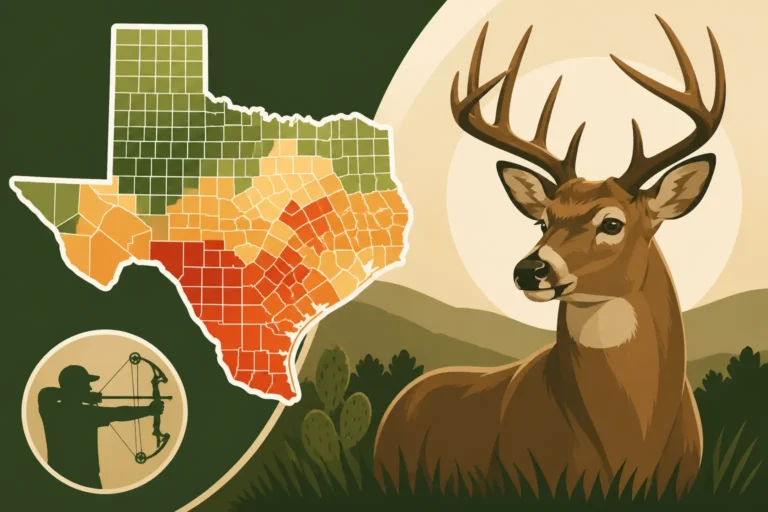
While Chronic Wasting Disease (CWD) is primarily a concern for native cervids like white-tailed deer and mule deer, it's something to be aware of if Aoudad are harvested in or near CWD zones. Although Aoudad are not considered cervids, state regulations concerning carcass movement in CWD zones are broad and can sometimes impact the transport of any harvested animal, especially if it could potentially carry or spread diseases. It's always best practice to quarter your animal and bone out the meat before leaving a CWD-designated county if you harvest an Aoudad in one of those areas. Stay informed by checking the latest information on CWD in Texas: Zones, Rules & Carcass Transport before your hunt, as rules can evolve.
Optimal Times to Hunt Aoudad Beyond "Season"
Even though there's no legal closed season for Aoudad on private land, experienced hunters will tell you that certain times of the year are far more productive and enjoyable for pursuing these challenging animals. This isn't about legal restrictions, but about maximizing your chances and comfort.
Weather and Aoudad Behavior
Aoudad are incredibly hardy animals, built for harsh desert environments. However, they are still affected by the extreme Texas heat, especially during the summer months. Hunting Aoudad in July or August in West Texas can be brutally hot for both hunter and animal. Aoudad will become much more nocturnal and seek heavy cover during the hottest parts of the day, making them harder to find and stalk.
This is why most hunters prefer the cooler months. Fall and winter (roughly October through February) are generally considered the prime time for Aoudad hunting. The cooler temperatures mean Aoudad are more active during daylight hours, making them more visible and providing better opportunities for spot-and-stalk tactics, which is a popular method for these mountain sheep. The cooler weather also simplifies game recovery and meat care, which is a major consideration in Texas.
Rutting Season for Aoudad
Just like native game, Aoudad have a rutting season, and this can be an excellent time to target a ram. The Aoudad rut typically occurs from late September through November, though it can extend into December in some areas. During the rut, rams become much more aggressive and less cautious as they compete for ewes. They might be seen more frequently in open areas, sparring with other rams, and generally exposing themselves more often.
Hunting during the rut can add an exciting dimension to your hunt, as the animals are more active and vocal. Knowing when the rut peaks in your specific hunting area can be a valuable tactic. Guides often plan their hunts around this period, as it offers a higher chance of encountering mature rams. This biological "season" is often what hunters refer to when planning their Aoudad trips, even though there's no legal restriction on other months.
Best Time of Day
Regardless of the time of year, Aoudad are most active during the low-light hours of dawn and dusk. This is when they typically move between feeding areas and bedding grounds. During the middle of the day, especially in warmer weather, they'll often bed down in shaded areas or on steep, north-facing slopes where they can catch a breeze.
This means early mornings and late afternoons are your prime hunting windows. Hunters often position themselves at vantage points overlooking potential feeding areas or travel corridors well before sunrise, glassing thoroughly as the light breaks. Similarly, evening hunts involve patiently watching as Aoudad begin to stir and move out to feed as the sun dips towards the horizon. Being in the field during these crucial times significantly increases your chances of spotting and successfully stalking an Aoudad. If you’re planning a hunt, check out our detailed guide on Spot-and-Stalk Aoudad in West Texas for more in-depth tactical advice.
Disclaimer
Please remember that hunting regulations, seasons, and licensing requirements can change. Always consult the current Texas Parks and Wildlife Department Outdoor Annual or their official website for the most up-to-date and accurate information before planning any hunting trip. This guide is for informational purposes only and should not be considered a substitute for official legal guidance.