Is There a Season for Blackbuck in Texas?
It can be incredibly confusing trying to navigate the complex world of Texas hunting regulations, especially when you're looking at species beyond our beloved whitetails. Many folks wonder about the rules for popular exotics like Blackbuck, often assuming they fall under the same seasonal restrictions as native game. This guide is here to clear up that confusion, explaining exactly how Blackbuck hunting works in the Lone Star State and what you need to know to pursue these beautiful animals legally and ethically.
The Straight Answer: Blackbuck Hunting in Texas
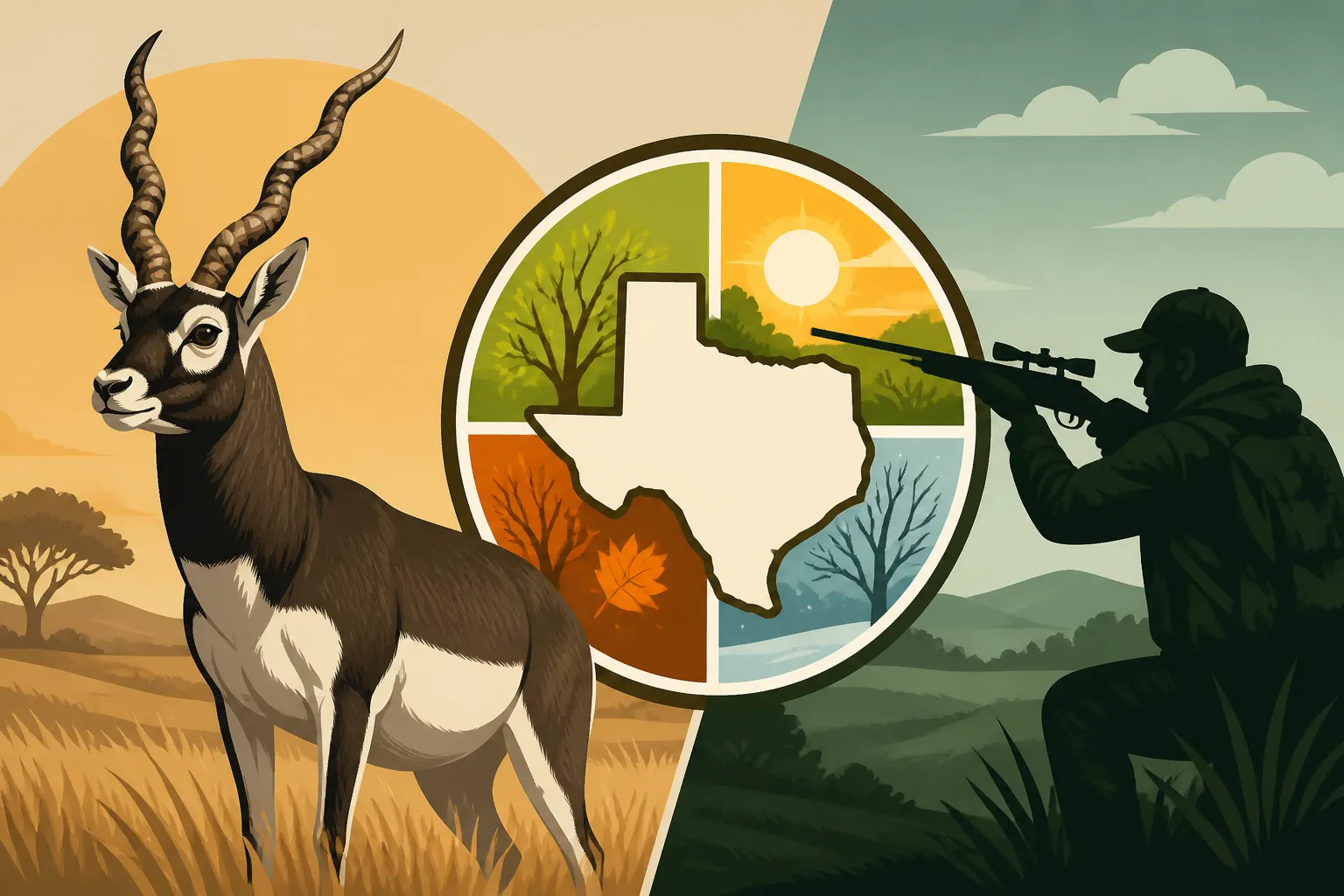
Let's cut right to the chase, because this is often where the biggest misconception lies: No, there is no official "season" for Blackbuck in Texas. Unlike white-tailed deer, Rio Grande turkeys, or ducks, Blackbuck are not considered native game animals by the Texas Parks and Wildlife Department (TPWD). This classification has significant implications for how, and when, you can hunt them.
Understanding Exotic Species Status
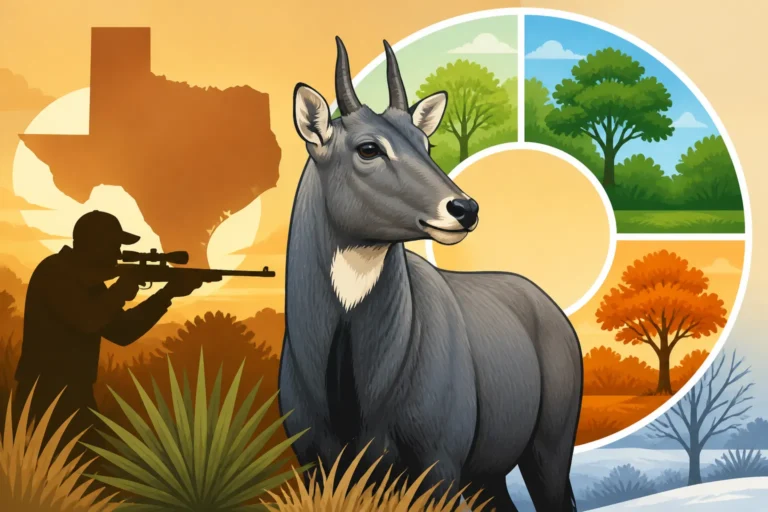
Blackbuck, originally from India and Nepal, were introduced to Texas ranches decades ago. Because they are not indigenous to the state, they fall under a special category as "exotic animals." This distinction is absolutely crucial for hunters to understand. For TPWD purposes, an exotic animal is essentially treated like livestock on private land. This means that if you're hunting Blackbuck on private property, which is overwhelmingly where these animals are found, the state does not impose specific hunting seasons or bag limits.
This classification is a double-edged sword, in a way. On one hand, it offers incredible flexibility for landowners and hunters, allowing for year-round opportunities. On the other, it places a greater responsibility on the landowner or hunting operator to manage their herds responsibly and sustainably. It also means that much of the "regulation" comes down to private property rules, rather than statewide mandates. When you're considering Exotic Hunting in Texas: Axis, Aoudad, Blackbuck & More, it's vital to remember that each species, while generally falling under the "exotic" umbrella, might have slightly different management considerations from ranch to ranch.
The Perpetual Season Advantage
The lack of a defined season means that Blackbuck can be hunted any time of year in Texas. This "perpetual season" is one of the main appeals for hunters looking for opportunities outside of the traditional fall and winter native game seasons. Imagine having the flexibility to plan a hunt in the spring, summer, or even late winter when other hunting options might be limited or nonexistent.
For a busy individual, this can be a huge benefit. You're not tied to specific dates, making it easier to schedule a trip around work, family commitments, or even the unpredictable Texas weather. However, just because you can hunt them year-round doesn't always mean it's the best time. The heat of a Texas summer can be brutal on both hunters and harvested game, requiring careful planning for Field Dressing & Processing Game in Texas Heat. Many hunters prefer the cooler months for comfort and game care, even if there are no official restrictions.
Necessary Permits and Legalities for Blackbuck
Even without a formal season, hunting Blackbuck in Texas isn't a free-for-all. There are still essential legal requirements and ethical considerations you absolutely must adhere to. Ignoring these can lead to serious fines or worse, so pay close attention.
Texas Hunting License Requirements
This is a non-negotiable point: You absolutely do need a valid Texas hunting license to hunt Blackbuck. While they are exotics and don't have seasons, they are still wild animals (even if managed on a ranch) and the act of hunting them requires proper licensing. Don't fall into the trap of thinking "no season, no license" – that's a quick way to run afoul of the law. Whether you're a resident or non-resident, you'll need the appropriate license. For a full breakdown, check out Texas Hunting License: Cost, Types & How to Buy (2026).
The specific license type you'll need is usually the "Resident Hunting License" or "Non-Resident General Hunting" license. You don't typically need special endorsements for exotic species unless you're combining your Blackbuck hunt with migratory birds or other specific game. The key takeaway is simple: always carry a current, valid Texas hunting license when you're in the field, no matter what you're pursuing. Many new hunters often ask, Do You Need a License to Hunt Exotics in Texas? and the answer is a resounding yes.
Landowner Permission is Key
Given that Blackbuck are almost exclusively found on private ranches in Texas, securing explicit permission from the landowner or leaseholder is paramount. Hunting without permission on private property is poaching, plain and simple, and carries severe penalties. Most Blackbuck hunts are organized through paid day hunts or annual leases.
When arranging a hunt, ensure you have a clear understanding of the ranch's specific rules, boundaries, and any additional fees. Many ranches operate under strict management plans to maintain healthy Blackbuck populations and ensure fair chase opportunities. This might include specific trophy quality requirements, guidelines on doe harvests, or even designated hunting areas. Always respect the landowner's wishes and property, treating it as if it were your own. This diligence extends to understanding property lines, which can be made easier with tools like onX Hunt, and respecting other hunters who might be on the same property, perhaps even pursuing different game like White-Tailed Deer Hunting in Texas: Complete Guide.
Best Times and Methods for Blackbuck Hunting
Since there's no official season, the "best time" to hunt Blackbuck really comes down to hunter preference, weather conditions, and the specific management goals of the ranch you're hunting on. Similarly, while various methods can be effective, some are more common and successful than others.
Optimal Times for Success and Comfort
While you can hunt Blackbuck year-round, most hunters find the cooler months, typically from October through March, to be more comfortable and conducive to a better hunting experience.
- Fall (October-November): This is often a popular time, as the intense summer heat begins to subside. Temperatures are more pleasant, and the rut for many Blackbuck herds often kicks off around this time, offering exciting opportunities to see bucks displaying their territorial dominance and chasing does. This aligns with many native deer seasons, making it a convenient time if you're planning a multi-species hunt.
- Winter (December-February): These months bring the coolest temperatures, which are ideal for strenuous hunts like spot-and-stalk. The crisp air makes for comfortable hiking, and the cooler temperatures are far more forgiving for game retrieval and processing. Plus, the bucks are often in peak antler condition during this period.
- Spring (March-May): While temperatures start to climb, early spring can still offer good hunting, especially before the full brunt of summer arrives. Vegetation is often green, and it's a beautiful time to be in the Texas outdoors.
- Summer (June-September): While possible, summer hunting for Blackbuck is generally the least desirable due to extreme heat. If you do hunt in summer, focus on early mornings and late evenings. You'll also need to prioritize hydration and quick game retrieval to prevent spoilage. Consider lighter camo options, like Best Early-Season Camo for Texas Heat, if hunting during warmer periods.
Common Hunting Tactics for Blackbuck
Blackbuck are incredibly alert animals with keen eyesight, making them a challenging and rewarding quarry. Their natural habitat of open grasslands means they are always on the lookout for predators, and they use their speed to escape danger.
- Spot-and-Stalk: This is by far the most popular and exhilarating method for hunting Blackbuck. It involves glassing large areas, spotting an animal, and then carefully planning and executing a stalk to get within shooting range. This requires patience, good optics (a quality pair of binoculars and a reliable rangefinder are essential, like those discussed in Best Hunting Optics for Texas: Scopes, Binos & Rangefinders), and the ability to move silently and remain concealed in open terrain. When doing Spot-and-Stalk Hunting in Texas (Exotics & Mule Deer), always pay attention to wind direction, as their sense of smell is also excellent.
- Stand Hunting (Blinds): While less common for Blackbuck than for deer, hunting from a ground blind or box blind overlooking a water source or feeding area can be effective, especially if the animals are patterned to a particular location. This might be a good option for less mobile hunters or those looking for a more relaxed hunt. However, Blackbuck are wary, and it might take time for them to become comfortable with a new blind setup.
- High-Fence Operations: Many Blackbuck hunts occur on high-fenced ranches. While some might debate the "fair chase" aspect, these operations are often crucial for managing exotic populations, preventing escape, and allowing for controlled breeding programs. Hunters should research the specific ranch to understand its practices and ensure it aligns with their personal hunting ethics.
Ultimately, regardless of the method, success often hinges on a hunter's ability to remain patient, make accurate shots, and understand the behavior of these majestic animals.
Comparing Blackbuck Regulations to Native Game
To truly grasp why Blackbuck hunting operates the way it does in Texas, it's helpful to compare its regulatory framework to that of native game species. The differences are stark and highlight the unique approach TPWD takes toward managing non-indigenous populations.
A Clear Contrast with Whitetail and Turkey Seasons
For native game animals like white-tailed deer, the Texas Parks and Wildlife Department establishes specific hunting seasons, often broken down by geographic zone (North, Central, South Texas). These seasons have fixed start and end dates, designated legal shooting hours, and strict bag limits, including antler restrictions in many counties. For example, Texas Deer Season 2026-2027: Dates by Zone outlines a very specific framework. Similar regulations apply to game birds like Rio Grande turkeys, which have distinct spring and fall seasons with specific gobbler limits. This regulatory structure is in place to manage native populations, ensure sustainable harvests, and protect the long-term health of these wildlife resources.
Blackbuck, as exotics, completely bypass this intricate system. There are no state-mandated seasons, no bag limits imposed by TPWD, and no antler restrictions. The "season" is continuous, and the "bag limit" is determined by the individual ranch owner or outfitter based on their management objectives and population dynamics. This fundamental difference stems from their non-native status; TPWD's primary mandate is to conserve native wildlife. Exotics, while part of the Texas landscape, are not considered part of that core conservation focus in the same way.
Blackbuck vs. Native Species Regulation Snapshot
Here's a quick comparison to illustrate the key differences in how Blackbuck and native game animals are regulated in Texas:
| Feature | Blackbuck (Exotic) | White-tailed Deer (Native Game) | Rio Grande Turkey (Native Game) |
|---|---|---|---|
| Official Season | No (Year-round hunting permitted) | Yes (Specific dates by zone: Archery, General, Muzzleloader) | Yes (Specific Spring & Fall dates by zone) |
| Bag Limit | No state-mandated limit (Ranch-specific) | Yes (State-mandated, varies by county/zone, often 3 deer) | Yes (State-mandated, varies by zone, often 1-2 gobblers) |
| Antler Restrictions | No state-mandated restrictions (Ranch-specific) | Yes (e.g., Texas Antler Restrictions: 13-Inch Rule & Counties) | N/A |
| Required License | General Hunting License | General Hunting License | General Hunting License + Upland Game Bird Endorsement |
| Harvest Reporting | Not required by state (Ranch-specific tracking) | Yes (Mandatory for white-tailed deer in many counties) | Yes (Mandatory) |
| Primary Hunting Land | Almost exclusively private ranches | Private & Public (WMAs, National Forests, Drawn Hunts) | Private & Public (WMAs, National Forests, Drawn Hunts) |
| Management Authority | Landowner/Ranch | Texas Parks and Wildlife Department | Texas Parks and Wildlife Department |
This table clearly shows that while a valid hunting license is a universal requirement, almost every other aspect of Blackbuck hunting is left to the discretion of the private landowner, a stark contrast to the heavily regulated pursuit of native game. This unique setup allows for diverse hunting opportunities and management styles, making Texas Hunting Seasons: Complete Calendar by Species a very different read depending on what you're targeting.
Knowing these differences empowers you to plan your hunt responsibly and legally, ensuring you have an enjoyable and ethical experience pursuing Blackbuck in Texas. For those looking for a different challenge, perhaps even something like How to Hunt Axis Deer (Free-Range Tactics), the principles of exotic hunting generally remain consistent.
Disclaimer
Hunting regulations can change frequently. While this guide provides the most current information available, it is always your responsibility to consult the official Texas Parks and Wildlife Department Outdoor Annual or website before any hunting activity to ensure full compliance with all laws and regulations.