Best Time to Hunt Nilgai in Texas
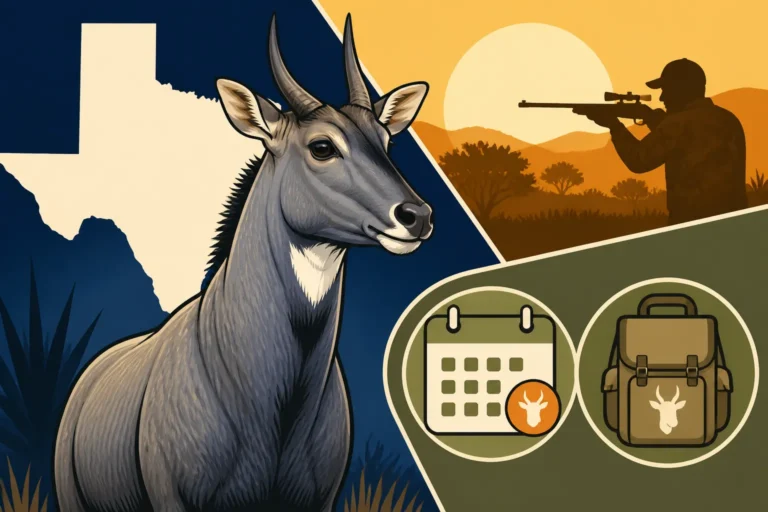
If you’re dreaming of a Nilgai hunt in Texas, you’ve probably quickly realized these magnificent animals are in a league of their own. They're notoriously elusive, blending into the South Texas brush country like phantoms, which makes planning your hunt feel like trying to catch smoke. This guide is dedicated to cutting through that uncertainty, pinpointing the very best times to pursue Nilgai and giving you the upper hand against one of Texas's most challenging exotics.
Understanding Nilgai Behavior and Habitat in Texas
Before we even talk about "when," it's crucial to understand "who" you're hunting. Nilgai antelope, often called blue bull due to the mature males' bluish-gray coat, aren't native to Texas. They hail from India and Pakistan, but they’ve thrived in the dense, thorny scrub of South Texas, particularly along the Gulf Coast plains. This unique adaptation to an environment similar to their homeland is key to knowing when they'll be most active and, therefore, most vulnerable.
These are sizable animals, with mature bulls easily weighing 400-700 pounds, sometimes even more. Their keen eyesight, exceptional hearing, and wary nature are legendary among hunters. They prefer dense cover for bedding during the heat of the day and emerge to feed in more open areas, senderos, or cultivated fields during cooler periods.
Nilgai Diet and Movement Patterns
Nilgai are primarily grazers but will browse on forbs, shrubs, and even cactus pads, especially during dry spells. This dietary flexibility means they aren't as tied to specific food plots as some other species might be. Their movements are often dictated by two main factors: food availability and cover. In areas with abundant forage, they might have smaller home ranges. However, if food or water becomes scarce, they're willing to travel significant distances.
Observing fresh tracks, scat, and browse lines near water sources or along well-used senderos can give you invaluable clues about their daily routines. Pay close attention to transition areas – where dense brush meets more open feeding grounds – as these are prime locations for Nilgai movement, especially at dawn and dusk. The more you can understand their preferred paths between bedding and feeding, the better your chances of intercepting them.
Social Structure and Reproductive Cycles
Nilgai live in a fluid social structure. You might encounter small bachelor herds of bulls, cow-calf groups, or even large mixed herds, though mature bulls often become more solitary. What's truly interesting about Nilgai in Texas is their breeding cycle. Unlike many native species with a distinct, short rut, Nilgai can breed year-round. However, there are recognized peaks in breeding activity, often occurring from October through February. During these times, bulls become more active, sparring for dominance and seeking out receptive cows, which can make them slightly less cautious and more visible.
This extended breeding period means you don't have to hit a narrow "rut window" like you might for whitetail deer. Instead, it suggests that the cooler months, when bulls are more engaged in breeding behaviors, generally offer a better chance of spotting active animals. Understanding this continuous, yet peaking, reproductive cycle is vital for maximizing your hunt opportunities.
Peak Hunting Seasons for Nilgai and Why
Because Nilgai are classified as an exotic species in Texas, they do not have a prescribed hunting season, bag limits, or antler restrictions set by the Texas Parks and Wildlife Department (TPWD) on private lands. This means, legally, you can hunt them year-round. However, "legal" doesn't always mean "optimal." There are definitely periods when Nilgai are more active, predictable, and frankly, more comfortable to hunt for you.
The prime window for hunting Nilgai in Texas generally falls between October and March. This period aligns with cooler temperatures, which directly impacts Nilgai behavior and hunter comfort.
The Benefits of Cooler Months (October-March)
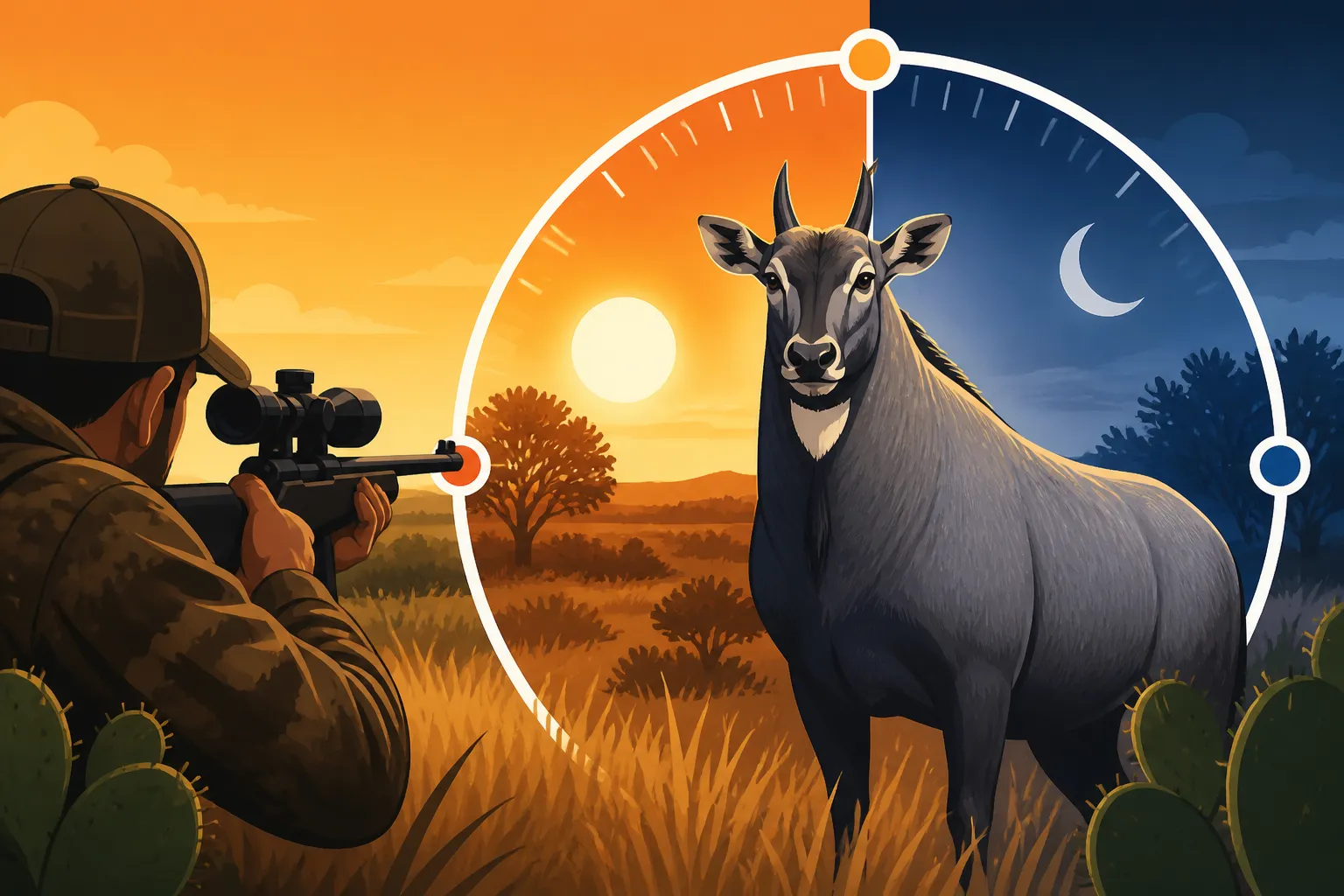
During the scorching Texas summers, Nilgai are primarily nocturnal or crepuscular, meaning they're most active during twilight hours or under the cover of darkness. They spend the oppressive heat of the day bedded down in thick cover, conserving energy. As temperatures drop in the fall and winter, their daytime activity increases significantly. They're more likely to be out feeding longer into the morning and earlier in the afternoon.
The cooler air also benefits hunters. Spot-and-stalk hunting, a common method for Nilgai, becomes far more enjoyable and sustainable when you're not battling 90-degree-plus temperatures and oppressive humidity. Plus, the cooler weather means less worry about quickly field dressing and preserving your harvest, which is crucial for a large animal like a Nilgai. For more on handling your harvest, consider looking into guides like How to Cool a Deer Fast in Texas Heat, as many principles apply to other large game.
The Breeding Peak Advantage (October-February)
As mentioned, Nilgai can breed year-round, but a heightened period of activity typically occurs from late fall through mid-winter. From October to February, bulls are often more concentrated, clashing for breeding rights and moving more aggressively in pursuit of cows. This increased activity makes them more visible and potentially less cautious.
It's during this breeding peak that you might observe more sparring, chasing, and general herd movement, providing better opportunities for observation and a well-planned stalk. While not a strict "rut" in the whitetail sense, this period is undeniably the best bet for encountering active mature bulls. If you're targeting a trophy bull, this window, particularly from November to January, should be at the top of your list.
| Factor | Best Time to Hunt Nilgai | Why It's Optimal |
|---|---|---|
| Temperature | October – March | Cooler weather increases daytime Nilgai activity and improves hunter comfort and meat preservation. |
| Breeding Activity | October – February | Bulls are more active, sparring, and seeking cows, making them more visible and potentially less cautious. |
| Vegetation | December – February | Dormant vegetation in winter can slightly reduce cover, improving visibility for spotting and stalking. |
| Hunter Comfort | October – March | Less heat stress, fewer insects, and more enjoyable conditions for extended hunts and physical exertion. |
| Feeding Patterns | October – March | Nilgai feed longer into the morning and earlier in the evening during cooler periods, extending prime hunting windows. |
Optimal Times of Day for Nilgai Hunting
Just like with many big game species, the time of day you choose to be in the field can drastically impact your success rate when hunting Nilgai. Their daily routines are closely tied to temperature and light conditions.
Early Morning: Dawn to Mid-Morning
The first few hours after dawn are consistently the most productive for Nilgai hunting. As the sun begins to rise and burn off the morning chill, Nilgai will move out of their bedding areas in the dense brush to feed in more open pastures, senderos, or cultivated fields. This is when they are most exposed and actively moving.
A hypothetical scenario: Imagine you're set up in a ground blind overlooking a large sender (a cleared path through the brush) on a South Texas ranch like the famous King Ranch. As the sun cracks the horizon, the temperature is crisp. Suddenly, a bachelor herd of three Nilgai bulls emerges from the thick mesquite on the western side, slowly grazing their way across the sender. This early morning movement provides crucial opportunities for hunters who are patient and prepared. You want to be in your position well before first light, allowing the landscape to wake up around you without disturbing any incoming animals.
Late Afternoon: Mid-Afternoon to Dusk
The second best window is the late afternoon, leading up to and including dusk. As the heat of the day subsides, Nilgai will once again emerge from their cover to feed before settling down for the night. This is often a more subtle movement than the morning rush, but equally productive.
From roughly 3 PM until dark, keep your eyes peeled. They might come out to graze for an hour or two before slipping back into the shadows. This can be an excellent time for spot-and-stalk tactics, especially if you're glassing from an elevated position, looking for tell-tale signs of movement or the distinctive blue-gray hide against the green and brown brush. Remember that Nilgai are incredibly camouflaged, so even a slight shift in a shadow or a glint of sunlight off a horn might be your only clue. Utilizing good binoculars is crucial. For tips on optics, you might find valuable information in our guide to the Best Hunting Optics for Texas: Scopes, Binos & Rangefinders.
Factors Influencing Nilgai Hunting Success
While season and time of day are paramount, other environmental and tactical considerations can significantly swing the pendulum between success and a quiet drive home. Nilgai are incredibly sensitive to their surroundings, and understanding these nuances will refine your approach.
Weather Conditions and Their Impact
Temperature is, without a doubt, the number one weather factor for Nilgai. As discussed, cooler temperatures mean more daytime activity. A cold front rolling through South Texas, especially after a warm spell, can kickstart Nilgai movement, making them more visible as they seek forage to fuel their larger metabolic needs. Conversely, unusually hot days, even in winter, will drive them deeper into cover, making them harder to find.
Wind is another critical element. Nilgai have excellent hearing and smell. Hunting into the wind is always advisable to mask your scent and sound. A strong, steady breeze can actually work in your favor by masking minor noises you might make during a stalk. However, gusty, swirling winds can make scent control almost impossible and make shooting accurately more challenging. Rain can also impact movement; light rain might have them out feeding, but heavy downpours will send them seeking shelter.
Moon Phase and Activity
Many hunters swear by moon phase, particularly for nocturnal animals, and while Nilgai are often active at night, the full moon impact isn't always straightforward. Some argue that during a bright full moon, animals feed more at night, reducing daytime activity. Others suggest that the increased visibility simply allows them to move more freely.
For Nilgai, the primary consideration remains temperature. If it's cool and bright at night, they might indeed feed longer under the moon, potentially making the early morning bite a bit slower. However, in the vast, open spaces they frequent, they are still very much creatures of the cooler, lower light hours, regardless of the moon. It's more of a secondary factor to keep in mind, rather than a primary decision-maker for your hunt timing.
Hunting Pressure and Tactics
Nilgai are incredibly wary of hunting pressure. If an area has been heavily hunted, these animals will quickly become even more nocturnal and reclusive, seeking out the densest, most inaccessible cover. This is particularly true for older, wiser bulls who have survived previous encounters. When considering your hunting spot, inquire about recent hunting activity.
To counter heavy pressure, consider switching up your tactics. Instead of solely relying on blinds, which can be effective, embrace "Spot-and-Stalk Hunting in Texas (Exotics & Mule Deer)". This allows you to adapt to their movements and find animals that have been pushed into less conventional areas. Similarly, ensuring your setup is as scent-free and quiet as possible is paramount. Many Nilgai are taken from blinds overlooking feeders or water sources, so a well-placed blind with minimal disturbance can still be highly effective. For guidance on setting up, check out our insights on Box Blind vs Tripod vs Ground Blind in Texas.
Understanding the Nilgai Mindset
Nilgai possess an uncanny ability to disappear into seemingly sparse cover. Their coloration provides excellent camouflage, and their long legs allow them to cover ground quickly and silently. They don't jump fences like deer but will often sneak under or through them. This means perimeter fences on a property are less of a barrier than you might assume. When you're in the field, it's not enough to just look for a Nilgai; you need to anticipate where they might be and how they might react to your presence.
A successful Nilgai hunt often comes down to patience, persistence, and an intimate knowledge of the terrain. Spending time glassing, observing, and learning the patterns of your specific hunting area will pay dividends. Nilgai don't give up their presence easily, and earning a shot at one is a truly rewarding experience that showcases the challenge and excitement of hunting exotics in Texas. For a broader understanding of exotic species and their hunting characteristics, you might want to read our article on Exotic Hunting in Texas: Axis, Aoudad, Blackbuck & More.
Planning Your Nilgai Expedition
Now that you understand the best times, it's time to put a plan into action. Nilgai are predominantly found on large, private ranches in South Texas, particularly in counties like Kenedy, Kleberg, and Willacy, often associated with the region known as the "Wild Horse Desert" or the "King Ranch country." While some free-ranging populations exist, many hunts take place on managed properties.
Choosing an Outfitter or Lease
Finding a reputable outfitter or securing a lease with a healthy Nilgai population is your first step. Outfitters specializing in Nilgai Hunting in South Texas will have the knowledge and resources to put you on animals during peak activity times. They'll also provide guidance on everything from rifle calibers to shot placement. Look for outfitters who emphasize ethical hunting practices and have a good track record.
If you're considering a hunting lease, research properties known for Nilgai. This usually means leases in the deep South Texas brush country. While Nilgai don't fall under typical deer lease regulations, a good lease agreement will specify rules for exotic harvests. Understanding the nuances of Hunting Leases in Texas: Complete Guide (Cost & How to Find) can be invaluable here.
Essential Gear for Nilgai Hunting
Hunting Nilgai requires robust gear. Given their size and tenacity, a powerful rifle chambered in a .30 caliber or larger is highly recommended. Think .30-06, .300 Win Mag, 7mm Rem Mag, or even larger. Shot placement is critical, typically aiming for the shoulder or behind it, to anchor the animal quickly in dense cover.
Beyond your rifle, good quality binoculars (10×42 or 12×50) are essential for glassing the vast expanses. A rangefinder will help confirm distances, especially important for accurate shots. Comfortable, quiet clothing in suitable camouflage for the South Texas brush is a must. And given the thorny environment, durable snake boots are a non-negotiable item. You can find more details on footwear in our guide on Best Snake Boots for Texas Hunting. Finally, a reliable cooler and field dressing kit will be crucial for handling such a large animal, even in cooler weather. For specific tips on field dressing large game, check out Field Dressing & Processing Game in Texas Heat, as the principles apply regardless of temperature.
Disclaimer
Please remember that hunting regulations can change. Always consult the most current Texas Parks and Wildlife Department Outdoor Annual or website before planning any hunt to ensure you are compliant with all state and local laws. This guide is for informational purposes only and does not supersede official regulations.