Best Time to Hunt Mule Deer in Texas
Trying to nail down the absolute best time to hunt mule deer in Texas can feel like chasing a ghost in the vast, open country. With the diverse landscapes and unpredictable weather, figuring out when these elusive giants are most active and vulnerable is a puzzle many hunters grapple with, often leading to frustrating hunts if you're not in the right place at the right time. This guide aims to cut through the guesswork, offering practical insights into the peak periods and strategies for a successful mule deer hunt in the Lone Star State.
Understanding the Mule Deer Cycle in Texas
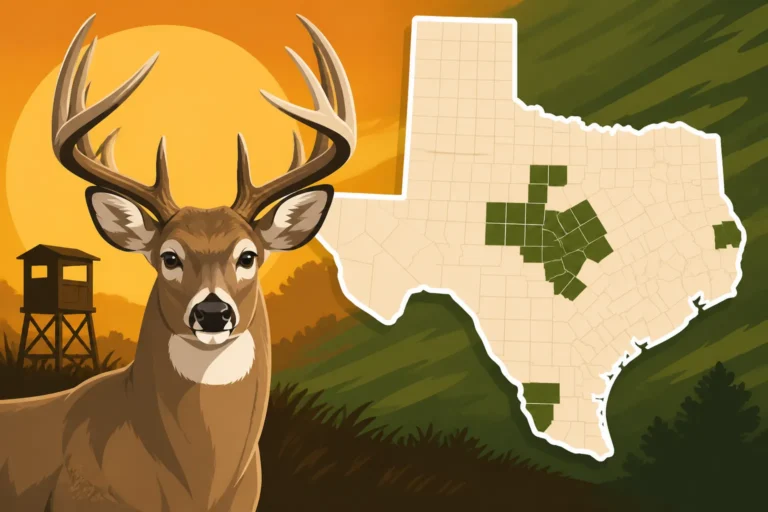
Mule deer in Texas primarily inhabit the rugged Trans-Pecos region and the vast plains of the Panhandle. Unlike their whitetail cousins found across much of the state, mule deer have distinct behaviors and seasonal patterns that are crucial for hunters to understand. Your chances of success hinge significantly on aligning your hunting efforts with these natural cycles, particularly when it comes to their breeding season and daily routines. Ignoring these patterns is a surefire way to spend more time glassing empty landscapes than spotting deer.
The Influence of Rutting Season
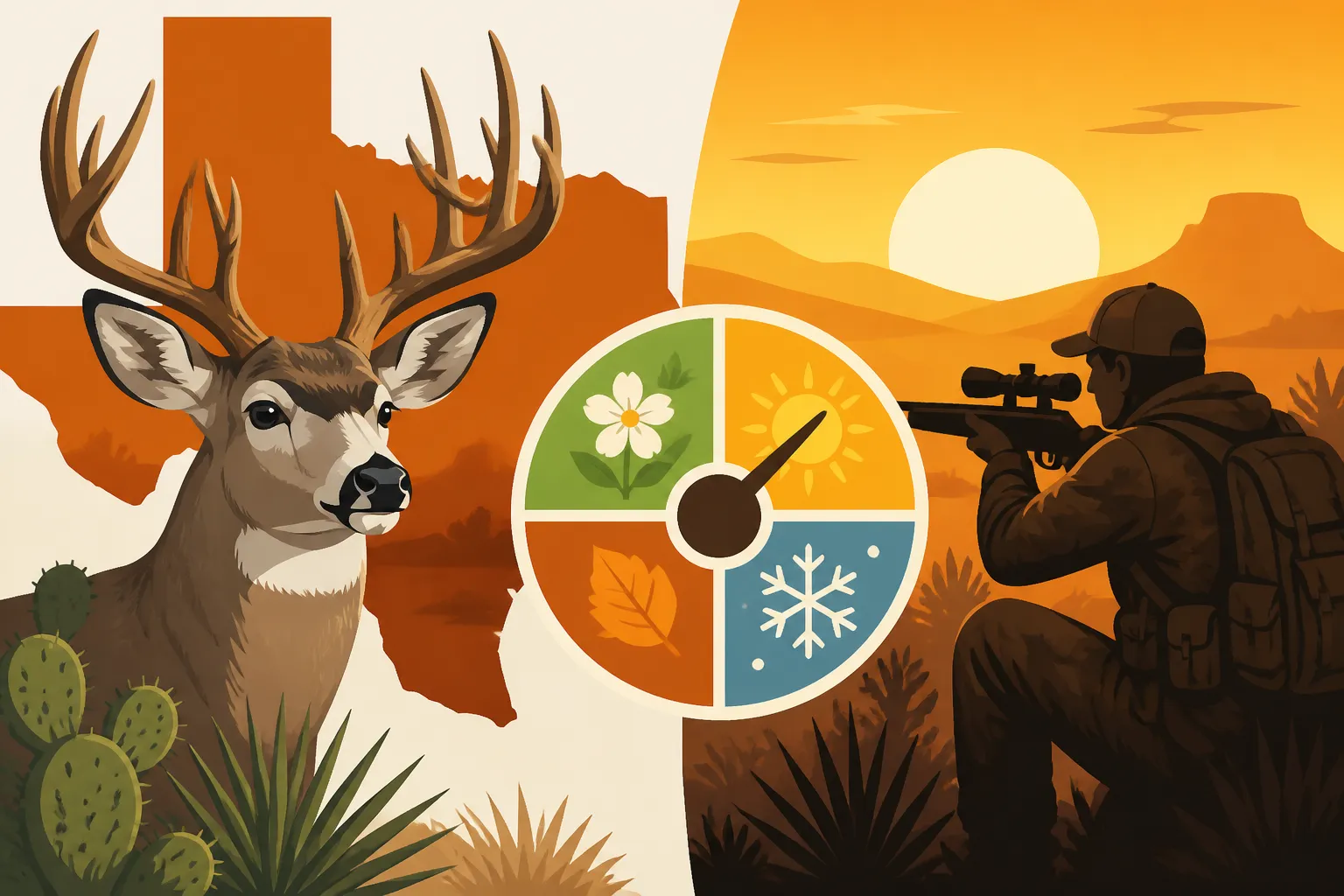
Hands down, for most hunters, the rut is considered the prime time to hunt mule deer. This is when the bucks, normally solitary and cautious, become far less wary as they focus intensely on breeding. The typical mule deer rut in Texas usually kicks off in mid-December and can extend into early January, sometimes even later in specific areas depending on environmental factors. During this period, you'll see bucks actively chasing does, sparring with rivals, and moving much more during daylight hours. This increased activity makes them more visible and often easier to approach.
Imagine standing on a high point in the Trans-Pecos, glassing a distant draw, and suddenly a mature buck emerges from the brush, nose to the ground, trailing a doe. This kind of opportunity is far more common during the rut. However, the exact timing can shift slightly year to year based on things like rainfall, temperature fluctuations, and moon phases. A cold front rolling through can really ignite the action, causing bucks to push harder and become even more reckless. Understanding these nuances can be the difference between a good hunt and a truly memorable one.
Early Season Considerations
While the rut gets all the glory, the early season, typically starting in November, offers its own unique set of advantages. During these initial weeks, bucks are often still in their bachelor groups, or at least in close proximity to their summer ranges, making them somewhat predictable. They haven't been pressured much by hunters yet, and their patterns revolve primarily around food and water sources as they build up reserves for the upcoming rut.
Hunting early season means focusing on areas with abundant forage and reliable water, such as agricultural fields in the Panhandle or desert oases in the Trans-Pecos. The weather can be milder, which some hunters prefer, though it can also mean less deer movement during the heat of the day. This is a fantastic time for scouting, especially if you're using trail cameras. You can gather valuable intelligence on buck travel routes and feeding patterns before they become more unpredictable with the onset of breeding activity. Patience and meticulous observation are key to success during this less frenzied period. If you're wondering how to properly set up for these early season opportunities, check out our guide on How to Scout for Deer Before Season in Texas.
Regional Nuances: Panhandle vs. Trans-Pecos
Texas is enormous, and what holds true for one region doesn't always apply to another. When it comes to mule deer, the primary hunting grounds are divided into two distinct regions, each with its own characteristics that influence the best time to hunt. Understanding these regional differences is vital for planning an effective hunt and avoiding disappointment. You wouldn't hunt the high plains the same way you'd tackle the desert mountains, and the prime times can shift accordingly.
Panhandle Peculiarities
The Texas Panhandle is characterized by vast agricultural lands, rolling prairies, and breaks leading down to river systems. Mule deer here often reside in these breaks, feed on crops like wheat and corn, and utilize CRP (Conservation Reserve Program) lands for cover. The rut in the Panhandle tends to follow the general timeline, usually peaking from mid-December into early January.
However, hunting in the Panhandle can be heavily influenced by crop cycles and winter weather. If a significant cold snap hits and snow covers the ground, deer can become very concentrated around available food sources, making them easier to locate. Conversely, mild weather might keep them more dispersed across the wide-open landscape. A common frustration here is finding where the deer are bedding during the day, as they can have immense areas to choose from. Hunters often focus on glassing from elevated positions overlooking these expansive areas, especially at dawn and dusk. For tactics specific to this area, you might find our article on Mule Deer Hunting in Texas: Panhandle & Trans-Pecos particularly useful.
Trans-Pecos Tactics
The Trans-Pecos is a whole different beast. Think rugged mountains, deep canyons, and vast expanses of Chihuahuan Desert. Mule deer here are true creatures of the high desert, adapted to a much more arid and dramatic landscape. The rut in the Trans-Pecos can sometimes run a little later than in the Panhandle, often pushing into January, especially in the more remote, higher elevation areas. This delay can be attributed to various factors, including the availability of browse and the general later onset of colder temperatures in some parts of the region.
Hunting the Trans-Pecos often involves a lot of glassing, hiking, and patience. The deer are typically found in rough, broken country, making spot-and-stalk tactics incredibly effective. The sheer scale of the landscape can be daunting, and deer can disappear into the terrain with surprising ease. Early season in the Trans-Pecos might see deer concentrated around water sources or areas with recent rainfall that have sparked new growth. As the rut approaches, bucks will be covering considerable ground, so being able to quickly move and relocate is crucial. Outfitters like those found in the Black Gap WMA area often see peak activity slightly later in the season. Learning about specific Mule Deer Hunting Tactics for Texas can significantly improve your odds in this challenging but rewarding region.
Factors Beyond the Calendar: Weather and Habitat
While understanding the calendar dates for seasons and the rut is critical, it's just one piece of the puzzle. Mule deer, like all wildlife, are heavily influenced by their immediate environment. The weather conditions on any given day, week, or month, as well as the ever-changing availability of food and cover, can drastically alter their behavior and, consequently, your hunting success. Ignoring these dynamic factors can lead to frustrating hunts, even if you're out there during what's supposedly the "best time."
Impact of Weather Fronts
One of the most potent triggers for increased mule deer activity in Texas is the arrival of a strong cold front. Texas weather can be notoriously unpredictable, but a significant drop in temperature, especially after a period of mild weather, will often kick deer movement into high gear. This is true whether it's early season or deep into the rut. Bucks and does alike tend to feed more aggressively before a front moves in, sensing the change, and then will continue to move during the colder, post-front conditions, particularly if it brings a light rain or snow.
Imagine a warm, sunny November morning, and suddenly the forecast calls for a sharp temperature drop and brisk winds tomorrow. That next morning, the deer are likely to be up and moving, trying to make the most of the cooler conditions. Conversely, a prolonged period of unseasonably warm weather, especially during the rut, can cause deer to become more nocturnal or limit their movements to the cooler parts of dawn and dusk. Hunters who keep a close eye on weather patterns, often using apps like those discussed in Best Hunting Apps for Texas (onX, HuntStand & More), and adjust their hunting schedules accordingly, will often reap the biggest rewards.
Habitat and Food Source Shifts
The availability and quality of food sources are constant drivers of deer movement and location. In the Panhandle, this means mule deer will shift between different agricultural fields depending on what's available—wheat, corn stubble, or even harvested milo fields. In the Trans-Pecos, deer might move up and down mountain slopes or across valleys in search of preferred browse like lechuguilla, agarita, or other desert succulents, especially after rainfall has stimulated new growth.
A severe drought, for instance, can force deer to concentrate around fewer, more reliable water sources and the sparse remaining green vegetation. This can make them easier to pattern in some ways, but it also means fewer deer overall might be in peak condition. Conversely, a year with good rainfall can lead to abundant forage, scattering deer more widely and making them harder to locate. Pay attention to what the deer are actually eating on your lease or public land. Are they browsing on certain bushes, or hitting a particular field? Their food choices directly dictate where they spend their time, and therefore, where you should be hunting.
Optimizing Your Hunt: Timing Strategies
Even when you're in the field during the general "best time" to hunt mule deer, knowing how to maximize your hours in the stand or behind the glass is paramount. Mule deer have daily routines that are influenced by light, temperature, and hunting pressure. Understanding these patterns and adapting your strategy can significantly increase your chances of spotting a target buck and getting a shot opportunity. Don't just sit there hoping; be strategic about when and how you hunt.
Morning and Evening Movements
Like most deer species, mule deer are crepuscular, meaning they are most active during dawn and dusk. This is your absolute prime hunting time. In the morning, bucks will be moving from their nighttime feeding areas back to their bedding cover, and in the evening, they reverse the process. This concentrated movement window is when you're most likely to catch them out in the open, or at least moving through more visible corridors.
Getting into your chosen vantage point well before legal shooting light and staying until well after can be exhausting, but it’s often when the magic happens. In the vast Panhandle, this means being set up to glass those distant draws or field edges as the sun creeps up. In the rugged Trans-Pecos, it's about being on a high ridge, binoculars ready, scanning the canyons below for that first sign of movement. Being ready for these brief but intense periods of activity is non-negotiable for success. Utilizing quality optics, such as those discussed in Best Hunting Optics for Texas: Scopes, Binos & Rangefinders, is critical during these low-light conditions.
Mid-Day Lulls and Opportunities
Many hunters head back to camp or take a break during the middle of the day, assuming deer are bedded down and inactive. While it's true that mule deer often bed down during the warmer, brighter parts of the day, especially when there's no rutting activity, completely abandoning your post can mean missing out on significant opportunities. Bucks, particularly during the rut, will often get up and move during midday, checking scrapes, scent checking does, or pushing a doe that’s almost ready to breed.
Furthermore, a well-executed spot-and-stalk hunt often takes place during the midday. If you've spotted a buck bedding down in the morning, the midday hours provide the perfect window to carefully plan and execute your approach while he's hopefully relaxed and stationary. A cold, cloudy, or rainy day can also keep deer active longer into the morning and get them up earlier in the afternoon. So, instead of a full break, consider using the midday to relocate to a new vantage point, glass different areas, or carefully stalk a bedded animal. Never underestimate a persistent buck during the peak of the rut; they can surprise you with unexpected movements. Our article on Spot-and-Stalk Hunting in Texas (Exotics & Mule Deer) offers invaluable tips for this tactic.
A Quick Look at Texas Mule Deer Hunting Times
To help you visualize the best times, here's a general overview:
| Factor | Early Season (Nov) | Peak Rut (Mid-Dec to Early Jan) | Late Season (Jan) |
|---|---|---|---|
| Buck Behavior | Bachelor groups, feeding | Chasing does, sparring, less wary | Post-rut, wary, focused on food |
| Activity Level | Moderate, primarily dawn/dusk | High, increased daytime movement | Moderate to Low, depending on weather |
| Weather | Mild to Cold | Cold, potential for fronts | Cold, can be harsh |
| Primary Focus | Food sources, scouting | Does, travel corridors | Recovery, food sources |
| Hunting Style | Sit & wait, patient glassing | Aggressive glassing, calling, stalking | Patient glassing, tracking |
| Panhandle | Crop fields, river breaks | Breaks, active chasers | Crop fields, dense cover |
| Trans-Pecos | Water, fresh browse areas | Canyons, ridges, dense cover | South-facing slopes, lower elevations |
The Texas Parks and Wildlife Department (TPWD) releases official season dates each year, so always consult the most current Texas Mule Deer Season Dates 2026 or the official Outdoor Annual before planning your trip.
Disclaimer
Hunting regulations and conditions can change. Always consult the most current Texas Parks and Wildlife Department outdoor annual and local regulations before planning any hunting trip. This information is for educational and general guidance purposes only.