Axis Deer Hunting in Texas: Cost & Where
So, you're dreaming of an exotic hunt in the Lone Star State, and the beautiful Axis deer has caught your eye? Many hunters feel the pull of these stunning creatures, often wondering, "Where do I even begin looking for axis deer in Texas, and what kind of dent is this going to put in my wallet?" It's a completely fair question, as the world of exotic hunting can seem a bit opaque compared to traditional whitetail. This guide is here to demystify the process, breaking down everything from the best places to find these elusive deer to the expected costs, helping you plan your perfect Texas Axis adventure.
Understanding Axis Deer in Texas
Before we dive into the nitty-gritty of locations and pricing, let's take a moment to appreciate what makes the Axis deer such a sought-after game animal in Texas. They're not native, of course, but have thrived in our diverse landscapes, offering a unique challenge and some truly exceptional venison.
Why Axis Deer are a Popular Game Species
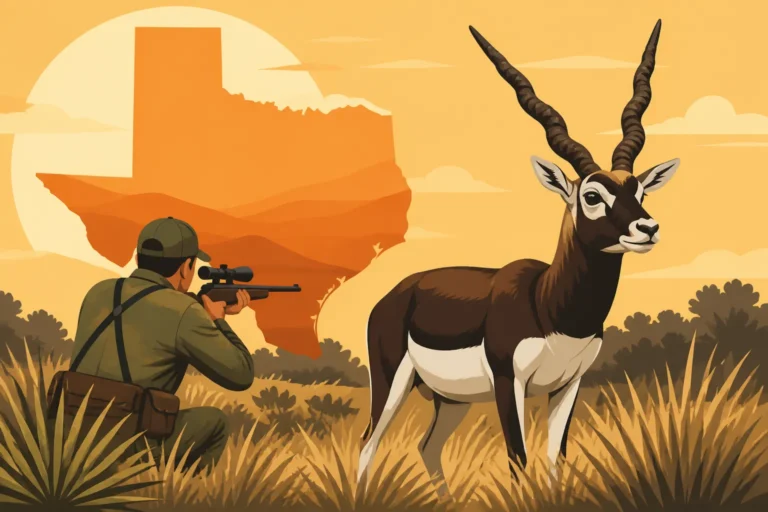
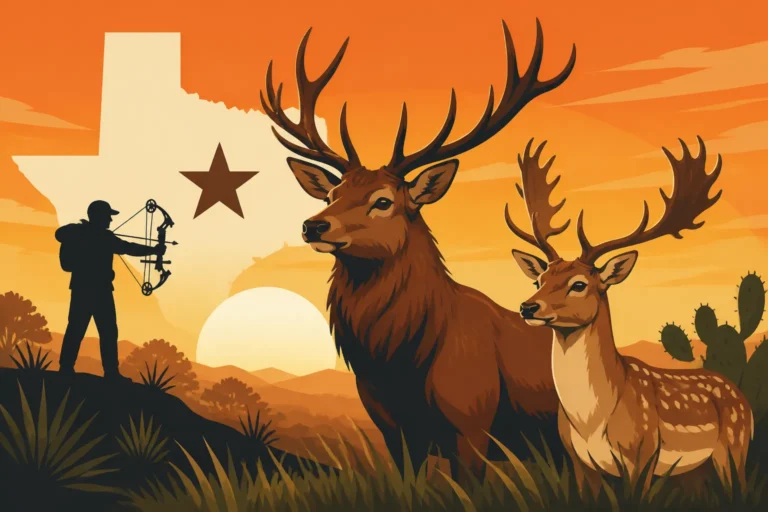
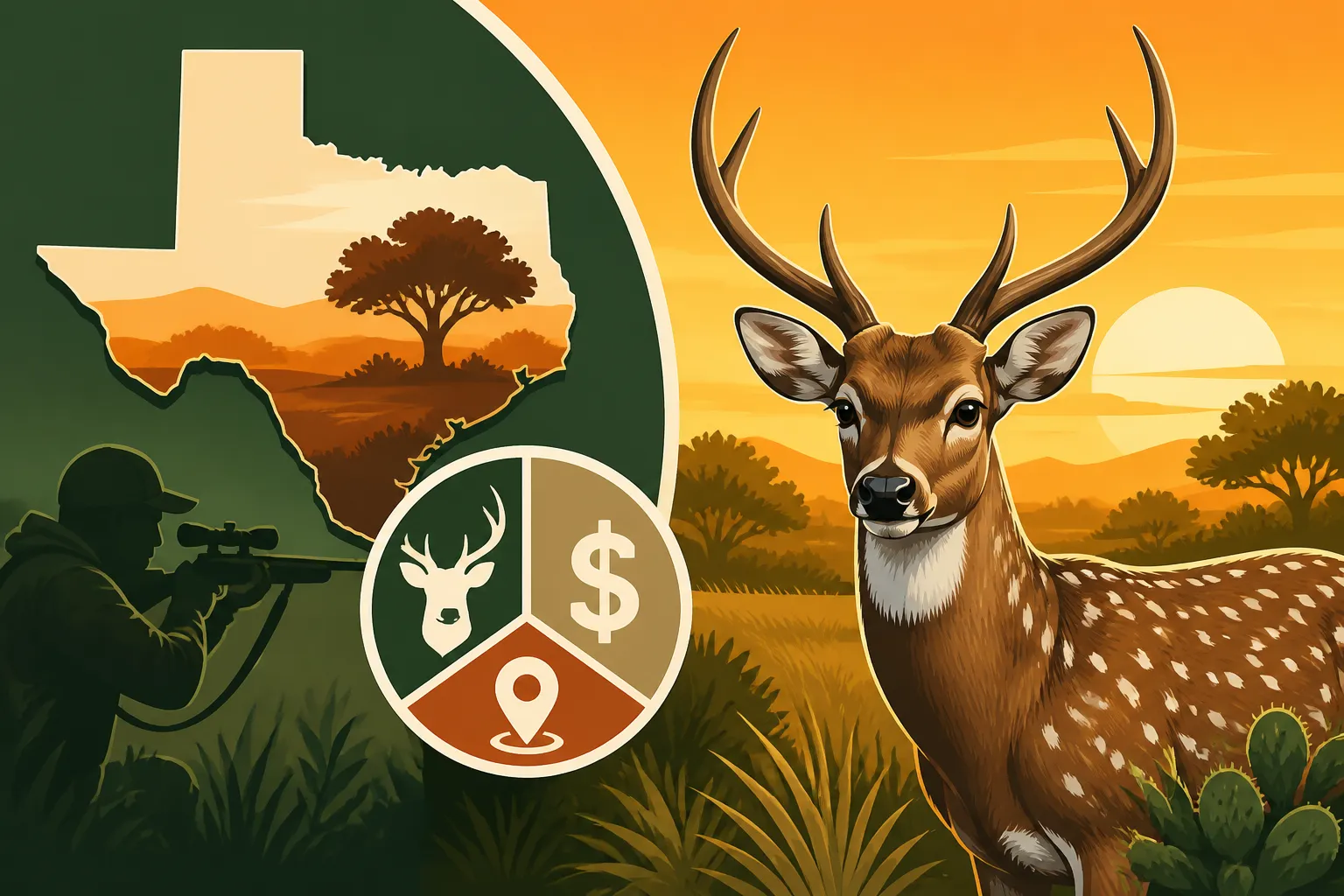
Axis deer, also known as Chital or Spotted Deer, are originally from India and Sri Lanka. They were introduced to Texas in the 1930s, primarily for their aesthetic appeal and as a game animal on private ranches. What makes them so popular among hunters, beyond their striking spotted coats and impressive antlers, is their robust nature and the quality of their meat. Seriously, many consider axis venison to be some of the finest wild game meat available – lean, tender, and with a mild flavor that even the pickiest eaters can enjoy. Unlike our native whitetail, axis deer don't have a defined rut season; bucks can be found in hard horn at any time of the year, and fawns can be born year-round. This unique biological trait means that, on private land, you can technically hunt them any day of the year, which is a huge draw for hunters looking for flexibility. The antlers themselves are also quite beautiful, typically growing in three points per side with long, sweeping main beams that make for a handsome trophy. For more details on other non-native species, check out our guide on Exotic Hunting in Texas: Axis, Aoudad, Blackbuck & More.
Free-Range vs. High-Fence Populations
When we talk about hunting exotics like axis deer in Texas, it's crucial to understand the distinction between free-range and high-fence populations. This difference significantly impacts the hunting experience, the challenge, and, yes, the price tag.
Free-range axis deer exist outside of fenced enclosures, roaming across properties just like native whitetail. These populations are primarily concentrated in the Edwards Plateau region, particularly in the Texas Hill Country. Hunting free-range axis deer offers a more traditional "fair chase" experience, where the animals are truly wild and can traverse vast areas. This type of hunt is often more challenging and requires more scouting and tracking skills. Because they are not contained, their movements are less predictable, and success isn't guaranteed, which is part of the allure for many experienced hunters.
On the other hand, high-fence operations, which are private ranches enclosed by tall, game-proof fences, hold a significant portion of Texas's axis deer population. These hunts often provide a higher success rate and a more controlled environment. While some purists might debate the "fair chase" aspect, these operations play a vital role in wildlife management and offer accessible hunting opportunities for a wider range of hunters, from beginners to those seeking a specific trophy. Most hunters pursuing axis deer in Texas will find themselves on a high-fence ranch simply due to the sheer number of available hunts and the infrastructure these places offer.
Where to Hunt Axis Deer in Texas
Texas is a big state, and while axis deer are widely distributed, certain areas are definitely better known for them, especially if you're hoping for a free-range encounter.
Prime Free-Range Axis Deer Hotspots
If you're looking for that truly wild, free-range axis deer hunt, your compass needs to point directly towards the heart of the Texas Hill Country. This region, generally defined by the Edwards Plateau, boasts the largest free-ranging populations of axis deer in the state. Counties like Kerr, Gillespie, Bandera, Llano, Real, and Mason are particularly renowned for their healthy numbers of these exotic beauties. The terrain here is perfect for them: a mix of oak-juniper woodlands, open pastures, and plenty of natural springs and creeks that provide essential water sources. The rocky, rolling hills and dense cover offer excellent habitat for axis deer to thrive and evade hunters, adding to the challenge of a successful hunt.
Hunting free-range axis in these areas often involves securing access to private land, either through a day hunt, a short-term lease, or an outfitter who has permission on large ranches. While truly public land opportunities for free-range exotics are rare in Texas, some state parks or wildlife management areas (WMAs) occasionally offer drawn hunts for exotics, but these are highly competitive and not a reliable option for most hunters. If you're interested in exploring the unique challenges and rewards of public hunting, you can look into opportunities like those offered through the Texas Drawn Hunts & Public Hunt Draw 2027 program, though specific axis deer hunts might be scarce. For a deeper dive into the region, check out our guide on Hill Country Hunting in Texas.
High-Fence Ranches and Their Advantages
For most hunters, especially those looking for a guaranteed opportunity or a specific class of animal, high-fence ranches are the go-to option for axis deer hunting in Texas. These operations are spread across many regions of Texas, though a significant concentration can be found in the Hill Country and parts of South Texas, where large private landholdings are common.
The advantages of hunting on a high-fence ranch are numerous. First and foremost, you're almost guaranteed to encounter axis deer, and often, a wider variety of animals. Ranches manage their herds closely, ensuring healthy populations and impressive trophy potential. Many ranches offer all-inclusive packages that cover guides, lodging, meals, and even field dressing, making for a comfortable and convenient experience. This is especially appealing for hunters traveling from out of state or those who prefer a less rustic adventure. Outfitters typically have experienced guides who know the property and the animals intimately, significantly increasing your chances of success. Furthermore, many of these ranches also offer other exotic species, allowing for a multi-species hunt if you desire. They often specialize in creating a memorable experience, from the hunt itself to the quality of the accommodations.
Unpacking the Cost of Axis Deer Hunting in Texas
Now, let's talk about the elephant in the room – or rather, the axis deer in the bank account. The cost of hunting axis deer in Texas can vary wildly, depending on several factors, making it challenging to give a single, definitive price.
Factors Influencing Hunt Pricing
Several key elements come into play when determining the price of an axis deer hunt. Understanding these can help you budget and choose the right experience for your goals:
- Free-Range vs. High-Fence: As discussed, free-range hunts tend to be less expensive for the "kill fee" itself, but they come with a lower success rate and often don't include amenities like lodging or guiding, which you'd pay for separately. High-fence hunts are generally more expensive due to the investment in land, animal management, and comprehensive services.
- Trophy vs. Meat Hunt: This is perhaps the biggest differentiator. A hunt for a mature, hard-horned trophy buck with impressive antlers will almost always be significantly more expensive than a meat hunt for a doe or a younger cull buck. Trophy fees are typically structured based on antler size or age.
- Guided vs. Semi-Guided vs. Unguided: Fully guided hunts, where a professional guide accompanies you throughout the hunt, provides expertise, and handles tracking/retrieval, are the most expensive but offer the highest chance of success. Semi-guided means the outfitter will show you the property and point you in the right direction, but you'll do most of the hunting independently. Unguided hunts are rare for exotics unless you have a private lease.
- Duration and Amenities: A single-day hunt will be cheaper than a multi-day package that includes lodging, meals, and other services. Many ranches offer 2-day/3-night packages that bundle everything together. The quality of lodging, meals, and extra amenities (like a full-time chef, open bar, or ATV use) will also drive up the price.
- Time of Year: While axis deer can be hunted year-round, some outfitters might offer slight discounts during less popular times (e.g., peak summer heat) or charge premiums during times when bucks are more likely to be in hard horn.
- Method of Hunt: Hunts that require specialized equipment or more intensive guiding, like spot-and-stalk in rugged terrain or even bowhunting, might influence the price. Speaking of methods, if you're interested in Spot-and-Stalk Hunting in Texas (Exotics & Mule Deer), that’s a fantastic way to pursue axis.
Typical Price Ranges for Different Hunt Types
Given these variables, here’s a general breakdown of what you can expect to pay for an axis deer hunt in Texas. Keep in mind these are estimates, and prices can fluctuate based on market demand and the specific outfitter.
| Hunt Type | Description | Estimated Price Range (Texas) |
|---|---|---|
| Axis Doe/Meat Hunt | Focuses on harvesting a female axis or a young male for meat. Usually a single-day hunt, often included as an add-on to a trophy hunt, or available as a standalone budget-friendly option. | $500 – $1,000 |
| Cull Buck Hunt | Targets a male axis buck deemed genetically inferior or past his prime, allowing for a buck harvest at a lower price than a trophy animal. | $1,000 – $2,000 |
| Management Buck Hunt | Similar to a cull buck, but often a slightly better animal that needs to be removed from the breeding pool for herd health. Still focused on meat or entry-level antler. | $1,500 – $2,500 |
| Trophy Axis Buck Hunt | A hunt for a mature, hard-horned axis buck with impressive antlers. This is the most common and sought-after type of axis hunt. Prices vary greatly by antler score/size. | $2,500 – $4,500 (good representative) |
| Premium Trophy Axis Buck | For truly exceptional, top-tier trophy bucks, often with larger than average antlers or unique characteristics. | $4,500 – $7,000+ |
| All-Inclusive Packages | Often 2-day/3-night hunts, including lodging, meals, guide, and a trophy buck. Price will typically be at the higher end of the trophy range but includes everything. | $3,500 – $6,000+ |
These prices generally reflect the "kill fee" for the animal, with additional costs for non-hunting guests, caping/quartering (though often included), taxidermy prep, and gratuities for guides and staff. Always get a detailed quote from any outfitter you consider.
Essential Tips for Your Texas Axis Deer Hunt
Once you've decided where and how much, the next step is preparing for the actual hunt. Axis deer present a unique challenge, and a little preparation can go a long way.
Best Time to Hunt Axis Deer
Unlike native whitetail deer, which have a very defined season, axis deer in Texas, particularly on private high-fence ranches, can be hunted year-round. This is due to their unique breeding cycle where bucks can be in hard horn and does can fawn at any time. However, there are certainly optimal times to consider for your hunt:
- Peak Rut (May-August): While axis deer rut year-round, the most concentrated period of rutting activity typically occurs from late spring through summer (May to August). During this time, bucks are often more active, vocal, and focused on breeding, which can make them slightly easier to pattern or call in. You'll also see more bucks in prime hard horn during these months. Be prepared for Texas summer heat if you choose this window!
- Cooler Months (Fall/Winter): Many hunters prefer the cooler temperatures of fall and winter (October-February) for comfort. While the rut might be less intense, bucks are still present and huntable, and the overall experience in the field is much more pleasant. Plus, you might combine your axis hunt with other game species that are in season, like whitetail.
- Shoulder Seasons (March-April & September): These periods offer a nice balance. Spring can be beautiful, and many bucks are still in hard horn from the previous "peak" rut. September, while still warm, sees some relief from summer's extremes and can offer good hunting.
Ultimately, the "best" time often comes down to your personal preference for weather and whether you prioritize the rutting activity or overall hunting comfort.
Gear and Tactics for Axis Deer
Hunting axis deer requires reliable gear that can handle the Texas environment and the animal's natural wariness.
- Rifles and Calibers: Axis deer are medium-sized animals, typically weighing between 150-250 pounds for bucks. A good, flat-shooting rifle in a common deer caliber like .270, .30-06, 7mm Rem Mag, or .308 Winchester is perfectly adequate. Even a .243 can be effective with proper shot placement. The key is shot placement, as their vitals are similar to a whitetail. Make sure your rifle is sighted in accurately.
- Optics: Good quality binoculars are invaluable for spotting axis deer, especially in dense brush or on distant hillsides. Their spotted coats can blend surprisingly well into dappled light. A reliable rifle scope with clear glass and appropriate magnification for the anticipated shot distances (often 100-300 yards) is also critical. For a comprehensive look at optics, check out Best Hunting Optics for Texas: Scopes, Binos & Rangefinders.
- Clothing: Dress for the Texas weather. Lightweight, breathable camouflage is essential for warmer months, while layering is key for cooler temperatures. Don't forget comfortable, sturdy boots that can handle rough terrain. Snake boots are always a wise choice in Texas brush.
- Hunting Methods:
- Spot-and-Stalk: This is a classic and highly effective method for axis deer, especially in open to semi-open terrain. It demands patience, keen observation, and good stealth.
- Blind Hunting: Sitting in a box blind or ground blind over a feeder or water source is a common and successful tactic on many ranches. Axis deer are often attracted to protein pellets or corn.
- Calling: During the rut, some guides successfully use axis deer calls (like a throaty roar or bugle) to attract bucks.
- Field Dressing: Be prepared to field dress your animal quickly, especially if hunting in warmer weather. Texas heat can spoil meat fast. Our guide on Field Dressing & Processing Game in Texas Heat offers crucial tips for preserving your valuable venison.
What to Expect: The Hunting Experience
A typical axis deer hunt on a Texas ranch usually begins early in the morning, often before sunrise. Your guide will take you to a hunting area, which might involve driving in a safari-style vehicle, a UTV, or simply walking from the lodge. You might hunt from a blind overlooking a food plot or feeder, or you could spend your day spot-and-stalking through varied terrain. Lunch is often back at the lodge, followed by an afternoon hunt that continues until dusk.
The experience is often immersive, giving you a chance to see other native and exotic wildlife. Guides are generally seasoned professionals who know the local terrain and animal behavior. When you successfully harvest an animal, your guide will assist with field dressing and getting the animal back to the lodge for skinning and quartering. Many ranches have facilities for processing or can recommend local processors.
And that meat? Oh, it's something special. Axis venison is widely regarded as incredibly delicious, often described as having a very mild, almost beef-like flavor. This makes it a favorite among chefs and home cooks alike. If you're wondering if it lives up to the hype, you can find out more in our post: Is Axis Venison the Best Wild Game Meat?.
Beyond the Hunt: Licenses and Regulations
Navigating the rules and regulations can sometimes feel like a puzzle, but for exotics like axis deer, it's actually quite straightforward in Texas.
Licensing Requirements for Exotics
One of the great advantages of hunting exotic game in Texas is the simplified regulatory framework. Axis deer are classified as "exotic livestock" by the state. This means that when hunting them on private property (which is where most axis hunting occurs), there are no closed seasons, no bag limits, and often, no specific tags required beyond a standard Texas hunting license.
You absolutely do need a valid Texas hunting license. For Texas residents, a Resident Hunting License or the Super Combo License will suffice. Non-residents will need a Non-Resident Special Five-Day Small Game Hunting License if only hunting exotics for a short period, or a Non-Resident General Hunting License for a full year of hunting. Always ensure your license is current before your hunt. For full details on obtaining your license, be sure to read Texas Hunting License: Cost, Types & How to Buy (2026) and Do Exotics Require a Hunting License in Texas?. This flexibility is a significant draw for hunters, allowing them to plan their trips without being constrained by traditional hunting seasons or complex tag systems.
Ethical Considerations and Management
While the regulations for exotics are minimal, ethical hunting practices remain paramount. Good outfitters and hunters understand their role in responsible wildlife management, even for non-native species.
- Respecting the Animal: Ethical hunting means aiming for a clean, humane kill and minimizing suffering. It also means showing respect for the animal after the harvest, including proper field care of the meat and hide.
- Supporting Conservation: Many ranches that offer exotic hunts invest significantly in habitat improvement and wildlife management, which benefits both native and exotic species. By supporting reputable outfitters, you're contributing to sustainable land use and conservation efforts in Texas.
- Understanding Ranch Management: On high-fence properties, management often involves balancing herd numbers to prevent overgrazing and ensure the health of the animals. Hunters play a crucial role in this by harvesting animals according to the ranch's management plan, whether it's a trophy buck or a doe for meat. This contributes to a healthy ecosystem on the property.
Ultimately, hunting axis deer in Texas offers a fantastic opportunity for a unique and rewarding experience. From the challenge of the hunt to the exquisite table fare, it's a pursuit that many hunters return to year after year.
Disclaimer
Please note that hunting regulations, license fees, and hunt pricing can change. Always consult the most current Texas Parks and Wildlife Department (TPWD) Outdoor Annual or their official website, and confirm all pricing and inclusions directly with your chosen outfitter before making any bookings. This guide is for informational purposes only.