Where to Hunt Rio Grande Turkey in Texas
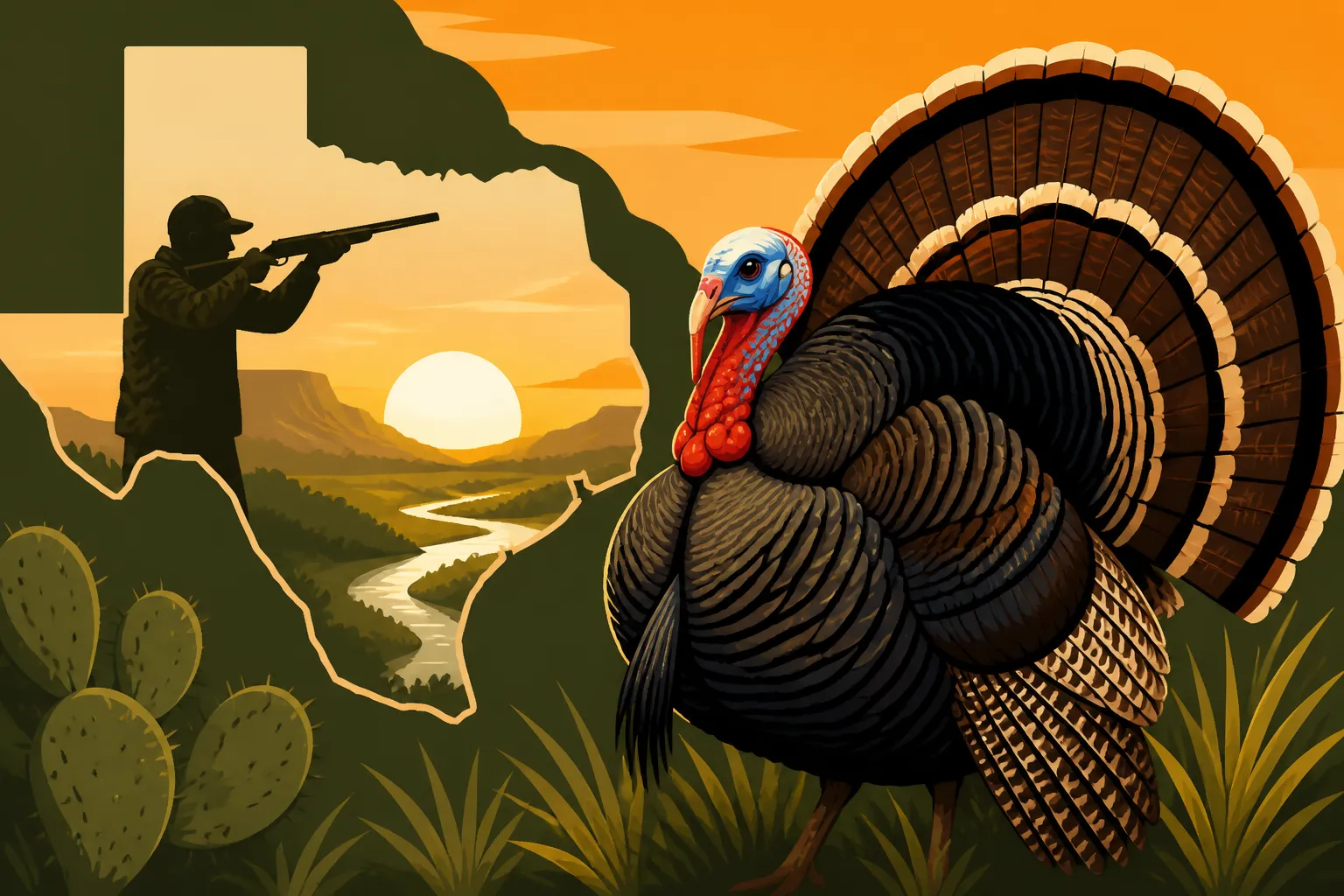
The thought of chasing gobbling Rio Grande turkeys across the vast landscapes of Texas fills many hunters with a unique blend of excitement and frustration. You’ve probably heard stories of birds strutting across open fields or echoing through creek bottoms, but knowing where to actually find these wily birds, especially if you’re new to the state or don't have private land access, can feel like searching for a needle in a haystack. This comprehensive guide is here to shed light on the prime regions and strategies for successfully hunting Rio Grande turkeys in Texas, breaking down public and private land opportunities so you can finally put a longbeard in your vest.
Understanding Rio Grande Turkey Habitat in Texas
Texas is truly a special place for turkey hunting, primarily because of our robust populations of Rio Grande turkeys. Unlike their Eastern or Merriam's cousins, Rios thrive in a mix of open rangeland, scattered brush, and riparian areas (creek and river bottoms). They need good roosting trees, like large pecans or oaks, plenty of bugs, seeds, and acorns to eat, and sufficient cover to escape predators. Understanding these habitat preferences is key to pinpointing their strongholds.
The Edwards Plateau (Hill Country) Heartbeat
If you ask any seasoned Texas turkey hunter where the heart of Rio Grande country lies, chances are they'll point you straight to the Edwards Plateau, affectionately known as the Hill Country. This vast region, stretching across central Texas, is practically synonymous with Rio Grande turkeys, boasting some of the densest populations in the state.
The terrain here is a mosaic of rolling hills, limestone outcrops, Live Oak and Ashe Juniper (cedar) thickets, and deep, spring-fed creek bottoms. These creek and river drainages, lined with mature hardwoods like sycamores, pecans, and oaks, provide ideal roosting sites. The birds spend their days foraging in the open pastures and cultivated fields between the draws, often feeding on insects, seeds, and browse. The broken topography also offers excellent natural funnels and ambush points for hunters. Counties like Real, Edwards, Kerr, Kimble, and Sutton are legendary for their turkey numbers. While there's a lot of private land in this area, the sheer volume of birds means opportunities can be found if you know where to look.
Rolling Plains: A Lesser-Known Gem
North of the Edwards Plateau, the Rolling Plains region also holds a significant and often underestimated population of Rio Grande turkeys. This area, characterized by gently rolling terrain, mesquite and prickly pear brush, and extensive agricultural fields, provides a different but equally productive environment for turkeys.
The key to finding turkeys in the Rolling Plains is focusing on the major river systems and their tributaries, such as the Red River, Brazos River, and Wichita River. These river corridors offer the tall timber (cottonwoods, elms, pecans) that turkeys need for roosting, along with consistent water sources. The surrounding agricultural fields, particularly those with wheat or corn, provide abundant food sources. Turkeys here tend to range over larger areas than in the Hill Country due to the more open landscape, which can make them a bit more challenging to pinpoint but also offers fantastic spot-and-stalk opportunities. Counties like Young, Throckmorton, and Haskell are known for good turkey hunting in this region. You might find that the pressure here can be a bit lighter than in the more famous Hill Country, making for a more serene hunting experience. For specific details on where to hunt in these areas, you'll want to review the Texas Parks and Wildlife Department's (TPWD) annual outdoor regulations, especially their information on Rio Grande Turkey Hunting in Texas.
Cross Timbers & South Texas Brush Country
While the Hill Country and Rolling Plains are undeniably the hotspots, you can also find Rio Grandes in other parts of Texas. The Cross Timbers region, located in north-central Texas, offers a blend of oak woodlands and grasslands, similar to a milder version of the Hill Country. Here, turkeys can be found near creek beds and along the edges of timber blocks.
Further south, the iconic South Texas Brush Country, famous for its trophy whitetails, also holds a healthy population of Rio Grandes. However, the dense, thorny brush can make hunting them incredibly challenging. These birds tend to stick to the river and creek bottoms where larger trees offer roosting options, and the heavier cover gives them a sense of security. If you're hunting deer in South Texas, you might often hear turkeys gobbling from the mesquite and huisache thickets, but getting a shot can be a whole different ballgame! Understanding the different Texas Hunting Seasons: Complete Calendar by Species is crucial to planning your turkey hunt, as spring and fall seasons vary by zone.
Public Land Opportunities for Rio Grande Turkey
Let's be real, most of us don't own thousands of acres in prime turkey country. Public land hunting is a fantastic option, but it requires diligent scouting, patience, and a bit of luck. Texas has a surprising amount of public hunting land available through various programs, and many of these areas offer great opportunities for Rio Grande turkeys.
Wildlife Management Areas (WMAs) Across Key Regions
Texas Parks and Wildlife Department (TPWD) manages numerous Wildlife Management Areas (WMAs) that offer public hunting access, often through a permit system. To hunt most WMAs, you'll need an Annual Public Hunting (APH) Permit, which is relatively inexpensive and gives you access to a huge network of land.
Many WMAs in the Edwards Plateau and Rolling Plains regions specifically list Rio Grande turkey as a huntable species. For example, some units of the Mason Mountain WMA or areas within the Kerr WMA in the Hill Country can offer fantastic opportunities. In the Rolling Plains, WMAs associated with major river systems, like parts of the Gene Howe WMA near the Canadian River or Matador WMA near the Pease River, might provide good turkey hunting. It's absolutely critical to check the specific WMA regulations in the TPWD Outdoor Annual or on their website before planning your trip, as dates, bag limits, and access rules can vary significantly. Some WMAs might only offer drawn hunts for turkeys, which leads us to our next point. For a general overview of public hunting, be sure to check out our guide on Public Hunting in Texas: WMAs & Annual Public Hunting Permit.
The Drawn Hunt System
If you're looking for a higher-quality public land experience with less pressure, the Texas Public Hunt Drawing System (often just called "drawn hunts") is your best bet. TPWD offers drawn hunts for turkeys on some of the state's best WMAs and private lands that are opened up to public access for specific hunts.
These hunts are highly sought after, but for good reason – they often take place on prime habitat, are well-managed, and typically have limited hunter numbers, leading to a much better experience and higher success rates. You'll need to apply online, usually months in advance, and a small application fee is required. Categories for turkey hunts include general turkey, youth-only turkey, and often specific WMA hunts. While the odds can be tough, especially for popular areas like the Chaparral WMA in South Texas (which does have turkeys but is more renowned for deer), it's definitely worth applying. Many hunters find success after a few years of consistently putting in for draws. Check out our guide on Texas Drawn Hunts & Public Hunt Draw 2027 for more detailed information on the application process and deadlines.
National Forests and Grasslands
Texas has four National Forests: Sam Houston, Davy Crockett, Angelina, and Sabine, all located in East Texas. While these areas primarily harbor Eastern turkeys, there might be some fringe areas or specific management units that could have Rio Grandes, particularly as you move west towards the Cross Timbers. However, for dedicated Rio Grande hunting, WMAs and drawn hunts are generally more productive. Always consult the Forest Service regulations in conjunction with TPWD rules if you plan to hunt these federal lands.
Private Land Strategies and Considerations
Let's face it, a huge percentage of the best turkey hunting in Texas happens on private land. Securing access to private property can dramatically increase your chances of success, and there are several ways to go about it.
Leasing Land for Turkey Hunting
Joining a hunting lease is perhaps the most common way Texans gain access to prime private land. Leases can range from a small plot shared with a few friends to expansive ranches managed for multiple species. A turkey-specific lease is rarer, but many deer leases include turkey hunting as part of the package.
When looking for a lease, prioritize areas within the Edwards Plateau or the Rolling Plains. Creek bottoms with mature timber are non-negotiable for turkeys. You'll want to scout for active roosts, dusting bowls, and fresh tracks. Leases vary wildly in price, from a few hundred dollars for a small day lease to thousands for an annual, fully outfitted experience. Sometimes, splitting a lease with a few buddies can make it more affordable. The key is to communicate with the landowner or lease manager about your turkey hunting intentions, as some might prioritize deer and limit turkey pressure. For a deep dive into finding and securing leases, check out our guide on Hunting Leases in Texas: Complete Guide (Cost & How to Find).
Day Hunts and Guided Outfitters
If an annual lease isn't in the cards, day hunts or guided outfitter hunts are excellent alternatives. Texas has a thriving hunting outfitter industry, with many operations specializing in Rio Grande turkey hunts.
- Day Hunts: These are typically single-day or multi-day hunts where you pay a flat fee for access to a property. You might be guided, semi-guided, or even self-guided depending on the outfitter. This is a great option for hunters who want to experience Texas turkey hunting without the long-term commitment or expense of a lease. You can often find day hunts advertised online or through word-of-mouth in counties like Mason, Llano, or Menard.
- Guided Outfitters: A fully guided hunt means an experienced guide will take you out, call for you, and generally put you in the best position for success. While more expensive, this option significantly increases your odds, especially for beginners or those unfamiliar with the terrain and turkey behavior. Outfitters often have access to vast, well-managed ranches with consistent turkey populations. Before booking, always check references and ask plenty of questions about their success rates, what's included, and any additional fees. Many excellent outfits operate around the Hill Country, and a quick online search for "Texas Hill Country turkey outfitter" will yield plenty of results.
Gaining Permission from Landowners
This is the classic, old-school method, and it still works, though it requires patience, respect, and a bit of social savvy. Driving around rural areas, particularly in counties known for turkeys, and knocking on doors is one approach. However, it's often more effective if you have some connection or can be introduced by someone local.
- Networking: Talk to people at your local feed store, gun shop, or even diners in small towns. You never know who might know a landowner looking for someone to help manage turkeys or just thinning out a few birds.
- Offer Services: Sometimes, offering to help with ranch work – mending fences, clearing brush, or even just checking on things – can open doors to hunting opportunities. Build a relationship first, and the hunting might follow.
- Be Respectful and Prepared: When approaching a landowner, be polite, well-dressed, and have a clear, concise request. Bring a copy of your hunting license and proof of liability insurance. Let them know you'll respect their property, follow all rules, and even offer to share some of your harvest.
Essential Scouting and Planning for Texas Turkey
Hunting Rio Grandes in Texas, whether on public or private land, demands thorough preparation. These birds are smart, and their habits can change with the weather, pressure, and food availability.
Pre-Season Reconnaissance
You can't just show up on opening morning and expect to seal the deal. Pre-season scouting is non-negotiable.
- Map and Aerial Imagery Study: Before you even set foot on the property, dive into maps. Use tools like Google Earth or dedicated hunting apps like GoHunt to study the terrain. Look for distinct creek bottoms, stands of tall timber that might serve as roosts, open fields, and any potential travel corridors. Identify water sources and areas of dense cover where turkeys might loaf during the day. This digital scouting can save you hours of aimless wandering in the field.
- Listen for Roosts: Turkeys are creatures of habit when it comes to roosting. They'll often use the same trees or stands of trees night after night. Drive or walk quiet country roads just before fly-up (evening) or fly-down (morning) to listen for their distinctive gobbling and clucking as they go to and from roosts. This is an invaluable way to pinpoint their general location.
- Look for Sign: Once you've identified potential areas, get boots on the ground. Look for fresh tracks in sandy creek beds or dirt roads, dusting bowls (shallow depressions where turkeys dust bathe), droppings (J-shaped for gobblers, coiled for hens), and shed feathers. Finding multiple signs confirms that turkeys are actively using the area.
In-Season Adjustments and Patterning
Turkeys aren't always predictable. The weather, hunting pressure, and even the stage of the breeding cycle can all influence their behavior.
- Weather Watch: A cold front or heavy rain can change turkey patterns quickly. Birds might stay on the roost longer, or seek shelter in thicker cover. On warm, sunny days, they're often more active and vocal. Adapt your tactics accordingly.
- Pressure Points: If you're on public land or a heavily hunted private tract, turkeys will quickly become wary. They might go silent earlier, stay in thicker cover, or completely avoid areas with high human activity. Consider hunting during weekdays or exploring less accessible parts of the property.
- Patterning Gobblers: Once you locate a bird, try to understand its daily routine. Where does it roost? Where does it fly down? What fields does it visit to feed? Does it have a specific strutting zone? Patterning can be challenging, but it's incredibly rewarding when you finally intercept a gobbler on his way to his preferred strutting ground. Using trail cameras can be a great way to help with patterning, especially if you can place them on known travel routes or food sources.
Using Technology for Success
Modern technology has revolutionized how we scout and hunt. Don't be afraid to embrace it!
- Hunting Apps: Applications like GoHunt, onX Hunt, and HuntStand provide satellite imagery, topo maps, property lines, and GPS tracking, all invaluable for navigating vast Texas landscapes. You can mark roost trees, food sources, and even track your movements. GoHunt specifically offers detailed species research and unit data that can inform your decision on which areas to target. These tools help you understand the terrain in incredible detail and make educated decisions about where to set up.
- Trail Cameras: While perhaps more common for deer, trail cameras can be highly effective for patterning turkeys, especially during the off-season. Place them near water sources, dusting bowls, or field edges to see when and where birds are moving. This can give you a significant advantage when the season opens.
- Digital Calls and Decoys: While traditional mouth calls and slate calls are classic, digital calls can be useful for locator calls (like an owl hoot or crow call) or even for distress sounds when trying to get a hang-up gobbler to commit. Realistic decoys, especially a jake and hen setup, can be incredibly effective at drawing in a dominant gobbler, particularly when used in conjunction with good calling. Learning How to Call Rio Grande Turkeys in Texas effectively is a skill that takes practice, but it's essential for success.
Here's a quick look at prime Rio Grande turkey hunting regions in Texas:
| Region | Typical Terrain | Public Land Access | Turkey Density | Hunt Challenge |
|---|---|---|---|---|
| Edwards Plateau | Rolling hills, oak/juniper, spring-fed creek bottoms | Moderate (WMAs) | High | Moderate |
| Rolling Plains | Gently rolling, mesquite/grass, major river bottoms | Moderate (WMAs) | Moderate-High | Moderate |
| Cross Timbers | Oak woodlands, mixed grasslands, smaller creek bottoms | Limited (WMAs) | Moderate | Moderate |
| South Texas Brush | Dense thorny brush, riverine corridors | Limited (WMAs) | Moderate | High |
Remember, hunting success isn't just about bagging a bird; it's about the experience, the challenge, and connecting with nature. Whether you're chasing them across the wide-open plains or calling them out of a thick creek bottom in the Hill Country, Texas offers some of the most exciting Rio Grande turkey hunting anywhere. Just make sure your Texas Hunting License: Cost, Types & How to Buy (2026) is up to date, and you've read up on the current regulations!
Disclaimer
Please remember that hunting regulations, seasons, and access rules can change. Always consult the most current Texas Parks and Wildlife Department Outdoor Annual or website for the most accurate and up-to-date information before planning any hunt. This guide is for informational purposes only and should not be considered legal advice.