How to Hunt Sika Deer in Texas
Trying to hunt Sika deer in Texas can feel like chasing a ghost through the brush. These elusive exotics are incredibly wary, have keen senses, and can vanish into thick cover faster than you can blink, often leaving even experienced hunters scratching their heads. This comprehensive guide will equip you with the knowledge, tactics, and gear you need to successfully locate, stalk, and harvest Sika deer across the diverse landscapes of the Lone Star State, turning those frustrating chases into rewarding hunts.
Understanding Sika Deer in Texas
Sika deer, native to East Asia, have established a thriving presence in Texas, primarily as free-ranging populations on large ranches or escapees from high-fence operations. Their adaptability to various habitats, combined with their striking appearance, makes them a popular exotic species for hunters seeking a unique challenge. However, before you can effectively hunt them, you really need to understand what makes these deer tick. They're not just "another deer"; they have distinct behaviors that set them apart.
Sika Deer Biology and Behavior
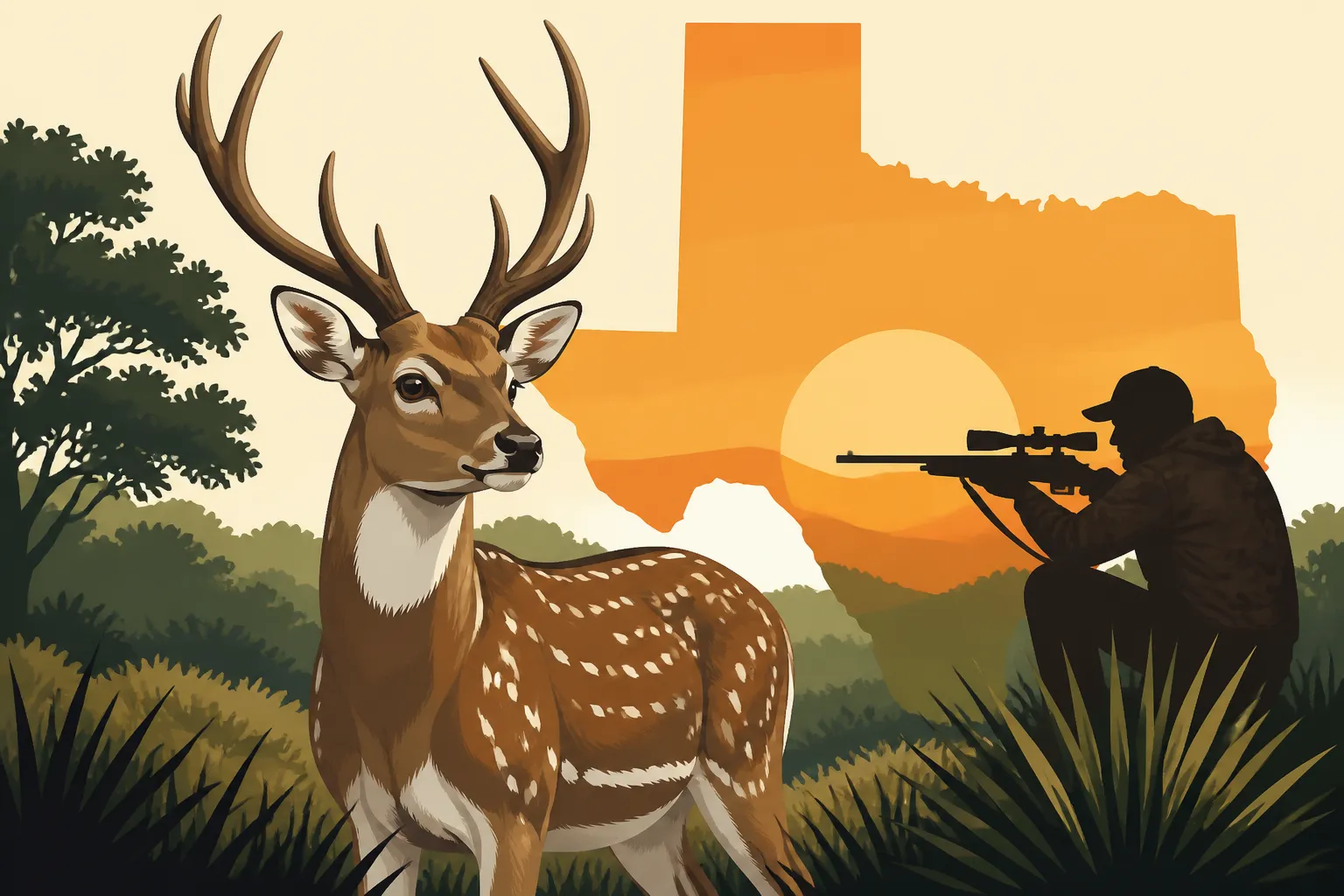
Sika deer, particularly the Japanese Sika subspecies common in Texas, are smaller than native whitetail deer, typically weighing between 70 to 150 pounds, with some mature stags reaching over 200 pounds. They sport a dark brown coat with distinctive white spots, especially noticeable on younger animals, and a prominent white rump patch that flares when alarmed. The stags grow impressive antlers, often with three or four points on each side, though they can develop more complex racks. Their rut, or breeding season, usually kicks off in the fall, often later than whitetails, sometimes extending into November and even December, depending on the specific location and local conditions. This later rut means you might encounter different behavioral patterns compared to what you're used to with native deer.
One of the most defining characteristics of Sika deer is their vocalization. Unlike the subtle snorts or bleats of a whitetail, Sika stags "whistle" or "scream" during the rut, a sound that's truly unforgettable and often described as eerie or even otherworldly. This vocalization is a key tool for hunters, as it can help pinpoint a stag's location, especially in dense cover where visual tracking is difficult. They are also highly social animals, often forming small herds, though mature stags can be more solitary outside of the rut. Their diet is diverse, including grasses, forbs, acorns, and various browse, making them highly adaptable to different landscapes across Texas. Understanding these biological nuances is your first step in outsmarting them.
Their natural wariness is another significant factor. Sika have excellent eyesight, incredible hearing, and a highly developed sense of smell. They are constantly alert to their surroundings, and any sudden movement, sound, or scent can send them bolting. This means you need to approach hunting them with a level of stealth and patience that might exceed what you typically employ for whitetails. They often prefer thicker cover, even in seemingly open areas, utilizing brush lines, dense cedar breaks, or creek bottoms as escape routes and bedding areas. Their ability to blend seamlessly into their surroundings and remain perfectly still makes them incredibly difficult to spot, even at close range.
Where Sika Deer Roam in Texas
While Sika deer are not native to North America, Texas has become a premier destination for hunting them, largely due to successful introduction programs on private lands. You'll find the highest concentrations of free-ranging Sika in the central and southern parts of the state, particularly within the Texas Hill Country. Counties like Kerr, Real, Bandera, and Edwards are well-known hotspots for Sika, where they thrive among the rocky terrain, oak savannas, and juniper breaks. These areas offer the perfect blend of cover, water sources, and diverse forage that Sika prefer.
Many of these populations originated from high-fence ranches where Sika were introduced for exotic hunting opportunities. Over time, some inevitably escaped, establishing wild populations that continue to expand their range. This means you might find them in unexpected pockets, even outside the traditional Hill Country strongholds, in areas with suitable habitat. When looking for a hunting location, focus on properties that share borders with established exotic game ranches, as these are often prime areas for free-ranging Sika. Always check local regulations, as the presence of exotics can sometimes influence specific hunting rules.
While private land offers the most consistent Sika hunting, there are limited opportunities for public land access through programs like the Texas Drawn Hunts, though Sika are rarely the primary target species for these draws. Most Sika hunting in Texas happens on private ranches, either through guided hunts or on a hunting lease. When scouting new areas, look for fresh tracks in soft soil, browse lines on vegetation, and rub marks on small trees during the rut. Pay particular attention to areas near water sources, especially during dry periods, as Sika will often frequent these spots. Also, listen for those distinctive Sika whistles—they can carry for long distances, giving away a stag's presence.
Sika Hunting Seasons and Regulations
One of the fantastic things about hunting exotic species like Sika deer in Texas is that they are generally considered non-native, non-game animals. This designation means that there is usually Is There a Season for Sika Deer in Texas? – no closed season, and no bag limit on private land. You can typically hunt Sika deer year-round, which offers incredible flexibility compared to the strict seasonal windows for native game like whitetails or turkeys. This makes Sika an excellent option for hunters looking to extend their time in the field outside of traditional deer season.
However, "no closed season" doesn't mean "no rules at all." You still need a valid Texas Hunting License: Cost, Types & How to Buy (2026) to hunt Sika deer in Texas, just as you would for any other game animal. Furthermore, while bag limits often don't apply to exotics, always double-check with the landowner or outfitter you're hunting with, as they may have their own management goals and specific harvest quotas for their property. Some ranches might implement antler restrictions or define specific animals they want harvested based on their management plans.
It's also crucial to remember that while the state regulations are generally open, landowners always have the final say on their property. Some landowners might limit hunting to certain times of the year to minimize disturbance to other native game or for other management reasons. Always communicate clearly with your outfitter or lease manager about their specific rules before and during your hunt. And as with any hunting activity in Texas, stay informed about Texas Hunting Regulations Changes for 2026 that might impact exotic species, though changes related to Sika are less common than for native game.
Essential Sika Deer Hunting Tactics
Hunting Sika deer requires a unique blend of patience, keen observation, and understanding of their elusive nature. You can't just hunt them like you would a whitetail, largely because their senses are so finely tuned and their habitat preferences often differ. The key is to adapt your approach to their specific behaviors and the terrain they inhabit.
Spot-and-Stalk Techniques
Spot-and-stalk is arguably one of the most effective and exhilarating ways to hunt Sika deer, especially in the more open, broken country of the Hill Country. This method demands patience and excellent glassing skills. Start your morning or evening by finding a good vantage point that offers a wide view of potential Sika habitat—think rolling hills, draws, and brush lines. Use high-quality binoculars or a spotting scope to methodically scan the landscape. Remember that Sika are masters of camouflage, and their dark coats can blend perfectly with shadows and brush. Look for subtle movements, a flick of an ear, the outline of a body, or the distinctive white rump patch. For more general advice, check out Spot-and-Stalk Hunting in Texas (Exotics & Mule Deer).
Once you've spotted a Sika, the real challenge begins. Evaluate the terrain, wind direction, and the Sika's behavior. Your goal is to close the distance without being seen, heard, or smelled. This often involves navigating rocky, noisy terrain and making extensive detours to stay downwind and out of sight. Move slowly, deliberately, and take advantage of every piece of cover—cedar trees, large rocks, changes in elevation. Sika often move between feeding and bedding areas, and understanding these patterns can help you intercept them. During the rut, listen intently for those signature whistles, which can give you a direction to stalk. A successful stalk might take hours, covering just a few hundred yards, but the reward of getting within shooting range of a wary Sika is unmatched.
Don't underestimate the Sika's incredible senses. Even the slightest crunch of a leaf or a strong gust of wind carrying your scent can send them scattering. When stalking, wear soft clothing and high-quality boots that allow for silent movement. Constantly re-evaluate the wind with a wind checker, as it can swirl unpredictably in hilly terrain. If a Sika looks in your direction, freeze instantly and remain absolutely still until it returns to feeding or looking away. Often, they will stare intently for several minutes, trying to pick out any anomalies. This cat-and-mouse game is what makes spot-and-stalk Sika hunting so engaging and requires a deep understanding of the animal and your surroundings.
Ambush Hunting from Blinds or Stands
While spot-and-stalk is exciting, sitting in a blind or stand can also be highly productive, especially if you're hunting an area with consistent Sika traffic. Setting up an ambush point near food sources, water holes, or heavily used travel corridors can increase your odds. Sika, like most deer, will follow established trails, especially when moving between bedding cover and feeding areas. Placing a blind or stand overlooking these natural pathways, or even over a feeder, can offer a comfortable and effective hunting strategy. Remember, Sika are creatures of habit, and patterning their movements can pay off.
When choosing a location for your blind, consider the wind direction carefully. Sika have an incredible sense of smell, and if your scent is consistently blowing into their approach path, they will quickly avoid the area. Elevated blinds, like a tripod or Box Blind vs Tripod vs Ground Blind in Texas, can help mitigate scent dispersal and offer a better vantage point over thick brush. Ground blinds can also be effective, especially for bowhunting, but require meticulous concealment and scent control. Ensure your blind is set up well in advance of the hunt to allow the deer to get accustomed to its presence.
Feeder hunting is another popular method, particularly on private lands where supplemental feeding is common. Sika deer are often attracted to corn or protein pellets, and a well-placed feeder can draw them into range. Just like with native deer, setting your feeder to go off at strategic times, typically early morning and late afternoon, can increase your chances. Ensure your blind offers a clear shot at the feeder from different angles, and practice shooting from that position beforehand. This method requires patience, but it can be a reliable way to get a shot at a cautious Sika, especially if you're targeting a specific stag that has been visiting the feeder.
Rut Hunting Strategies for Sika
The Sika rut is a truly unique experience, unlike anything you'll encounter with whitetails. While whitetails rely on rubs, scrapes, and subtle vocalizations, Sika stags become incredibly vocal, "whistling" or "screaming" to challenge rivals and attract hinds. This intense vocalization, often described as a high-pitched bugle or scream, can be heard from a significant distance and is your primary tool for locating rutting stags. The rut usually peaks in late fall, often extending into November and December, later than the whitetail rut in many parts of Texas.
During the rut, Sika stags become less cautious and more focused on breeding. This makes them more susceptible to calling tactics. Mimicking a Sika stag's whistle can draw an inquisitive or aggressive stag into range. You'll want to practice your calling techniques beforehand, as a realistic call is crucial. Be prepared for a rapid response; sometimes, a stag will charge in surprisingly quickly, ready to confront what it perceives as a rival. This is where your ability to remain still and quickly acquire your target becomes paramount.
Combine calling with strategic positioning. Set up near dense cover where Sika are known to frequent, or along travel corridors where stags might be actively searching for hinds. Use the wind to your advantage, as a rutting stag might still use its nose to verify the presence of a rival or a potential mate. While the rut makes them more vulnerable, Sika are still wild animals with keen senses, so don't throw caution entirely to the wind. If you're hunting during this exciting period, remember to also bring along some Best Game Calls for Texas Hunting to maximize your chances.
| Sika Hunting Tactic | Primary Advantage | Best Conditions | Key Gear |
|---|---|---|---|
| Spot-and-Stalk | High excitement, covers ground | Open to semi-open terrain, good visibility | Quality binoculars/spotting scope, comfortable boots, wind checker |
| Blind/Stand | Patience, consistent results | Near feeders, water, or travel corridors | Comfortable blind/stand, scent control, rangefinder |
| Rut Hunting | Exploits Sika vocalizations and aggression | Peak rut period (late fall), active stags | Sika call, good hearing, quick target acquisition |
Gear and Equipment for Sika Hunting
Having the right gear is crucial for any hunting trip, but especially when targeting an animal as astute as the Sika deer in Texas. The specific demands of the terrain and the Sika's nature mean you need reliable equipment that won't let you down.
Recommended Firearms and Ammunition
For Sika deer, which range from 70 to 200+ pounds, a medium-caliber rifle is generally ideal. Something in the .243 Winchester, .270 Winchester, 6.5 Creedmoor, 7mm-08 Remington, or .308 Winchester class offers more than enough power to ethically harvest a Sika with proper shot placement. These calibers provide a good balance of flat trajectory, moderate recoil, and readily available ammunition. While larger calibers like the .30-06 Springfield or .300 Winchester Magnum will certainly work, they aren't strictly necessary and can be overkill, potentially causing more meat damage than desired on these smaller-bodied deer.
When selecting ammunition, prioritize good quality hunting bullets that offer controlled expansion. Soft-point, bonded, or monolithic bullets are excellent choices, as they retain weight and penetrate well, ensuring a clean pass-through and minimizing tracking. Examples include Nosler AccuBond, Barnes TTSX, Federal Terminal Ascent, or Hornady InterLock. Avoid varmint rounds, as they are designed for rapid fragmentation and may not provide adequate penetration on a Sika deer. A good rifle needs a good scope, so consider investing in one of the Best Rifle Scope for Texas Deer Hunting.
If you're considering bowhunting for Sika, a compound bow set at 50-70 pounds draw weight with sharp, fixed-blade or mechanical broadheads will be effective. Sika vitals are similar to whitetails, but their smaller body size means precision is even more critical. Always ensure your bow is properly tuned and practice extensively with your broadheads to confirm accuracy. Crossbows are also a legal and effective option for Sika in Texas, offering an advantage in precision and less movement during the shot sequence.
Optics for Spotting and Tracking
High-quality optics are not just helpful; they are absolutely essential for Sika deer hunting, especially if you're employing spot-and-stalk tactics. Their camouflage and ability to hold still in cover make them incredibly hard to pick out without good glass. Invest in a pair of reliable binoculars, preferably 10×42 or 10×50, from reputable brands like Leupold, Vortex, or Maven. These will provide excellent light gathering capabilities for those crucial dawn and dusk hours and sufficient magnification to scan distant brush lines. Check out our guide on Best Hunting Optics for Texas: Scopes, Binos & Rangefinders for more options.
A good spotting scope can also be a game-changer, particularly if you're hunting larger, more open properties or plan to spend significant time glassing from a fixed position. A 15-45×60 or 20-60×80 spotting scope allows you to scrutinize distant animals, evaluate antler size, and confirm identification without disturbing the Sika. This is invaluable when you need to decide if a particular stag is worth a long, arduous stalk.
Don't forget a rangefinder. In the varied terrain of Texas, judging distance accurately can be tricky, especially on an animal that might be partially obscured by brush. A laser rangefinder that can measure distances out to 800-1000 yards will ensure you know the exact yardage to your target, allowing for precise shot placement. This is particularly important if you're shooting a rifle with a holdover reticle or adjusting turrets for elevation.
Clothing and Footwear Considerations
Texas weather is notoriously unpredictable, and hunting Sika means being prepared for a range of conditions. Early fall hunts can be sweltering, while late fall and winter hunts can bring freezing temperatures, especially in the mornings. Layering is key, allowing you to adapt as temperatures fluctuate throughout the day. Choose moisture-wicking base layers to manage sweat, insulating mid-layers for warmth, and a quiet, waterproof outer shell to protect against wind and rain. Camouflage patterns that blend with the Texas brush country, such as Mossy Oak or Realtree patterns, are always a good choice.
Footwear is another critical component, especially for spot-and-stalk hunting over rocky, uneven terrain. Invest in sturdy, comfortable hunting boots with good ankle support and aggressive tread for traction. Waterproof boots are a must, as you might encounter wet creek beds or morning dew. Given the prevalence of snakes in Texas, especially rattlesnakes and copperheads, Best Snake Boots for Texas Hunting are a wise investment, particularly during warmer months when snakes are more active. Look for boots that are durable, breathable, and provide protection up to the calf or knee.
Finally, consider your accessories. A good hunting backpack is essential for carrying water, snacks, extra layers, a first-aid kit, and any field dressing supplies. Make sure it's comfortable for long walks and quiet to prevent startling game. Scent control products, such as sprays or carbon-lined clothing, can also help minimize your human odor, giving you an edge against the Sika's keen sense of smell. And always carry enough water – hydration is vital in the Texas heat, even if the weather is cool, as extensive walking can quickly dehydrate you.
Post-Harvest: Field Care and Processing
Successfully harvesting a Sika deer is a fantastic accomplishment, but the job isn't over yet. Proper field care is paramount, especially in the often-warm Texas climate, to ensure the meat is of the highest quality. Neglecting immediate care can quickly spoil your hard-won venison.
Field Dressing Sika Deer
Once you've harvested your Sika, the very first step is to field dress it as quickly as possible. This involves removing the internal organs to allow the carcass to cool rapidly. The warm Texas air, even in late fall, can cause bacterial growth and taint the meat if the body heat isn't dissipated. If you're unsure of the exact process, our guide on How to Field Dress a Deer in Hot Weather can walk you through it. Start by making a shallow incision from the breastbone down to the pelvis, carefully cutting around the anus. Take care not to puncture the intestines or stomach, as this can contaminate the meat.
Once the cavity is open, reach in and sever the trachea and esophagus as high up in the chest cavity as possible. Then, carefully pull out all the internal organs. This includes the heart, lungs, liver, stomach, and intestines. If you plan to keep the heart or liver, set them aside in a clean bag to cool quickly. After removing the organs, wipe out the cavity with clean cloths or paper towels to remove any blood or debris. Avoid using water inside the cavity unless absolutely necessary and you can thoroughly dry it afterward, as moisture promotes bacterial growth.
If possible, prop the body cavity open with a stick or hang the deer to allow for maximum airflow. This is especially important if you're not going to be able to get the deer to a cooler or processor immediately. In very warm conditions, you might even consider placing bags of ice inside the cavity to accelerate cooling, though this needs to be done carefully to avoid saturating the meat with water. The goal is to get the core temperature down as fast as you can.
Transporting Your Harvest
After field dressing, the next critical step is to get your Sika deer to a cooler or processor. If you're hunting on a private ranch with a walk-in cooler, this is ideal. Otherwise, you'll need a large, well-insulated cooler filled with ice. Ensure the cooler is large enough to accommodate the entire Sika, especially a mature stag, which can be quite a tight squeeze for smaller coolers. You might need multiple large coolers, such as those recommended in Best Coolers for Texas Hunting (Yeti & Alternatives). Pack ice generously around and inside the body cavity.
When transporting, protect the carcass from dirt, dust, and further contamination. If you're quartering the deer in the field, place the meat in clean game bags before putting it on ice. This keeps the meat clean and allows it to breathe. Avoid throwing the carcass directly into the bed of a truck without protection, as road grime and exhaust fumes can ruin the meat. If you're hauling a whole deer, consider covering it with a tarp or a heavy-duty game bag.
Know your destination well in advance. Having a processing facility lined up, or having the necessary equipment at camp to process it yourself, will save you a lot of headache and potential heartache. Many smaller towns in the Hill Country, like Kerrville, Fredericksburg, or Bandera, have reputable wild game processors that understand how to handle exotic game. If you plan to process the Sika yourself, ensure you have a clean, cool space, sharp knives, and plenty of ice to continue the cooling process. Remember, proper care from the shot to the freezer is what truly respects the animal and provides delicious venison for your table.
Disclaimer
Please note: Hunting regulations can change. Always consult the most current Texas Parks and Wildlife Department (TPWD) Outdoor Annual or their official website before any hunting activity to ensure you are in full compliance with all state laws and regulations.