Where to Hunt Bobwhite Quail in Texas
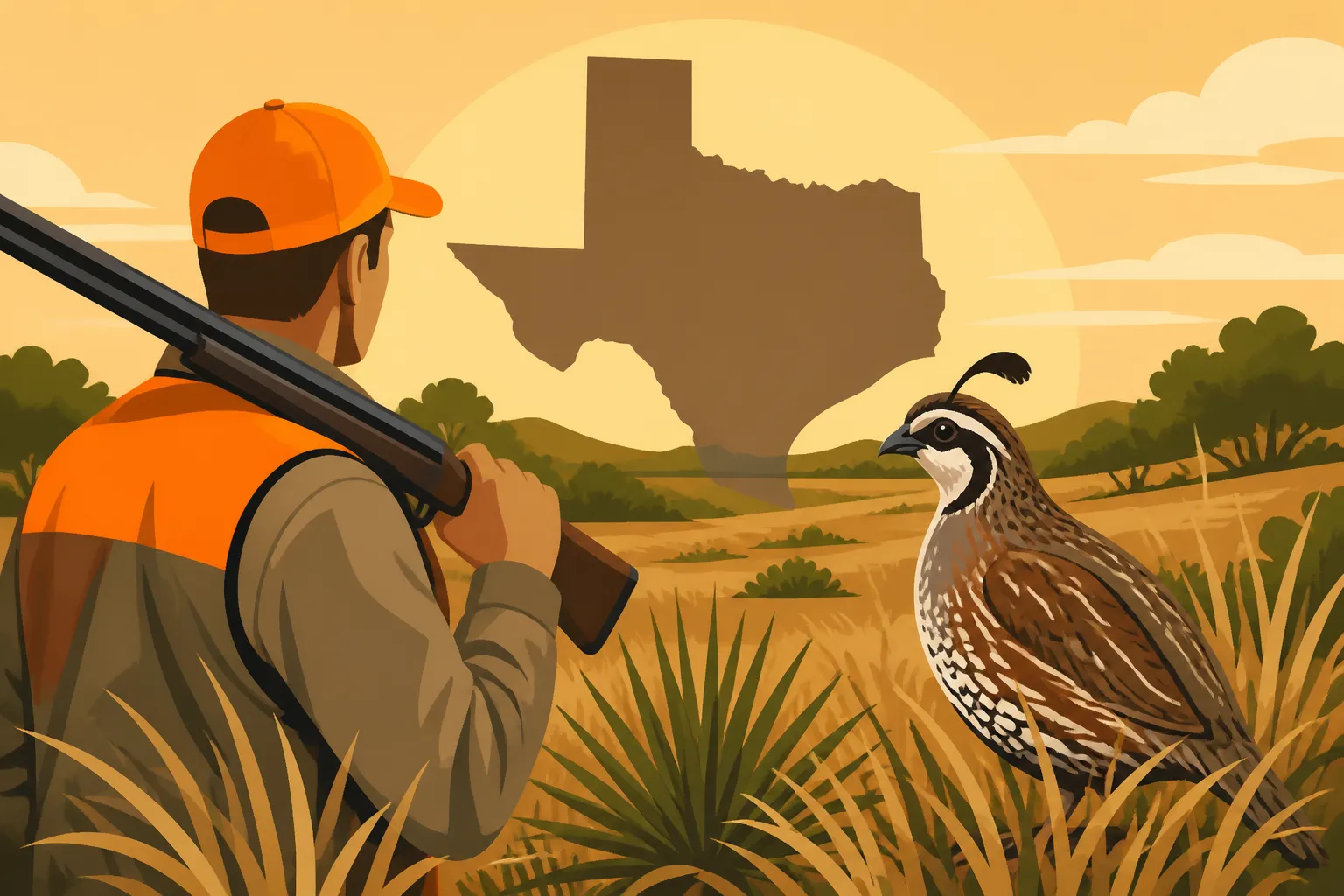
Hunting bobwhite quail in Texas can feel like searching for a needle in a haystack these days. Once an iconic symbol of Texas's wild lands, finding reliable coveys to chase requires a deep understanding of habitat, regional dynamics, and diligent scouting. This guide aims to pull back the curtain on where you can still find decent bobwhite quail hunting opportunities across the vast and varied landscapes of our great state.
The Bobwhite Comeback: A Fading Dream in Texas?
For many seasoned Texas hunters, the sight and sound of a bobwhite covey flush is etched into their very soul. But let's be realistic: those glory days of boundless coveys seem to be, for the most part, in the rearview mirror for much of Texas. The harsh truth is that bobwhite quail populations across the state have faced significant challenges over the past few decades, leading to a general decline in their numbers. This makes locating huntable populations a much more strategic endeavor than it once was.
Habitat is King: What Quail Really Need to Thrive
When you're looking for bobwhite quail, you're really looking for their habitat. These birds are incredibly specific about their needs, and without the right combination of cover, food, and water, they simply won't survive or reproduce in sustainable numbers. A thriving bobwhite habitat isn't just a patch of brush; it's a complex tapestry of native grasses, forbs, and woody cover that provides everything a quail needs to live out its life cycle.
Think about it from a quail's perspective: they need tall, bunchy native grasses like little bluestem or switchgrass for nesting and loafing cover, which also provides seeds and insects as food. They also require scattered woody cover, like mesquite, prickly pear, or shinnery oak, to protect them from predators both on the ground and from above. This brush also offers crucial thermal cover during extreme weather. Finally, access to water, whether it's through dew, succulent plants, or natural seeps, is also important. The ideal quail habitat isn't too thick, isn't too open; it's a mosaic where they can move freely, feed, and escape danger without having to travel far.
Why They're So Hard to Find: Challenges & Declines
So, why the decline? It's a complicated stew of factors, but chief among them is habitat loss and fragmentation. As Texas continues to develop, native grasslands are converted to agriculture, urban sprawl, or manicured pastures that simply don't provide the diverse cover quail need. Intensive grazing practices can also degrade habitat by reducing crucial native grasses. Drought, a persistent problem in Texas, further exacerbates these issues, reducing vegetation and insect populations—a vital food source for young quail.
Predation is another natural challenge, with a robust population of coyotes, bobcats, and various avian predators. While a healthy quail population can sustain some predation, combined with poor habitat, it becomes a much larger factor in localized declines. Diseases and parasites can also play a role, especially in stressed populations. It's a tough world out there for a bobwhite, which means hunters need to be smarter and more targeted in their efforts. This makes tools for detailed land analysis, like those offered by GoHunt, all the more crucial for pinpointing areas that might still hold birds.
The Best Bets: Top Regions for Texas Bobwhite Quail
Despite the challenges, pockets of excellent bobwhite quail hunting still exist in Texas. These areas often share common traits: large, contiguous tracts of well-managed land, suitable soil types, and landowners actively practicing habitat restoration and conservation. Knowing these general regions is your first step.
The Rolling Plains: A Traditional Quail Stronghold
When most Texans think of bobwhite quail hunting, the Rolling Plains region often comes to mind first, and for good reason. This vast area in North and West Texas, encompassing counties like Cottle, Motley, King, and Foard, has historically been the epicenter of bobwhite quail hunting in the state. The habitat here—a mix of mesquite brush, shinnery oak, and native tallgrass prairies—is ideally suited for quail.
The sheer scale of ranches in the Rolling Plains means you can still find expansive, well-managed properties that haven't been subdivided into smaller, less quailable parcels. While even these areas aren't immune to population fluctuations due to drought or severe winters, they consistently offer some of the best potential for strong covey counts. Many outfitters and private leases focus heavily on quail management in this region. This is where you might still experience those classic, explosive covey flushes that dreams are made of. When scouting or researching potential leases, look for properties that prioritize brush control and rotational grazing to maintain prime quail habitat.
South Texas: Brush Country Bobwhites
Don't count out South Texas. The iconic brush country, stretching from San Antonio south to the Rio Grande Valley, offers a completely different, but equally challenging and rewarding, quail hunting experience. Here, bobwhites thrive in the dense, thorny scrub of mesquite, acacia, blackbrush, and prickly pear. Counties like Webb, La Salle, Dimmit, and Maverick are renowned for their incredible diversity of wildlife, including healthy populations of deer, hogs, and, yes, bobwhite quail.
Hunting here is a physical challenge. The dense cover often means shorter shooting windows and close-quarters flushes. But the reward can be substantial; South Texas is known for producing large, robust coveys. The mild winters and generally good rainfall (when it comes) contribute to excellent habitat conditions in many years. Again, private land access is key, as most of this prime habitat is part of large ranches. Many landowners here actively manage for quail, often employing specific brush sculpting and grazing strategies. If you're looking for an adventure and aren't afraid of thorns, the South Texas brush country can provide a fantastic bobwhite hunt. Be sure to check out our detailed guide on South Texas Trophy Whitetail: Brush Country Bucks for more insights into this unique hunting paradise, as habitat managed for deer often benefits quail too.
Lesser-Known Pockets: Cross Timbers & Post Oak Savannah
While the Rolling Plains and South Texas are the superstars, don't overlook some of the smaller, more localized opportunities in other regions. The Cross Timbers region, located in north-central Texas, and the Post Oak Savannah in East-Central Texas can also hold huntable populations of bobwhite quail. These areas typically feature a mix of woodlands, savannas, and pastures, and where land management practices favor quail, you can still find decent hunting.
In these regions, quail habitat is often more fragmented and tied to specific land management efforts. You might find a good covey on a smaller private ranch that's actively working to restore native grasses and manage brush, while the neighboring property, if poorly managed, holds no birds. This means local knowledge and on-the-ground scouting become even more critical here. These aren't typically "destination" quail hunting areas like the Rolling Plains, but they can offer satisfying local opportunities if you put in the legwork. Consider looking for properties that are engaged in programs like the Texas Parks and Wildlife Department's Landowner Incentive Program, which often supports quail habitat restoration.
Navigating Access: Public & Private Hunting Options for Quail
Once you know where to look, the next big question is how to gain access to those prime hunting grounds. In Texas, the vast majority of huntable land is privately owned, making access a significant hurdle for many. However, there are still avenues to pursue both public and private opportunities.
Public Land Pathways: WMAs and Drawn Hunts
For hunters without access to private land, Texas does offer some public hunting opportunities for bobwhite quail, primarily through Wildlife Management Areas (WMAs) and the Public Hunt Drawn Hunt system.
- Wildlife Management Areas (WMAs): Several WMAs across the state manage habitat that can support quail populations. Areas like the Matador WMA in the Rolling Plains, the Gene Howe WMA in the Panhandle, and even parts of the Chaparral WMA in South Texas might offer limited quail hunting. However, public land quail hunting on WMAs is often challenging. Pressure can be high, and populations fluctuate widely year to year based on rainfall and habitat conditions. You'll typically need a valid hunting license and an Annual Public Hunting Permit: What It Covers to access these lands. Always check the specific WMA regulations in the Texas Outdoor Annual before planning a trip, as rules and open dates can vary significantly.
- Drawn Hunts: The Texas Parks and Wildlife Department (TPWD) offers special public drawn hunts for quail on certain WMAs and private lands. These hunts are highly coveted and can offer exceptional opportunities. While the odds can be tough, it's worth applying for these Texas Drawn Hunts & Public Hunt Draw 2027 each year. It's often your best bet for a quality public land quail hunting experience. You can apply for various quail hunts, some specifically for bobwhites, others for blue quail, or a combination. Keep an eye on the application deadlines.
The Private Land Puzzle: Leases and Day Hunts
For the serious bobwhite quail hunter, private land remains the most reliable pathway to consistent success. This usually means securing a long-term hunting lease or booking a guided day hunt.
- Hunting Leases: Many of the best quail hunting areas are found on large private ranches, particularly in the Rolling Plains and South Texas. Getting on a quail lease can be competitive and costly, but it offers exclusive access and often includes well-managed habitat. Look for leases that specifically advertise quail management or have a history of good quail numbers. Sometimes, a deer lease might also offer some quail hunting as a bonus, especially in the right habitat. Consider starting a conversation with landowners about their quail populations if you're already on a deer lease.
- Guided Day Hunts: If a long-term lease isn't feasible, booking a guided day hunt with a reputable outfitter is an excellent option. Many outfitters specialize in quail hunting, have access to prime private land, and provide experienced guides and well-trained bird dogs. This is often the best way for a beginner or a hunter with limited time to experience quality bobwhite hunting. Look for outfitters in the core regions mentioned above, such as the Rolling Plains (e.g., near Guthrie or Paducah) or South Texas (e.g., around Laredo or Cotulla).
Tools for the Hunt: Leveraging Scouting Resources
In today's hunting world, technology can be a huge asset in locating and accessing game, including bobwhite quail. Even when pursuing private land opportunities, smart use of mapping and scouting tools can give you an edge.
- Mapping Apps: Apps like onX Hunt or HuntStand are invaluable for understanding land ownership, property boundaries, and identifying potential habitat features from afar. You can often pinpoint areas with ideal mixtures of brush and native grasses, or identify potential travel corridors and water sources. These apps are also excellent for marking covey flushes and tracking your progress during a hunt. To learn more about digital tools, check out our article on Best Hunting Apps for Texas (onX, HuntStand & More).
- Online Resources and Scouting Services: While not always tailored specifically to quail, online platforms and forums dedicated to Texas hunting can sometimes provide leads on leases or outfitters. Furthermore, professional scouting services or wildlife management consultants can offer invaluable insights into private land potential. For those serious about finding private land access or understanding the nuances of a specific property, platforms or resources like GoHunt might offer leads or detailed land analyses that go beyond basic mapping. Utilizing such tools can help you better understand a property's potential even before you step foot on it, assessing factors like past habitat management or historical weather patterns.
- Driving and Asking for Permission: Sometimes, the old-fashioned way is still the best way. Driving rural roads in known quail areas and looking for suitable habitat can sometimes lead to opportunities to knock on doors and ask for permission to hunt. It takes courage and persistence, but building relationships with landowners can unlock access to otherwise unavailable properties.
Here's a quick comparison of the prime bobwhite quail hunting regions in Texas:
| Region | Primary Habitat | Typical Covey Size | Access Challenges | Best for |
|---|---|---|---|---|
| Rolling Plains | Mesquite, Shinnery Oak, Native Grasslands | Good to Excellent | Primarily private land, lease costs, weather variability | Classic dog-and-gun hunts |
| South Texas | Dense Brush (Mesquite, Blackbrush, Prickly Pear) | Excellent | Very dense cover, private land, thorns, heat | Challenging, close-quarters action |
| Cross Timbers & Post Oak Savannah | Mixed Woodlands, Savannas, Pastures | Fair to Good (localized) | Fragmented habitat, highly dependent on specific management | Local opportunities, scouting-intensive |
Disclaimer
Please note that hunting regulations, seasons, and bag limits are subject to change. Always consult the most current Texas Parks and Wildlife Department Outdoor Annual before planning any hunting trip. This guide is for informational purposes only and does not constitute legal advice or a guarantee of hunting success.