Bobwhite Quail Season & Bag Limit in Texas
Oh, the elusive bobwhite quail! If you've spent any time trying to figure out the ins and outs of quail hunting in Texas, you know it can feel like trying to decipher an ancient scroll. Between season dates that seem to shift, confusing bag limits, and the constant concern for declining populations, it's easy to get overwhelmed. This guide is here to clear the brush, giving you a comprehensive breakdown of the Bobwhite Quail season and bag limits in the Lone Star State, so you can head to the field with confidence.
Navigating the Texas Bobwhite Quail Season
Texas is a massive state, and while many hunting regulations are statewide, understanding the specific calendar for game like bobwhite quail requires a closer look. It's not always as straightforward as deer season, and those small details can make all the difference between a legal, ethical hunt and a disappointing trip.
When the Bobwhite Quail Season Typically Runs
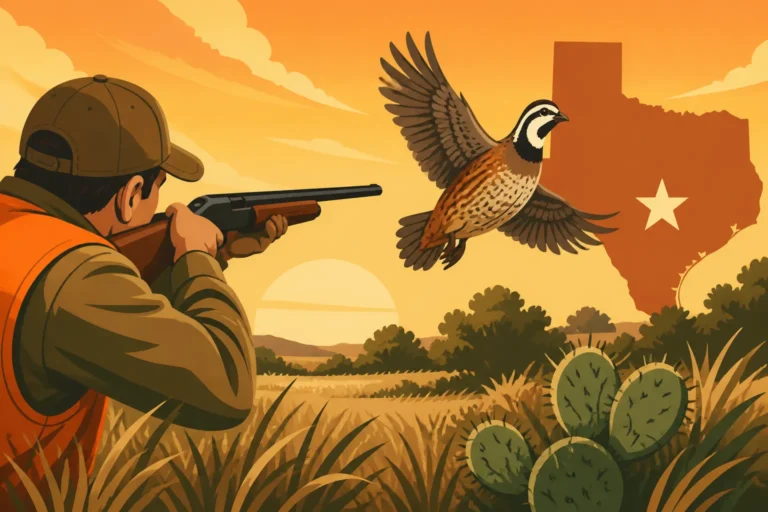
Generally speaking, the Bobwhite Quail season across most of Texas opens in late October and runs through late February. This window is carefully chosen by the Texas Parks and Wildlife Department (TPWD) to align with the birds' natural life cycle, ensuring that hunting pressure doesn't interfere with their breeding cycles in the spring or their ability to establish coveys in the early fall. The exact dates might nudge a few days forward or backward year-to-year, so always, always consult the official Texas Outdoor Annual. It's your bible for Texas hunting regulations.
For example, a typical season might see an opening around the last Saturday in October and closing on the last Sunday in February. This consistent late-fall to late-winter framework allows hunters to pursue these fast-flying birds after the summer heat has broken and coveys have solidified their territories. It also provides opportunities after deer season winds down for many, extending the hunting calendar for those who love wingshooting.
It's also worth noting that while the general season is the main event, sometimes there are youth-only weekend opportunities that might fall outside these general dates. These special seasons are fantastic for introducing younger hunters to the sport in a less crowded environment, often with slightly different rules to maximize success and learning. Always check the official TPWD listings for these specific dates, as they are a great way to pass on our hunting heritage.
Regional Nuances and Why Dates Vary
While a general statewide season exists, Texas is so vast that some regional nuances or specific regulations can occasionally pop up, especially for species sensitive to environmental changes. For bobwhite quail, regions like the Rolling Plains and parts of South Texas are historical strongholds, and TPWD keeps a very close eye on these areas. The season dates are set to allow for sustainable harvest based on the overall health of the quail population, which, let's be honest, can be a rollercoaster ride due to weather patterns.
For instance, prolonged drought can severely impact quail reproduction and survival, leading to lower bird numbers. Conversely, years with ample spring and summer rainfall often result in booming quail populations. TPWD's biologists constantly monitor these conditions, and while major season date shifts are rare, they are always a possibility in response to significant ecological changes. This is why staying current with the latest official publications is non-negotiable.
Understanding why these season dates are chosen helps us appreciate the science behind wildlife management. It's not arbitrary; it's a careful balance of providing recreational opportunities for hunters while safeguarding the long-term health of the species. When you're out there, especially in prime habitat like the rugged brush country of South Texas, you're not just hunting; you're participating in a carefully managed ecosystem. For a broader look at all the available hunting periods, check out the comprehensive resource on Texas Hunting Seasons: Complete Calendar by Species.
Demystifying Bobwhite Quail Bag and Possession Limits
Once you have your season dates down, the next big hurdle for many hunters is understanding the bag and possession limits. These numbers aren't just arbitrary figures; they're critical tools for managing wildlife populations and ensuring fair chase. Misunderstanding them can lead to serious legal trouble, so let's break down exactly what they mean for bobwhite quail in Texas.
Understanding Your Daily and Possession Limits
For bobwhite quail in Texas, the daily bag limit is currently 15 birds. This means that in a single calendar day, you can legally harvest no more than 15 quail. This limit applies from midnight to midnight, regardless of how many times you go out to hunt during that day. If you shoot 10 birds in the morning and decide to go out again in the afternoon, you can only harvest 5 more. It's straightforward, but sometimes people forget to count properly when coveys are bursting!
The possession limit, on the other hand, is generally three times the daily bag limit. For bobwhite quail, this means a possession limit of 45 birds. The possession limit refers to the total number of legally harvested quail that you can have in your possession at any given time. This includes birds in your cooler, in your freezer at home, or even processed meat. It's designed to regulate how many birds you can accumulate, especially if you're on a multi-day hunt or have been accumulating birds over several outings.
For example, if you hunt for three consecutive days and harvest 15 birds each day, you would have 45 birds in your possession. If you wanted to hunt on a fourth day, you would need to either consume, gift, or process enough birds to bring your possession total back down to 44 or fewer before you could harvest more. This system prevents excessive hoarding and encourages sustainable use of the resource. Always keep good records, especially on multi-day trips, to stay within the legal limits.
The Combined Quail Species Rule
Here's a crucial point that often trips up new quail hunters: the daily and possession limits for quail in Texas are combined for all species. This means that whether you're hunting bobwhites, scaled quail (also known as blue quail), or the less common Gambel's quail, they all count toward that same 15-bird daily limit and 45-bird possession limit. You can't shoot 15 bobwhites and then go out and shoot 15 scaled quail on the same day.
This combined limit is especially important in areas where different species overlap. For example, in parts of the Trans-Pecos or the western edge of the Rolling Plains, you might encounter both bobwhites and scaled quail in the same general area, or even on the same property. When you flush a mixed covey, you need to be mindful that every bird, regardless of species, contributes to your daily total.
The philosophy behind this combined limit is practical and conservation-minded. Quail can be difficult to distinguish quickly in flight, especially for less experienced hunters. By having a combined limit, TPWD simplifies the rules and ensures that over-harvest of any single species is less likely due to misidentification. It encourages hunters to identify their birds if possible, but ultimately, it's about the total pressure on the quail resource as a whole. If you're keen to learn more about the different types of quail, you can dive into Quail Hunting in Texas: Bobwhite & Blue.
Here's a handy table summarizing the current Bobwhite Quail regulations for Texas:
| Regulation Type | Detail |
|---|---|
| General Season | Late October – Late February (consult Outdoor Annual for exact dates) |
| Daily Bag Limit | 15 Quail (Combined species) |
| Possession Limit | 45 Quail (Combined species) |
| Shooting Hours | 30 minutes before sunrise to 30 minutes after sunset |
| Required License | General Hunting License + Upland Game Bird Endorsement |
Beyond Dates and Numbers: Key Quail Hunting Regulations
While knowing the season dates and bag limits is paramount, a successful and legal quail hunt in Texas involves more than just those basics. There are other regulations and ethical considerations that every hunter should be aware of to ensure a responsible and enjoyable experience.
The Right License and Necessary Endorsements
First and foremost, you absolutely need the proper licensing. To hunt bobwhite quail (or any resident game bird) in Texas, you must possess a valid Texas hunting license. On top of that, you'll need an Upland Game Bird Endorsement. This endorsement is a small additional fee, but it's crucial for legal quail hunting. Think of it as your passport to pursuing these feathered rockets.
For those new to hunting, or considering returning after a long break, it's worth noting that if you were born on or after September 2, 1971, you generally need to complete a Hunter Education course. This course covers everything from firearm safety to wildlife conservation and legal responsibilities. It’s a foundational step for safe and ethical hunting. If you're wondering about the full scope of licensing, check out Texas Hunting License: Cost, Types & How to Buy (2026). And for details on hunter education, see Do You Need Hunter Education in Texas?.
It's also important to remember that Texas offers various license packages, like the Super Combo, which often includes the hunting license and all necessary endorsements for resident game birds and migratory game birds. For non-residents, specific non-resident hunting licenses are available, often structured differently. Always double-check what your specific license covers to avoid any surprises in the field.
Legal Means, Methods, and Ethical Considerations
When it comes to the actual act of hunting, there are standard legal means and methods you must adhere to. For quail, you'll typically be using a shotgun. There are no specific shot size restrictions for quail, but general shotgun safety and ethical considerations apply. Most hunters opt for smaller shot sizes like 7.5 or 8 to get a good pattern for these fast-moving birds without over-penetrating. Always use non-toxic shot if you're hunting on federal lands or certain other designated areas, though for upland birds on private land, lead shot is generally permissible.
Legal shooting hours are also critical. For most game animals, including quail, hunting is permitted from 30 minutes before sunrise to 30 minutes after sunset. Using a quality hunting app like GoHunt can be incredibly helpful for knowing precise sunrise/sunset times for your specific location, ensuring you're always within legal shooting hours. It’s also invaluable for mapping out property lines and understanding the terrain where quail might hold.
Beyond the letter of the law, ethical considerations are paramount. This includes respecting private property (most quail hunting in Texas happens on private land, so having permission is non-negotiable), retrieving all downed birds, and being a good steward of the land. Remember, as hunters, we are the frontline of conservation, and our actions reflect on the entire hunting community.
Private Land vs. Public Land Considerations
The vast majority of prime bobwhite quail hunting in Texas occurs on private land, often through leases or by invitation. Texas is approximately 95% private land, which means gaining access is often the biggest hurdle for quail hunters. Developing relationships with landowners, joining a hunting lease, or booking a guided hunt are common avenues. For those looking at options for leasing, a resource like Hunting Leases in Texas: Complete Guide (Cost & How to Find) can be incredibly helpful.
However, there are also public hunting opportunities available through the Texas Parks and Wildlife Department's Public Hunting Program. This usually requires purchasing an Annual Public Hunting Permit (APH) and then accessing specific Wildlife Management Areas (WMAs) or other designated public lands that offer quail hunting. Some of these opportunities might even be available through the drawn hunt system, which involves applying for limited-entry hunts. These public land options, while fewer in number for prime quail, are vital for many hunters. To explore these avenues further, you can check out Public Hunting in Texas: WMAs & Annual Public Hunting Permit and Texas Drawn Hunts: Public Hunt Draw System. Always confirm WMA-specific regulations and draw success odds well in advance, as they can differ significantly from general statewide rules.
Factors Influencing Quail Populations and Hunting Success
If you've hunted quail in Texas for any length of time, you've likely experienced the feast or famine nature of the sport. One year, coveys are everywhere; the next, they're practically ghosts. This "quail cycle" is a fundamental aspect of hunting these birds in Texas, driven by a complex interplay of environmental factors and habitat.
The Environmental Rollercoaster: Drought, Rain, and Habitat
The single biggest factor influencing bobwhite quail populations in Texas is weather, specifically rainfall patterns. Bobwhites, especially in arid and semi-arid regions like the Rolling Plains and South Texas, are incredibly responsive to moisture. A good "quail year" typically follows ample, well-timed rainfall during the previous spring and summer. This moisture leads to a flush of insect life, which is critical protein for nesting hens and growing chicks, and also produces lush forb and grass growth, providing essential cover and seeds for food.
Conversely, prolonged drought is devastating to quail. Without adequate rainfall, insect populations crash, vegetation withers, and birds struggle to find enough food and suitable nesting cover. This can lead to dramatic declines in numbers, sometimes taking several years to recover even after good rains return. This boom-and-bust cycle is natural, but it's also why Texas hunters are always keeping an eye on the rain gauge!
Habitat quality is the other critical piece of the puzzle. Bobwhites thrive in a mosaic of open grasslands, dense brush, and scattered bare ground. They need tall grasses for nesting, thick brushy cover (like mesquite or prickly pear) for protection from predators and thermal regulation, and areas of bare ground for dusting and easy movement. Intensive agriculture, overgrazing, and urban sprawl all contribute to habitat loss and fragmentation, which are long-term threats to quail populations, regardless of rainfall. This is why you often hear discussions about Texas Quail Decline: Why & Where to Still Hunt.
Conservation Efforts and the Future of Texas Quail Hunting
Given the challenges, conservation efforts are more important than ever for bobwhite quail. TPWD, along with numerous private landowners and organizations like the Quail Coalition and National Bobwhite Conservation Initiative, are actively working to improve habitat and manage populations. This includes prescribed burning to stimulate native plant growth, brush sculpting to create diverse cover, and carefully managed grazing practices.
Hunters play a direct role in this conservation. By purchasing licenses and endorsements, we contribute funds that directly support wildlife research, habitat restoration, and law enforcement. Our participation in ethical hunting practices ensures that we are part of the solution, not the problem. Without the dedicated interest and financial contributions of hunters, many of these vital conservation programs simply wouldn't exist.
The future of quail hunting in Texas relies on a sustained commitment to habitat improvement and sound wildlife management. While the populations will always fluctuate with the whims of Mother Nature, our actions can help buffer the lows and maximize the highs. So, when you're out there, enjoying the thrill of a covey rise, remember that you're part of a much larger picture, one dedicated to ensuring future generations can experience the same exhilarating pursuit of the bobwhite quail.
Disclaimer
Please remember that hunting regulations, seasons, and bag limits can change. Always consult the current official Texas Parks and Wildlife Department Outdoor Annual before heading afield to ensure you are compliant with the latest rules and regulations. This guide provides general information and should not be used as a substitute for official sources.