Blue Quail Season & Bag Limit in Texas
Trying to make sense of the intricate hunting regulations here in Texas can sometimes feel like trying to herd feral hogs—a tough, often confusing task, especially when you're targeting a specific game bird like the beautiful blue quail. You just want to know when you can go out and how many you can take without accidentally breaking any rules. This comprehensive guide is here to untangle the specifics, providing clear, detailed information on the blue quail season dates and bag limits in Texas, so you can plan your hunt with confidence.
Understanding Blue Quail in the Lone Star State
Before we dive into the nitty-gritty of seasons and limits, let's take a moment to appreciate the blue quail, often called "scaled quail" for their distinctive scale-like plumage. They're a bit different from their bobwhite cousins, and understanding these differences is key to a successful and legal hunt.
Where Blue Quail Roam in Texas
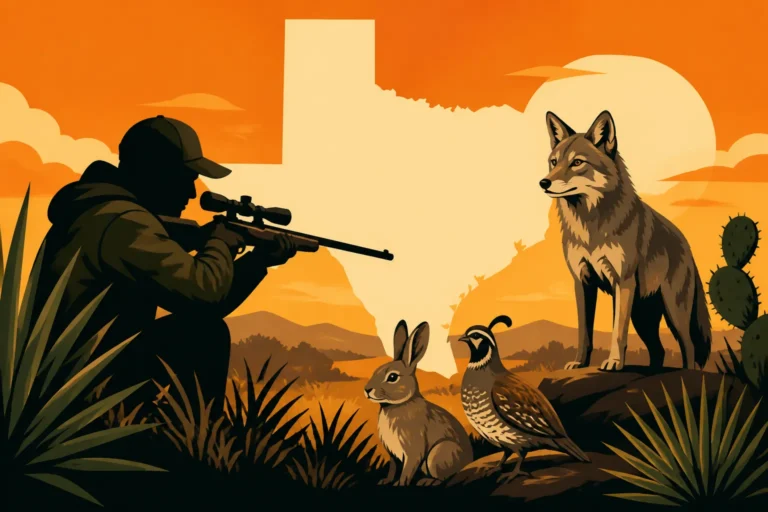
Blue quail thrive in the more arid, open country of West Texas, the Panhandle, and parts of the Rolling Plains. Unlike the bobwhite, who prefer dense cover, blue quail are perfectly adapted to the wide-open, often sparse landscapes. You'll find them navigating through mesquite and prickly pear flats, often near arroyos and dry creek beds. They're masters of blending into the dusty, sun-baked terrain, making them a challenging and rewarding bird to pursue. If you're hunting in the Trans-Pecos region, for example, you're squarely in prime blue quail territory. It's crucial to understand these regional preferences when you're scouting, as simply looking for "quail" across the whole state won't necessarily lead you to the blue varieties.
How to Identify Blue Quail
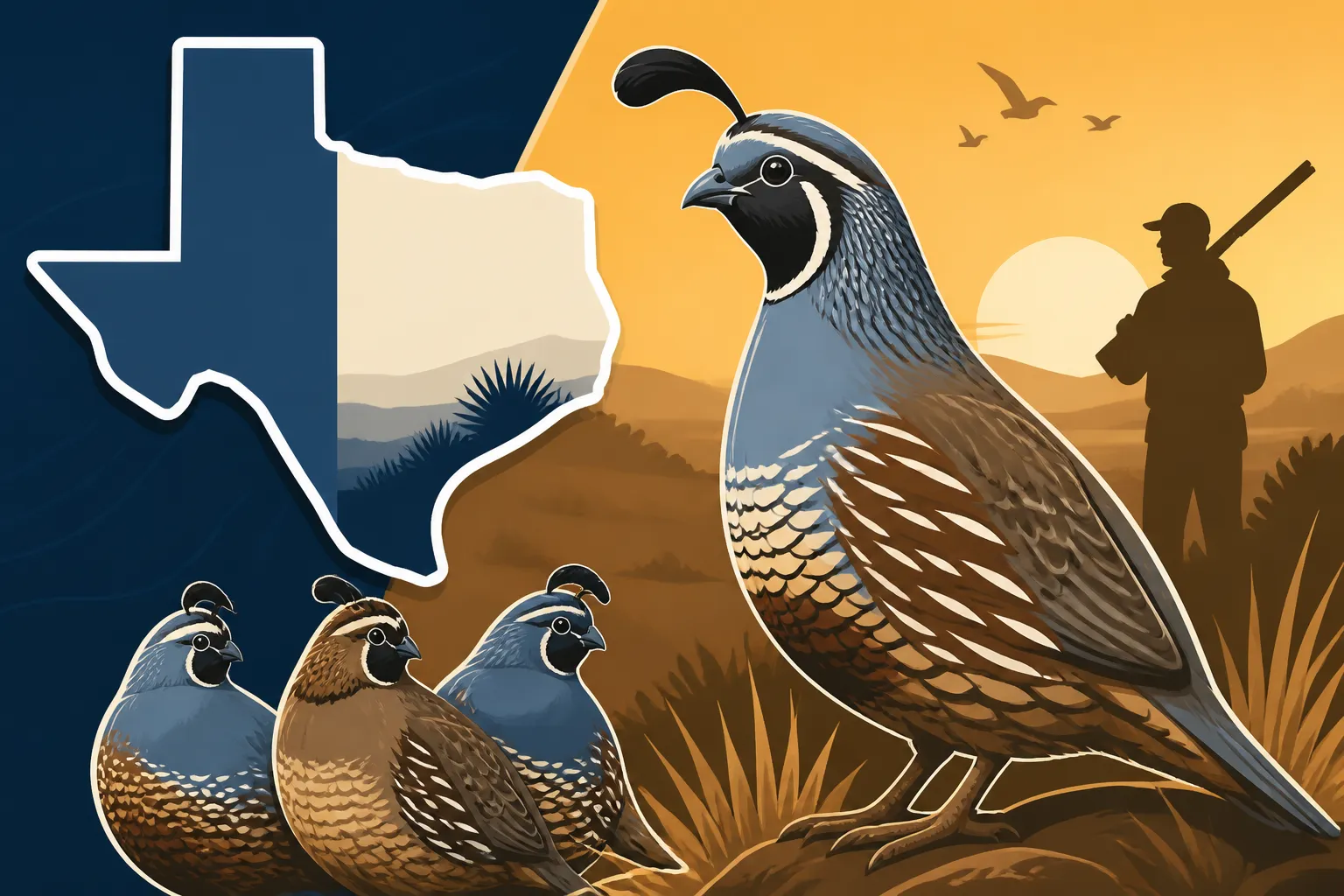
Identifying blue quail is relatively straightforward once you know what to look for, but it's important to be sure, especially when bag limits can apply to combined species. Blue quail have a distinct gray-blue plumage on their body, which gives them their common name, and the "scaled" appearance comes from the dark edges on their breast and belly feathers. They also have a short, erect plume or crest on top of their head, usually brown or reddish. In contrast, bobwhites are smaller, have a much more mottled brown appearance, and typically feature a bold white throat and eye stripe on males. Knowing these visual cues will prevent you from accidentally harvesting the wrong species, which could impact your legal bag. It’s a good idea to spend time studying the photos in the Texas Outdoor Annual before you head out.
Their Unique Behavioral Characteristics
Blue quail are notorious for their preference to run rather than fly when flushed, earning them the nickname "roadrunners" among some hunters. This behavior significantly impacts how you hunt them. When a covey flushes, it's often a spectacular explosion of birds, but many will immediately hit the ground running, making follow-up shots tricky. Their coveys tend to be larger than bobwhite coveys, sometimes numbering dozens of birds. They often travel in tight groups, especially in cooler weather, providing a real test of a hunter's reflexes and dog's pointing ability. Hunting them often involves a lot more walking and strategic positioning to anticipate their running patterns. Knowing this makes for a better hunting experience and helps you choose the right tactics. For instance, a fast-working bird dog is invaluable when pursuing blue quail that would rather sprint than take to the air.
Texas Blue Quail Season Dates
One of the biggest headaches for Texas hunters is keeping up with season dates, especially when they can vary by species or zone. Thankfully, for blue quail, the season is generally consistent across their range, aligning with other popular quail species.
The General Season Overview
In Texas, the general blue quail season typically runs from the last Saturday in October through the last Sunday in February. This consistent period usually means you can hunt blue quail, bobwhite quail, and scaled quail (which are blue quail) concurrently, simplifying planning for multi-species quail hunts. This long season offers ample opportunity, stretching from the cooler fall months right into late winter, allowing hunters to experience different conditions and bird behaviors. Whether you prefer the crisp air of November or the mild days of February, the season provides flexibility. Always double-check the most current Texas Quail Season Dates & Limit information in the official Outdoor Annual from Texas Parks and Wildlife Department (TPWD) each year, as minor changes can occur. Many hunters rely on resources like the GoHunt app to stay up-to-date on these dates and regulations.
Youth-Only Season Opportunities
Texas is fantastic about providing opportunities for our younger hunters, and blue quail are no exception. There's often a special youth-only quail season that takes place a week or two before the general season opens. This exclusive period allows young hunters, typically 16 years of age and younger, to experience hunting without the pressure of competing with adult hunters. It's a prime chance for mentors to introduce the sport in a relaxed environment, focusing on safety, ethics, and the thrill of the chase. These youth hunts are instrumental in fostering the next generation of conservationists and hunters. Check the Texas Youth Hunting Weekend Dates for the specific timing each year. These dates are typically well-advertised by TPWD and offer a wonderful family experience.
Comparing with Bobwhite Quail Season
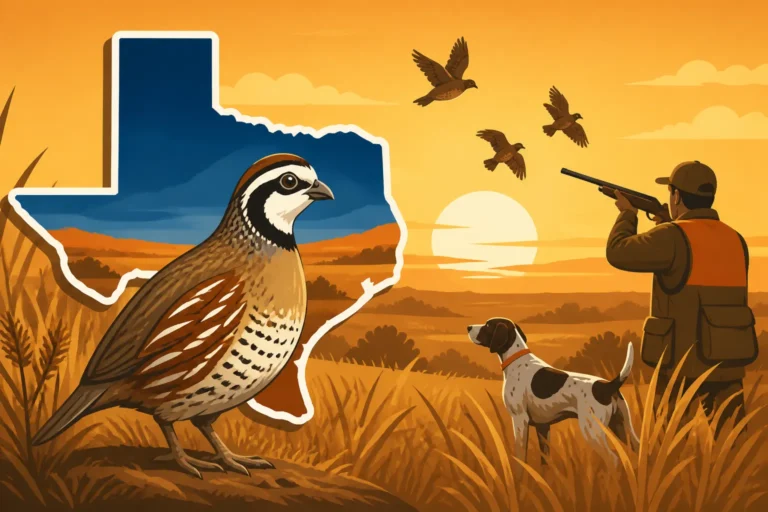
For the most part, the blue quail season runs concurrently with the bobwhite quail season across Texas. This is a huge convenience for hunters, as it means you don't have to juggle different opening and closing dates for the two primary quail species. If you're hunting in an area like the Rolling Plains, where both species might be present, you can pursue both simultaneously within the same bag limits. This combined season makes planning your quail hunt much simpler, allowing you to focus on finding birds rather than constantly referencing a calendar for separate species. However, it's always good practice to confirm the specific dates for each species in the official regulations, just to be absolutely certain there haven't been any unusual changes in a particular year.
Texas Blue Quail Bag and Possession Limits
Understanding bag and possession limits is non-negotiable for ethical and legal hunting. For blue quail, these limits are generally combined with other quail species, reflecting a broader management approach to Texas's diverse quail populations.
Daily Bag Limit for Quail
The daily bag limit for quail in Texas is a combined total of 15 birds. This means that regardless of whether you harvest blue quail, bobwhite quail, or a mix of both, you cannot exceed 15 birds in a single day. It's not 15 blue quail plus 15 bobwhites; it's 15 total for all quail species combined. This limit encourages responsible harvesting and helps manage populations effectively across the state. Respecting this limit is paramount, not just for legal compliance but for ensuring sustainable hunting opportunities for years to come. Think of it as a shared resource that we all have a hand in preserving.
Possession Limit Regulations
Beyond the daily bag, there's also a possession limit, which dictates the maximum number of legally taken game birds you can have in your possession at any given time, including those stored at home. For quail in Texas, the possession limit is 45 birds. This limit is typically three times the daily bag limit. This allows hunters to accumulate birds over several hunting trips, which is especially helpful if you're traveling from a distance and want to make the most of your time in the field. However, remember that all birds in your possession, whether fresh from the field or frozen in your freezer, count towards this 45-bird total. If you process your birds, leaving a "trace" of species identity (like a wing or head) is often required until you reach your final destination to prove compliance.
How Blue Quail Count Towards Combined Limits
As mentioned, blue quail are part of the "quail" category, which includes bobwhite and scaled (blue) quail. Therefore, the 15 daily and 45 possession limits apply to any combination of these species. For instance, if you shoot 10 blue quail and 5 bobwhites, you've hit your daily bag limit of 15. You can't then go out and shoot more bobwhites on the same day. This combined limit simplifies regulation but places the responsibility on the hunter to correctly identify their birds and keep an accurate tally throughout the day. Using an app like GoHunt can help you track your harvest against these limits, providing peace of mind while you're focused on the hunt.
Here's a quick overview of the limits:
| Quail Species | Daily Bag Limit (Combined) | Possession Limit (Combined) | Typical Season Dates | Primary Range in Texas |
|---|---|---|---|---|
| Blue Quail | 15 | 45 | Last Sat Oct – Last Sun Feb | West TX, Panhandle, Rolling Plains |
| Bobwhite Quail | 15 | 45 | Last Sat Oct – Last Sun Feb | East, Central, South TX, Rolling Plains |
| Note: Limits apply to all quail species combined. |
Essential Regulations and Best Practices for Quail Hunting
Beyond just season dates and bag limits, there are other crucial regulations and best practices that every responsible blue quail hunter in Texas should be aware of. These ensure a safe, legal, and ethical hunting experience for everyone.
Hunter Education and License Requirements
First and foremost, you can't hit the field without the proper documentation. Most hunters in Texas need a valid Texas Hunting License: Cost, Types & How to Buy (2026). If you were born on or after September 2, 1971, you generally must also have successfully completed a hunter education course. This course covers essential topics like firearm safety, wildlife identification, hunting ethics, and game laws, ensuring that hunters are well-prepared and responsible. There are exceptions for those hunting on their own land or accompanied by a licensed hunter, but it's always best to err on the side of caution and get certified. This isn't just a hoop to jump through; it genuinely makes you a safer, more informed hunter.
Common Blue Quail Hunting Methods
Hunting blue quail is an active pursuit! Since they prefer to run, successful hunting often involves covering a lot of ground, typically with a good bird dog. Dogs are invaluable for locating coveys, holding points, and retrieving downed birds, especially in thick brush where a running bird can quickly disappear. Walk-up hunting, where hunters walk in a line to flush birds, is common. Some hunters use vehicles to cover ground and locate coveys, then dismount and work their dogs. Shotguns, usually in 12 or 20 gauge with smaller shot sizes (like 7.5 or 8), are the firearm of choice due to the fast-flushing nature of these birds. The key is often patience and persistence, as you might need to follow a running covey multiple times to get a good shot opportunity. These tactics can be explored further in a detailed guide on Quail Hunting in Texas: Bobwhite & Blue.
Conservation Efforts for Quail Populations
Quail populations, including blue quail, can fluctuate significantly year to year, largely due to habitat conditions and weather patterns, especially rainfall. Prolonged droughts can decimate quail numbers, while years with good rainfall often lead to booming populations. TPWD and various conservation groups actively monitor quail populations and conduct research to understand these dynamics. Landowners play a vital role in quail conservation through habitat management practices, such as brush control, prescribed burning, and native plant restoration. Ethical hunting practices, including adhering to bag limits and promoting responsible land stewardship, are also crucial components of ensuring healthy quail numbers for future generations. Resources like the GoHunt platform often feature articles and data related to game populations, which can be invaluable for understanding the health of the species you're pursuing.
Planning Your Blue Quail Hunt
A successful blue quail hunt isn't just about showing up; it's about smart planning. From scouting to gear, every detail can enhance your experience in the field.
Scouting for Blue Quail Success
Effective scouting is paramount when hunting blue quail. Unlike deer that might leave obvious tracks or rub signs, quail require a different approach. Focus on areas with good cover like mesquite thickets, prickly pear, or sparse brush, especially near water sources—even dry washes can be productive. Listen for their distinctive calls, particularly in the early morning or late evening. Driving slowly down dirt roads and watching for birds dusting or running across can also reveal their presence. Using mapping apps like onX Hunt can help you identify potential habitat and access points, especially if you're exploring public lands or a new lease in the Panhandle or Trans-Pecos regions. Look for areas described in Panhandle & Trans-Pecos Hunting in Texas for prime opportunities.
Recommended Gear for Blue Quail Hunting
Blue quail hunting is often demanding, involving lots of walking in challenging terrain. Here's a breakdown of what you'll want:
- Footwear: Sturdy, comfortable snake boots are a must in Texas brush country. You'll be covering miles, and protecting yourself from snake bites is crucial.
- Clothing: Lightweight, durable brush pants or chaps are essential to protect your legs from thorns and briars. Early season hunts might call for light, breathable camo or earth-toned clothing, while late season may require warmer layers.
- Shotgun & Ammo: A 12 or 20 gauge shotgun with improved cylinder or modified choke is ideal for fast-flying quail. Load up with 7.5 or 8 shot.
- Bird Dog: As discussed, a well-trained bird dog is arguably the most valuable piece of "gear" for blue quail.
- Water & Hydration: Texas weather, even in winter, can be surprisingly warm. Carry plenty of water for yourself and your dog.
- Game Vest/Bag: A comfortable vest with a large game bag will make carrying your birds and extra shells much easier.
- Navigation: A GPS device or a reliable hunting app on your phone is vital for staying oriented, marking covey locations, and avoiding private property boundaries.
- Eye & Ear Protection: Non-negotiable for safety.
Weather Considerations for Your Hunt
Texas weather is notoriously unpredictable, and it plays a huge role in quail behavior.
- Temperature: Blue quail are generally more active and responsive to calls in cooler weather. On hot days, they might hunker down in dense shade, making them harder to find. Conversely, extremely cold, windy days can also make them less active.
- Rainfall: Good rainfall in the spring and summer usually translates to better forage and insect populations, leading to stronger quail hatches and higher numbers in the fall. Years of drought can lead to very poor hunting. Always keep an eye on rainfall predictions for your hunting area.
- Wind: High winds can make it difficult for dogs to scent birds and can make birds even more prone to running silently. Try to hunt on calmer days for better results.
Understanding these factors and adjusting your plans accordingly will significantly improve your chances of a successful and enjoyable blue quail hunt. Don't forget to review Texas Hunting Seasons: Complete Calendar by Species to plan around optimal weather and season dates for all your pursuits.
Disclaimer
Please note that hunting regulations, season dates, and bag limits are subject to change by the Texas Parks and Wildlife Department. This article is intended for informational purposes only and should not be considered a substitute for reading the most current official Texas Outdoor Annual and other legal hunting proclamations. Always consult the official TPWD resources before heading into the field to ensure full compliance with all applicable laws and regulations.