Texas Game Animals: What You Can Hunt
Navigating the vast world of hunting in Texas can feel overwhelming, especially when you're trying to figure out exactly what you can legally and ethically pursue across this immense state. From the tiny doves to the majestic white-tailed deer, Texas boasts an incredible array of huntable species, each with its own season, regulations, and unique challenges. This guide is designed to demystify the rich tapestry of Texas game animals, offering a comprehensive look at the diverse species that call the Lone Star State home and what you need to know before you head afield.
Understanding Texas Game Animals: A Vast and Diverse Landscape
Texas is an ecological crossroads, a place where deserts meet forests, and plains flow into coastal marshes. This incredible diversity in habitats means an equally diverse population of wildlife, offering hunters a smorgasbord of opportunities unmatched in many other states. But with such bounty comes the responsibility of understanding the rules and definitions that govern what we pursue.
Defining "Game Animal" in Texas
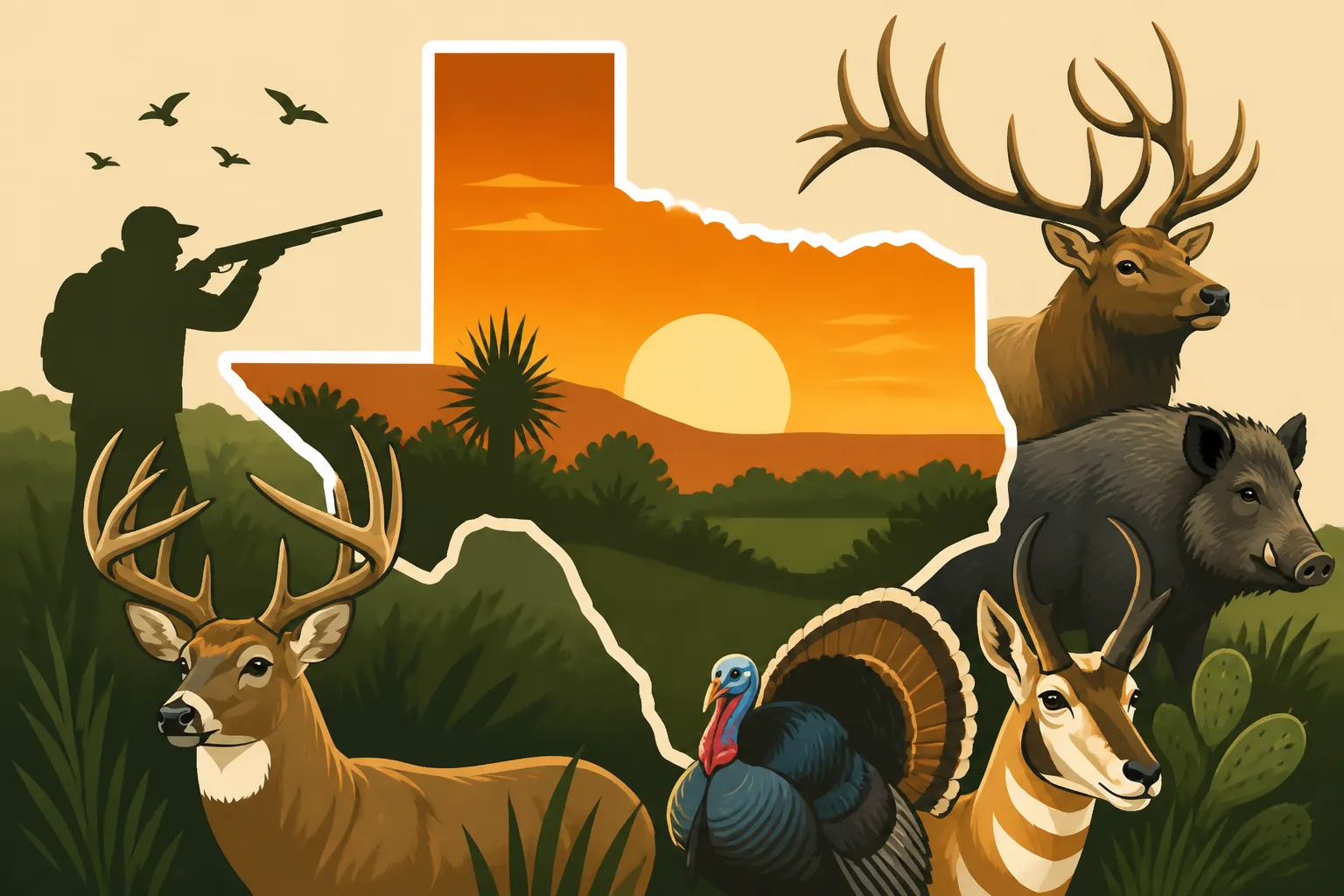
When we talk about "game animals" in Texas, we're not just throwing around a casual term. The Texas Parks and Wildlife Department (TPWD) has specific legal definitions for what constitutes a game animal, and these definitions dictate seasons, bag limits, and licensing requirements. Broadly, game animals include various species of deer, turkey, quail, dove, migratory waterfowl, and even some exotics. Non-game animals, on the other hand, often include pests or predators like feral hogs and coyotes, which typically have fewer restrictions and no closed season, primarily due to their impact on native ecosystems and agriculture. This distinction is crucial because it directly influences your hunting strategy and what licenses you'll need. Always consult the latest Texas Outdoor Annual to stay current, as regulations can and do change.
Importance of Wildlife Management
Hunting isn't just about bagging an animal; it's a vital component of wildlife management and conservation in Texas. The revenue generated from hunting licenses and tags, along with federal excise taxes on hunting equipment, directly funds critical conservation efforts, habitat restoration, and scientific research. For instance, the management of species like white-tailed deer involves setting appropriate bag limits and seasons, often tailored to specific regions or even individual counties, to ensure healthy populations and sustainable harvesting. Without sound management, based on biological data and ethical practices, the abundant wildlife we cherish could quickly decline. This scientific approach helps maintain ecological balance and ensures that future generations can enjoy the same incredible hunting opportunities we have today.
Big Game Hunting: The Iconic Pursuits
When most folks think of big game hunting in Texas, a few iconic species immediately spring to mind. These animals represent a significant challenge and reward, drawing hunters from across the state and beyond.
White-tailed Deer: The Lone Star Staple
There's no denying it: the white-tailed deer is king in Texas. With an estimated population of over 4 million, these adaptable creatures thrive across nearly every corner of the state, from the dense South Texas brush country to the rolling hills of the Edwards Plateau and the pine forests of East Texas. Hunters often dream of harvesting a mature buck with impressive antlers, making whitetail season a highly anticipated event. The sheer variety of habitats means that tactics for White-Tailed Deer Hunting Tactics for Texas can vary widely, from hunting over feeders in South Texas to still-hunting through creek bottoms in the Hill Country.
Texas is renowned for producing trophy-class bucks, particularly in regions like the Golden Triangle (Webb, La Salle, and Dimmit counties). However, even in less famous areas, careful scouting and proper management can lead to fantastic opportunities. Remember, Texas has specific Texas Antler Restrictions: 13-Inch Rule & Counties in many counties, designed to improve the age structure of the buck population and ensure hunters pass on younger deer to grow. Understanding these rules is paramount to a legal and ethical hunt. The excitement of tracking a whitetail, interpreting its movements, and finally making a successful harvest is a deeply ingrained tradition for countless Texans.
Mule Deer: West Texas Giants
While white-tailed deer dominate most of the state, head west to the Panhandle and Trans-Pecos regions, and you'll encounter the magnificent mule deer. These impressive animals are significantly larger than their whitetail cousins, with characteristically large ears that resemble a mule's, and antlers that typically fork rather than branching from a single main beam. Mule deer inhabit rugged, open country, making their pursuit a test of endurance, glassing skills, and strategic spot-and-stalk hunting. The landscapes they call home are vast and awe-inspiring, adding to the grandeur of the hunt.
Hunting mule deer often means covering significant ground, whether on foot across vast rangelands or from a high vantage point with quality optics, patiently scanning distant hillsides for movement. Mule Deer Hunting in Texas: Panhandle & Trans-Pecos is a different ballgame than whitetail hunting, requiring specialized gear and a willingness to embrace the challenging terrain. Their elusive nature and the sheer scale of their habitat make harvesting a mule deer a truly unforgettable experience, a testament to the hunter's skill and perseverance in a wild and untamed part of Texas.
Pronghorn Antelope: Speedsters of the Plains
Out on the open plains of the Trans-Pecos and Panhandle, you'll find another iconic Texas game animal: the pronghorn antelope. Often mistakenly called an antelope, these incredible creatures are actually unique to North America and are the fastest land mammals on the continent. Their exceptional eyesight and blistering speed make them incredibly challenging to hunt. Pronghorn thrive in vast, treeless grasslands, relying on their keen senses to detect predators from a distance.
Hunting pronghorn typically involves extensive glassing from elevated positions, using powerful binoculars or spotting scopes to locate herds across miles of open terrain. Once a suitable buck is identified, the challenge becomes devising a successful stalk across flat, exposed ground. This often means crawling for long distances, utilizing every subtle fold in the landscape for cover, a true test of stealth and patience. Permits for pronghorn are usually limited and allocated through a draw system, making a successful draw a coveted opportunity for a truly unique Texas hunting adventure.
Bighorn Sheep (Desert Bighorn): A Conservation Success
The desert bighorn sheep is a true jewel of the Trans-Pecos mountains, representing one of Texas's most significant conservation success stories. Once extirpated from the state by the early 20th century, dedicated conservation efforts, including reintroduction programs and habitat improvements, have brought these magnificent animals back from the brink. Today, healthy populations of desert bighorn roam the rugged mountains of West Texas, a testament to what focused wildlife management can achieve.
Hunting desert bighorn is an extremely rare and prestigious opportunity, with permits almost exclusively allocated through conservation auctions or limited public drawings. It's a grueling, physically demanding hunt in some of the most remote and challenging terrain in Texas. Hunters pursuing bighorn sheep face steep climbs, extreme weather conditions, and the need for exceptional fitness and outdoor skills. The reward, however, is not just the animal itself, but the profound experience of being immersed in one of Texas's wildest landscapes and participating in a hunt that symbolizes a triumph of conservation.
Exotic Game Animals: A Unique Texas Hunting Experience
Texas is famously known as the "Exotic Hunting Capital of the World," a distinction born from decades of private landowners introducing non-native species. These animals, often from Africa or Asia, thrive in various Texas environments, providing year-round hunting opportunities with diverse challenges and flavors.
Axis Deer: The Spotted Delicacy
Among the most popular and widespread exotic species in Texas is the axis deer, originally from India. Known for their striking spotted coats and impressive antlers, axis deer have established free-ranging populations in several parts of the state, particularly in the Texas Hill Country and South Texas. Beyond their beauty, axis deer are highly prized for their venison, which many consider to be the finest wild game meat available. Their delicious meat and challenging nature make them a favorite among hunters.
Unlike native deer, axis deer don't have a specific rutting season tied to daylight hours; instead, they can breed year-round, making them a fantastic option for hunters looking for opportunities outside the traditional fall and winter seasons. This means you can find How to Hunt Axis Deer Year-Round any month of the year. Hunting methods often involve glassing open fields at dawn and dusk, stalking through cedar breaks, or hunting over water sources and protein feeders. Their keen senses and natural wariness make them a formidable quarry, requiring patience and skill to approach within shooting range.
Aoudad Sheep: Rugged Mountain Challenges
If you're looking for a truly rugged and physically demanding hunt in Texas, the aoudad sheep (also known as Barbary sheep) might be just what you need. Native to North Africa, these tough, sure-footed sheep have found a perfect home in the precipitous canyons and mountains of the Trans-Pecos region, as well as in some parts of the Hill Country. Their impressive horns, which sweep backward in a formidable arc, make them a highly sought-after trophy.
Hunting aoudad is not for the faint of heart. It often involves long, arduous hikes up steep, rocky terrain, frequently under harsh sun or cold winds. Spot-and-Stalk Aoudad in West Texas is the primary method, demanding exceptional physical conditioning, determination, and precise long-range shooting skills. These animals are incredibly wary and blend seamlessly into their rocky surroundings, making them difficult to spot and even harder to approach. A successful aoudad hunt is a hard-earned achievement, a testament to a hunter's grit and perseverance in some of Texas's wildest country.
Blackbuck Antelope: Graceful Spirals
The blackbuck antelope, another beautiful import from India, adds a touch of exotic grace to the Texas landscape. Males are easily identifiable by their striking black and white coats and magnificent spiral horns that can reach impressive lengths. Females and younger males are typically lighter brown. Blackbuck are most commonly found on private ranches across the Hill Country and South Texas, where they thrive in open grasslands with scattered brush for cover.
Blackbuck are incredibly agile and fast, making them a challenging target. They have excellent eyesight and are always on alert, often seen bounding across open fields at impressive speeds. Hunting often involves spot-and-stalk tactics, trying to close the distance without being detected by their keen senses. Their elegance and the beauty of their horns make them a highly prized exotic trophy for many hunters.
Nilgai: The Blue Bull of the Coast
For a truly unique big game experience, head to the vast ranches of the South Texas brush country and the coastal plains, where you can pursue the nilgai, also known as the "blue bull." These large, ox-like antelope from India are the largest Asian antelope and can weigh upwards of 600 pounds. Males are a distinctive steel-blue-gray, hence their nickname, and possess short, stout horns. Their incredibly tough hide and powerful build mean they are notoriously difficult to bring down, requiring heavy calibers and precise shot placement.
Nilgai are exceptionally wary and thrive in dense brush, making them challenging to hunt. They often require extensive tracking, and their tough demeanor means a follow-up shot is frequently necessary. Harvesting a nilgai is a test of a hunter's skill, patience, and equipment. The meat is lean and delicious, often compared to high-quality beef, making it a culinary treat as well as a hunting adventure.
Other Notable Exotics (Fallow, Sika, Red Stag)
The variety of exotic game in Texas truly is astounding. Beyond axis, aoudad, blackbuck, and nilgai, many private ranches also offer hunting for a host of other species, providing year-round opportunities and diverse challenges.
- Fallow Deer: These beautiful deer, originally from Europe, come in a variety of color phases (common, white, menil, and black) and are famous for the palmated antlers of the bucks. They are often found in park-like settings and can be quite skittish.
- Sika Deer: Hailing from East Asia, sika deer are smaller but incredibly hardy. They possess a unique bugle and are known for their challenging hunting due to their elusive nature and preference for dense cover. Their meat is highly regarded.
- Red Stag: The majestic red stag, a European cousin to the North American elk, offers a truly regal hunting experience. These large, powerful animals are known for their impressive antlers and deep, resonant roars during the rut. Hunting them can be like pursuing elk, demanding stealth and a good understanding of their behavior.
This incredible array of exotics means that Texas offers something for every hunter, whether you're looking for a new challenge, year-round hunting, or simply a chance to experience something different. Remember, most exotic species can be hunted without the traditional seasons or bag limits that apply to native game animals, but a valid hunting license is still required. For a deeper dive, check out this guide on Exotic Hunting in Texas: Axis, Aoudad, Blackbuck & More.
Feral Hogs and Javelina: The Ever-Present Opportunities
No discussion of Texas game animals would be complete without talking about feral hogs and javelina. While one is a notorious nuisance and the other a native species, both offer unique hunting experiences across much of the state.
Feral Hogs: A Year-Round Pursuit
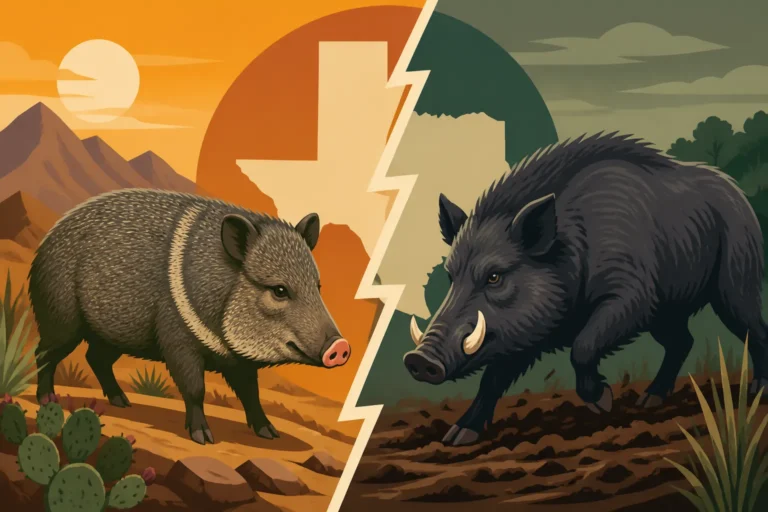
Feral hogs are, without a doubt, the most ubiquitous and often problematic wild animals in Texas. Descendants of domesticated pigs introduced centuries ago, these intelligent and highly destructive creatures are found in all 254 counties. Their prolific breeding, aggressive rooting behavior, and impact on native wildlife and agricultural crops make them a serious concern. Because of their invasive nature and the damage they cause, feral hogs are classified as a non-game animal in Texas, meaning there's no closed season, no bag limit, and no license required for landowners (or those with landowner consent) to hunt them on private property. For others, a hunting license is required.
This lack of restrictions makes feral hog hunting a year-round sport, providing incredible flexibility for hunters. Feral Hog Hunting in Texas: Year-Round Guide details the many ways to pursue these animals. Common methods include hunting over feeders, stalking agricultural fields, using thermal and night vision equipment, and even trapping. The thrill of hunting a large, wild boar is undeniable, and their meat, when properly handled, can be quite delicious. The challenge lies in their intelligence and adaptability, making them a worthy adversary for any hunter.
Javelina: South Texas's Peccary
Often mistaken for small feral hogs, javelina (also known as collared peccaries) are a completely different species, native to the arid and semi-arid regions of South and West Texas. These small, pig-like mammals are social animals, typically found in herds, and are characterized by their coarse, grizzled hair, short tusks, and a distinctive musk gland. They primarily feed on cacti, roots, and insects, playing a unique role in their ecosystem.
Javelina are considered a game animal in Texas, meaning they have specific hunting seasons and bag limits, which vary by zone. Hunting javelina often involves locating herds by scent or sight in dense brush country, then trying to get close enough for a shot. They can be surprisingly elusive, melting into the thorny cover with remarkable speed. They offer a challenging and fun hunt, particularly for those looking to experience the unique wildlife of South Texas.
Upland Game Birds: Feathers and Fast Action
For many hunters, the sound of wings flushing from cover or the distinctive gobble of a turkey signals the start of an exciting day afield. Texas offers fantastic opportunities for upland game bird hunting, each with its own traditions and thrills.
Quail: Bobwhites and Blues
Quail hunting is a cherished tradition in Texas, conjuring images of pointing dogs, covey flushes, and crisp autumn mornings. The state is home to two primary species: the northern bobwhite quail and the scaled (blue) quail.
- Bobwhite Quail: These iconic birds, known for their distinctive "bob-white" call, are primarily found in the Rolling Plains, South Texas brush country, and parts of East Texas. They prefer grasslands with scattered woody cover. Bobwhite hunting is often done with well-trained bird dogs that locate and point coveys, providing explosive flushes and challenging wing shooting. The fluctuating populations, often tied to rainfall and habitat quality, make a good bobwhite year a true blessing.
- Scaled Quail (Blue Quail): Found in the more arid Trans-Pecos, Panhandle, and western Edwards Plateau, blue quail are larger and often run more than they fly, giving them the nickname "blue runners." They prefer open, thorny country with sparse vegetation. Hunting blue quail can be a fast-paced affair, often involving tracking running birds and taking quick shots as they eventually flush.
Regardless of the species, Quail Hunting in Texas: Bobwhite & Blue provides a thrilling experience, testing a hunter's shooting skills and offering the rewarding companionship of bird dogs.
Turkey: Rio Grandes and the Elusive Eastern
Texas is a turkey hunting paradise, boasting healthy populations of two subspecies: the Rio Grande turkey and the much rarer Eastern turkey.
- Rio Grande Turkey: By far the most common and widespread, Rio Grandes are found across the western two-thirds of the state, from the Hill Country to the Panhandle and South Texas. Spring turkey season, when gobblers are actively displaying and breeding, is an electrifying time to hunt. Calling in a strutting tom, mimicking hens or jakes, is an art form, requiring patience, stealth, and a keen ear. Rio Grande Turkey Hunting in Texas is a right of passage for many Texas hunters, offering an incredibly interactive and rewarding experience.
- Eastern Turkey: The elusive Eastern turkey occupies a small, forested niche in the Pineywoods region of East Texas. These birds are notoriously difficult to hunt, preferring dense timber and often being more wary than their Rio Grande cousins. Eastern turkey hunting is a test of woodsmanship, requiring deep penetration into their habitat, precise calling, and immense patience for a chance at one of these rare birds. The bag limits for Easterns are typically very restrictive, often just one gobbler per season.
Whether you're chasing the boisterous Rio Grandes or the ghost-like Easterns, turkey hunting in Texas offers a deeply immersive and challenging experience.
Dove: The September Tradition
For many Texans, September 1st isn't just another date on the calendar; it's practically a holiday – the opening day of dove season. Dove hunting is an annual ritual, a social event that brings friends and family together in fields across the state. Texas is a major migration corridor for mourning doves, white-winged doves, and whitewings, making it one of the best places in the country to hunt these fast-flying birds.
- Mourning Doves: The most widespread dove species, mourning doves are known for their distinctive coo and erratic flight patterns. They are found across the entire state.
- White-winged Doves: Originally more concentrated in South Texas, white-winged doves have expanded their range northward and are now common throughout many urban and agricultural areas. They are slightly larger than mourning doves and often fly in larger flocks.
Dove Hunting in Texas: The Sept 1 Opener Guide is where countless hunters dust off their shotguns, gather their gear, and head to sunflower fields, milo fields, or water tanks. The action can be fast and furious, demanding quick reflexes and good shooting skills. It's a fantastic way to introduce new hunters to the sport due to the high volume of birds and often less demanding physical requirements.
Migratory Game Birds & Waterfowl: Skies Full of Opportunity
Texas's position on the Central Flyway makes it a crucial wintering ground and migration route for a spectacular array of migratory birds, offering world-class waterfowl and sandhill crane hunting.
Ducks and Geese: Texas's Winter Visitors
As winter approaches, the skies over Texas fill with ducks and geese migrating south from their northern breeding grounds. From the vast coastal marshes and bays to the flooded rice fields and playa lakes, Texas offers incredibly diverse waterfowl hunting opportunities. Species like mallards, pintails, green-winged teal, wigeon, and gadwall are common, alongside various species of geese, including snow geese, specklebellies (greater white-fronted geese), and Canada geese.
Duck & Waterfowl Hunting in Texas involves a variety of setups: camouflaged blinds in marshes, spreads of decoys in flooded fields, or layout blinds in dry fields for geese. Success often depends on scouting, understanding bird behavior, and the ability to call birds into range. A federal duck stamp and a Texas migratory game bird endorsement are required, along with HIP certification, to hunt these species. The vibrant action and the beauty of a sunrise over a marsh full of working birds make waterfowl hunting an unforgettable experience.
Sandhill Cranes: The "Ribeye in the Sky"
Often called the "ribeye in the sky" for their incredibly flavorful meat, sandhill cranes offer a unique and challenging migratory bird hunt in Texas. These large, graceful birds with their distinctive bugling calls are found primarily in the Panhandle, Rolling Plains, and western parts of the state during the fall and winter. Hunting sandhill cranes typically involves setting up large decoy spreads in agricultural fields where they feed, often alongside geese, and calling them into shotgun range.
A special permit, in addition to the standard hunting license and migratory bird endorsements, is required for sandhill cranes. Their large size, strong flight, and wary nature make them a true test for shotgunners. The reward, however, is not just the thrill of the hunt but also the exquisite table fare they provide, living up to their "ribeye" moniker. Sandhill Crane Decoy Setup in Texas is a specialized skill, often requiring specific equipment and knowledge to consistently bring these majestic birds within range.
Small Game and Predators: Diverse Hunting Options
Beyond the big game and game birds, Texas offers a variety of small game and predator hunting opportunities that can be just as exciting and often more accessible.
Squirrels and Rabbits: Classic Country Hunting
For many, hunting squirrels and rabbits is where their passion for the outdoors began. These abundant small game animals provide excellent opportunities for beginners and seasoned hunters alike, often without the need for extensive gear or long trips.
- Squirrels: Texas is home to several squirrel species, including fox squirrels and gray squirrels. They are primarily found in wooded areas, particularly in East and Central Texas. Squirrel hunting is a fantastic way to hone woodsmanship skills, practice patience, and enjoy a peaceful day in the timber. It's also a great way to introduce young hunters to the sport, as success is often achievable.
- Rabbits: Cottontail rabbits and jackrabbits are common across much of the state, inhabiting grasslands, brush country, and agricultural edges. Rabbit hunting can be a fast-paced affair, whether walking up rabbits in dense cover or targeting jackrabbits with a .22 in open fields. Both offer delicious table fare and provide excellent year-round hunting options.
These small game pursuits offer a low-pressure, high-fun way to connect with nature and put some wild meat on the table.
Coyotes and Bobcats: Predator Control and Sport
For those interested in predator hunting, Texas offers abundant opportunities for coyotes and bobcats. These animals are often hunted for recreation, fur, and critically, for predator control, as they can significantly impact livestock and game animal populations.
- Coyotes: These adaptable canids are found throughout Texas and are highly intelligent. Coyote hunting can be done during the day or night, often using distress calls to lure them into range. Night hunting with thermal or night vision optics is a popular and effective method, especially for those looking to experience the thrill of hunting under the stars.
- Bobcats: With their distinctive spotted coats and short, "bobbed" tails, bobcats are elusive and challenging predators to hunt. They prefer areas with dense cover and are often pursued using predator calls or with the aid of dogs. A successful bobcat hunt is a testament to a hunter's stealth and calling prowess.
Predator hunting provides an intense, strategic challenge and contributes to overall wildlife management by helping to balance populations. There are no closed seasons or bag limits on either coyotes or bobcats, offering year-round opportunities.
Key Regulations and Licensing: What Every Hunter Needs to Know
Understanding the rules is just as important as knowing what you can hunt. Texas has a comprehensive set of regulations designed to ensure sustainable hunting and public safety.
Texas Hunting License Requirements
Before you even think about heading out into the field, you must have the appropriate licenses and endorsements. Almost all hunting in Texas requires a valid Texas Hunting License: Cost, Types & How to Buy (2026). There are different license types for residents and non-residents, youth, and seniors. The most common is the annual hunting license, often purchased as part of a Super Combo package, which includes hunting, fishing, and freshwater/saltwater endorsements.
In addition to your general hunting license, you might need specific endorsements:
- Migratory Game Bird Endorsement: Required for hunting doves, ducks, geese, sandhill cranes, and other migratory birds. This also includes federal HIP (Harvest Information Program) certification.
- Federal Duck Stamp: An annual federal stamp is required for anyone 16 years of age or older to hunt ducks, geese, and other migratory waterfowl.
- Archery Endorsement: If you plan to hunt during the early archery-only white-tailed deer season or pursue other game with a bow and arrow.
- Muzzleloader Endorsement: For hunting during special muzzleloader seasons.
Always ensure your license is current and you have all necessary endorsements for the species you intend to hunt. Hunting without the proper documentation can result in hefty fines and loss of privileges.
Seasons, Bag Limits, and Special Regulations
Texas hunting seasons are structured to ensure game populations remain healthy and sustainable. Most game animals have specific open and closed seasons, which vary by species and often by geographical zone (North, Central, South for deer and dove, for example). Texas Hunting Seasons: Complete Calendar by Species outlines these dates. Bag limits dictate the maximum number of animals you can harvest per day or per season, again varying by species and location. For instance, white-tailed deer often have county-specific bag limits and antler restrictions.
Beyond seasons and limits, other critical regulations include:
- Hunter Education: Most hunters born on or after September 2, 1971, must complete a hunter education course.
- Carcass Transport: Special rules apply to the transport of deer, elk, and other susceptible species harvested in CWD in Texas: Zones, Rules & Carcass Transport to prevent the spread of Chronic Wasting Disease.
- Public vs. Private Land: Hunting on private land requires landowner permission. Hunting on public lands (such as Wildlife Management Areas or National Forests) often requires an Annual Public Hunting Permit and may have additional rules or drawn hunt requirements.
- Method of Take: Regulations specify legal methods of take (e.g., archery, shotgun, rifle, muzzleloader), and some species or seasons may restrict certain methods.
Staying informed by regularly consulting the Texas Outdoor Annual, available online and at license vendors, is not just good practice, it's a legal requirement. Ignorance of the law is never an excuse.
| Game Animal Type | Primary Species | Typical Habitat | Hunting Challenge | Key Regulation Notes |
|---|---|---|---|---|
| Big Game | White-tailed Deer | Woodlands, brush, agricultural areas | Common, but trophy bucks challenging; antler restrictions | Seasonally regulated, county-specific bag limits & rules. |
| Mule Deer | Trans-Pecos mountains, Panhandle plains | Spot-and-stalk in open, rugged terrain; long shots | Seasonally regulated, permit/tag often limited. | |
| Pronghorn Antelope | Western plains and grasslands | Spot-and-stalk in open country; wary & fast | Seasonally regulated, permits typically by drawn hunt. | |
| Exotic Game | Axis Deer, Aoudad, Blackbuck, Nilgai | Vary by species (Hill Country, Coastal, Mtns) | Year-round, often challenging due to senses & terrain | No closed season/bag limits on private land (license still req'd). |
| Feral & Native | Feral Hogs | All 254 counties, diverse habitats | Destructive, highly intelligent, prolific | No closed season or bag limit; can be hunted year-round. |
| Javelina | South & West Texas brush country | Elusive in dense cover; social animals | Seasonally regulated, bag limits apply. | |
| Upland Birds | Bobwhite Quail, Scaled Quail | Grasslands, brushy areas | Fast-flying, explosive flushes; dog work often used | Seasonally regulated, daily and seasonal bag limits. |
| Rio Grande Turkey, Eastern Turkey | Rio Grandes (statewide), Easterns (East TX) | Calling in wary gobblers; specific seasons | Seasonally regulated, bag limits by zone/species. | |
| Mourning Dove, White-winged Dove | Agricultural fields, water sources | Fast-flying, high volume; social hunts | Seasonally regulated by zones, daily & possession limits. | |
| Migratory Birds | Ducks (Mallard, Pintail, Teal, etc.) | Coastal marshes, playas, flooded fields | Decoy spreads, calling; weather dependent | Seasonally regulated by zones, daily & possession limits, Fed Duck Stamp. |
| Geese (Snow, Specklebelly, Canada) | Open fields, coastal areas | Decoy spreads, layout blinds, calling | Seasonally regulated by zones, daily & possession limits, Fed Duck Stamp. | |
| Sandhill Cranes | Western agricultural fields | Wary, large birds; specific decoy spreads & calling | Seasonally regulated, special permit req'd, Fed Duck Stamp. | |
| Small Game | Squirrels (Fox, Gray) | Wooded areas, particularly East & Central TX | Patience, stealth; good for beginners | Seasonally regulated (fall/winter), daily bag limits. |
| Rabbits (Cottontail, Jackrabbit) | Grasslands, brush, agricultural edges | Fast-paced; year-round opportunity | No closed season or bag limit on private land; check county/public land rules. | |
| Predators | Coyotes, Bobcats | Statewide, diverse habitats | Calling, thermal hunting; impact management | No closed season or bag limit. |
Disclaimer
Please be aware that hunting regulations in Texas are subject to change. This guide is intended for informational purposes only and should not be considered a substitute for the official Texas Parks and Wildlife Department (TPWD) Outdoor Annual or direct consultation with TPWD resources. Always verify current regulations, seasons, and licensing requirements before engaging in any hunting activities.