Best Wild Game Meat in Texas (Ranked)
One of the most satisfying parts of a successful hunt isn't just the memory of the chase, but the incredible bounty of wild game meat that ends up on your dinner table. But with such a diverse array of species available across the Lone Star State, from the vast plains to the dense South Texas brush, a common question always arises: which wild game truly offers the best meat? This guide is dedicated to breaking down the most popular and delicious options, ranking them by flavor, tenderness, and versatility, helping you decide what to fill your freezer with next.
Understanding What Makes Wild Game Meat "The Best"
Before we dive into the rankings, it's important to understand that "best" can be subjective. What one person loves, another might find less appealing. However, there are some generally agreed-upon criteria that elevate certain game meats above others, especially when we're talking about flavor, texture, and how easy they are to cook.
Flavor Profile: The Taste Test
The flavor of wild game is often the most significant factor for hunters. Unlike farm-raised animals, wild game meat can have a much more pronounced, often described as "gamey," flavor. This isn't necessarily a bad thing; it speaks to the animal's natural diet, its activity level, and its environment. Some people love that robust, earthy taste, while others prefer a milder profile. The key is finding a balance that's pleasing to your palate. For instance, an animal that eats a lot of browse (leaves, twigs) might have a different taste than one that primarily consumes corn or protein pellets. This diet-driven flavor is why even within the same species, a deer from the Hill Country might taste different from one harvested in South Texas.
Tenderness and Texture
Beyond flavor, the tenderness and texture of the meat play a huge role in its appeal. No one wants to chew on a boot. Generally, younger animals tend to yield more tender meat than older ones, and certain cuts are naturally more tender than others. Proper field dressing, quick cooling, and skilled butchering also significantly impact tenderness. Factors like how long the meat is aged (or "hung") can also break down muscle fibers, resulting in a more tender product. For example, a quick cool-down, especially after a successful hunt in the hot Texas weather, is crucial to prevent souring and ensure the best quality meat. You can learn more about this in our guide on How to Cool a Deer Fast in Texas Heat.
Versatility in the Kitchen
The best wild game meat isn't just about how it tastes in one specific dish; it's also about its adaptability. Can it be grilled, roasted, stewed, ground into sausage, or sliced thin for jerky? Meats that are versatile and can be used in a wide range of culinary applications tend to be more highly regarded. This versatility makes the effort of harvesting and processing even more rewarding, as you can enjoy it in many forms throughout the year. Knowing how to properly prepare different cuts can turn a seemingly tough piece into a culinary masterpiece.
The Contenders: Ranking Texas's Top Wild Game Meats
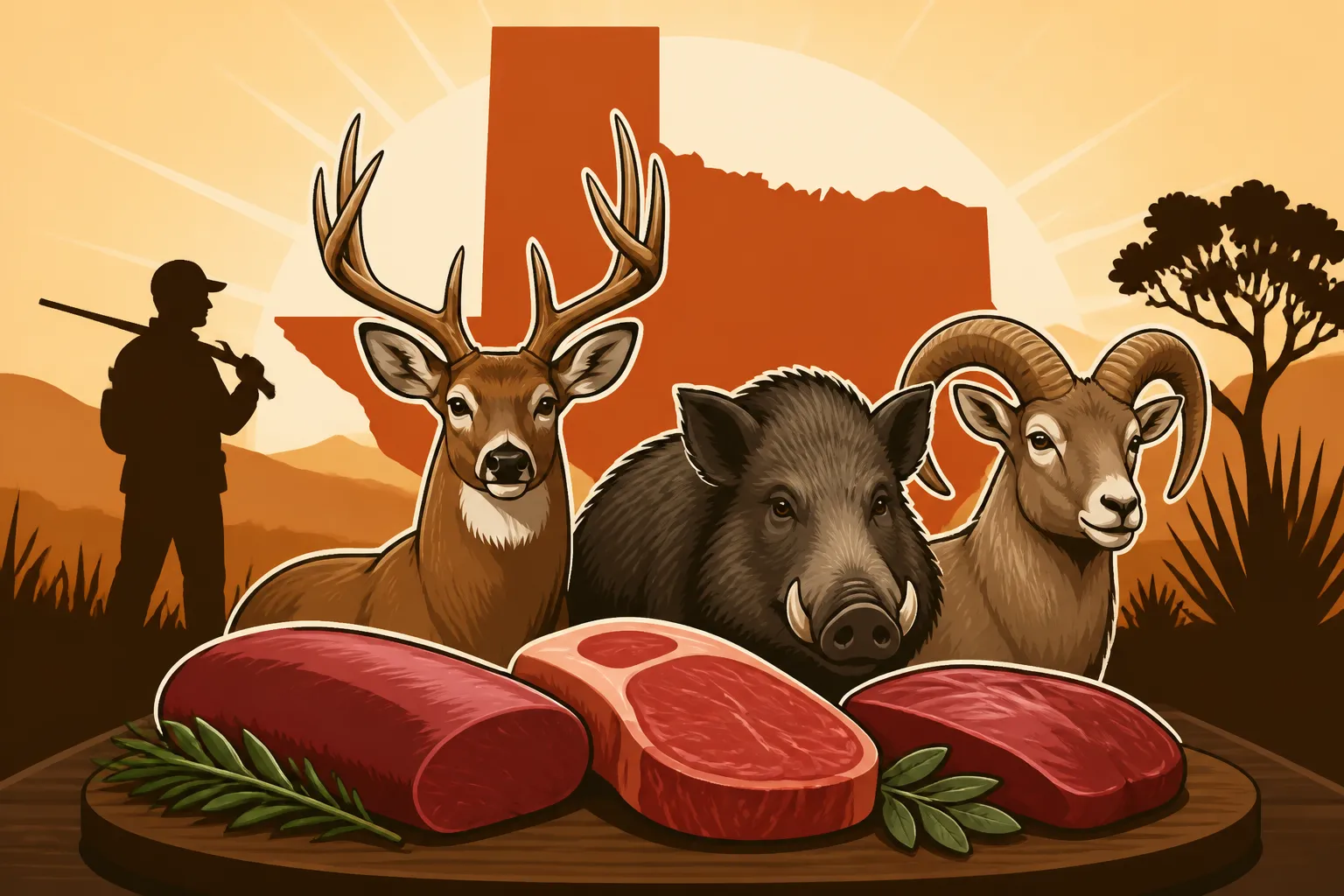
Alright, let's get down to business. Based on countless discussions around campfires, personal experience, and general consensus among Texas hunters and chefs, here's our ranking of the best wild game meats you can find in the Lone Star State.
#1: Axis Deer (The Unanimous King)
If there's one wild game meat that almost universally gets crowned the "best" in Texas, it's the Axis deer. These beautiful exotics, originally from India, thrive in the Texas landscape and offer meat that many compare favorably to prime beef or even elk.
- Flavor Profile: Axis venison is incredibly mild, with very little of the "gamey" flavor often associated with wild deer. It's lean, subtly sweet, and rich without being overpowering. This is largely due to their unique physiology and their preference for grazing on grasses, which results in a cleaner taste compared to animals that heavily browse on woody plants.
- Tenderness & Texture: Known for its exceptional tenderness, Axis deer meat has fine muscle fibers that make it incredibly palatable. Even cuts that might be tougher on a Whitetail, like certain roasts, are remarkably tender on an Axis.
- Versatility: This meat shines in almost any preparation. Steaks, roasts, ground meat, jerky – you name it, Axis handles it beautifully. It requires minimal seasoning to let its natural flavors stand out, but it also absorbs marinades wonderfully. If you're looking to fill your freezer with truly premium wild game, focusing on Axis deer is a fantastic strategy. You can find more information about them in our guide on Axis Deer Hunting in Texas (Free-Range vs High-Fence).
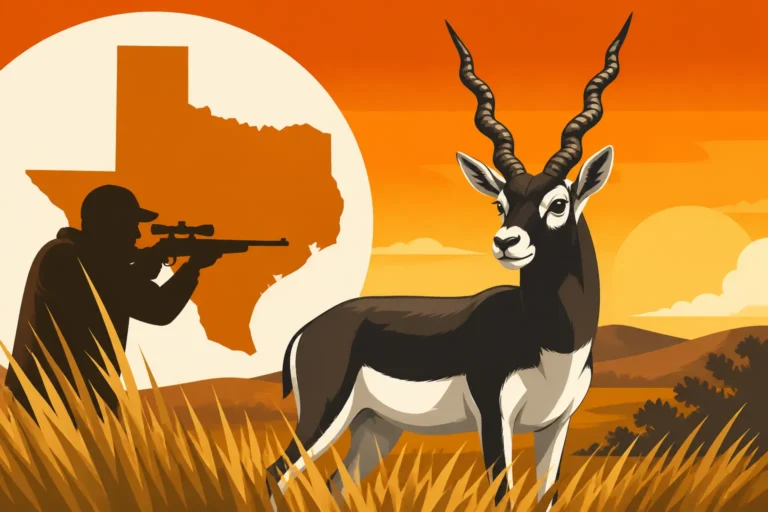
#2: Nilgai Antelope (Surprisingly Delicious)
Often overlooked or underestimated, the Nilgai antelope, another exotic species prevalent on the South Texas coast, provides a truly unique and delicious culinary experience. These large bovines offer a ton of lean, beef-like meat.
- Flavor Profile: Nilgai meat has a surprisingly mild, beefy flavor with almost no gaminess. It's incredibly lean, tasting much like a high-quality, grass-fed beef. Its large size means you get a lot of meat, making it a very economical and delicious choice for filling the freezer.
- Tenderness & Texture: While it's lean, Nilgai can be quite tender, especially the prime cuts. However, because of their size and muscle structure, some cuts might benefit from slower cooking methods to break down the fibers. Proper aging is also very beneficial for Nilgai.
- Versatility: Nilgai is extremely versatile. It makes fantastic steaks, roasts, stews, and ground meat. Its mild flavor means it takes well to a wide array of seasonings and marinades, from simple salt and pepper to more complex rubs. If you have the opportunity to hunt them, don't pass up the chance to bring home this incredible meat. Our guide on Nilgai Hunting in South Texas can help you plan that adventure.
#3: White-tailed Deer (The Texas Classic)
The quintessential Texas game animal, the white-tailed deer, holds a special place in every hunter's heart. Its meat is a staple for many families, and for good reason.
- Flavor Profile: Whitetail venison has a distinct, rich, earthy flavor that can range from mild to moderately "gamey," depending on the deer's age, diet, and how it was processed. Younger deer and those that have been on a diet of alfalfa or corn tend to have a milder taste.
- Tenderness & Texture: Prime cuts like the backstrap and tenderloins are incredibly tender. Other cuts, especially from the legs and shoulders, are tougher and benefit greatly from slow cooking, marinating, or being ground into burger or sausage. Proper field dressing and quick cooling are paramount for excellent whitetail meat. You can refer to our article on White-Tailed Deer Hunting in Texas: Complete Guide for more details on hunting this classic species.
- Versatility: Whitetail is incredibly versatile. It's fantastic as steaks, roasts, chili, stew meat, jerky, and sausage. Learning to utilize all cuts ensures nothing goes to waste. Given its widespread availability, it's often the most commonly consumed wild game in Texas.
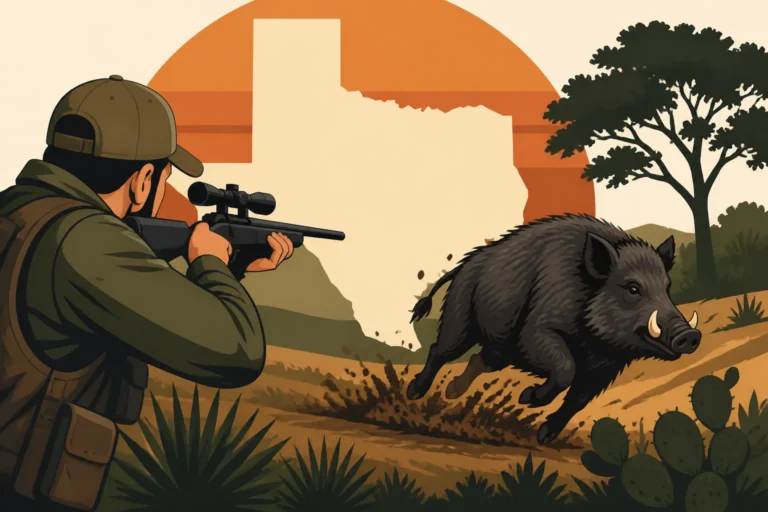
#4: Feral Hog (When Prepared Right)
Feral hogs are abundant in Texas, and while their reputation for meat quality can be hit or miss, when handled correctly, their meat can be absolutely delicious.
- Flavor Profile: This is where it gets interesting. A young, corn-fed sow can have incredibly mild, delicious meat, often compared to pork. An old boar, especially during the rut, can be very strong-flavored and tough. Diet plays a huge role; hogs that primarily root in the mud might have a different taste than those feasting on acorns and pecans.
- Tenderness & Texture: Again, highly dependent on age and sex. Younger hogs are generally tender. Older boars can be very tough and muscular, best suited for grinding into sausage or very slow cooking. Removing the glands and thoroughly chilling the carcass quickly are critical steps for good hog meat.
- Versatility: Like domestic pork, feral hog meat is extremely versatile. It's excellent for pulled pork, chops (from younger animals), sausage, bacon, and roasts. Given their abundance, many hunters view them as a primary source of protein. If you're new to processing hogs, read our guide on Are Feral Hogs Good to Eat? to ensure the best results.
#5: Aoudad Sheep (A Unique Offering)
Aoudad, also known as Barbary sheep, offer a challenging hunt in the rugged Trans-Pecos region and a distinctive meat experience.
- Flavor Profile: Aoudad meat has a flavor that is definitely "gamey," but in a pleasant, robust way. It's often described as tasting like a cross between venison and lamb, with a rich, earthy undertone. It's a flavor profile that appeals to those who enjoy strong, wild game tastes.
- Tenderness & Texture: Being extremely muscular animals that live in harsh terrain, Aoudad meat can be on the tougher side. Slow-cooking methods like braising, stewing, or grinding into sausage are often recommended to maximize tenderness. Marinating can also significantly help.
- Versatility: While perhaps less versatile for quick-cooking steaks, Aoudad shines in stews, chili, curries, and as ground meat for burgers or meatloaf. Its strong flavor holds up well to bold seasonings and spices. For more on hunting these animals, check out our article on Aoudad Sheep Hunting in Texas.
#6: Sandhill Crane (The "Ribeye in the Sky")
Don't let the bird status fool you; sandhill crane meat is legendary among waterfowl hunters. It's often referred to as the "ribeye in the sky" for a very good reason.
- Flavor Profile: Seriously, it tastes like beef. It's incredibly rich, dark, and beefy, with very little resemblance to other waterfowl. It's surprisingly mild for a bird that spends its life flying long distances.
- Tenderness & Texture: The breast meat, which is primarily what you'll harvest, is remarkably tender, especially when cooked to medium-rare. It has a fine grain similar to beef.
- Versatility: Sandhill crane breasts are fantastic grilled or pan-seared like steaks. They take well to simple salt and pepper, or a light marinade. Given their limited availability and the skill required to hunt them, every harvested crane is a true culinary trophy. Our Sandhill Crane Hunting in Texas (Ribeye in the Sky) guide offers more insights into pursuing these majestic birds.
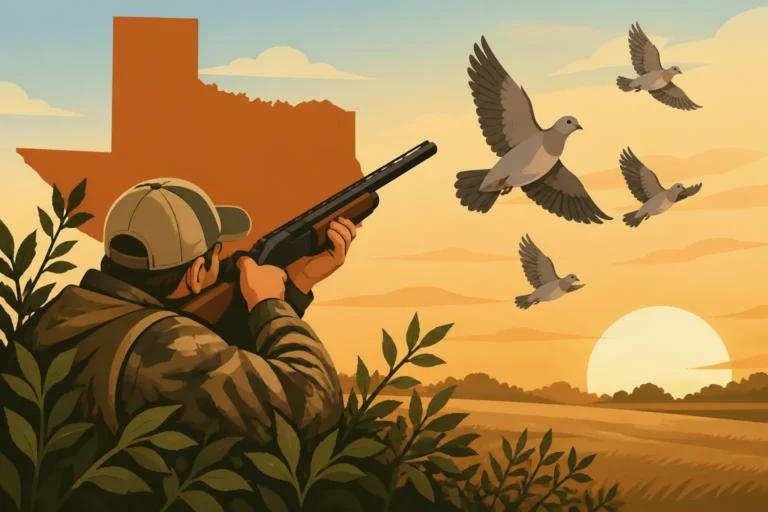
#7: Dove & Quail (Small but Mighty)
While they won't fill your freezer like a deer or hog, dove and quail offer some of the most delicate and flavorful wild game experiences.
- Flavor Profile:
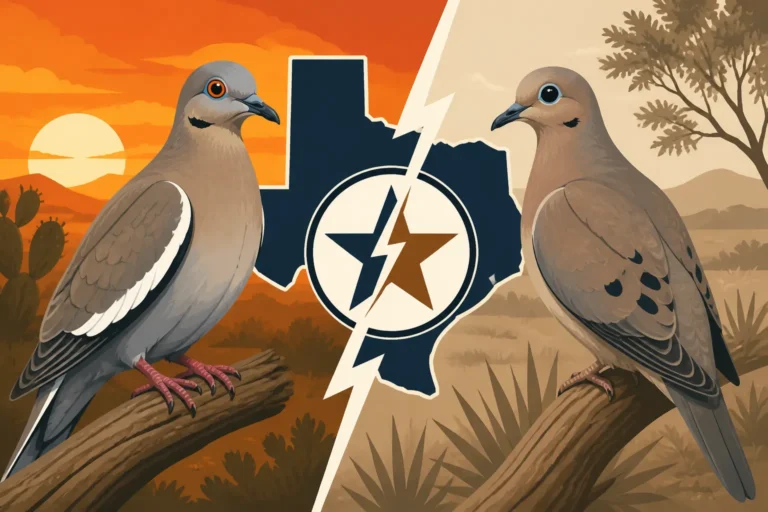
- Dove: Generally mild, slightly nutty, and rich. Mourning doves tend to be a bit darker and richer than white-winged doves. They offer a taste that is uniquely game bird without being overly strong.
- Quail: Very delicate, fine-grained, and slightly sweet. Bobwhite quail are particularly prized for their exquisite flavor.
- Tenderness & Texture: Both are incredibly tender. Dove breasts are small but meaty. Quail are small birds, often cooked whole, and are exceptionally tender.
- Versatility:
- Dove: Best grilled, pan-seared, or wrapped in bacon. They cook very quickly. Our guide on Dove Hunting in Texas: The Sept 1 Opener Guide can help you get started on harvesting these delicious birds.
- Quail: Excellent roasted, grilled, or pan-fried. They are often stuffed or paired with fruit sauces. More on hunting these can be found in our article on Quail Hunting in Texas: Bobwhite & Blue.
Here's a quick comparison table of the top contenders:
| Game Species | Flavor Profile | Tenderness | Versatility | Best For… |
|---|---|---|---|---|
| Axis Deer | Mild, subtly sweet, like prime beef | Excellent | High | Steaks, roasts, ground, any preparation |
| Nilgai Antelope | Mild, very lean, beef-like | Good-Excellent | High | Steaks, roasts, stews, ground |
| White-tailed Deer | Rich, earthy, mildly gamey (variable) | Good | High | Steaks, roasts, chili, sausage, jerky |
| Feral Hog | Mild to strong, like pork (highly variable) | Variable | High | Pulled pork, sausage, chops (young), slow roasts |
| Aoudad Sheep | Robust, earthy, cross between venison & lamb | Moderate | Medium | Stews, chili, ground meat, braised dishes |
| Sandhill Crane | Rich, dark, distinctively beefy | Excellent | Medium | Grilled steaks, pan-seared |
| Dove & Quail | Mild, nutty (dove); Delicate, sweet (quail) | Excellent | Medium | Grilled, pan-seared (dove); Roasted, fried (quail) |
Tips for Elevating Your Texas Wild Game Cuisine
Even the "best" cuts of meat can be ruined by poor handling or cooking. Here are some critical tips to ensure your wild game reaches its full culinary potential.
Proper Field Dressing and Processing
This is arguably the single most important step in ensuring delicious wild game. The quicker you can get an animal field dressed and cooled, the better the meat will be. Heat is the enemy, especially in Texas. Get those guts out immediately, and get the carcass on ice or in a cooler as fast as possible. For larger game, skinning and quartering for faster cooling is often necessary. A good quality cooler, perhaps a Yeti Tundra or a similar brand, is indispensable for this. For detailed steps, check out our guide on Field Dressing & Processing Game in Texas Heat. Even after the initial field dressing, proper aging (if possible) and careful butchering by a skilled professional or by yourself with sharp tools will make a huge difference in the final product.
Marinating and Seasoning Strategies
Wild game meat, being lean, can dry out quickly if not cooked properly. Marinades not only add flavor but also tenderize the meat. For milder meats like Axis deer, a simple marinade of olive oil, garlic, rosemary, and red wine can enhance its natural flavors. For stronger-flavored game like Aoudad, more robust marinades with ingredients like vinegar, citrus, or even buttermilk can help mellow the gamey notes and tenderize the meat. Don't be afraid to experiment with your favorite rubs and spices; sites like GoHunt often share fantastic recipes tailored for various game species, offering inspiration for creative culinary adventures.
Recommended Cooking Methods
Matching the cut of meat to the right cooking method is crucial.
- High Heat & Quick Cooking: For prime, tender cuts like backstraps, tenderloins, and crane breasts, high-heat methods like grilling, pan-searing, or broiling are ideal. Aim for medium-rare to medium to keep the meat juicy and tender. Overcooking wild game is a common mistake that leads to tough, dry results.
- Low & Slow Cooking: Tougher cuts from the shoulders, shanks, or older animals, especially feral hogs or Aoudad, are best suited for slow-cooking methods. Braising, stewing, smoking, or using a slow cooker will break down connective tissues, turning tough meat into fork-tender deliciousness. Think pulled pork, hearty stews, or slow-roasted pot roasts.
- Grinding & Sausage Making: For any trimmings or tougher cuts, grinding is an excellent option. Wild game burgers are fantastic, and mixing the lean game meat with a bit of pork fat for sausage or burger patties can significantly improve texture and flavor. Many hunters will even use professional services like those offered by Game Country Processing in South Texas or similar local processors to turn their harvest into custom sausage, jerky, or packaged cuts, making the most of every animal. This process not only preserves the meat but also maximizes its versatility in the kitchen. If you're looking for new hunting spots that might yield a specific type of game for your culinary pursuits, a platform like GoHunt can be invaluable for scouting and planning.
Ultimately, the "best" wild game meat is the one you enjoy the most, prepared with care and respect for the animal. Each species offers a unique taste of the Texas wilderness, and part of the joy of hunting is discovering your personal favorites.
Disclaimer
Hunting regulations and seasons in Texas are subject to change. Always consult the most current Texas Parks and Wildlife Department (TPWD) Outdoor Annual before engaging in any hunting activities. This article is for informational purposes only and does not constitute legal advice.