Dove Hunting in Texas: The Sept 1 Opener Guide
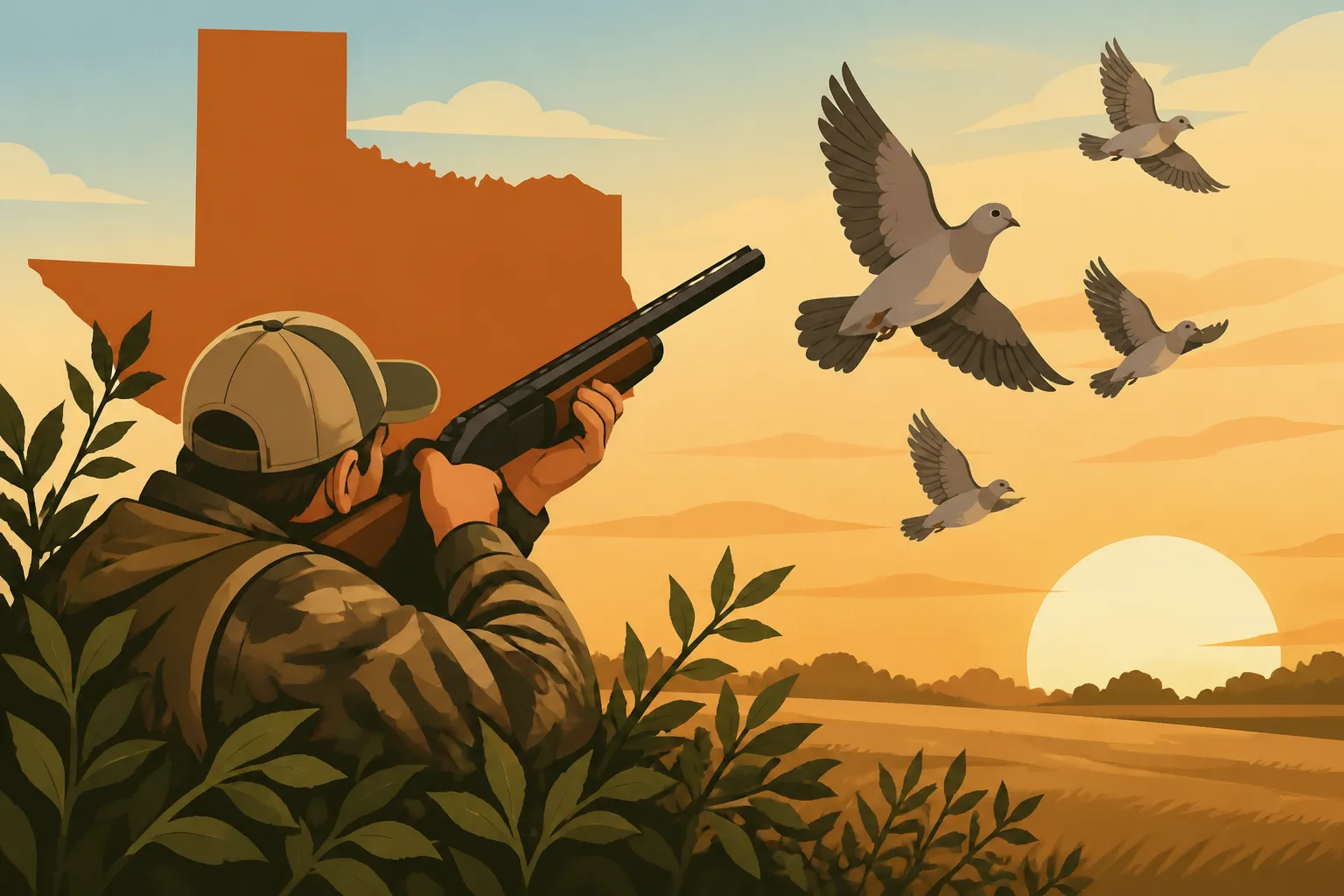
There's nothing quite like the anticipation of September 1st for a Texas dove hunter. That crisp (or let's be real, often still scorching hot) morning marks the unofficial start of hunting season for many of us, but figuring out the zones, regulations, and best tactics can feel like a maze. This comprehensive guide will cut through the confusion, helping you master the art of dove hunting and ensure you're ready for a fantastic opener.
Understanding Texas Dove Season Zones and Dates
Dove season in Texas isn't a one-size-fits-all affair. The Lone Star State is vast, and its diverse geography means that regulations, especially opening and closing dates, are broken down into specific zones. Missing these details can lead to a disappointing—or worse, illegal—hunt.
Why September 1st is Sacred and Sometimes Tricky
For generations of Texas hunters, September 1st has been etched into our calendars as a day of almost religious significance. It's the annual pilgrimage back to the fields, the smell of gunpowder filling the air, and the social gathering of friends and family. It represents the promise of fall, even if the thermometer still reads 100 degrees. The excitement is palpable; tales of fast-flying birds and perfectly executed shots are already being spun. However, this revered date isn't universal across the entire state. Depending on where you plan to hunt, September 1st might kick off the season with a bang, or you might be left waiting a bit longer. This zoning system, while sometimes frustrating for those crossing county lines, is designed to manage bird populations effectively across such a large and varied landscape.
North, Central, and South Zones: A Crucial Distinction
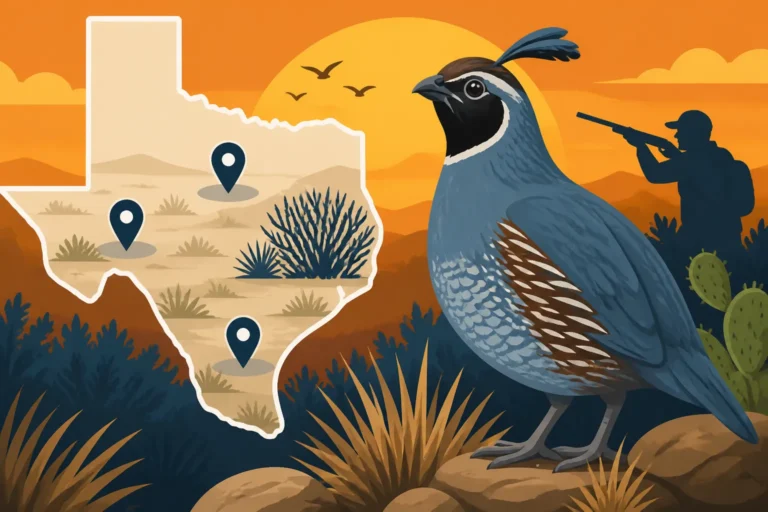
Texas is divided into three primary dove zones: North, Central, and South. These distinctions are absolutely critical because they dictate when you can legally begin hunting. The North Zone typically stretches across the Panhandle and North Texas, while the Central Zone covers a large swath of the state, including the Hill Country and much of East Texas. The South Zone encompasses the southernmost part of Texas, down to the border. Each zone has its own set of opening and closing dates, as well as distinct daily and possession limits. You can find a detailed visual breakdown and county-by-county information on the Texas Parks and Wildlife Department's website, which offers an excellent resource, "Texas Dove Zones Map (North, Central, South)". Understanding these boundaries is the first and most important step to planning your hunt, preventing any unwelcome surprises or violations.
Key Season Dates to Mark on Your Calendar
While the exact dates can shift slightly year to year based on TPWD proclamations, the general framework remains consistent. The North Zone, like the Central Zone, often opens on September 1st. The South Zone, however, historically opens later in the month, sometimes a week or two after its northern counterparts. This staggered opening is primarily due to different migratory patterns and nesting cycles of doves in the warmer, more southerly regions.
Typically, each zone will have a first segment that runs through much of September and into early October, followed by a shorter second segment later in the year, usually in December or January. This split season allows for multiple opportunities to hunt both early migrating birds and later arrivals. Always double-check the current year's Texas Outdoor Annual for precise dates, as these are subject to change. For example, in a typical year, you might see:
| Dove Zone | First Segment (Approximate) | Second Segment (Approximate) | Daily Bag Limit | Possession Limit |
|---|---|---|---|---|
| North | Sept 1 – Nov 15 | Dec 20 – Jan 14 | 15 | 45 |
| Central | Sept 1 – Nov 1 | Dec 18 – Jan 20 | 15 | 45 |
| South | Sept 15 – Nov 5 | Dec 14 – Jan 23 | 15 | 45 |
Note: These dates are hypothetical and illustrative. Always consult the current Texas Outdoor Annual for official season dates.
Essential Gear for a Successful Dove Hunt
Preparing for a dove hunt isn't just about knowing the dates; it's about having the right tools for the job. Early season dove hunts in Texas can be brutal if you're not properly equipped, from the heat to the sheer number of shells you might go through.
Shotguns and Ammunition: Finding Your Sweet Spot
For dove hunting, a reliable shotgun is paramount. Most hunters opt for a 12-gauge or 20-gauge, with both offering excellent performance. The 12-gauge provides a bit more knockdown power and a denser pattern, which can be an advantage on longer shots or when you're just not quite on target. However, the recoil can be more significant, and you'll be carrying heavier shells. The 20-gauge is a fantastic alternative, offering lighter recoil and ammunition, making it an excellent choice for younger hunters, those sensitive to recoil, or simply anyone looking for a lighter setup to carry through hot fields. Both pump-action and semi-automatic shotguns are popular. Semi-autos offer faster follow-up shots, which can be invaluable when a flock of doves buzzes past.
When it comes to ammunition, speed and pattern are key. You'll want lighter loads with smaller shot sizes to maximize the number of pellets in your pattern without over-penetrating the small birds. Shot sizes 7.5 or 8 are ideal for dove. Don't be afraid to experiment with different brands and shot sizes to see what patterns best with your specific shotgun before opening day. A general rule of thumb is to pattern your shotgun at 25-30 yards with the choke you intend to use. Most dove hunters find improved cylinder or modified chokes to be effective.
Decoys, Blinds, and Other Field Accessories
While some purists might prefer to simply "pass shoot" without any aids, dove decoys can dramatically increase your success, especially if you're hunting a field where birds are landing to feed or drink. There's nothing quite like watching a flock cup its wings and commit to your spread. Spinning wing decoys, like those from Mojo Outdoors, are incredibly effective because the motion catches the doves' eyes from a distance, making them think other birds are feeding. Clip-on decoys, placed strategically on fences or dead branches, can also add to the illusion. When using decoys, setting them up at varying heights and distances from your position, perhaps 20-30 yards out, can create a realistic feeding scenario. For more detailed tips on optimal placement, check out "Dove Field Setup: Where to Stand" or "How to Use Decoys for Dove Hunting".
As for blinds, doves have excellent eyesight. You don't necessarily need a fancy pop-up blind, but some form of concealment is crucial. Natural cover, like standing in a line of mesquite trees, behind a hay bale, or against a fence row with some tall weeds, can work wonders. A simple stool or bucket to sit on will make those long waits much more comfortable. Don't forget a game vest or shell bag to hold your ammunition and birds, a good pair of sunglasses, and ear protection.
Staying Cool and Hydrated in the Texas Heat
Let's be honest, "September 1st" in Texas often translates to "August weather." It's hot, humid, and the sun can be relentless. Failing to prepare for the heat is a recipe for a miserable, and potentially dangerous, experience.
Your clothing choices are vital. Opt for lightweight, breathable fabrics in a comfortable camouflage pattern or earthy tones. While traditional heavy camo might be great for deer season, for dove, you'll want something that wicks moisture away and allows for airflow. Many hunters choose lighter colors or specialized early-season patterns designed to keep you cool. Consider materials like those found in Frogg Toggs or similar lightweight hunting apparel. For more specific recommendations, our guide on the "Best Early-Season Camo for Texas Heat" offers some excellent advice.
Hydration is non-negotiable. Bring plenty of water—more than you think you'll need. A good cooler, packed with ice and drinks, is your best friend. Brands like Yeti and RTIC are popular for their ice retention, but even a decent budget cooler can keep your drinks cold if packed properly. Read our insights on the "Best Cooler to Hold Ice in Texas Heat" to ensure your beverages stay frosty. Electrolyte drinks can also be beneficial. Finally, always wear a wide-brimmed hat, use sunscreen generously, and consider lightweight gloves to protect your hands from the sun and brush. Take frequent breaks in the shade, even if the birds are flying.
Scouting and Location: Finding Those Hot Dove Fields
You can have the best gear and be the best shot, but if you're not where the birds are, you're just sightseeing with a shotgun. Finding prime dove habitat is both an art and a science, requiring a keen eye and a bit of legwork.
Identifying Prime Dove Habitat
Doves are creatures of habit, and their habits revolve around three necessities: food, water, and roosting cover. Understanding this trinity is key to finding them.
- Food: Doves primarily feed on small seeds. Look for fields planted with crops like sunflowers, milo (grain sorghum), wheat, or sesame. Even natural weeds such as croton (dove weed), goatweed, or ragweed can be irresistible to doves. Pay attention to harvested fields, especially corn or wheat, as spilled grains become an easy meal. Often, fields that have been disked or lightly mowed expose these seeds, making them even more attractive.
- Water: Doves need to drink, often twice a day, especially in hot weather. Stock ponds, cattle tanks, creek beds, river edges, and even small puddles can be magnets. Look for areas with bare, open ground around the water's edge, as doves prefer to land and walk to drink rather than landing directly in heavy cover.
- Roosting Cover: After feeding and drinking, doves retreat to roost. Tall trees, especially dead snags or mature oaks, power lines, and dense brush lines along field edges provide ideal roosting spots where they can feel safe. Identifying these areas helps you predict their flight paths between feeding, watering, and roosting locations.
Observing these elements and how doves utilize them throughout the day will give you an enormous advantage.
Scouting Strategies Before Opening Day
Successful dove hunting begins long before September 1st. Pre-season scouting is crucial for identifying active fields and understanding flight patterns. Drive around likely areas in the weeks leading up to the opener, ideally in the early morning or late afternoon when doves are most active. Look for birds flying into or out of fields, perched on power lines, or congregating around water sources.
Don't be afraid to pull over and observe for a while. Where are they coming from? Where are they going? What time of day are they most active? Look for "whitewash" (dove droppings) on fences, power lines, and dead tree limbs, which is a sure sign of consistent dove activity.
Modern technology can also be a massive help. Mapping apps like onX Hunt or HuntStand are invaluable tools for identifying potential hunting spots, marking property lines (crucial for private land), and even scouting satellite imagery for fields, water sources, and roosting areas from your couch. Our comparison of "onX Hunt vs HuntStand: Best App for Texas?" can help you choose the right tool for your scouting needs. These apps allow you to mark waypoints, track your movements, and gain a bird's-eye view of the landscape, making your pre-season scouting much more efficient.
Public vs. Private Land Opportunities
Texas offers a mix of public and private land opportunities for dove hunting, each with its own set of advantages and challenges.
- Public Land: The Texas Parks and Wildlife Department manages numerous Wildlife Management Areas (WMAs) and offers public hunting opportunities through its Annual Public Hunting Permit (APH). This permit, often purchased as part of the Super Combo license, grants access to thousands of acres across the state. Many WMAs specifically manage fields for dove, planting sunflowers or milo. The downside? Public land can be crowded on opening day, and competition for prime spots can be fierce. Success often comes to those who scout thoroughly and are willing to walk further away from easy access points. For a detailed look at navigating these areas, explore our guide on "Public Hunting in Texas: WMAs & Annual Public Hunting Permit".
- Private Land: This is where most Texas dove hunting occurs. If you don't own land, options include:
- Hunting Leases: Many landowners lease out dove hunting rights, either for the entire season or on a per-day basis. These can range from highly managed fields to simple access to agricultural land.
- Day Hunts: Numerous outfitters and landowners offer guided or unguided day hunts for a fee. This is a great option for those without a lease, as it typically provides access to managed fields without the long-term commitment.
- Knocking on Doors: Don't underestimate the power of asking permission. Many farmers or landowners are willing to grant access, especially later in the season, if you're polite, respectful, and offer to help keep gates closed and pick up trash. Building these relationships can lead to long-term hunting opportunities. Just remember, always get explicit permission before stepping foot on private property. For tips on navigating this, see "How to Get Permission to Hunt Private Land in Texas".
Effective Dove Hunting Tactics and Strategies
Once you've found the birds, the next step is to put yourself in a position to intercept them. Effective tactics combine understanding dove behavior with strategic setup and good shooting.
Field Setup and Ambush Points
The way you set up in a field can make or break your hunt. Doves typically follow consistent flight paths between feeding, watering, and roosting areas. Your goal is to intercept these paths while remaining as concealed as possible.
- Identify Flight Lanes: Observe where doves are naturally flying. Are they following a treeline, a fence row, a power line, or a distinct contour in the field? Position yourself along these natural corridors.
- Consider the Sun and Wind: Always try to keep the sun at your back. Not only does this make it easier to see incoming birds, but it also makes it harder for doves to see you. Doves, like most birds, tend to fly into the wind when landing, so setting up with the wind at your back can sometimes give you better shots at birds cupping their wings.
- Concealment is Key: Doves have incredible eyesight. Utilize natural cover like tall weeds, brush piles, or the edge of a standing crop. If natural cover is sparse, a simple camo net or a small pop-up blind can be very effective. Blend into your surroundings. Even a light colored shirt or hat can flare birds if it stands out against the background.
Decoy Placement and Calling Techniques
As mentioned earlier, decoys can be incredibly effective. For stationary decoys, place them where doves would naturally land to feed, such as on exposed dirt patches, fence posts, or low branches. For spinning-wing decoys, place them slightly higher than ground decoys, maybe on a tall pole or a fence post, to maximize visibility. A good spread might involve several ground decoys simulating feeding birds, with one or two spinning wings to grab attention from afar. The article "Dove Hunting Tactics: Field Setup & Shooting" offers excellent visual guidance on optimal decoy spreads.
While not as critical as for ducks or turkeys, dove calls (typically a simple whistle) can sometimes draw the attention of passing birds or help calm them before they flare. A quick series of whistles can sometimes cause a bird to dip its wings or change course slightly, offering you a better shot. Don't overdo it, though; a subtle approach is often best.
Shooting Etiquette and Safety Considerations
Dove hunting is often a social activity, but that doesn't mean safety takes a backseat. Always prioritize safety for yourself and those around you.
- Safe Shooting Lanes: Before the hunt, discuss and establish clear shooting zones with your hunting partners. Know exactly where your partners are positioned and never swing your barrel towards another hunter.
- Bird Identification and Limits: Texas offers both Mourning Dove and White-winged Dove, both of which count towards your daily bag limit. Be sure you can differentiate them, especially if you're in an area with a higher population of one species over the other. The bag limit is typically 15 doves in the aggregate, with a possession limit of 45. This means you can't have more than 15 in the field per day, and no more than 45 total birds (fresh or frozen) back home. For more on distinguishing between species, read "White-Winged vs Mourning Dove in Texas".
- Picking Up Spent Shells and Trash: A good hunter leaves no trace. Always pick up your spent shotgun shells and any other trash you bring into the field. This not only keeps the environment clean but also helps secure future hunting opportunities, especially on private land.
- Dogs: If you hunt with a dog, ensure they are well-trained and capable of handling the heat. A good retriever can save you from losing downed birds in dense cover, but their safety is paramount.
Regulations, Bag Limits, and Important Rules
Navigating hunting regulations can feel like deciphering ancient texts, but understanding them is your responsibility as a hunter. Texas has specific rules for dove, and ignorance is no excuse.
Understanding the Texas Outdoor Annual
The single most important document for any Texas hunter is the Texas Outdoor Annual. This publication, available online and in print, contains all the official hunting and fishing regulations for the current season. It's your bible, detailing season dates, bag limits, licensing requirements, prohibited acts, and special regulations by county or zone. Before every season, I always make it a point to sit down and thoroughly review the sections relevant to my planned hunts. Regulations can change year to year, so relying on memory from previous seasons can lead you astray. For guidance on where to find and what to look for, check out "How to Read the Texas Outdoor Annual".
Daily Bag Limits and Possession Limits
For doves, the general daily bag limit in Texas is 15 birds, to include not more than two white-tipped doves. The possession limit, which refers to the maximum number of legally harvested birds you can have in your possession at any given time (including those stored at home), is typically three times the daily bag limit, or 45 birds.
It's crucial to understand the difference. The daily bag limit applies to birds harvested per day. So, if you hunt Saturday and bag 15 doves, and then hunt Sunday and bag another 15, you have 30 doves in your possession. You cannot exceed 15 in any single day's hunt. The possession limit means that even if you've hunted for multiple days, you cannot have more than 45 total doves. These limits are designed to manage populations and ensure sustainable hunting.
Licenses, Endorsements, and HIP Certification
To legally hunt doves in Texas, you'll need more than just a shotgun and shells.
- Hunting License: A valid Texas hunting license is required for all hunters. Most resident hunters opt for the Super Combo License, which covers all necessary endorsements for hunting and fishing in the state. Non-residents will need a non-resident hunting license. Information on costs and how to purchase can be found in our guide on "Texas Hunting License: Cost, Types & How to Buy (2026)".
- Migratory Game Bird Endorsement: Doves are migratory game birds, so in addition to your general hunting license, you'll need a Migratory Game Bird Endorsement. This endorsement is usually an add-on to your license.
- HIP Certification: HIP stands for Harvest Information Program. It's a national survey used to collect data on migratory bird hunters. All migratory game bird hunters in Texas (and across the U.S.) are required to be HIP certified annually. This is a free, quick process you can complete when purchasing your license. Don't skip it! It's a simple, but mandatory, requirement. You can learn more about these specific requirements in "Texas Migratory Bird Endorsement & HIP Certification".
Make sure all your licensing and certifications are current before you head out to the field. Game wardens frequently check for these, especially during busy openers.
Post-Hunt Care: From Field to Table
The hunt doesn't end when the last bird falls. Proper post-hunt care ensures your hard-earned harvest makes it to the table in top condition, especially crucial in the Texas heat.
Field Dressing Doves in the Heat
Texas heat can spoil game quickly, and doves are no exception. The moment a bird is harvested, its internal temperature is still high. Leaving them in the sun or in a hot game vest will rapidly degrade the meat.
- Cooling Quickly: The most critical step is to cool the birds down as fast as possible. Many hunters carry a small cooler with ice, even if they're only out for a few hours. As soon as you retrieve a bird, get it on ice.
- Field Dressing: Doves are small, so many hunters simply "breast out" the birds in the field. This involves plucking the breast feathers, making an incision, and removing the breast meat, leaving the rest of the carcass. This reduces bulk, cools the meat faster, and provides the most desirable cuts. If you prefer to keep the whole bird, you'll need to eviscerate it quickly.
- Cleanliness: Always work with clean hands and tools. Dispose of carcasses responsibly, away from water sources and public areas.
Transporting and Storing Your Harvest
Texas regulations require that migratory game birds, including doves, be transported with at least one fully feathered wing attached. This allows game wardens to identify the species and confirm that the bird counts towards the appropriate bag limit. Once you're out of the field and heading home, you can completely process the birds.
For transport, keep your doves on ice in a cooler. Ensure they are not submerged directly in meltwater, as this can degrade the meat. Ziploc bags or similar containers can keep them separate from the ice.
Upon arrival home, if you're not cooking them immediately, you'll want to prepare them for longer storage. Vacuum sealing is the absolute best method for freezing dove breasts, as it prevents freezer burn and maintains quality for months. If you don't have a vacuum sealer, wrap individual breasts tightly in plastic wrap, then aluminum foil, and place them in freezer-safe bags. Label with the date.
Delicious Dove Recipes and Culinary Tips
One of the great joys of dove hunting is enjoying the delicious meat. Dove breasts are lean, flavorful, and incredibly versatile. They often have a rich, slightly gamey taste, which makes them perfect for various cooking methods.
- Bacon-Wrapped Dove: This is a classic for a reason. Simply marinate dove breasts (often in Italian dressing or soy sauce), wrap them with a half-slice of bacon, and secure with a toothpick. Grill, broil, or bake until the bacon is crispy and the dove is cooked through. The bacon adds moisture and fat, preventing the lean breast from drying out.
- Grilled or Pan-Seared: Keep it simple! Marinate the breasts for an hour or two, then quickly grill them over high heat or pan-sear them in a hot skillet with a bit of butter or oil. Doves cook very quickly, so be careful not to overcook them, or they will become tough. A medium-rare to medium internal temperature is often preferred.
- Dove Poppers: Similar to bacon-wrapped, but often includes a slice of jalapeño and cream cheese inside the bacon wrap before cooking.
- Skewers: Cut dove breasts into chunks, marinate, and thread onto skewers with vegetables like bell peppers, onions, and cherry tomatoes.
Don't be afraid to experiment with different marinades, spices, and cooking techniques. Dove meat is a fantastic canvas for culinary creativity, and sharing your harvest with friends and family is a wonderful way to cap off a successful hunt.
Disclaimer
Please remember that hunting regulations are subject to change. Always consult the current year's Texas Parks and Wildlife Department Outdoor Annual for the most up-to-date and accurate information regarding seasons, bag limits, and licensing requirements before engaging in any hunting activities. Safety should always be your top priority in the field.