Best WMA for Hog Hunting in Texas
Finding a prime spot for hog hunting in Texas can feel like a never-ending quest, especially when you're navigating the complexities of public lands. It’s easy to get discouraged by crowded areas or confusing regulations, making it tough to truly enjoy the thrill of the chase. This comprehensive guide is here to cut through the confusion, offering a deep dive into the best Wildlife Management Areas (WMAs) in Texas where you stand a real chance at successfully hunting feral hogs, along with practical strategies and essential gear advice to make your next public land hunt a success.
Understanding Public Land Hog Hunting in Texas
Let's be real, public land hunting in Texas isn't always a walk in the park. While it offers incredible access for those who don't have private leases, it comes with its own set of challenges that can certainly test your patience. Many hunters feel the frustration of searching for unpressured areas or dealing with a patchwork of rules that vary from one WMA to another. But don't let that deter you; with the right knowledge and approach, public lands can be incredibly rewarding.
The Reality of Texas Public Hunting
Unlike private ranches where game management is often finely tuned, public lands like Texas WMAs are open to many hunters, and that means increased pressure on the animals. You might find popular spots get hit hard, especially on opening weekends or during prime hunting conditions. This isn't just about deer season, either; hog hunting on public land can be just as competitive. Hunters often lament the difficulty of finding undisturbed hog populations, as feral hogs are smart and quickly learn to avoid areas with heavy human activity. You also need to secure an Annual Public Hunting Permit (APH Permit) to access most WMAs, which is an annual fee that grants you access to these valuable state lands. It's a small investment for the opportunities it provides, but it's crucial to understand that simply having the permit doesn't guarantee an easy hunt. You'll still need to put in the legwork, or rather, the "boot work," to scout effectively.
Legality and Regulations for Hogs on WMAs
One of the biggest advantages of hunting feral hogs in Texas is that they are considered non-game animals, which means there's no closed season or bag limit on private land. However, when you step onto a WMA, things change. Each WMA operates under its own specific set of regulations, often found in the Texas Parks and Wildlife Department's (TPWD) annual Outdoor Annual or on the individual WMA's specific public hunting pamphlet. Even though hogs are non-game, WMAs will have designated hunt periods, specific weapon restrictions, and often require check-in and check-out procedures. You can't just show up and start hunting hogs whenever you please, as you might on private land. For instance, some WMAs might only allow hog hunting during specific deer or general small game seasons, while others might offer specific drawn hunts for hogs. It’s critical to review the specific regulations for the WMA you plan to visit before you head out. Missing a detail could mean an encounter with a game warden or a wasted trip. For a broader understanding of how these rules integrate, it's helpful to look at the larger picture of Texas Hunting Regulations Changes for 2026 which often includes updates relevant to WMA operations.
Top WMAs for Hog Hunting in Texas (and Why)
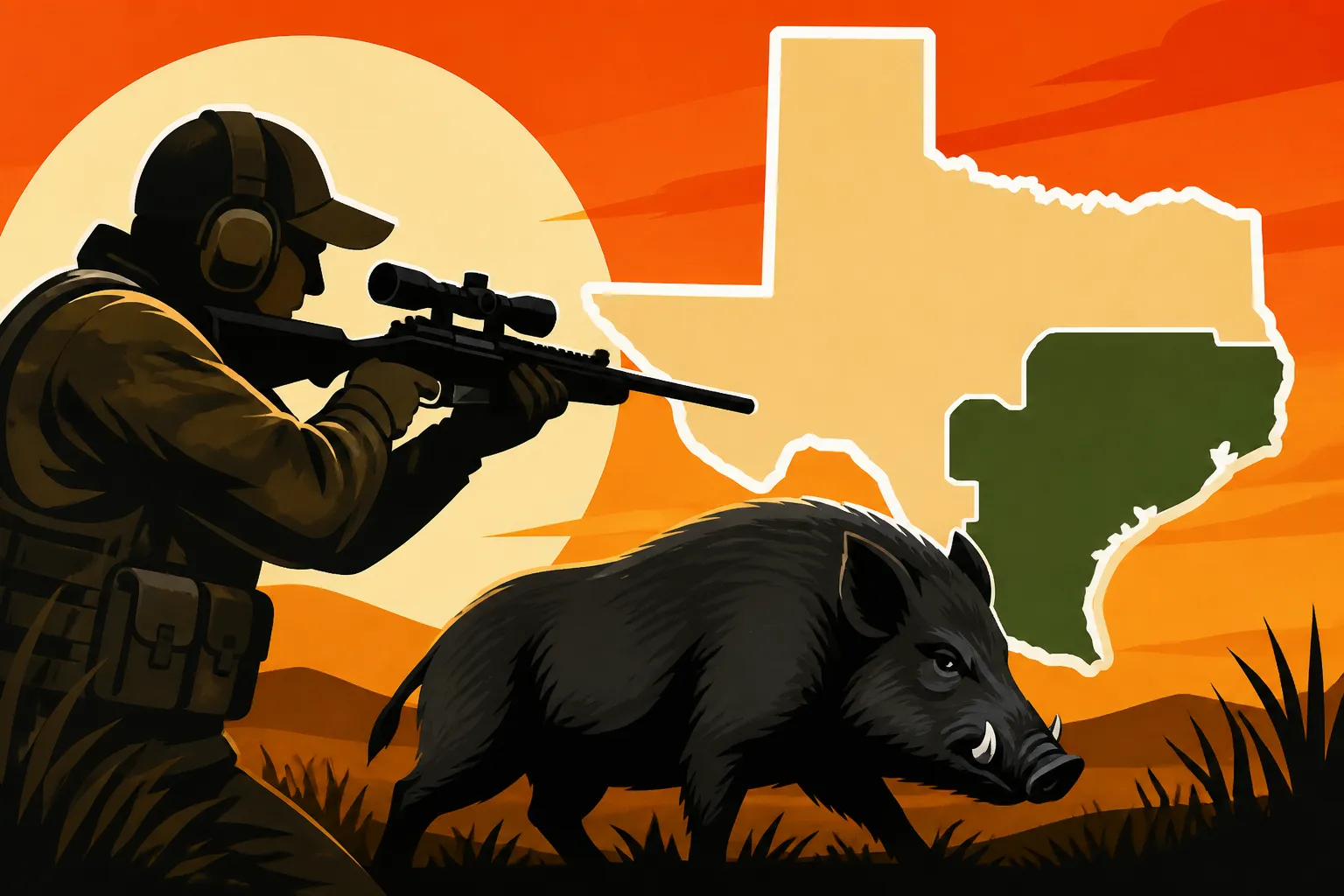
While calling one WMA "the best" for hog hunting is a bit like picking a favorite chili recipe – highly subjective and dependent on individual taste – certain WMAs consistently stand out for offering solid feral hog hunting opportunities. These areas typically boast habitats that favor hogs, such as dense cover, reliable water sources, and ample food. Based on hunter reports and biological surveys, the Chaparral WMA is often considered a prime contender, with a few other WMAs also offering excellent prospects depending on your region and hunting style.
Chaparral Wildlife Management Area (South Texas)
If you're looking for an archetypal South Texas brush country experience, the Chaparral WMA near Artesia Wells is often touted as one of the best. This sprawling WMA, encompassing over 15,000 acres in LaSalle and Dimmit counties, is renowned for its thick thorny brush, mesquite, and prickly pear — the quintessential habitat that feral hogs absolutely thrive in. The dense cover provides excellent bedding areas and escape routes, making hogs feel secure. Add to that the various water sources, including tanks and seasonal creeks, and you've got a hog paradise.
Hunters often find hog sign abundant, from rooted-up areas to muddy wallows. The challenges here are the same things that make it great for hogs: the incredibly dense vegetation can make spotting and approaching hogs difficult, demanding patience and keen tracking skills. Hunting success often comes down to still-hunting through the thickest parts of the brush or setting up along known travel corridors between bedding areas and water. Because it's a WMA, you'll need to check the public hunting permits for the specific season and conditions, as well as if any drawn hunts are in effect for feral hogs. The sheer size and ruggedness of the Chaparral WMA means that even with hunting pressure, there are always pockets where hogs can remain undisturbed.
Gus Engeling Wildlife Management Area (East Texas)
Shifting gears to East Texas, the Gus Engeling WMA, located in Anderson County, offers a completely different but equally promising hog hunting environment. This WMA covers over 11,000 acres of Pineywoods and Post Oak Savannah ecoregions, characterized by bottomland hardwood forests, pine uplands, and a generous scattering of creeks and sloughs, most notably bordering the Trinity River. This mix of dense timber, wetlands, and river bottom creates ideal conditions for feral hogs, which utilize the thick undergrowth for cover and the moist soil for rooting.
Hog activity here often concentrates around the creek bottoms and wetter areas, especially during drier periods when water sources become limited. The challenges here include the often-swampy terrain and the thick timber, which can limit visibility and make shots difficult. However, hunters who are willing to navigate these conditions can find significant hog populations. Just like the Chaparral, permits and specific WMA regulations will apply. Hunting here often involves patience, slow still-hunting, and sometimes setting up near prominent trails leading to water or food sources. Understanding Feral Hog Hunting Tactics for Texas can significantly improve your chances here, particularly focusing on methods suitable for dense timber.
James E. Daughtrey Wildlife Management Area (South Texas)
Another strong contender in the South Texas region is the James E. Daughtrey WMA, situated in Live Oak and McMullen counties, spanning over 7,000 acres. This WMA also falls within the South Texas brush country, but with some distinctions. It features a mix of dense mesquite, prickly pear, and various scrub brush, similar to Chaparral, but also includes areas around the Choke Canyon Reservoir, offering extensive waterfront habitat. The proximity to the large reservoir means a constant water supply, drawing hogs, especially during droughts.
Hogs here are often found along the lake shorelines, in dense creek drainages leading to the reservoir, and in the thickets bordering agricultural fields (if any are adjacent to the WMA). The combination of dense cover, water, and potential food sources makes this an attractive area for feral hog populations. Like other WMAs, specific hunt dates, application processes (especially for drawn hunts), and regulations must be carefully followed. The opportunity to hunt near large water bodies can also present unique challenges and rewards, as hogs often move along these corridors. It’s always smart to use tools like onX Hunt to scope out these areas virtually before you hit the ground.
Here’s a quick overview of these top WMAs for hog hunting:
| WMA Name | Location (Region) | Primary Habitat | General Hog Presence | Permit Required | Key Feature for Hogs |
|---|---|---|---|---|---|
| Chaparral WMA | South Texas | Dense Brush Country, Mesquite | High | APH Permit, Drawn Hunts | Extreme cover, water sources |
| Gus Engeling WMA | East Texas (Pineywoods) | Bottomland Hardwood, Pine Uplands | Moderate to High | APH Permit, Drawn Hunts | River bottoms, dense timber |
| James E. Daughtrey WMA | South Texas | Brush Country, Choke Canyon Reservoir | Moderate to High | APH Permit, Drawn Hunts | Proximity to large reservoir |
Strategies for Successful WMA Hog Hunts
Hunting hogs on WMAs requires more than just showing up with a rifle. Given the inherent challenges of public land, a well-thought-out strategy can significantly tip the odds in your favor. It's about combining modern technology with classic hunting skills.
Scouting and E-Scouting Public Lands
Before you even step foot on a WMA, a significant portion of your hunt preparation should involve e-scouting. Tools like onX Hunt or GoHunt are invaluable for this. They allow you to virtually explore the terrain, identify property boundaries (crucial for WMAs!), and pinpoint potential hog hotspots from the comfort of your home. Look for key features such as:
- Water Sources: Tanks, creeks, sloughs, river bends, or reservoir shorelines are magnetic to hogs, especially in arid South Texas.
- Dense Cover: Hogs love thick brush, dense timber, or tall stands of reeds for bedding and security. Identify the darkest green areas on satellite imagery.
- Travel Corridors: Look for natural funnels, fence lines, or distinct terrain features that would channel hog movement between bedding and feeding/watering areas.
- Adjacent Land Use: If a WMA borders agricultural fields, hogs will often move onto the WMA for bedding during the day and venture out to feed at night.
Once you have a few promising spots identified, boots-on-the-ground scouting becomes the next critical step. This means hiking the area, looking for fresh hog sign – rooted earth, tracks, rubs on trees, and wallows. Early morning or late evening treks are best for fresh sign and to observe movement without disturbing potential game. Remember, finding old sign is interesting, but fresh sign tells you where the hogs are now. You might not be able to deploy trail cameras without specific WMA approval, but visually identifying these key areas is still incredibly effective. For more general advice, consider reading up on How to Scout for Deer Before Season in Texas, as many of the principles for identifying game trails and bedding areas apply to hogs as well.
Timing Your Hunts for Maximum Success
The "when" of your hunt can be just as important as the "where." Hogs are most active during specific times, and understanding these patterns can significantly increase your success rate on WMAs.
- Time of Day: Hogs are predominantly crepuscular (most active at dawn and dusk) and nocturnal. On WMAs, where hunting pressure can be higher, they often become even more nocturnal. Early mornings, right at first light, and late evenings, leading into twilight, are your best bets. Some WMAs might allow night hunting for hogs, typically during specific drawn hunts or if general rules permit. Always double-check this in the WMA's specific regulations.
- Time of Year: Cooler months (fall and winter) generally offer better hog hunting. Hogs are more active during the day when temperatures are lower. In the scorching Texas summer, they become almost entirely nocturnal, seeking shade and water during daylight hours. A good rain can also temporarily increase their daytime activity as they root in softer soil. Looking at the broader Texas Hunting Seasons: Complete Calendar by Species might give you an idea of when certain WMAs are open for general hunting, which often coincides with hog hunting opportunities.
- Pressure Avoidance: If possible, try to hunt on weekdays rather than weekends to avoid crowds. The less pressure, the more likely hogs will move during legal hunting hours. Be willing to hike further into less accessible areas; many hunters stick close to roads, leaving remote pockets relatively untouched.
Still Hunting and Stalking Techniques
Once you've done your scouting and you're out in the field, your actual hunting technique will make all the difference. Still hunting and stalking are probably the most effective methods on crowded public lands, especially within the dense cover of WMAs.
- Stealth and Wind: Move slowly, deliberately, and quietly. Feral hogs have an incredible sense of smell and hearing. Always hunt into the wind to prevent your scent from reaching them. Pay attention to every sound and movement. If the wind shifts, be prepared to adjust your route or even abandon your stalk if it's no longer favorable.
- Reading Sign: As you move, constantly look for fresh sign – fresh tracks, rooting, and droppings. This confirms you are in an active area. If you find recent sign but no hogs, slow down even more; they might be bedded nearby.
- Approaching Key Areas: When approaching water sources, dense bedding areas, or known travel corridors, be extra cautious. Use available cover to break up your outline. Take advantage of natural pauses, like when you cross a dry creek bed or move from one thicket to another, to scan the area thoroughly before proceeding. If a WMA allows baiting through a drawn hunt, setting up a ground blind or box blind over a feeder can be very effective. However, this is rare on general public hunting permits, so still hunting remains king.
Essential Gear and Planning for WMA Hog Hunts
Going after feral hogs on Texas WMAs means being prepared for various challenges, from rugged terrain to unpredictable weather. Having the right gear isn't just about comfort; it's about safety and increasing your chances of success.
Gear for Rugged Texas Terrain
Texas WMAs, whether it's the thorny brush of South Texas or the swampy bottoms of East Texas, demand specific gear.
- Snake Boots/Gaiters: This is non-negotiable in Texas. Rattlesnakes, copperheads, and cottonmouths are common, and hog hunting often takes you into their preferred habitats. Invest in quality snake boots or sturdy gaiters worn over hiking boots. This is probably the single most important piece of safety gear after your firearm. For more details on this vital protection, check out Best Snake Boots for Texas Hunting.
- Durable Clothing: Long pants and long-sleeved shirts are essential, even in warmer weather, to protect against thorns, scrapes, and insects. Opt for quiet, breathable materials in neutral or camouflage patterns.
- Hydration: Always carry more water than you think you'll need. Texas heat, even outside of summer, can be deceptive. A good hydration pack or multiple water bottles are critical.
- Backpack Essentials: A comfortable daypack should carry your water, snacks, first-aid kit, a headlamp (even for daytime hunts, in case you're out longer than planned), a compass/GPS, and extra ammunition.
- Navigation: While you might have your phone, a physical compass and map or a dedicated GPS unit (like the ones from Garmin) can be a lifesaver if your phone battery dies or you lose signal, which happens often in remote WMA sections.
Weapons and Ammunition Considerations
Feral hogs are tough animals, and choosing the right weapon and ammunition is crucial for an ethical and successful harvest.
- Caliber Versatility: Many hunters prefer AR-15 platforms in calibers like .223/5.56, 6.5 Grendel, or .300 Blackout due to their rapid follow-up shot capability, especially when dealing with multiple hogs. Larger calibers like .308 Winchester or 6.5 Creedmoor are also excellent choices, offering more punch for bigger boars. Shotguns with slugs can be effective in dense cover if allowed by WMA regulations.
- Ammunition: Choose expanding bullets designed for medium to large game. Controlled expansion bullets like Hornady InterLock, Nosler AccuBond, or Federal Fusion will provide the necessary penetration and energy transfer to humanely dispatch a hog. Avoid varmint-specific bullets that might fragment too quickly.
- Optics: A good quality rifle scope with appropriate magnification (e.g., 1-4x, 2-7x, or 3-9x) is vital. For low-light conditions, a scope with excellent light gathering capabilities is a huge asset. If allowed and within regulations, some hunters use thermal optics for night hunting hogs, which is incredibly effective. However, check individual WMA rules carefully, as many public lands prohibit night vision or thermal use except under very specific circumstances or drawn hunts. For details on broader legality, you might look into Is Thermal Hunting Legal in Texas?.
Post-Harvest Care and Logistics
You've successfully harvested a hog; now the real work begins. Proper care is essential, especially given Texas's often-warm climate.
- Field Dressing: Hogs, like deer, need to be field dressed quickly to cool the meat and prevent spoilage. This involves removing the entrails as soon as possible. Carry a sharp hunting knife and gloves. If hunting in warmer months, consider bringing a game bag to protect the carcass from flies and dirt. Learn the best practices for How to Field Dress a Deer in Hot Weather, which directly applies to hogs.
- Cooling the Carcass: Get the hog cooled down as rapidly as possible. If you're far from your vehicle, this can be challenging. Some hunters will quarter hogs in the field to make them easier to transport and cool faster.
- Transportation: Hogs can be heavy, especially large boars. Consider how you will extract the animal from the WMA. A game cart can be an absolute back-saver, particularly in areas with relatively flat terrain. For rugged, brushy areas, quartering the animal and packing it out is often the only viable option. Check out options for Best Game Cart for Hauling Deer & Hogs if you plan to hunt larger animals.
- Processing: Once out of the field, get the hog to a processor or begin home processing immediately. The quality of the meat depends heavily on quick and proper cooling.
Hunting feral hogs on Texas WMAs offers a challenging but rewarding experience. With careful planning, adherence to regulations, and the right strategies, you can enjoy the thrill of the hunt and bring home some delicious wild game.
Disclaimer
Please note that hunting regulations, WMA rules, and season dates can change. Always consult the official Texas Parks and Wildlife Department (TPWD) Outdoor Annual and specific WMA public hunting permits or pamphlets for the most current and accurate information before planning any hunt. This guide is for informational purposes only and does not substitute official legal guidance.