Texas Hunting Regulations Changes for 2026
It can feel like a wild goose chase trying to keep up with all the changes in hunting regulations here in Texas, especially when you're trying to plan your season months in advance. One year the antler restrictions might shift, the next there's a new CWD zone, and it often feels like you need a legal degree just to understand what's legal. This guide is here to untangle the complexities of anticipated Texas hunting regulations changes for 2026, helping you navigate the evolving rules and ensure you're always hunting within the law.
Why Hunting Regulations Undergo Changes Annually
It's easy to get frustrated when the rules seem to be a moving target, but there's a really good reason why Texas hunting regulations aren't set in stone. The Texas Parks and Wildlife Department (TPWD) isn't just making changes to keep us on our toes; they're constantly monitoring wildlife populations, habitat conditions, and public health concerns to ensure sustainable hunting opportunities for generations to come. Think of it as a living, breathing ecosystem of rules that adapts to the land and its creatures.
Wildlife Management Principles at Play
At the heart of all these changes are sound wildlife management principles. Texas is a huge state with incredibly diverse ecosystems, from the Pineywoods to the Trans-Pecos mountains, and what works for deer in South Texas might not be right for the Panhandle. TPWD biologists are out in the field year-round, conducting surveys, analyzing harvest data, and studying disease prevalence. Their goal is to manage game populations in a way that prevents overharvesting in some areas while potentially increasing opportunities where populations can sustain it. For instance, if a specific region experiences a severe drought, deer fawn survival might drop, leading to discussions about reduced antlerless deer permits for the following season to allow the herd to rebound. Conversely, if a game species like feral hogs continues to proliferate unchecked, regulations might be loosened even further to encourage more harvest, as is often the case. If you're curious about the bigger picture, delving into topics like how they determine Texas Deer Season 2026-2027: Dates by Zone gives you a glimpse into the science.
Conservation Goals and Population Dynamics
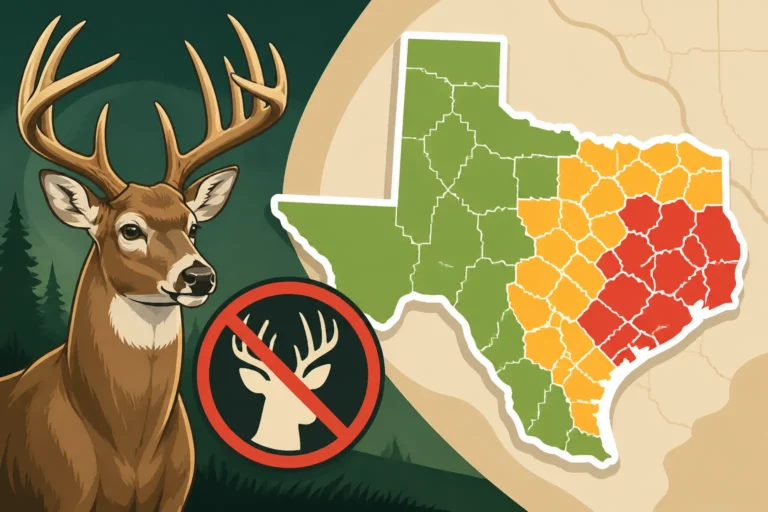
Beyond just management, conservation is a massive driver for regulation changes. We want to make sure our kids and grandkids can experience the incredible hunting heritage we enjoy today. This means making tough decisions sometimes. Population dynamics, which refers to how animal numbers change over time due to births, deaths, and migration, are critical. For example, if chronic wasting disease (CWD) is detected in a new area, TPWD might quickly implement special regulations to contain its spread, which could include mandatory sampling, carcass movement restrictions, or even extended hunting seasons in affected zones to reduce population density. These aren't punitive measures; they're essential steps to protect the long-term health of our deer herds. Understanding CWD in Texas: Zones, Rules & Carcass Transport is crucial for any hunter operating in affected areas.
Anticipated 2026 Regulation Adjustments to Keep an Eye On
While the official regulations for 2026 are still being finalized and typically aren't fully locked in until spring, TPWD usually provides proposed changes well in advance, allowing for public input. Based on recent trends and ongoing wildlife issues, there are a few key areas where hunters might see adjustments for the upcoming season.
Antler Restrictions and Bag Limits
Antler restrictions, like the famous 13-inch rule, are a big one for deer hunters, and they can occasionally be expanded or modified based on population trends and specific county-level management goals. For 2026, keep an eye out for any discussions around adjusting antler restrictions in specific counties, or potentially adding or removing counties from the list that currently operate under the 13-inch rule. These changes are often aimed at improving buck age structure within a herd, allowing younger bucks to mature. For example, a county that has been under the 13-inch rule for several years might see an evaluation of its effectiveness. Similarly, bag limits for antlerless deer (does) are frequently adjusted. If a region has experienced excellent fawn recruitment and a healthy deer population, you might see an increase in the number of antlerless deer tags or an extension of "doe days." Conversely, a tough year with drought or disease might lead to a reduction. Knowing your Texas Antler Restrictions: 13-Inch Rule & Counties is always key, but staying updated year-to-year is vital.
Migratory Bird Season Adjustments
Migratory bird seasons, like those for dove, ducks, and geese, are often subject to changes dictated by federal frameworks in conjunction with TPWD. These frameworks are based on population surveys across North America. For 2026, pay close attention to the specific zone dates for Texas Dove Season 2026: Zones & Dates and Texas Duck & Waterfowl Season 2026: Zones. It's not uncommon for opening or closing dates to shift by a few days, or for daily bag limits to be adjusted based on the health of migratory bird populations. Water conditions, especially for ducks and geese, play a huge role in their migration patterns and population distribution, which can influence hunting opportunities. Don't be surprised if there are minor tweaks to the High Plains, North, or South zones, so always double-check the latest federal and state guidelines well before you plan your hunts.
Chronic Wasting Disease CWD Updates
CWD remains a significant concern for wildlife managers and hunters alike. We've seen an increase in monitoring efforts, particularly in identified CWD zones across Texas. For 2026, it's highly probable that TPWD will continue to refine its CWD management strategies. This could mean adjusting the boundaries of existing CWD zones, implementing new mandatory testing requirements in newly affected areas, or even modifying carcass movement rules to prevent the spread of the disease. Hunters should anticipate mandatory check stations or self-serve drop-off locations for sample collection if they harvest a deer, elk, or other susceptible cervid within or near a CWD zone. The rules around transporting deer carcasses out of a CWD containment zone are especially strict and are frequently updated. Always confirm the latest CWD regulations for your hunting location before heading afield.
Feral Hog and Exotic Game Management
Feral hogs are, of course, a year-round concern in Texas, and typically, there's no closed season or bag limit on private land. This is largely because they're considered an invasive species. However, TPWD might introduce specific programs or initiatives to encourage further hog removal, especially in areas where they pose a significant threat to agriculture or native wildlife. For example, there might be renewed efforts to promote specific trapping methods or even public land hunts. While exotic game like Axis deer and Aoudad are mostly managed by landowners due to their non-native status, TPWD does provide guidance. Any significant changes in their management are usually minor, often focusing on best practices for harvesting and ethical treatment, but it's worth a quick glance at the updated regulations, particularly if you're exploring Exotic Hunting in Texas: Axis, Aoudad, Blackbuck & More.
Understanding the Public Input Process
You might feel like these changes just appear out of nowhere, but that's not the case at all! TPWD actually has a robust public input process designed to gather feedback from hunters, landowners, and other interested Texans before regulations are finalized. Your voice, and the voices of your fellow hunters, really do matter.
TPWD Advisory Committees and Biologist Recommendations
The journey of a regulation change often starts with TPWD's biologists and various advisory committees. These professionals are the ones closest to the ground, observing trends, analyzing data, and identifying areas where current regulations might not be serving the best interests of wildlife or hunters. For instance, local TPWD biologists might observe a declining deer population in a specific county due to habitat loss or disease, and they'll recommend a reduction in antlerless tags. These recommendations are then reviewed by various internal committees before being proposed to the Texas Parks and Wildlife Commission. This commission is ultimately responsible for approving all statewide hunting and fishing regulations. This is where the scientific data meets the practical realities of managing game and providing hunting opportunities.
Public Hearings and Online Surveys
Once proposed regulations are drafted, they are released for public comment. This is your chance to weigh in! TPWD holds public hearings across the state, usually in January and February, to present the proposed changes and hear directly from citizens. These meetings are usually well-advertised on their website and through local media. Beyond attending a meeting, TPWD also conducts online surveys where you can submit your comments on specific proposals from the comfort of your own home. They collect all this feedback, consolidate it, and present it to the Texas Parks and Wildlife Commission. While not every suggestion can be implemented, significant public outcry or strong, well-reasoned arguments can absolutely influence the final decisions. It's a fundamental part of the democratic process of wildlife management.
Staying Ahead of the Curve: Your Information Toolkit
Navigating regulation changes can be daunting, but with a few proactive steps, you can stay informed and ensure you're always up to date. Don't rely solely on what you hear around the campfire; make it a habit to check official sources.
The Texas Outdoor Annual: Your Essential Guide
Hands down, the most critical resource for any Texas hunter is the Texas Outdoor Annual. This comprehensive guide is published annually by TPWD and contains all the current hunting and fishing regulations for the state. While the print version is readily available at sporting goods stores, TPWD offices, and license retailers, the digital version online is often updated with the very latest information, sometimes even before the printed copies hit the shelves. Make it a point to download the newest version as soon as it's released each summer. It's organized by game species, county, and zone, making it relatively easy to find the specific information you need for your hunt. Don't just skim it; take the time to read the sections relevant to your planned activities.
Here’s a quick overview of what to check in the Outdoor Annual:
| Regulation Category | What to Look For Annually | Impact on Hunters |
|---|---|---|
| Season Dates | Opening/closing dates for specific game, special late seasons, youth seasons. | Determines when you can hunt specific species. |
| Bag Limits | Daily/annual limits for bucks, does, turkeys, migratory birds, etc. | Dictates how many animals you can harvest. |
| Antler Restrictions | Changes to the 13-inch rule, antlerless permits, county-specific exemptions. | Affects target selection and legal harvest of bucks. |
| CWD Zones & Rules | New CWD zones, mandatory testing, carcass transport restrictions. | Influences where you can hunt, mandatory testing, and how you process/transport. |
| Legal Means & Methods | Approved firearms, archery equipment, general hunting practices. | Ensures you're using legal equipment and techniques. |
| License Requirements | Any updates to license types, endorsements, or hunter education requirements. | Confirms you have the proper Texas Hunting License: Cost, Types & How to Buy (2026). |
| Harvest Reporting | Counties requiring reporting, methods for reporting (My Texas Hunt Harvest app). | Ensures compliance with data collection for wildlife management, especially for Texas Hunting Tags & Harvest Reporting (My Texas Hunt Harvest). |
Official TPWD Resources and Newsletters
Beyond the Outdoor Annual, TPWD offers several other excellent resources. Their official website is a treasure trove of information, with dedicated sections for press releases, proposed regulations, and news updates. I highly recommend signing up for their email newsletters. You can often tailor these subscriptions to specific topics, like "Hunting News" or "Wildlife Management," ensuring you receive timely alerts about proposed changes, public meetings, and final rule adoptions directly in your inbox. This can be particularly useful for staying informed about specific species like Rio Grande Turkey Hunting in Texas or for general updates on Texas Hunting Seasons: Complete Calendar by Species. Following TPWD's official social media channels can also provide quick updates and reminders, though always cross-reference with their website for full details.
Hunter Education and Local Contacts
Even if you've been hunting for decades, a refresher on hunter education can sometimes highlight areas you might have overlooked or forgotten. The courses, whether online or in-person, emphasize legal and ethical hunting practices, which inherently ties into understanding and respecting regulations. Furthermore, don't underestimate the value of local resources. If you have questions that aren't clearly answered, reaching out to your local TPWD game warden or wildlife biologist can provide direct, accurate answers specific to your area. They are often the best source for localized information, especially regarding specific land types or unique regional challenges. Building a good relationship with these local contacts can be incredibly beneficial for staying truly informed.
Disclaimer
Please note that the information provided in this article is for general guidance and informational purposes only. Hunting regulations are subject to change, and while we strive to provide accurate and up-to-date content, the official Texas Parks and Wildlife Department (TPWD) Outdoor Annual and their official website are the ultimate authoritative sources for all hunting regulations. Always consult the latest official TPWD publications before engaging in any hunting activities.