Best WMAs for Deer Hunting in Texas
Finding a good deer hunting spot in Texas can feel like searching for a needle in a haystack, especially when you're looking at public land. With so much private property, many hunters get discouraged, thinking quality public deer hunting is a myth. But it’s not! This guide is here to walk you through the best Wildlife Management Areas (WMAs) in Texas where you truly have a shot at some fantastic deer hunting, breaking down what makes them stand out and how to prepare for a successful hunt.
Understanding Texas WMAs for Deer Hunting
Wildlife Management Areas, or WMAs, are parcels of land managed by the Texas Parks and Wildlife Department (TPWD) with a primary goal: to enhance and conserve wildlife habitat and provide public recreational opportunities like hunting and fishing. For deer hunters, these areas offer a precious commodity – access to huntable land without the hefty price tag of a private lease.
What are Wildlife Management Areas WMAs
Think of WMAs as nature's laboratories and public playgrounds all rolled into one. TPWD biologists actively manage these lands to ensure healthy wildlife populations, which often means prescribed burns, habitat restoration, and careful population monitoring. This dedicated management often translates into robust deer herds, which is great news for hunters. Unlike federal lands, Texas WMAs are specifically tailored to the unique ecosystems of our state, from the dense brush of South Texas to the rugged mountains of the Trans-Pecos. They are crucial for hunters who don't have access to private land or simply prefer the challenge and reward of public land hunting.
The Reality of Public Land Hunting in Texas
Let's be real, public land hunting in Texas isn't always easy. It can be crowded, physically demanding, and often requires more effort in scouting and strategy than a well-managed private lease. You're not just competing with other hunters; you're often hunting smarter, working with diverse terrain, and adhering to stricter regulations. This isn't a complaint, it's just the truth. Many WMAs are smaller than national forests, meaning intense pressure can concentrate animals, making them more nocturnal or wary. However, this challenge is precisely what draws many hunters. The satisfaction of earning a deer on public land, especially in a state dominated by private ownership, is immense. It forces you to become a better hunter, honing your skills in scouting, tracking, and understanding deer behavior.
Navigating the Annual Public Hunting Permit
To even step foot on most WMAs for hunting, you're going to need an Annual Public Hunting (APH) Permit, often called the "Type 1 Carcass Tag" or "APH Permit" which costs around $48. This isn't just a formality; it's your golden ticket. The APH Permit grants you access to most general public hunting lands, but it's important to remember that many premier deer hunting opportunities on WMAs are part of the state's drawn hunt system. So, while the APH Permit gets you into the general areas, always check the specific regulations for the WMA you're interested in. Some WMAs have portions open to APH permit holders for certain species or seasons, while their prime deer hunting is reserved for drawn hunts only. Knowing the difference can save you a lot of frustration and wasted trips. You can find detailed information in the yearly Texas Parks and Wildlife Outdoor Annual, which is a must-have resource.
Key Factors for Choosing a WMA
Selecting the right WMA for your deer hunt involves more than just picking a name off a map. You need to consider several critical factors to align your expectations with the realities of the area.
Deer Population and Habitat Quality
The cornerstone of any successful deer hunt is a healthy deer population, and that starts with quality habitat. TPWD manages WMAs with this in mind, but natural factors like rainfall, drought, and disease outbreaks can still influence herd numbers and antler quality. When researching a WMA, look for information on its habitat. Does it primarily consist of dense brush, open mesquite flats, or timbered areas? Different habitats favor different deer behaviors and offer distinct hunting challenges. For instance, a WMA in the South Texas Brush Country like Chaparral WMA will offer completely different terrain and tactics than one in the Pineywoods. A thriving habitat means more food, cover, and water, which in turn supports more deer and better antler growth. Don't be afraid to dig into annual reports or WMA-specific management plans if you can find them. These often contain valuable insights into herd health and management strategies.
Hunting Pressure and Access
This is often the biggest deterrent for public land hunters, but it can also be an advantage if you're willing to work harder. Popular WMAs, especially those with good reputations or close to major metropolitan areas, will naturally see higher hunting pressure. This means early mornings at the gate, packed parking lots, and likely seeing other hunters afield. However, pressure can be mitigated by choosing areas with tougher access, like those requiring long hikes, wading across creeks, or navigating dense thorny brush. Hunters using tools like onX Hunt can often identify less-traveled areas by looking at topo maps and satellite imagery to find those hidden pockets other hunters overlook. Knowing the lay of the land, potential entry points, and where deer might seek refuge from pressure is key. Look for WMAs with multiple access points to spread out hunters, or those with varied terrain that naturally disperses people.
Specific Hunt Opportunities Drawn Hunts vs. Open Hunts
Many of the best deer hunting opportunities on Texas WMAs are allocated through the Public Hunt Drawing System. This system allows hunters to apply for limited-entry hunts that offer higher success rates, lower hunter density, and often access to prime areas or unique species. These drawn hunts can range from general deer permits to specific antlerless, youth, or even archery-only hunts. While the odds can sometimes feel like winning the lottery, the quality of these hunts often makes the application process worthwhile.
On the other hand, some WMAs offer "open hunts" for APH Permit holders, meaning you just show up during designated seasons and hunt. These typically have lower success rates but offer more flexibility. Always check the specific WMA's regulations in the Outdoor Annual or on the TPWD website. For instance, you might find a WMA has an open hunt for archery deer in one unit but requires a drawn permit for general firearms deer in another. Understanding these distinctions is crucial for planning. Websites like GoHunt also provide valuable information and draw odds for different hunts, helping you strategize your applications.
Top WMAs for Deer Hunting in Texas
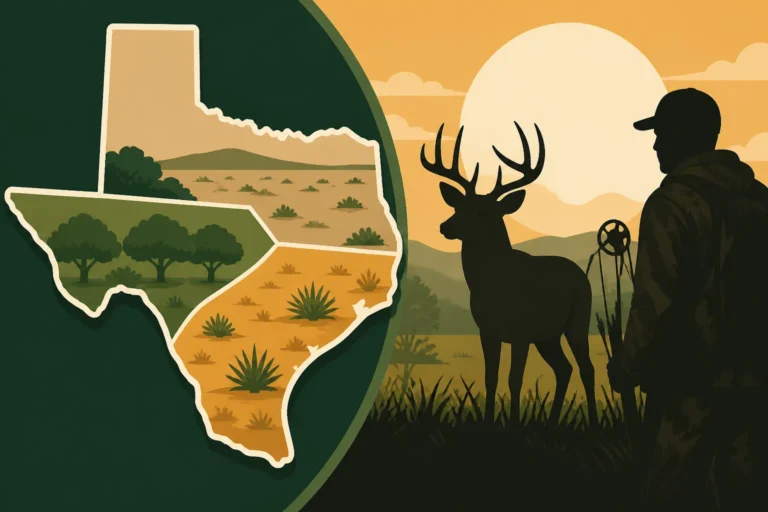
Texas is a vast state with diverse ecological regions, and its WMAs reflect this variety. While many WMAs offer fantastic hunting for various species, a few truly stand out for deer hunters, offering unique experiences and solid opportunities.
Kerr Wildlife Management Area Edwards Plateau
Located in the heart of the Texas Hill Country, the Kerr WMA is a legendary name among Texas deer hunters and wildlife enthusiasts. This WMA is renowned for its intensive deer research, which has contributed significantly to our understanding of deer management and nutrition in the Edwards Plateau region. What does this mean for hunters? It means extremely well-managed habitat and a deer herd known for its potential for quality bucks.
The Kerr WMA is primarily a drawn hunt area, offering a limited number of opportunities each year for both general deer and youth hunts. Success rates here can be quite high compared to other public lands, reflecting the quality of the deer herd and the controlled hunter numbers. Terrain consists of rolling hills, dense juniper breaks, and oak mottes, making for challenging but rewarding hunting. Hunters should be prepared for typical Hill Country conditions, including rocky terrain and varied elevation. Scouting is essential, and understanding deer movement patterns in the juniper cover is critical. The chance to harvest a quality Hill Country buck here is a real draw, but getting a tag means playing the lottery. Information on how to apply for Texas Drawn Hunts is readily available through TPWD.
Gus Engeling Wildlife Management Area Post Oak Savannah
Nestled in the Post Oak Savannah region of East Central Texas, the Gus Engeling WMA offers a completely different hunting experience than the Hill Country. This area is characterized by sandy soils, mixed hardwood and pine forests, and numerous drainages. It's a fantastic example of a WMA managed for healthy timber and wildlife diversity, which includes a thriving white-tailed deer population.
Like Kerr, most deer hunting at Gus Engeling is through the drawn hunt system. They offer a mix of general deer hunts, youth hunts, and sometimes antlerless-only opportunities. The deer here are typical Post Oak Savannah deer—perhaps not as large-bodied as South Texas bucks, but often sporting respectable antlers. The habitat management here often includes prescribed burns and timber thinning, creating excellent browse and cover. Hunters should expect dense cover in places, requiring stealthy movement and patience. Focus on edges, creek bottoms, and areas with good mast crop. The terrain is generally flatter than the Hill Country, but the thick brush can make tracking and shot recovery challenging. This WMA is also well-known for its wild turkey populations, making it a diverse hunting ground.
Chaparral Wildlife Management Area South Texas Brush Country
For those dreaming of hunting true South Texas brush country, the Chaparral WMA in Dimmit and La Salle counties is a premier destination. This sprawling WMA embodies everything iconic about South Texas: dense, thorny brush, abundant prickly pear, and the potential for exceptional white-tailed deer. If you've always wanted to experience the famed South Texas hunting without a multi-thousand-dollar lease, this is your chance.
The Chaparral WMA operates primarily through drawn hunts for deer, offering opportunities for both general and antlerless harvest. The deer here benefit from the rich browse of the brush country, allowing them to express their full genetic potential. Hunters should be prepared for physically demanding hunts, pushing through thick brush that can seem impenetrable. Having good snake boots and durable clothing is an absolute must. Success often comes down to patience, finding natural travel corridors, and knowing how to still-hunt quietly through the dense cover. Many hunters here use blinds overlooking senderos or natural openings, but active hunting can also be highly effective. Understanding the South Texas Trophy Whitetail: Brush Country Bucks and their habits in this environment is key. The sheer wildness and solitude, even with other hunters present, make this a truly authentic Texas hunting experience.
Black Gap Wildlife Management Area Trans-Pecos Mountains
If you're looking for a hunting adventure that feels truly remote and rugged, the Black Gap WMA in the Trans-Pecos region is unparalleled. Located southeast of Big Bend National Park, this WMA is characterized by its dramatic mountain ranges, deep canyons, and vast open desert. While the deer density isn't as high as in other WMAs, it offers unique opportunities for both desert mule deer and javelina.
Deer hunting at Black Gap is predominantly through drawn hunts for mule deer, with occasional opportunities for white-tailed deer in specific canyon habitats. This isn't a place for casual hunting; it requires excellent physical conditioning, superior navigation skills, and a willingness to cover vast amounts of ground. Spot-and-stalk hunting is the name of the game here, often using optics to glass distant slopes and canyon rims. Hunters should be proficient with long-range shooting and prepared for extreme weather conditions, from scorching heat to sudden cold fronts. Access can be challenging, with many areas requiring high-clearance 4×4 vehicles. The reward, however, is an unforgettable experience in some of Texas' most breathtaking and wild landscapes. If you're serious about Mule Deer Hunting in Texas: Panhandle & Trans-Pecos, Black Gap should be on your radar.
Here's a quick comparison of these top WMAs:
| WMA Name | Region | Primary Deer Species | Hunt Type (Deer) | Terrain & Habitat | Key Challenge |
|---|---|---|---|---|---|
| Kerr WMA | Edwards Plateau | White-tailed Deer | Drawn Hunts | Rolling hills, juniper, oak mottes | Getting a drawn hunt permit |
| Gus Engeling WMA | Post Oak Savannah | White-tailed Deer | Drawn Hunts | Mixed hardwoods, pines, sandy soils, dense brush | Thick cover, stealthy movement |
| Chaparral WMA | South Texas Brush Cnty | White-tailed Deer | Drawn Hunts | Dense thorny brush, prickly pear, mesquite | Extremely dense cover, heat |
| Black Gap WMA | Trans-Pecos Mountains | Mule Deer, White-tailed | Drawn Hunts (Mule Deer) | Rugged mountains, canyons, desert | Physical demands, vast open country |
Maximizing Your Success on WMA Hunts
Hunting WMAs, especially for deer, demands a different approach than private land. It's not just about showing up; it's about smart preparation and adaptable tactics.
Pre-Season Scouting and E-Scouting
This cannot be stressed enough: scouting is paramount for WMA success. With hunting pressure often higher and deer patterns more unpredictable, understanding the terrain before you hunt is crucial. If possible, make a physical scouting trip or two during the off-season. Look for water sources, natural travel corridors, bedding areas, and pinch points. Pay attention to any sign of deer activity—tracks, rubs, scrapes, and droppings.
If a physical trip isn't feasible (which is often the case for drawn hunts far from home), then e-scouting becomes your best friend. Utilize satellite imagery and topographic maps from apps like onX Hunt or desktop programs. Identify potential bedding areas on thick north-facing slopes, food sources in clearings or creek bottoms, and access routes that might be overlooked by other hunters. Mark potential stand locations, water sources, and escape routes. This digital legwork can give you a significant advantage, allowing you to hit the ground running when your hunt starts.
Adapting to WMA-Specific Regulations
Each WMA often has its own set of rules that go beyond the general statewide regulations. These might include specific check-in/check-out procedures, designated hunting zones, restrictions on vehicle access, special bag limits, or even limitations on how you can retrieve game. For example, some WMAs might have different antler restrictions than the county's general rules, or specific regulations on the use of feeders. Always read the WMA-specific rules provided by TPWD for your hunt. Ignorance is not an excuse, and violating WMA regulations can result in fines or loss of hunting privileges. It’s a good practice to print out the regulations for your specific hunt and have them handy, along with your hunting license and APH permit.
Gear and Tactics for Public Land Success
Success on WMAs often hinges on having the right gear and employing smart tactics.
- Optics: High-quality binoculars and a spotting scope are indispensable, especially for vast areas like Black Gap WMA, but also crucial for picking apart dense cover in South Texas or the Hill Country. A good rangefinder is also a must-have.
- Navigation: A reliable GPS unit or a hunting app like onX Hunt on your phone (with downloaded offline maps!) is non-negotiable. Knowing precisely where you are and where boundaries lie is critical.
- Footwear & Clothing: Durable, comfortable, and broken-in boots are essential for covering ground. Snake boots are highly recommended for most Texas regions. Layered clothing that allows for temperature fluctuations is also key. Lightweight, breathable camo for Early-Season Camo for Texas Heat will serve you well.
- Patience & Persistence: Deer on public land are often pressured and highly alert. Still-hunting slowly, sitting longer than you think you need to, and being willing to adapt your plans based on current conditions will increase your odds.
- Game Retrieval: Consider a game cart or having a plan for quartering and packing out your deer, especially in remote areas or those with vehicle restrictions. Knowing How to Field Dress a Deer in Hot Weather is also critical for meat care.
- Calling: Don't underestimate the power of calling on public land. Subtle grunts or doe bleats can sometimes draw in a curious buck, especially during the rut.
Navigating the Public Hunt Draw System
For many of the top WMAs, especially those offering prime deer hunting, success hinges on getting drawn for a limited-entry permit. This system is designed to manage hunter numbers and ensure a quality experience, but it can be a source of frustration for many.
Understanding the Application Process
The Texas Public Hunt Drawing System, managed by TPWD, is where you apply for specific drawn hunts. It's an online system, and the application period typically opens in mid-summer and runs through various deadlines depending on the hunt category. You can apply for a wide range of hunts, including general white-tailed deer, antlerless deer, mule deer, exotic species, and even alligator or javelina. Each application typically costs a small fee ($3-$10 per category).
The process involves selecting the specific WMA and hunt dates you desire, and you can apply for multiple hunts within different categories. It's crucial to pay close attention to the deadlines for each category, as they vary. For example, drawn hunts for early season deer or exotic hunts might have earlier deadlines than some late-season opportunities. Always review the "Hunts Offered" section on the TPWD website and the Public Hunt Catalog carefully, as it provides detailed information on what species, dates, and access types are available for each WMA. Resources like GoHunt often compile draw odds and strategy tips, which can be invaluable.
Improving Your Odds and What to Expect
While the draw system can feel like a lottery, there are ways to slightly improve your odds or at least manage your expectations.
- Apply for Less Popular Hunts: Hunts during weekdays, outside of peak rut, or in more remote WMAs often have lower applicant numbers, thus increasing your chances. Youth-only hunts also typically have better odds for eligible hunters.
- Accumulate Preference Points (if applicable): Some states use preference points to improve your odds over time, but in Texas, it's generally a random draw for most hunts. However, applying consistently shows dedication and keeps you in the game. For certain categories like "E-Postcard" hunts, hunters who apply more often may eventually get lucky.
- Team Up: Some drawn hunts allow group applications. This means if one person in your group is drawn, everyone in the group gets a permit. This can be a great way to hunt with friends or family, but it doesn't necessarily improve your individual odds of the group being drawn.
- Manage Expectations: Understand that getting drawn, especially for prime hunts at top-tier WMAs like Kerr or Chaparral, can take several years of consistent application. Don't put all your eggs in one basket; consider applying for multiple hunts across different WMAs and categories. The goal is to get any drawn hunt, not just the absolute most popular one. Persistence is key!
Hunting WMAs in Texas is a fantastic way to experience public land hunting, offering both challenges and incredible rewards. With careful planning, understanding the regulations, and honing your skills, you can absolutely find success and create lasting memories on these valuable state lands.
Disclaimer
Please note that hunting regulations, season dates, and WMA rules can change annually. Always consult the most current Texas Parks and Wildlife Department Outdoor Annual and specific WMA regulations before planning any hunt. This guide is for informational purposes only and does not supersede official TPWD guidelines.