Blue Quail Hunting Tactics for Texas
If you have ever spent a grueling afternoon in the Trans-Pecos chasing a "Blue Streak" only to end up with a face full of catclaw and empty pockets, you know the unique frustration of hunting Scaled Quail. This guide solves the tactical puzzle of outsmarting the desert’s fastest runners, ensuring you spend less time sprinting and more time shooting.
Understanding the Scaled Quail Mentality
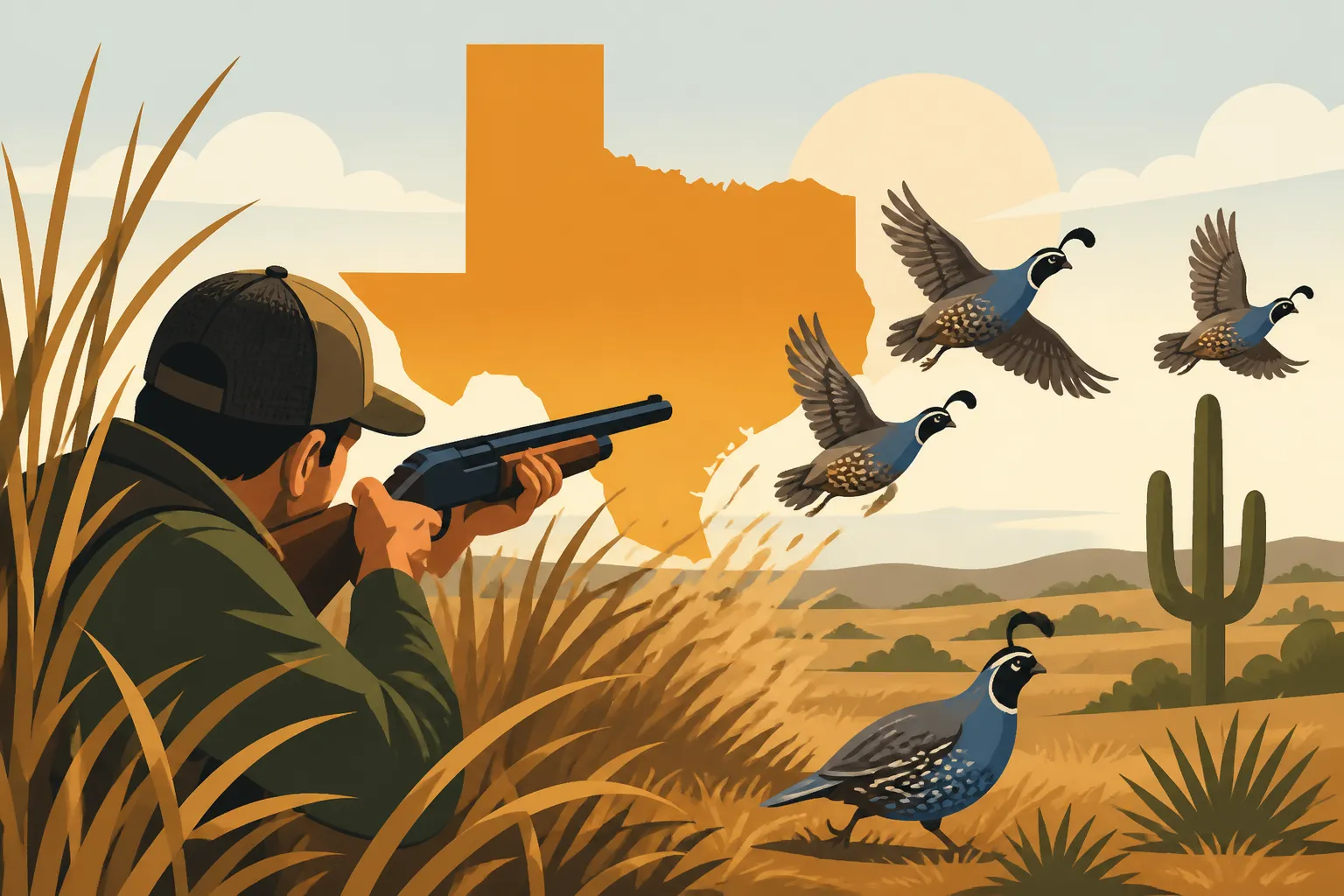
To successfully hunt Blue Quail, you have to stop thinking like a traditional upland hunter and start thinking like a desert survivalist. Unlike their cousins, the Bobwhites, who generally prefer to hunkering down in thick overhead cover and waiting for a dog to point them, Scaled Quail—often called "Blues" or "Cotton-tops"—rely on their legs. They are the marathon runners of the bird world. If they see you from a hundred yards away, their first instinct isn't to hide; it's to put another two hundred yards between you and them at a speed that would make a track star blush.
In the arid regions of West Texas and the Rolling Plains, cover is often sparse and prickly. A Blue Quail’s home is among the greasewood, mesquite, and prickly pear. They use this environment to their advantage, weaving through thorns that would shred a hunter’s chaps. Understanding this "run-first" mentality is the key to changing your approach. You aren't just looking for birds; you are engaging in a low-intensity pursuit that requires patience and a high level of physical fitness. Because these birds live in such harsh environments, they are also highly attuned to water sources and localized rainfall. When you are learning How to Hunt Bobwhite Quail in Texas (Step by Step), you’ll notice they stick to the edges of fields. Blues, however, are just as happy in the middle of a vast, rocky drainage as they are near a windmill.
Essential Gear for the Texas Desert
The terrain where Scaled Quail thrive is arguably the most unforgiving landscape in the Lone Star State. If you aren't prepared, the environment will break your gear and your spirit before you even find a covey. First and foremost, you need to think about your feet. The ground is a mix of jagged limestone, loose volcanic rock, and every variety of "poke-and-stab" vegetation imaginable. This is why investing in the Best Snake Boots for Texas Hunting is non-negotiable. Not only do you have to worry about the terrain, but the Trans-Pecos is prime rattlesnake territory, even during the cooler months of the quail season.
Beyond footwear, your clothing needs to be a balance of breathability and toughness. You will be walking miles—sometimes ten or twelve in a single day—so heavy canvas can lead to overheating. However, if you wear thin hiking pants, the catclaw and mesquite will tear them to ribbons. Many hunters find that searching for brush-busting gaiters or specialized upland pants on Amazon is the best way to gear up without breaking the bank. You should also consider your hydration. The desert air is incredibly dry, and you’ll be losing moisture faster than you realize. I always recommend checking Amazon for high-quality hydration bladders that fit into your bird vest so you can sip water on the move without stopping.
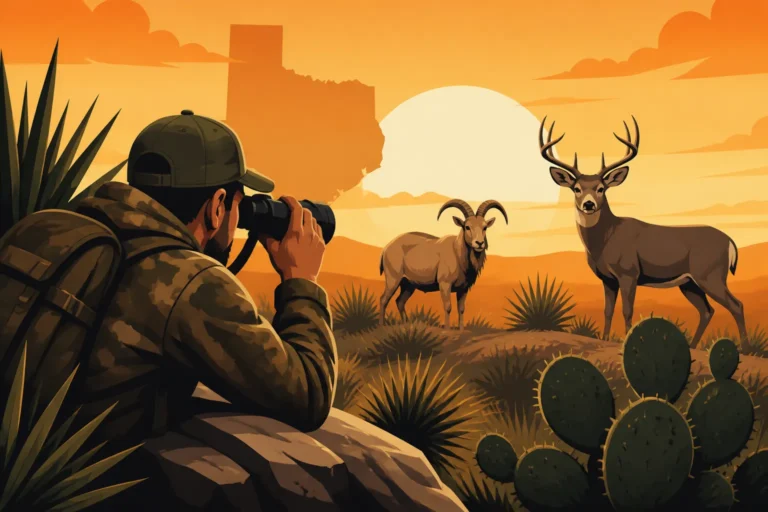
When it comes to your firearm, a lightweight 20-gauge or 12-gauge is the standard. You’ll be carrying this gun over miles of uneven ground, so every ounce matters. Because Scaled Quail often flush at longer distances than Bobwhites, you might want to tighten up your choke. An Improved Cylinder or Modified choke is usually the Best Hunting Method for Blue Quail in Texas when the birds are jumpy. As for optics, having a pair of lightweight 8×42 binoculars is helpful for glassing distant hillsides or looking for the "cotton-top" crest of a bird sitting on a rock. You can find several Best Hunting Optics for Texas: Scopes, Binos & Rangefinders that are designed for the wide-open spaces of the West.
Field Tactics for Successfully Pinning a Covey
Since we know these birds love to run, the most effective tactic is the "Cut-Off." If you simply walk behind a covey of Blues, they will stay exactly thirty yards ahead of you until you are both exhausted. Instead, you need to use the terrain. If you spot a covey running toward a ridge or a thick patch of brush, don't follow their tail. Instead, swing wide and try to get ahead of them. If you can get between the birds and their intended cover, they will often "lock up" or flush back toward your hunting partner. This requires constant communication and a good understanding of the Best Hunting Method for Blue Quail in Texas.
Another tactic is what I call "The Pressure Game." When you find a covey and they start running, you have to keep the pressure on them without sprinting. Walk fast, and if they disappear behind a hill, get to the top of that hill as quickly as possible. The goal is to tire them out or make them feel so pressured that they finally decide to hunker down in a bush. Once they stop running and start hiding, that is when you get those classic upland flushes. This is also where a well-trained dog can be a lifesaver, though you have to be careful. Many dogs used to Bobwhites will get frustrated with Blues and begin "creeping" or breaking point. A dog with a big motor and a lot of experience in the desert is the only way to go.
| Feature | Scaled Quail (Blue Quail) | Northern Bobwhite Quail |
|---|---|---|
| Primary Habitat | Arid Desert, Scrubland, Rocky Slopes | Grasslands, Brushy Edges, Farmland |
| Escape Instinct | Run first, fly as a last resort | Hold tight/Hide, explosive flush |
| Covey Size | Large (often 20-60 birds) | Medium (often 10-20 birds) |
| Typical Flush Distance | 20 to 40 yards | 5 to 15 yards |
| Diet | Seeds, green herbage, insects | Primarily seeds and insects |
| Terrain Difficulty | High (rocky, thorny, steep) | Moderate (fields and thickets) |
Where to Find Blue Quail in Texas
Finding Blues usually means heading west of the 100th meridian. While you can find them in the Rolling Plains, the highest densities are found in the Trans-Pecos region. If you are looking for public land opportunities, Texas has some fantastic options, though they are remote. The Elephant Mountain WMA Hunting & Draw Info is a great place to start, as this area is famous for its Scaled Quail populations. Another legendary spot is the Black Gap WMA Hunting & Draw Info, located right on the border near Big Bend National Park. These areas require an Annual Public Hunting Permit and often a lot of scouting.
For those who prefer a more controlled environment, private leases are the way to go. However, knowing How to Scout a New Hunting Lease in Texas is vital because quail populations are "boom or bust." You want to look for properties that have diverse desert vegetation and, most importantly, permanent water. Look for "guzzlers" or cattle troughs. Even in a dry year, if there is a reliable water source, the birds will congregate nearby. If you are hunting on a lease, remember that Blues are nomadic. They might be on one side of the ranch in the morning and a mile away by the afternoon. Tracking their movements requires checking the Texas Quail Season Dates 2026 and spending time on the ground before opening day.
If you are just starting out, you might want to look into How to Hunt Bobwhite Quail on a Texas Lease first to get a feel for quail hunting in general, but nothing compares to the rugged challenge of the West Texas desert. It’s a different world out there, and the birds are just as tough as the cactus they live under.
Managing the Hunt and Legal Requirements
Before you head out to the canyons, you have to make sure your paperwork is in order. Texas takes its hunting regulations seriously, and quail are no exception. You will need a valid upland game bird endorsement on your license. If you aren't sure which one you need, check the latest Texas Hunting License: Cost, Types & How to Buy (2026) guide to ensure you are legal. Quail season typically runs from late October through February, but the best hunting usually happens after the first real "freeze," which helps knock back some of the thicker vegetation and makes the birds easier to spot.
Always keep an eye on the bag limits, which are usually 15 birds per day, but check the Outdoor Annual for any county-specific changes. It’s also wise to check Amazon for a small, portable GPS or satellite messenger. Cell service is virtually non-existent in the best Blue Quail country, and if you twist an ankle or get lost in a canyon, you'll need a way to call for help. Being prepared isn't just about the birds; it's about making it back to camp at the end of the day. Hunting these "Desert Demons" is a test of endurance, but when that covey finally rises against a West Texas sunset, every mile walked feels worth it.
Disclaimer
The information provided in this guide is for educational and informational purposes only. Hunting regulations, seasons, and bag limits in Texas are subject to change by the Texas Parks and Wildlife Department (TPWD). Always consult the official Texas Outdoor Annual before heading into the field. Hunting in remote desert environments carries inherent risks, including extreme weather and dangerous wildlife; ensure you have proper training and emergency equipment.