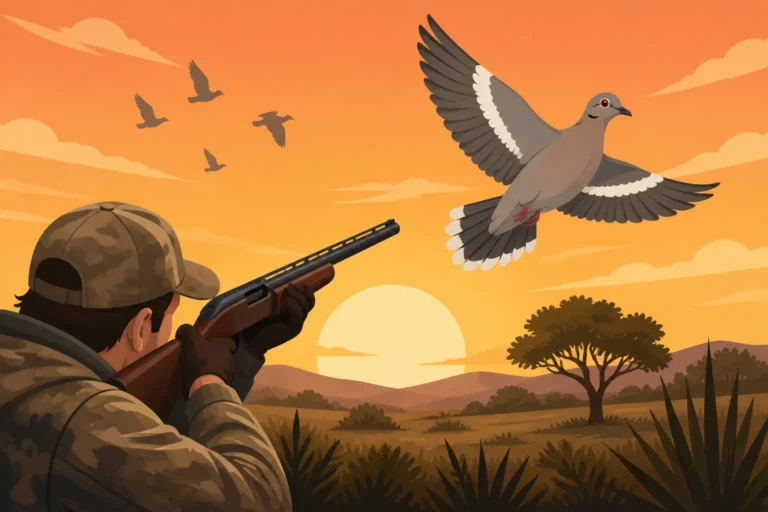
Dove Field Setup: Where to Stand
Oh, the crisp morning air, the excited chatter of friends, and that tell-tale whistle of wings overhead – there's nothing quite like opening day of dove season in Texas. But let's be real, showing up to a field, plopping down anywhere, and hoping for the best often leads to a lot of staring at an empty sky and feeling that familiar frustration as birds zip by just out of range. It's a common struggle, and it comes down to one crucial element: where you set up. This comprehensive guide is all about giving you the strategic insights and practical advice you need to pinpoint the absolute best spots in any dove field, turning those near misses into successful hunts.
Understanding Dove Behavior and Flight Patterns
Before you even think about picking a spot, you've got to get inside the head of a dove. These aren't random flyers; they have predictable habits driven by necessity: food, water, grit, and roosting. Knowing why they fly where they fly is the foundation of a successful setup. Without this fundamental understanding, you're essentially guessing, and nobody wants to waste a beautiful Texas morning guessing.
Daily Routine of Doves
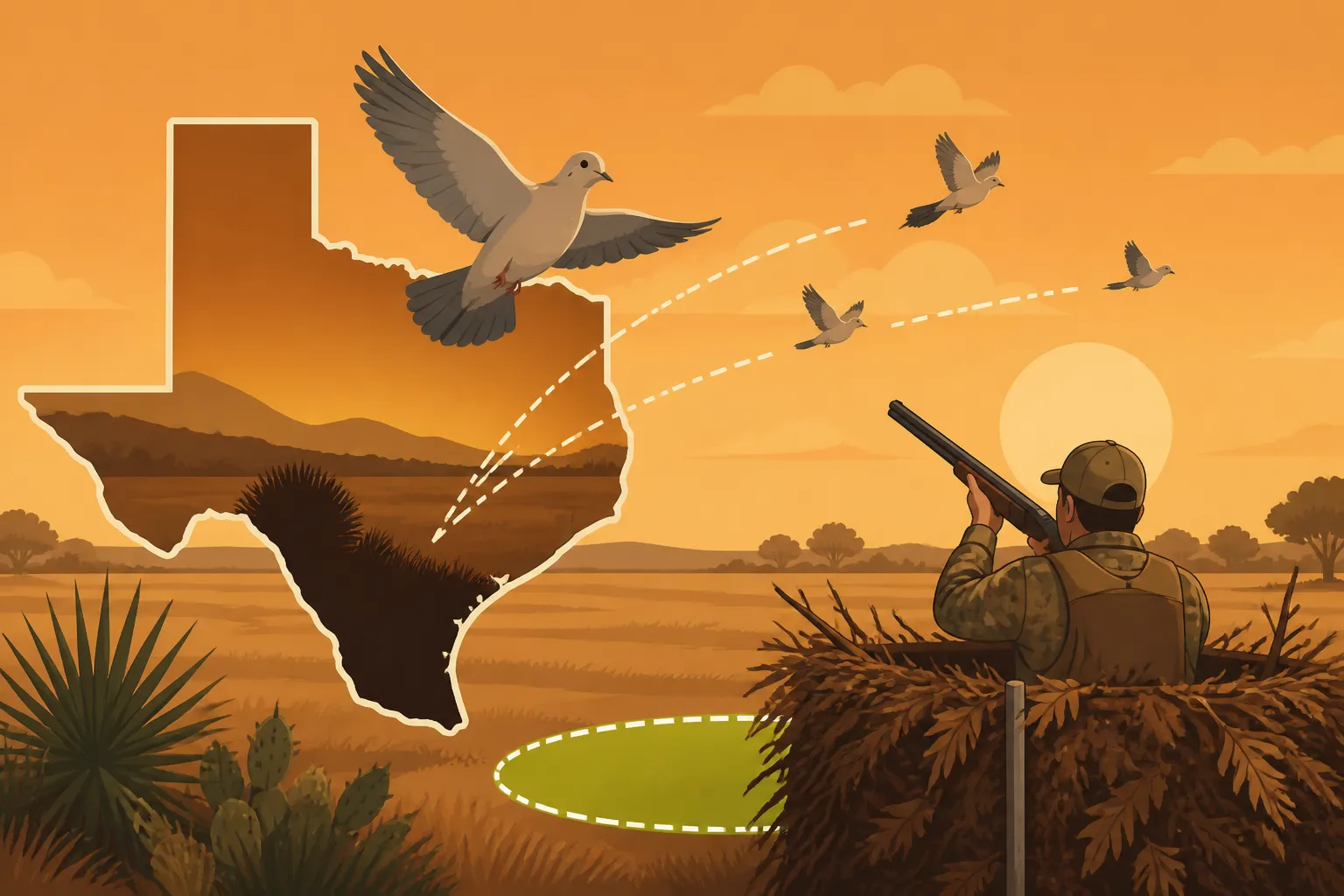
Doves are creatures of habit, especially when it comes to their daily circuit. As the sun begins to climb, they leave their roosting areas, often dense cover or tall trees, and head straight for a breakfast buffet. This primary flight path is crucial. They'll hit feeding fields, like those glorious sunflower or milo plots, where they fill up on seeds. After a good meal, they usually seek out water, which might be a stock pond, a creek, or even a damp spot in a field after a rain. Then it's off to find some grit, those small pebbles or coarse sand that aids in digestion, often found along dirt roads or sandy patches. Finally, as evening approaches, they reverse course, making their way back to their roosts.
Think of it like a commuter's route: home to work, work to the coffee shop, coffee shop to the gym, then back home. Each leg of that journey creates a distinct flight line that you, as a hunter, can intercept. Understanding this cycle helps you anticipate where they'll be at different times of the day. Early morning and late afternoon are generally the peak activity periods, aligning with their feeding and roosting flights. The midday lull is when they might be watering or finding grit, often in shaded areas or heavy cover to escape the heat.
Factors Influencing Flight Paths
Several environmental factors can dramatically alter how doves move across a landscape, making seemingly perfect spots barren and unexpected corners hot. Wind is a massive one; doves, like most birds, prefer to fly into the wind when landing or taking off. This gives them better lift and control. If you've got a strong south wind, expect birds coming into a field to approach from the south, turning into the wind before dropping in. This insight alone can drastically change your setup.
Weather conditions also play a huge role. Hot, dry weather will concentrate birds around water sources, making those spots prime real estate. Cooler temperatures might see them feeding longer and later. Even recent rainfall can affect things; a fresh rain might create temporary puddles that disperse doves from traditional water holes. Topography, such as a subtle rise in a field, a low dip, or a treeline, can act as a natural funnel, guiding doves along specific routes. They'll often follow the path of least resistance or the most cover. Being able to read these natural cues, almost like reading a river for current breaks, is what separates a good dove hunter from a great one.
Scouting Your Dove Field: Reading the Landscape
You wouldn't just wander into a new city without a map, right? The same goes for a dove field. Effective scouting is your map, telling you exactly where the "traffic" is flowing. It’s not just about finding birds; it's about understanding their habits on that specific piece of ground. This is where the real work, and real success, begins.
Pre-Season Reconnaissance
Never, ever wait until opening morning to scout your field. That's a recipe for frustration. Instead, make several trips in the weeks leading up to the season. The more you visit, the more patterns you'll notice. Drive around the perimeter, walk through the fields (if permitted), and pay close attention to any flight lines you observe. Do birds consistently fly along a certain treeline? Are they dropping into a specific corner of a sunflower field? Are there power lines they use as perching spots before descending?
Look for "sign" on the ground: spent shotgun hulls from previous hunts (if it's a known hunting spot), feathers, and most importantly, dove droppings. A concentration of droppings indicates a popular feeding, watering, or loafing area. Keep an eye out for potential water sources nearby – stock tanks, small creeks, or even drainage ditches can be magnets. Also, note any prominent landmarks like dead trees, isolated mesquites, or power poles; these are often initial landing zones for doves before they commit to feeding. For more on preparing for the season, consider checking out this guide on How to Scout for Deer Before Season in Texas, as many scouting principles apply across species.
Identifying Key Field Features
Every dove field has its unique "hot spots" – areas that naturally draw doves in. Your job is to find them. The edges of fields are almost always more productive than the middle. Doves feel safer approaching and departing from cover. Look for variations in crop type or height; a transition from tall corn to shorter milo, for example, can create a natural break that birds follow. Power lines running through or along a field are like superhighways for doves, offering a convenient rest stop before they commit to the ground.
Natural funnels are your best friend. This could be a gap in a treeline, a low saddle between two small hills, or even a fence line that birds consistently fly over. These features concentrate bird traffic into a narrower area, making them easier to intercept. Sometimes, it's as simple as finding a patch of bare, sandy ground within a crop field that birds use for grit. Even a lone, dead tree in the middle of a field can be a magnet, acting as a lookout perch. Don't overlook these subtle features – they are often the keys to a successful setup.
Strategic Stand Placement: Key Considerations
Now that you've scouted and understand dove behavior, it's time to put that knowledge into action by choosing your stand. This isn't just about finding where the birds are; it's about finding where you can best interact with them.
Intercepting Flight Paths and Funnels
The golden rule of dove hunting is to place yourself where doves want to be, or more accurately, where they have to be. This means positioning yourself along their established flight paths between feeding, watering, and roosting areas. If you've identified a consistent line of flight, whether it's over a fence line, along a treeline, or through a gap, set up there.
Consider the angle of approach. Doves are fast and erratic, but if you can position yourself for a shot as they're coming straight at you, or quartering towards you, your chances increase. Avoid setting up directly under a flight path where birds are flying straight over your head – that's a tough shot for most. Instead, try to be slightly off to the side, allowing you to swing through the bird more effectively. A common mistake is setting up too far into a field, where birds might see you and flare before they get within range. Often, the edge of the field, near cover, offers the best blend of concealment and interception. This strategy is similar to how you might approach Mourning Dove Hunting Tactics for Texas or White-Winged Dove Hunting Tactics for Texas, adapting to the specific species' habits.
Using Cover and Concealment
Doves have excellent eyesight, and they've seen enough hunters to be wary. Your ability to blend into your surroundings is paramount. Natural cover is your first line of defense. A clump of mesquite, a thick stand of sunflowers, a fenceline with tall weeds, or even a patch of taller grass can provide the necessary break-up of your outline. Don't be afraid to enhance natural cover with some strategically placed camo netting or brush. The goal is to become part of the landscape, not an obvious lump in the middle of it.
Think about your backdrop. If you stand in front of a wide-open sky, you'll silhouette yourself, making you easily detectable. Instead, try to have some form of background cover behind you, whether it's a treeline, a tall fence, or even a slight rise in the terrain. Remember to stay still! Even with perfect camo, sudden movements will give you away in a heartbeat. Wearing the right attire, like Best Lightweight Camo for September Dove Hunting, can make a significant difference in how well you blend in.
Sun and Wind Direction
Always, always factor in the sun and wind. Ideally, you want the sun at your back, especially in the morning or late afternoon. This puts the sun in the doves' eyes as they approach, making it harder for them to spot you and giving you a clearer view of incoming birds. Nothing ruins a shot like squinting into a blinding sun.
As for the wind, doves prefer to land and take off into it. If the wind is blowing from the north, birds will likely approach a feeding field from the north, turn into the wind, and drop in. Position yourself so that the doves are flying towards you with the wind, allowing for a more predictable and slower approach. You'll often find yourself taking quartering or incoming shots this way. Setting up with the wind at your back, and the sun in your face, is a double whammy for a tough hunt.
Optimizing Your Setup for Different Scenarios
Not all dove fields are created equal, and what works perfectly in a sunflower field might be a bust in a stubble wheat field. Being adaptable and having a few tricks up your sleeve for various situations is key to consistent success.
Hunting Over Specific Crops
Different crops attract doves in different ways, and your setup should reflect this.
- Sunflower Fields: These are dove magnets! Doves love sunflower seeds. When hunting sunflowers, look for thinner patches or rows that have been harvested or browsed, creating bare ground where seeds are exposed. Doves will often land on the standing heads and then drop to the ground. Setting up along the edges, or within a cut strip, can be highly effective. If it's a standing field, look for areas where the sunflowers are shorter or sparse, offering flight corridors.
- Milo/Sorghum Fields: Similar to sunflowers, milo provides excellent food. Birds will often land on the heads and then hop down. Again, edges, cut areas, or thinner patches are prime. Watch for "lean-over" areas where stalks have fallen, exposing the grain.
- Wheat Stubble: After wheat harvest, the stubble fields are full of dropped grains. Doves will work these fields methodically. Here, you often want to be near any isolated trees, power lines, or water sources within or adjacent to the field. Birds will fly to a perch, survey the scene, then drop into the stubble. Setting up on a slight rise can give you a better view, but ensure you have good concealment.
- Bare Ground/Dirt Roads: Doves frequently use bare ground for grit. Look for sandy patches, dirt roads, or even gravel turnarounds within or bordering your hunting area. If you find significant dove sign (droppings) in these areas, a setup nearby can intercept birds going for their daily dose of grit.
Remember that doves often use different fields at different times of the season or day. Early season might see them hammering sunflowers, while later in the season, they might shift to milo or other late-maturing crops.
Using Decoys Effectively
Decoys aren't just for ducks; they can be incredibly effective for doves, especially on slower days or in larger fields where birds might be more spread out. The key is to make your spread look natural and visible.
- Placement: Place decoys on bare ground, along fence lines, or on power lines if feasible. Use a mix of ground decoys and pole-mounted decoys to create a varied, realistic spread. Motion decoys, like spinning wing doves, can be absolute game-changers, especially on calm days when natural movement is minimal. They catch a dove's eye from a distance, drawing them in closer for a look.
- Quantity: You don't need a huge spread, but a dozen or so well-placed decoys can make a difference. Group them in small clusters, mimicking doves feeding or resting.
- Realism: Keep your decoys clean and ensure they're facing into the wind if you're using static ones. This adds to the realism. Set them up about 15-20 yards from your position, creating a natural landing zone that draws birds into comfortable shooting range. For a deeper dive into this, check out How to Use Decoys for Dove Hunting.
Hunting Without a Traditional Field
Sometimes, you don't have access to a classic sunflower field. That's okay! Doves are everywhere, and you can still have a fantastic hunt by understanding their core needs.
- Water Sources: Any stock pond, creek, or even a small muddy puddle in a pasture can be a hotspot, especially during hot, dry periods. Set up in natural cover overlooking the water, focusing on areas where birds have a clear approach and landing zone.
- Grit Lines: As mentioned, dirt roads, sandy washes, or gravel patches are great for grit. Find a well-used grit line, often indicated by droppings, and set up along it with good concealment.
- Roosting Areas: Dense trees, thickets, or even old farmsteads with tall trees can be significant roosting sites. Doves will fly out from and return to these areas. Setting up along the flight paths leading to and from a known roost can be incredibly productive, particularly in the late afternoon.
- Public Lands: Texas offers some great public hunting opportunities. While these might not be manicured dove fields, areas within Wildlife Management Areas (WMAs) often have managed plots or natural areas that attract doves. Early scouting is even more critical here. Look into resources like the Annual Public Hunting Permit: What It Covers to explore these options, or learn How to Hunt Dove Without a Field.
Safety and Etiquette in the Dove Field
Dove hunting is a social activity for many, but safety should always be your number one priority, followed closely by good etiquette. A safe and respectful hunt ensures everyone has a good time and that these opportunities remain available.
Firearm Safety Guidelines
This one is non-negotiable. Always treat every firearm as if it were loaded. Keep your muzzle pointed in a safe direction, typically towards the sky or the ground, and never at another person. Keep your finger off the trigger until you are ready to shoot. Be absolutely sure of your target and what lies beyond it. When doves are flying low, resist the urge to take a shot if it means pointing your gun towards another hunter, a vehicle, or a building.
Wear appropriate eye protection and hearing protection – doves are exciting, but a lifetime of hearing damage isn't worth it. Only load your firearm when you are in your chosen hunting spot and ready to hunt, and unload it completely before moving from your spot or crossing any fences. Remember, communication is vital; let others know your position, and confirm their locations.
Respecting Other Hunters and Landowners
A dove field can be a busy place, especially on opening weekend. Always be mindful of other hunters. Maintain a safe distance from other groups, typically at least 100-150 yards, depending on the terrain and flight patterns. Don't crowd another hunter's setup, and never walk through another hunter's shooting lane. It's not only rude but incredibly dangerous. If you're walking to retrieve a bird, make sure you know where other hunters are and that your path won't put you in harm's way.
If you're hunting on private land, whether it's a lease or you have permission, treat the property with the utmost respect. Pick up all your spent shells, trash, and any other items you bring in. Leave gates as you found them – if it was closed, close it behind you; if it was open, leave it open. Thank the landowner for the opportunity. This goes a long way in ensuring you'll be invited back next year. You might find some helpful insights in Texas Hunting Lease Rules & Etiquette on how to maintain good relationships.
Retrieving Game and Managing Downed Birds
When you shoot a dove, mark its fall immediately. These small birds can disappear quickly in tall grass or thick stubble. Have a system for retrieving; if you're hunting with a group, designate someone to mark falls while others continue shooting, then take turns retrieving. A good retrieving dog is invaluable here! If you don't have a dog, a brightly colored hat or piece of flagging tape can be used to mark the approximate fall location.
Once you retrieve a bird, it's crucial to immediately field dress it, especially in the warm Texas heat. This means removing the entrails to help the meat cool down quickly. Have a cooler with ice handy to store your birds. Failure to cool doves properly can lead to spoilage. Pay attention to bag limits and possession limits as outlined in the Texas Dove Bag Limit & Possession regulations. Always count your birds carefully to ensure you stay legal.
Here's a quick reference table for common dove field setups:
| Field Type | Ideal Stand Placement | Key Considerations | Decoy Strategy |
|---|---|---|---|
| Sunflower/Milo | Edges, cut strips, thinned out rows, near lone trees/power lines | Focus on feeding flights, identify entry/exit points. Sun/wind are crucial for bird approach. | Ground decoys (feeding), pole decoys, spinning wing |
| Wheat Stubble | Near water, grit lines, treelines, elevated spots | Birds often perch before dropping in. Look for concentrated droppings. | Ground decoys (resting/feeding) |
| Water Source | Natural cover overlooking water, along obvious flight path | Birds will fly to water during midday, especially on hot days. Hide well, be patient. | Minimal, if any. Focus on concealment. |
| Grit Line | Concealed along well-used dirt roads or sandy patches | Observe where birds are landing for grit. Can be combined with water source hunt. | Ground decoys (loafing) |
| Roosting Areas | Along flight paths leading to/from dense cover or tall trees | Primarily late afternoon. Birds will be returning to roost. | None needed, focus on intercepting flight. |
Setting up effectively in a dove field is far more than just picking a spot. It's a combination of understanding dove behavior, diligently scouting your chosen area, strategically positioning yourself relative to natural funnels and the elements, and always prioritizing safety and respect. Take the time to learn the land, observe the birds, and adapt your approach. Those efforts will undoubtedly lead to more successful, enjoyable, and memorable days in the Texas dove fields. Happy hunting!
Disclaimer
Please remember that hunting regulations and conditions can change. Always consult the most current Texas Parks and Wildlife Department (TPWD) Outdoor Annual for the latest rules, seasons, and licensing requirements before heading out on your hunt. This guide is for informational purposes only and should not replace official regulations.