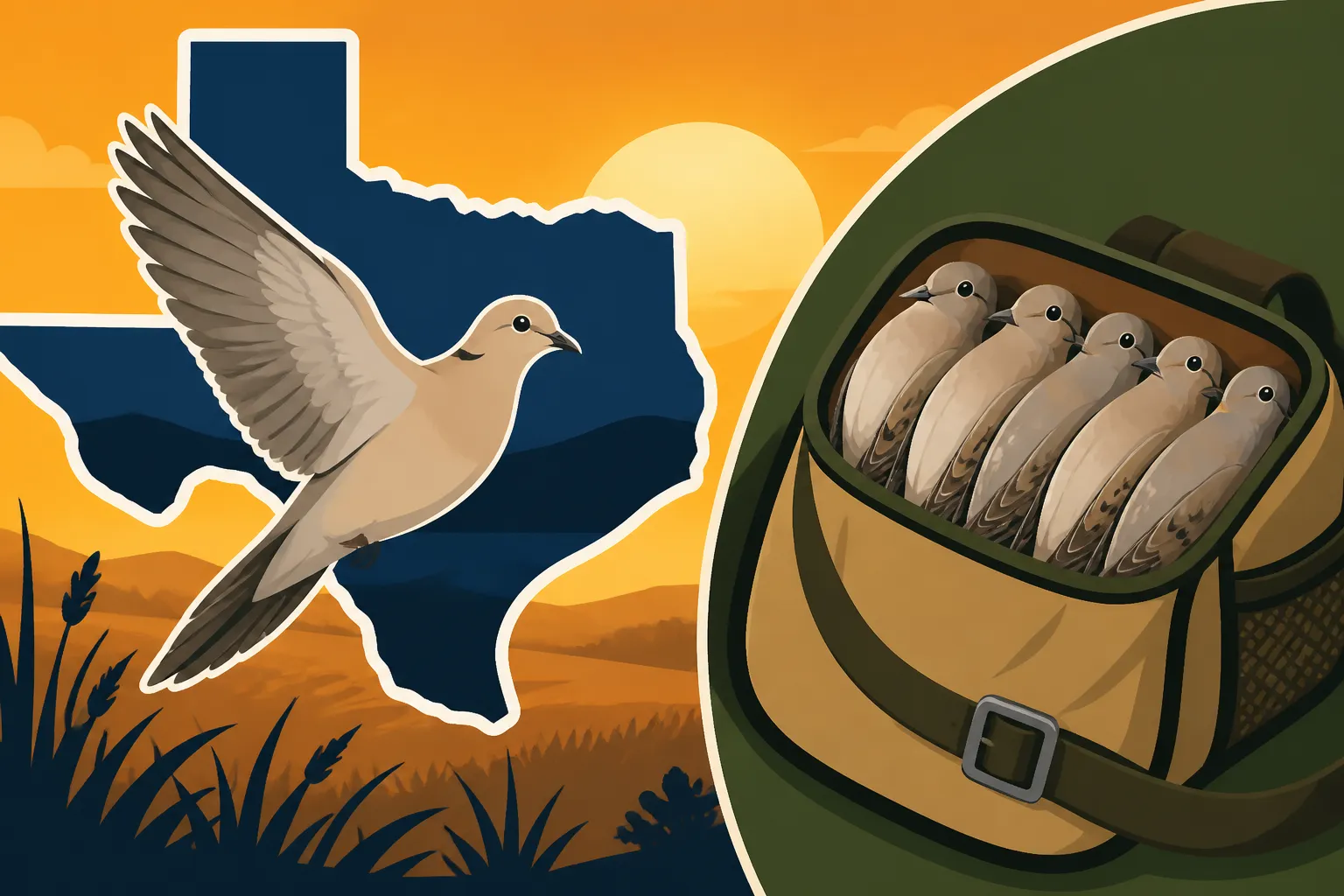
Texas Dove Bag Limit & Possession
Figuring out the exact rules for hunting doves in Texas can feel like trying to hit a fast-flying teal with a slingshot—frustrating and a little confusing. Between different species, varying zones, and those often-overlooked possession limits, it’s easy to get turned around. This guide is here to break down the Texas dove bag limit and possession rules, making sure you stay on the right side of the law and can fully enjoy one of our state's most beloved hunting traditions.
Understanding Texas Dove Bag Limits
When that first cool front (or even just a slightly less sweltering breeze) hints at fall, the minds of Texas hunters turn to dove season. But before you head out to the sunflower fields or stock tanks, it's absolutely crucial to understand the daily bag limit. This isn't just a suggestion; it's a hard rule designed to ensure sustainable populations for years to come.
Daily Bag Limit Explained
In Texas, the daily bag limit for doves typically refers to a combined total of 15 birds per day. This combined total includes Mourning doves, White-winged doves, and White-tipped doves (also sometimes called White-fronted doves). It's not 15 of each; it's 15 total, no matter the mix. So, if you shoot 10 Mourning doves, you can only shoot 5 more White-winged or White-tipped doves to reach your daily limit. This limit is in place from the moment legal shooting hours begin until they end each day. It's a key regulation, and honestly, it’s a good number that allows for plenty of action without putting undue pressure on the populations. Many hunters find that shooting their limit is a challenge in itself, depending on the day and the hunting conditions. Remember, you can't just keep shooting once you hit that 15-bird mark, even if the birds are still flying thick and fast. It’s all about respecting the resource. If you're planning your season, always check the current Texas Dove Season 2026 Zones & Dates to make sure you're hunting within legal timeframes.
Species-Specific Limitations
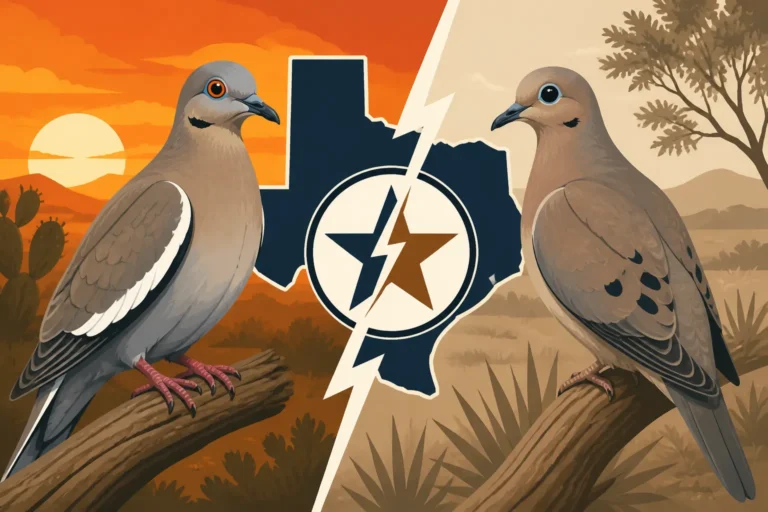
While the overall daily limit is 15 doves, there's a critical nuance for one particular species: White-tipped doves. Within that combined 15-bird bag, you are typically only allowed a maximum of two White-tipped doves. These birds are generally less numerous than Mourning or White-winged doves in many areas, and their population is monitored carefully. So, if you shoot two White-tipped doves, you've hit your limit for that species for the day, even if you've only got, say, five other doves in your bag. The remaining 13 slots would then need to be filled by Mourning or White-winged doves. It's really important to be able to identify your birds on the wing, especially when they're coming in fast. White-tipped doves are often larger with a distinctive white band at the tip of their tail, which sets them apart from the more common Mourning doves.
Now, there's also the curious case of the Eurasian Collared-Dove. These non-native, invasive birds actually do not count towards your daily bag or possession limits in Texas. They're often larger and paler than our native doves, with a distinct black half-collar on the back of their neck. Since they compete with native species for resources, there's generally no limit on them, and hunters are encouraged to harvest them. Just be absolutely certain of your identification before you pull the trigger, as mistaking a native dove for a Eurasian can lead to legal issues. Knowing your target is a fundamental part of Dove Hunting Tactics Field Setup & Shooting.
Texas Dove Possession Limits: What You Need to Know
Beyond the thrill of the hunt itself, many of us enjoy the delicious reward that comes with a successful dove hunt. But it’s not just about what you can shoot in a single day; it’s also about how many doves you can legally possess at any given time, particularly once you’ve left the field. This often trips up new hunters, and even some seasoned folks can forget the specifics.
Beyond the Daily Hunt: The Possession Rule
The possession limit for doves in Texas is typically three times the daily bag limit. So, if the daily bag limit is 15 doves, your possession limit is 45 doves. This limit applies to all doves in your custody, regardless of when or where they were taken, as long as they were legally harvested. This includes doves in your cooler, your vehicle, your freezer at home, or anywhere else you might store them. The primary reason for this rule is to prevent commercialization and over-harvest that could occur if hunters could continually accumulate an unlimited number of birds over multiple hunting trips. It's a critical conservation measure that ensures no one person is stockpiling an unsustainable amount of game. When you're planning a multi-day trip, especially if you're traveling a distance, keeping this 45-bird limit in mind is vital. You might shoot your daily limit of 15 on day one, another 15 on day two, but by day three, you'd only be able to shoot 15 more to reach your possession limit of 45.
Practical Implications for Hunters
The possession limit has real-world implications for how you manage your harvest. For instance, if you're on a long weekend dove hunt, say in Uvalde or Brady, and you've shot 15 birds on Friday and another 15 on Saturday, you've got 30 doves. You can still hunt on Sunday, but you can only shoot an additional 15 doves to reach your 45-bird possession limit. Any birds beyond that would put you in violation, even if you shot them legally on that third day.
Another key aspect is how you store and transport your harvested doves. All migratory game birds, including doves, must have one fully feathered wing attached while being transported from the place of taking to your home or a processing facility. This helps game wardens identify the species and ensure compliance with bag limits. Once you get home and process them, it's also a good practice to label your packages with the date of harvest and the species. This isn't just good organization; it's a safeguard against any confusion if you're ever questioned about your freezer contents. Tools like GoHunt can be useful for keeping track of your harvests and marking locations where you've had success, helping you plan future trips within these limits. Remember, you're responsible for every bird you shoot, and understanding both the Mourning Dove Hunting Regulations 2026 and White-Winged Dove Hunting Regulations 2026 is part of being a responsible hunter.
Navigating Texas Dove Zones and Seasons
Texas is a massive state, and its geography and climate mean that doves don't all arrive or breed at the same time across every corner. To account for these ecological differences and provide optimal hunting opportunities, Texas is divided into distinct dove hunting zones, each with its own season dates.
The Three Dove Zones: North, Central, and South
To manage dove populations and hunting pressure effectively, Texas is split into three primary dove zones: the North Zone, the Central Zone, and the South Zone. These zones are delineated by specific county lines and geographic features. For example, the North Zone typically opens first, often around September 1st, encompassing a large portion of the Panhandle and North Texas. The Central Zone, which covers a huge swath of the state from East to West Texas, including the Hill Country, usually opens simultaneously with the North Zone. The South Zone, stretching down into the vast brush country and coastal plains, generally opens later in September to accommodate later nesting cycles for white-winged doves and to coincide with major migrations.
Understanding which zone your hunting spot falls into is absolutely non-negotiable. Hunting in the wrong zone at the wrong time, even by accident, can lead to serious penalties. These zones ensure that hunting pressure aligns with the local dove populations' breeding and migratory patterns, giving them the best chance to thrive. While the general seasons remain consistent year-to-year, the exact dates can shift slightly, so always refer to the official Texas Parks and Wildlife Department (TPWD) regulations. You can find a detailed visual breakdown on a Texas Dove Zones Map North Central South.
Checking Current Regulations and the Outdoor Annual
The hunting regulations, especially for migratory birds like doves, are dynamic and can see minor adjustments each year. What was true last season might not be precisely true this season. That's why relying on outdated information is a huge risk. The absolute best and most authoritative source for current regulations is the Texas Parks and Wildlife Department's (TPWD) Outdoor Annual. This comprehensive guide, available in print, online, and as a mobile app, contains all the rules, dates, bag limits, and legal requirements for every game species in Texas.
Before any hunting trip, make it a habit to consult the latest Texas Outdoor Annual. It's your ultimate roadmap for legal and ethical hunting in the Lone Star State. The online version is updated annually, and the mobile app is incredibly convenient for checking rules on the go, even in the field. Many seasoned hunters even keep a physical copy in their truck or hunting bag. While online platforms and apps like GoHunt are fantastic for scouting, marking waypoints, and connecting with other hunters, always cross-reference their regulatory summaries with the official TPWD Outdoor Annual for the most accurate and up-to-date information. Missing a small detail, like a change in the White-tipped dove limit or a season extension, can make the difference between a successful hunt and a costly citation. This also ties into the broader Texas Hunting Seasons Complete Calendar by Species, which is always worth a look.
Key Considerations for Responsible Dove Hunting
Responsible hunting goes far beyond just knowing the bag and possession limits. It encompasses ethical behavior, respect for wildlife, and a deep understanding of the regulations designed to protect our natural resources. Dove hunting, with its fast-paced action and often crowded fields, requires particular diligence.
Proper Identification and Ethical Hunting
One of the biggest challenges in dove hunting is the speed at which birds can appear and disappear. This rapid-fire action can sometimes lead to misidentification, which can unfortunately result in exceeding a species-specific limit, particularly for White-tipped doves, or even mistakenly shooting a non-target species. Taking the time to properly identify your target before pulling the trigger is paramount. Learn the flight patterns, sizes, and distinguishing marks of Mourning, White-winged, and White-tipped doves.
Ethical hunting also means making clean shots to ensure a quick and humane harvest, and diligently retrieving every bird you shoot. Wounded birds left in the field are a waste of a valuable resource. Furthermore, never engage in "sky-busting" – shooting at doves that are too far away – as this often leads to missed shots, wounded birds that are difficult to recover, and can spoil the hunting experience for others in the field. Focus on birds within your effective range, typically 25-40 yards, to maximize your success and minimize waste. Beyond just limits, these ethical considerations are crucial for anyone looking to fully embrace How to Hunt Dove in Texas Step by Step.
Federal Migratory Bird Regulations
While Texas Parks and Wildlife Department sets specific state regulations, doves are migratory birds, meaning they are also subject to federal regulations overseen by the U.S. Fish and Wildlife Service. This dual layer of oversight ensures consistent management across state lines and throughout their migratory paths.
One of the most important federal requirements for dove hunters (and all migratory bird hunters) is the Migratory Bird Harvest Information Program (HIP) certification. This free endorsement is required annually and must be added to your hunting license. It collects vital data on hunter participation and harvest numbers, which helps biologists make informed decisions about future season structures and bag limits. Failing to have your HIP certification is a federal offense, even if you have a valid state hunting license. Additionally, though less directly related to doves, remember that if you're also pursuing waterfowl during a dove hunt (which is rare but possible in certain areas), a Federal Duck Stamp would be required for those species. Always ensure you have your Texas Migratory Bird Endorsement & HIP Certification complete before heading out. Ignoring these federal mandates can lead to substantial fines and loss of hunting privileges.
Texas Dove Bag and Possession Limits Summary
For quick reference, here's a breakdown of the typical limits you'll encounter during Texas dove season:
| Dove Species | Daily Bag Limit (Combined) | Specific Limit (Within Combined) | Possession Limit (Combined) |
|---|---|---|---|
| Mourning Dove | 15 | No specific limit | 45 |
| White-winged Dove | 15 | No specific limit | 45 |
| White-tipped Dove | 15 | 2 | 45 |
| Eurasian Collared-Dove | No limit | No specific limit | No limit |
Note: These are typical limits. Always verify with the current year's TPWD Outdoor Annual.
Disclaimer
The information provided in this guide is for general informational purposes only and is not legal advice. Hunting regulations, including bag and possession limits, zones, and season dates, are subject to change annually. It is the responsibility of every hunter to consult the most current official Texas Parks and Wildlife Department (TPWD) Outdoor Annual and federal regulations before participating in any hunting activity. Failure to do so may result in legal penalties.