Free Hog Hunting in Texas: Where & How
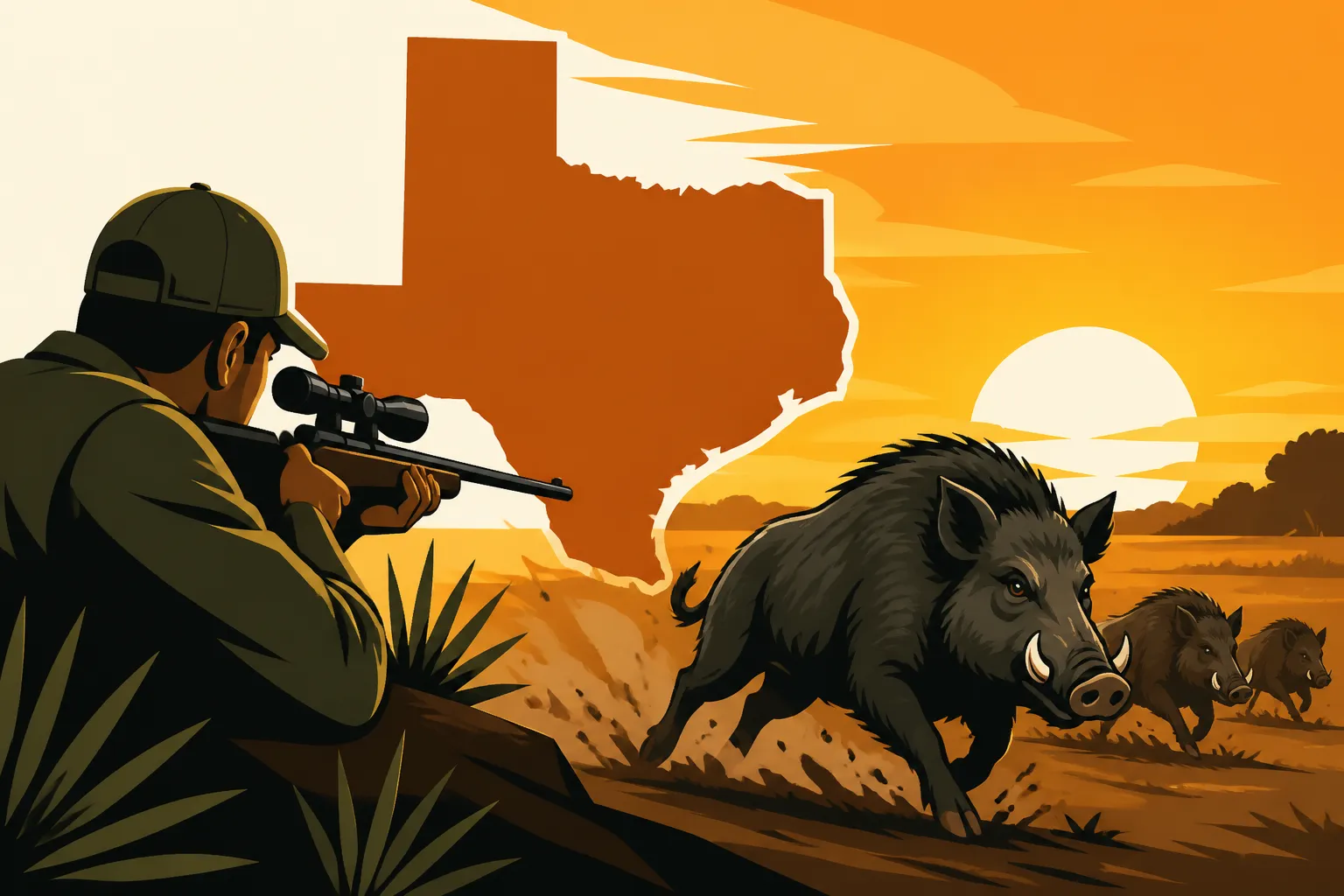
If you're a hunter in Texas, you've probably heard the almost mythical whispers of "free hog hunting." The idea of heading out into the wild to pursue game without the hefty price tag of a lease or an outfitter can sound like a dream, especially when you consider the sheer number of feral hogs rampaging across our great state. But the truth is, finding truly free opportunities for hog hunting in Texas isn't always as simple as just showing up. This comprehensive guide is here to cut through the noise, validate your frustrations, and lay out exactly where and how you can actually pursue feral hogs without breaking the bank.
Understanding Feral Hogs in Texas
Feral hogs are a pervasive issue across Texas, causing widespread damage and headaches for landowners. Unlike native game species, these animals are a non-native, invasive problem, which dramatically changes the rules of engagement for hunters.
Why Free Hog Hunting is Possible
The reason free hog hunting in Texas is even a concept stems directly from their classification as exotic, invasive livestock. The Texas Parks and Wildlife Department (TPWD) doesn't regulate feral hogs in the same way it does deer or turkey. This means there's no closed season, no bag limit, and generally, no restrictions on the time of day or methods you can use to hunt them on private land, as long as you have the landowner's permission. It's a "take them whenever and however you can" situation because they are so destructive. This unique legal status makes landowners often desperate for help in controlling their populations, opening the door for hunters seeking opportunities.
Think about it: a rancher wakes up to find an entire field of corn or soybeans rooted up overnight, or their irrigation lines torn to shreds. That's real money out of their pocket. For them, a hunter willing to come out and help reduce the hog population isn't just a recreational pursuit; it's a valuable service. Many landowners, especially those with smaller properties or limited resources, can't afford to hire professional trappers or outfitters. That's where you come in. Your hunting efforts, even if you’re just a weekend warrior, can provide a tangible benefit, making them more receptive to granting access. It truly is a win-win when you can find these connections.
The Impact of Feral Hogs on Texas
The problem of feral hogs in Texas isn't just an inconvenience; it's an ecological and economic disaster. These animals are estimated to cause hundreds of millions of dollars in damages annually across the state. They impact everything from crop fields and livestock operations to native ecosystems and water quality.
Agriculturally, their rooting behavior destroys pastures, breaks fencing, and devastates crops like corn, wheat, peanuts, and soybeans. I've seen entire fields that looked like they were tilled by a deranged tractor after a herd of hogs moved through. This isn't just minor damage; it can mean a complete loss of a harvest for a farmer. Beyond crops, they also compete with livestock for feed and water, and can even prey on young calves, lambs, and goat kids.
Environmentally, feral hogs are bulldozers with snouts. They root up sensitive plant communities, destroy the habitat of ground-nesting birds, and contaminate water sources with their waste. Their aggressive foraging disrupts the natural balance of ecosystems, outcompeting native wildlife like white-tailed deer and turkey for food sources. They can also be carriers of diseases such as brucellosis and pseudorabies, which can pose risks to livestock, pets, and, in rare cases, humans. Understanding this profound impact helps you appreciate why landowners are often so eager to grant access for hog hunting; it's a battle against a relentless foe, and every hunter is a potential ally.
Where to Find Free Hog Hunting Opportunities
Finding truly free hog hunting can feel like searching for a needle in a haystack, but with the right approach and a bit of persistence, these opportunities do exist. It's about knowing where to look and how to approach potential access points.
Public Hunting Lands (WMAs)
Texas offers an extensive network of public hunting lands managed by the TPWD, known as Wildlife Management Areas (WMAs). While not entirely "free" in the sense of no cost whatsoever, these areas offer highly affordable access compared to private leases or guided hunts. To hunt most public lands in Texas, you'll need to purchase an Annual Public Hunting (APH) Permit, which costs around $48. This permit grants you access to millions of acres of public land throughout the year.
Many WMAs specifically list feral hogs as a huntable species, often with no season or bag limit, mirroring private land regulations. Some WMAs even have dedicated hog hunts or allow hog hunting during open seasons for other game. For example, areas like the Chaparral WMA in South Texas, or some of the larger state forests in East Texas, often have substantial hog populations. It's crucial to consult the TPWD's "Outdoor Annual" or their public hunting lands website for specific WMA regulations, hunt dates, and required permits. Some popular WMAs might operate on a drawn hunt system for hogs, so you'll need to apply in advance. Even if you're not drawn for a specific hog hunt, many WMAs allow hog hunting opportunistically during general seasons for deer or other game. This is where your APH permit shines, providing a cost-effective pathway to get boots on the ground.
Private Land Access (Permission Hunts)
This is where the "free" aspect really comes into play, but it requires effort and good old-fashioned networking. Gaining permission to hunt hogs on private land involves building relationships and offering a valuable service.
- Networking and Local Connections: The best way to find these opportunities is often through word of mouth. Talk to people in rural communities – feed store owners, mechanics, local restaurant staff, county extension agents, or even real estate agents who deal with rural properties. Let them know you're a responsible hunter looking to help landowners with their hog problems. You might be surprised who knows someone struggling with hogs. Many small towns in Texas have community bulletin boards, both physical and online, where landowners might post needs.
- Cold Calling/Visiting: This requires a thick skin but can yield results. Drive rural roads in areas known for hog activity (often near agricultural fields or river bottoms). If you see signs of hog damage or land that looks promising, identify the landowner (often through county appraisal district websites) and respectfully reach out. A face-to-face visit, impeccably dressed and polite, can go a long way. Have a clear, concise pitch: "Hello, my name is [Your Name], and I'm a responsible hunter. I've noticed some hog activity in this area, and I'm looking to offer my services to help control feral hogs on your property. I understand they cause significant damage, and I'm happy to help at no cost to you." Be prepared for rejection, but also for the occasional "yes."
- Offering Services: Sometimes, landowners might be more inclined to grant permission if you offer a little extra help around the property in exchange. This could be anything from helping mend fences, clear brush, or assist with other tasks. While not strictly "hunting," it builds goodwill and demonstrates your commitment. You might also offer to share the meat, or even help with small game control like coyotes if they have issues with that as well. The key is to be respectful, reliable, and always follow through on your promises.
- Landowner Needs: Many landowners aren't interested in hunting themselves but are desperate for someone to reduce hog numbers. They might appreciate a hunter who is willing to come out regularly, not just for a single trophy hunt. Remember, for most landowners, it's about control, not recreation. Being flexible with your schedule and willing to adapt your methods to their needs can greatly increase your chances of securing long-term access.
Landowner Assistance Programs
While not always a direct "program" in the traditional sense, several resources and initiatives aim to connect hunters with landowners facing hog problems. The TPWD often has information and resources on managing feral hogs, which can sometimes include lists of landowners seeking assistance or advice on how to connect. University extension offices (e.g., Texas A&M AgriLife Extension) are also excellent resources. They educate landowners on hog management and might serve as informal intermediaries between landowners and hunters.
Some private organizations or online forums dedicated to Texas hunting might also have sections where landowners or hunters post opportunities or requests for help. Websites like Texas Hunting Forum or local county-specific Facebook groups can sometimes facilitate these connections. The goal here is to leverage existing networks and information channels that specifically address the problem of feral hogs and the solutions available, including ethical hunting. It's all about finding that intersection where a landowner's problem meets a hunter's passion.
Essential Gear and Tactics for Free Hog Hunting
Successful hog hunting, even when it's free, still requires proper preparation and an understanding of effective strategies. You're not just going for a walk in the woods; you're actively engaging an intelligent, tough animal.
Recommended Gear for Hog Hunting
When you're out there tackling feral hogs, having the right gear can make all the difference, especially when you're relying on your own resources. You don't need the most expensive equipment, but reliability is key.
- Firearms and Ammunition: Feral hogs are notoriously tough animals, so caliber matters. Many hunters prefer a cartridge with good stopping power and bullet construction designed for penetration. Common choices include .223/5.56mm, 6.5 Grendel, .308 Winchester, 7.62×39, and even 12-gauge shotguns with slugs. For an in-depth guide, consider looking into specific recommendations for Best Shot Placement for Hogs. Make sure you have plenty of reliable, appropriate ammunition. Always check local regulations and the landowner's preferences regarding firearm types.
- Optics: A good rifle scope is essential for accurate shot placement. For daytime hunting, a variable power scope (e.g., 3-9x or 4-12x) is versatile. If you're granted permission to hunt at night (which is common for hogs), thermal scopes or night vision devices are game-changers. While not "free" themselves, they significantly increase success rates for nighttime operations. Even a good pair of binoculars can help you spot hogs in cover from a distance, especially in thick South Texas brush.
- Clothing and Footwear: Texas weather can be brutal. Dress in layers to adapt to temperature swings. Durable, camouflage clothing that blends with the local environment is important. Critically, invest in good quality snake boots or snake gaiters. Texas is home to several venomous snakes, and hog hunting often takes you into thick, overgrown areas where they thrive. Look for a pair that offers comfort for long walks and sturdy protection against thorns and snakebites.
- Other Essentials:
- Knife: A sturdy, sharp hunting knife for field dressing is non-negotiable.
- Backpack: To carry water, snacks, extra ammo, first-aid kit, and any other essentials.
- Headlamp/Flashlight: Even for day hunts, you might be walking out in low light.
- GPS/Mapping App: An app like onX Hunt or HuntStand can be invaluable for navigating property boundaries, marking hog sign, and ensuring you don't trespass.
- Game Cart: Hogs can be heavy, especially large boars. A game cart can save your back if you're hunting alone and need to retrieve an animal from a distance.
- Water: Stay hydrated, especially in the Texas heat.
- First-Aid Kit: Always be prepared for minor injuries.
Effective Hunting Methods
Hogs are smart and adaptable, so a variety of tactics can be employed. The method you choose will often depend on the specific property and the landowner's preferences.
- Spot-and-Stalk: This is a classic hunting method that involves actively searching for hogs, spotting them from a distance, and then carefully stalking within shooting range. It requires patience, stealth, and a good understanding of wind direction. This method is particularly effective in open areas or fields where hogs might be feeding at dawn or dusk. You'll need to use cover wisely and move slowly to avoid detection.
- Still Hunting: This is a slower, more deliberate form of walking and hunting. You move very slowly through an area, pausing frequently to scan for movement or listen for the sounds of hogs. This is ideal for thick brush or wooded areas where visibility is limited, forcing you to rely more on your ears. Focus on areas with fresh hog sign like rooting or tracks.
- Hunting Over Feeders/Bait: If the landowner allows it, hunting over a feeder can be a very effective strategy. Hogs are opportunistic eaters and will readily visit feeders, especially corn feeders set up for deer. However, be aware that attracting hogs with bait might be restricted in some CWD zones, so always verify current regulations. The principle is similar to deer hunting: set up a blind downwind and wait for hogs to come to the food source. You can learn more about this approach in guides like Hunting Over Feeders & Corn in Texas Legal Guide.
- Trapping (Landowner's Method): While primarily a management tool, some landowners might employ trapping as their primary method of hog control and might appreciate a hunter's help in checking traps or dispatching captured hogs. This isn't "hunting" in the traditional sense, but it's a valuable contribution to the landowner's efforts. You can read up on Hog Trapping in Texas Methods That Work if this is an avenue you explore with a landowner.
- Night Hunting (with permission): Many landowners prefer night hunting for hogs because hogs are largely nocturnal, especially in warmer months. With appropriate gear (thermal or night vision), night hunting can be incredibly effective. Always clarify with the landowner if night hunting is permitted and if any specific rules apply.
Scouting and Locating Hogs
You can't hunt hogs if you can't find them! Effective scouting is paramount.
- Signs of Hog Activity: Hogs leave behind obvious signs of their presence. Look for:
- Rooting: Uprooted soil, often resembling a plowed field, where hogs have dug for roots, tubers, and insects. This is one of the most common and visible signs of hog damage.
- Wallows: Muddy depressions where hogs have rolled to cool off and remove parasites. These are often near water sources.
- Tracks: Distinctive cloven hoof prints, often accompanied by dewclaws, which are usually visible even in softer ground.
- Rubs: Trees, fence posts, or rocks where hogs have rubbed against to scratch themselves or leave scent marks.
- Trails: Well-used paths through dense vegetation, often leading to food, water, or bedding areas.
- Droppings: Hog scat, which can vary widely depending on their diet.
- Using Trail Cameras: Trail cameras are invaluable tools for scouting. Place them on trails, near water sources, or around active rooting areas. They can help you pattern hog movement, identify travel corridors, and determine the best times to hunt. Modern cellular trail cameras can even send photos directly to your phone, saving you countless trips. Consider checking out resources like Best Trail Camera for Lease Monitoring or How to Pattern Bucks With Trail Cameras (many principles apply to hogs too) for more detailed advice on their use.
- Understanding Their Patterns: Hogs are creatures of habit. They often follow predictable routes between bedding, feeding, and watering areas. They are also highly sensitive to pressure. If an area has been hunted heavily, they may become nocturnal or move to denser cover. Learn to recognize these patterns and adapt your approach accordingly. Early mornings and late evenings are often the most productive times, especially if hunting without night vision. In hot weather, look for them near water or in dense, shaded cover during the day.
Legal Considerations and Safety
Even with the "free" aspect, responsible hog hunting in Texas still means adhering to the law and prioritizing safety. Ignoring these crucial elements can quickly turn a rewarding experience into a regrettable one.
Texas Regulations for Hog Hunting
One of the beautiful things about hunting feral hogs in Texas is the relatively relaxed regulatory framework compared to other game species. However, "relaxed" doesn't mean "non-existent," and it's your responsibility to know and follow the rules.
- No Closed Season or Bag Limit: This is the cornerstone of hog hunting in Texas. As an invasive species, feral hogs can be hunted year-round, day or night, with no daily or seasonal bag limits. This flexibility is a huge advantage for hunters, allowing you to seize opportunities whenever they arise. The state views their removal as a beneficial act.
- Landowner Permission is Paramount: This cannot be stressed enough. Whether you're hunting on a sprawling ranch or a small parcel, you must have verbal or written permission from the landowner or their agent. Hunting without permission is trespassing, a serious offense with significant penalties, and it damages the reputation of all hunters. Always carry proof of permission if possible.
- Hunting License: Do you need a license to hunt hogs in Texas? Yes, generally. While the TPWD doesn't regulate feral hogs themselves, you need a valid Texas hunting license (e.g., a "Super Combo" license) to hunt any non-exempt animal in Texas, even invasive species, if you are considered a "resident" or "non-resident" hunter. The exceptions are limited:
- Hunting on your own property: If you own the land, you do not need a license.
- Hunting on property where you have received permission, and the hogs are depredating (causing damage): In this specific scenario, a license might not be required if the landowner specifically designates you as an agent to remove depredating hogs. However, to keep things simple and avoid any legal grey areas, it's always safest and highly recommended to possess a valid Texas hunting license when pursuing hogs, especially when on someone else's property. The cost of a basic license is minimal compared to potential legal headaches. You can explore options like the Texas Hunting License: Cost, Types & How to Buy (2026) for more details.
- Methods of Take: On private land, there are very few restrictions on methods, which is why thermal hunting and night hunting are so popular for hogs. However, even with hogs, common sense and ethical hunting practices should always prevail.
- CWD Zones: Be aware of any Chronic Wasting Disease (CWD) zones in Texas. While CWD primarily affects cervids (deer, elk), some regulations in CWD zones might impact baiting or carcass movement, even for hogs. Always check the latest TPWD regulations map and guidelines for any area you plan to hunt.
Safety Best Practices
Hunting can be a dangerous activity if proper safety protocols aren't followed. With the excitement of a free hog hunt, it's easy to get complacent, but vigilance is key.
- Firearm Safety: This is non-negotiable. Treat every firearm as if it's loaded. Keep the muzzle pointed in a safe direction. Keep your finger off the trigger until you are ready to shoot. Be sure of your target and what is beyond it. Hogs can be surprisingly tough and may run a considerable distance even after a solid hit, so always be prepared for follow-up shots and be aware of your surroundings if tracking a wounded animal.
- Awareness of Surroundings: When stalking hogs, it's easy to focus solely on the animal. However, you need to be constantly aware of other hunters, landowners, livestock, and property boundaries. Always know where your hunting partners are. If hunting in an area with livestock, be extra cautious about your backdrop and shot trajectory.
- Hunter Orange: While not always required for hog hunting, wearing hunter orange (a cap, vest, or both) is a wise safety precaution, especially if you're hunting during an open season for other game or if other hunters might be in the area. It significantly increases your visibility to others.
- Wildlife Awareness: Beyond hogs, Texas is home to other wildlife that can be dangerous. Be aware of venomous snakes, particularly rattlesnakes, cottonmouths, and copperheads, especially when moving through tall grass or thick brush. Always wear appropriate footwear.
- Field Dressing Precautions: When field dressing a hog, especially if you plan to consume the meat, take precautions. Hogs can carry diseases. Wear gloves, avoid contact with blood and internal organs, and thoroughly wash your hands and tools afterward. Promptly cool the carcass to ensure meat quality, particularly in Texas's often sweltering conditions. Learning How to Cool a Deer Fast in Texas Heat provides valuable insights applicable to hogs too.
- Communication: Always inform someone of your hunting plans – where you're going, when you expect to be back, and who you're with. Carry a fully charged cell phone, but don't rely on it as your sole communication device, as cell service can be spotty in remote areas.
Maximizing Your Free Hog Hunting Success
Getting permission and having the right gear are just the start. To truly make the most of your free hog hunting opportunities, you need to understand their behavior, adapt your approach, and nurture those invaluable landowner relationships.
Timing Your Hunts
Timing is everything in hunting, and with feral hogs, understanding their daily and seasonal patterns can significantly increase your success.
- Best Times of Day: Hogs are most active during periods of low light. This means dawn and dusk are prime hunting times, just like with many other game animals. They'll often move from their bedding areas to feeding grounds during these hours. In very hot Texas summers, their activity often shifts almost entirely to nighttime. If you have permission to hunt at night, this opens up a whole new world of opportunity and can be incredibly productive, especially with thermal optics. During the middle of the day, particularly on hot days, hogs will seek dense cover, wallows, or shaded river bottoms to escape the heat. That's when you might consider still-hunting through those bedding areas, but be prepared for a close-quarters encounter.
- Understanding Weather Effects: Weather plays a huge role in hog movement.
- Temperature: Cooler temperatures, especially after a cold front in fall or winter, can make hogs more active during daylight hours as they don't have to work as hard to stay cool. Conversely, extreme heat pushes them to seek shade and water, often making them nocturnal.
- Rain: Light rain can sometimes increase hog activity, as it softens the ground, making rooting easier. Heavy rains, however, can cause them to hunker down in dense cover. Pay attention to how the land drains; hogs love muddy areas and wallows after a good rain.
- Wind: Always hunt into the wind. Hogs have an incredible sense of smell, and they will bust you instantly if they catch your scent. Strong winds can also make it harder for them to hear, giving you a slight advantage when stalking.
- Seasonal Considerations: While there's no official "hog season," their behavior does shift throughout the year.
- Spring/Summer: These are often the most challenging times for daylight hunting due to extreme heat. Hogs are primarily nocturnal. Focus on early mornings, late evenings, or night hunts if permitted. Look for them around water sources and dense shade.
- Fall/Winter: Cooler weather generally means more daylight activity. This is often the most comfortable and productive time for hunters who prefer traditional daylight methods. As crops are harvested, hogs might also shift their feeding patterns, concentrating in areas with leftover grains or natural food sources like acorns. Understanding these seasonal shifts helps you plan your hunts more effectively and adapt your tactics to increase your odds.
Ethical Considerations and Landowner Relations
Securing a free hog hunting spot is a privilege, not a right. How you conduct yourself will directly impact your ability to retain that access and potentially open doors to other opportunities. Ethical behavior and strong landowner relations are paramount.
- Respecting Property: This is the golden rule. Treat the landowner's property with more respect than your own. Close all gates, avoid driving off established roads unless explicitly permitted, don't litter, and don't damage fences or structures. If you accidentally cause any damage, report it immediately and offer to fix it. Leaving the property in better condition than you found it is a sure way to earn trust.
- Leaving No Trace: Pack out everything you pack in, including spent casings, food wrappers, and water bottles. Don't leave any trash behind. This demonstrates professionalism and respect for the environment and the landowner's land.
- Proper Game Retrieval and Disposition: Hogs can be tough, and a wounded animal can travel a significant distance. Do everything in your power to recover any hog you shoot. This might mean diligent tracking, even into dense cover. If you harvest a hog, properly dispose of the carcass. If the landowner wants it removed, follow their instructions. If you're taking the meat, ensure proper field dressing and handling. Never leave a gut pile in an obtrusive or disrespectful location.
- Building Long-Term Relationships: The best "free" hunting spots come from solid relationships.
- Communication: Always communicate clearly and frequently with the landowner. Let them know when you plan to hunt, when you've arrived, and when you're leaving. Update them on your success or observations of hog activity.
- Offer Help: As mentioned earlier, offering to help with small tasks around the property (e.g., fence mending, checking water troughs, clearing brush) can go a long way in showing your appreciation and commitment.
- Share Your Harvest (if applicable): If you're taking meat, offer some to the landowner. It's a gesture of goodwill and a way to share the benefits of your efforts.
- Gratitude: A simple "thank you" goes a long way. Consider a small gift around the holidays or at the end of the year to express your appreciation for their generosity. A lot of free hog hunting opportunities are lost because hunters take advantage of the privilege. Be the exception, and you'll find these opportunities often last for years.
Free hog hunting in Texas is definitely achievable, but it requires proactive effort, a respectful attitude, and a commitment to ethical hunting practices. By understanding the motivations of landowners, leveraging public land options, and diligently applying effective hunting and relationship-building strategies, you can enjoy some of the most exciting and rewarding hunting experiences our great state has to offer, all while helping manage a serious problem. So, gear up, do your homework, and get ready to hit the brush!
Disclaimer
Hunting is an inherently dangerous activity. This guide provides general information and recommendations. Always consult the latest Texas Parks and Wildlife Department regulations and landowner rules before hunting. Prioritize safety, be aware of your surroundings, and exercise good judgment in the field. The author and publisher are not responsible for any accidents, injuries, or legal issues that may arise from hunting activities.