How to Hunt Red Stag in Texas
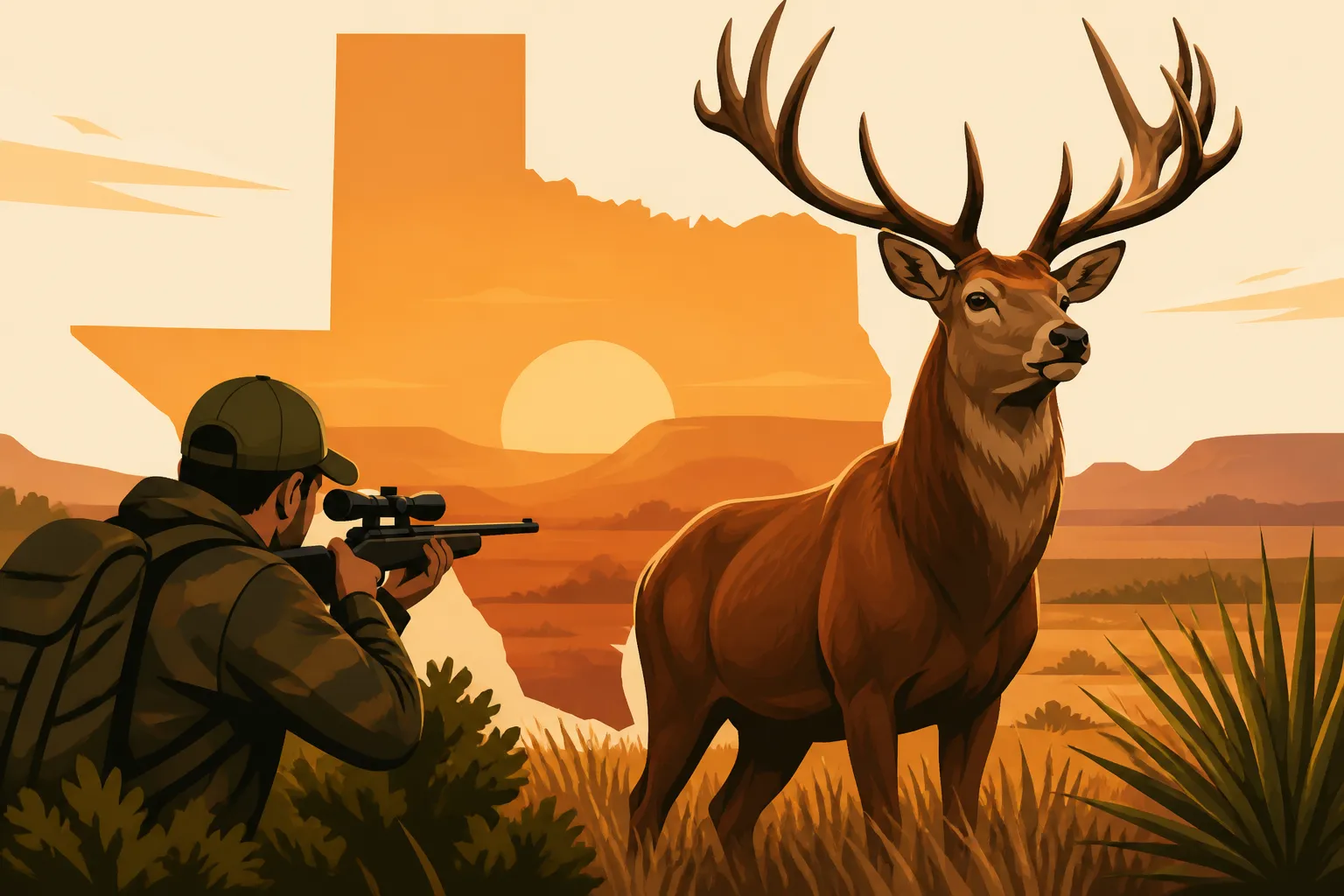
Hunting Red Stag in Texas might not be the first thing that comes to mind when you picture hunting in the Lone Star State, which is usually dominated by whitetails and hogs. But these majestic European deer have found a thriving home on many Texas ranches, offering a truly unique and exciting big-game experience. If you're looking to challenge yourself with a magnificent trophy and savor some incredible venison, this guide will walk you through everything you need to know about pursuing red stag in Texas.
Understanding Red Stag in the Texas Landscape
The idea of hunting a European Red Stag in Texas can seem a bit out of place, right? But the truth is, Texas has become a premier destination for hunting a wide array of exotic species, and Red Stag are certainly among the most sought-after. They've adapted remarkably well to the diverse Texas terrain, from the sprawling Hill Country to the vast expanses of South Texas.
A Brief History and Where They Thrive
Red Stag were introduced to Texas ranches primarily for their impressive trophy potential and the excellent quality of their meat. Unlike native white-tailed deer or mule deer, these magnificent animals aren't bound by traditional hunting seasons or bag limits on private land, which makes them a flexible option for hunters year-round. They typically thrive in well-managed high-fence operations, where they have plenty of room to roam and mature without the pressures of overpopulation or unchecked predation. Many of the top-tier exotic hunting ranches, especially in regions like the Edwards Plateau or even parts of South Texas, have cultivated thriving populations. These areas often mimic their native European habitats with ample cover, water sources, and supplemental feeding programs that contribute to impressive antler growth.
Behavior and Characteristics of Texas Red Stag
Red Stag are truly magnificent creatures, often much larger than our native deer. Mature stags can weigh anywhere from 400 to over 600 pounds, and their antlers, often referred to as "beams" with multiple "tines" or "points," can be incredibly impressive. The rut, or breeding season, for Red Stag in Texas typically falls in the fall, often mirroring the native deer rut or even extending slightly beyond it into early winter, depending on the specific genetics and localized conditions. During this time, stags become highly vocal, emitting loud roars or "bugles" to challenge rivals and attract hinds (females). This can be an incredibly exciting time to hunt them, as their behavior becomes more predictable and they are more focused on breeding than on evading hunters. Outside the rut, they tend to be more elusive, often moving at dawn and dusk to feed and seek cover during the heat of the day. Understanding these behavioral patterns is key to a successful hunt.
Essential Gear and Effective Tactics for Red Stag
Hunting Red Stag demands a different approach than chasing a whitetail in the brush or a mule deer in the Panhandle. Their size, strength, and senses mean you need to come prepared with appropriate gear and a solid hunting strategy.
Caliber Considerations and Optics
Given the sheer size of a Red Stag, you're going to want a rifle with some serious knockdown power. While your trusty .30-06 or .270 might work for a whitetail, for a big stag, something in the .300 magnum family (like a .300 Win Mag or .300 PRC), a 7mm Rem Mag, or even a .338 Win Mag would be a more confident choice. These calibers deliver the energy needed to ensure a clean, ethical kill, especially if you're looking at a quartering shot or a longer range. Bullet construction is also critical; opt for heavy, controlled-expansion bullets designed for large game.
As for optics, good glass is non-negotiable. Whether you're spot-and-stalk hunting across vast pastures or sitting in a blind overlooking a feeding area, you'll need a clear, bright rifle scope with sufficient magnification. A 3-9x, 4-12x, or even a 4-16x power scope is ideal. Many hunters also swear by a quality rangefinder, particularly for open country shots, to accurately gauge distances. For scanning vast landscapes, a pair of high-quality binoculars, perhaps 10×42 or 12×50, will save your eyes and help you pick out that prized stag from a herd of hinds. When considering your hunting optics, make sure you choose durable gear that can handle the Texas elements. For a deeper dive into choosing the right glass, check out our guide on the Best Hunting Optics for Texas: Scopes, Binos & Rangefinders.
Hunting Methods and Shot Placement
The primary methods for hunting Red Stag in Texas typically involve spot-and-stalk or hunting from a blind, often over a feeding area.
Spot-and-Stalk Hunting
Spot-and-stalk is arguably the most exciting way to hunt Red Stag. It involves covering ground, usually on foot or from a vehicle on ranch roads, to locate animals, then planning and executing a careful stalk to get within shooting range. This method demands patience, keen observation skills, and the ability to move silently through varied terrain. You'll often find yourself using natural cover like mesquite thickets, rolling hills, or even strategically placed box blinds to break up your silhouette as you approach. Wind direction is paramount, as a Red Stag's sense of smell is incredibly acute. On larger ranches, this can feel like a truly wild hunt, offering a profound sense of accomplishment when you finally close the distance on a magnificent animal. This is a similar approach you'd take for something like Spot-and-Stalk Aoudad in West Texas.
Blind Hunting
Hunting from a blind, whether a comfortable box blind or a well-concealed ground blind, is another effective tactic, especially if the ranch has established feeding patterns for their deer. Many exotic ranches utilize protein feeders or corn feeders to supplement the diet of their animals, which in turn helps grow impressive antlers. Setting up a blind downwind of a known feeding or watering source can provide excellent opportunities. This method often requires less physical exertion but demands immense patience. It’s a great option for hunters who prefer a more stationary approach or for those who want to spend more time observing the animals before making a decision. For more on setting up blinds, you might find our article on Box Blind vs Tripod vs Ground Blind in Texas useful.
Shot Placement
Regardless of your chosen method, shot placement is critical. For Red Stag, the ideal shot is typically broadside, aiming for the "boiler room" directly behind the shoulder. This will hit the heart and lungs, leading to a quick, ethical kill. Due to their heavy bone structure and robust musculature, avoid shoulder shots unless absolutely necessary, as they can be difficult to penetrate. A quartering-away shot can also be effective, aiming to penetrate the vitals while minimizing the chance of hitting heavy bone. Always take your time, ensure a clear shot, and be confident in your ability to make the shot count.
Seasonal Considerations
While Red Stag can technically be hunted year-round on private ranches in Texas, understanding their seasonal behavior can greatly enhance your success and the quality of the experience.
| Season | Red Stag Behavior | Hunting Strategy | Key Considerations |
|---|---|---|---|
| Fall (Rut) | Highly vocal, aggressive, focused on breeding. | Spot-and-stalk using calls, blind hunting near rutting areas. | Most exciting time, but stags can be worn down from fighting. |
| Winter | Recovering from rut, feeding heavily, in bachelor groups. | Blind hunting over supplemental feed, spot-and-stalk in feeding areas. | Stags are focused on regaining weight, often in groups. |
| Spring | Shed antlers, new velvet growth begins, elusive. | Scouting for antler-less stags, observing new growth patterns. | Not ideal for trophy hunting, focus on management hunts. |
| Summer | Antlers in velvet, nocturnal, seeking cool. | Early morning/late evening hunts, near water sources, thermals. | Heat can be intense, focus on low-impact hunts, velvet antlers. |
During the fall rut, the challenge lies in using their vocal nature to your advantage. While not as common as calling whitetails, some guides can successfully "roar" or "bugle" stags in, similar to how one might call elk. This can lead to exhilarating close encounters. If you're planning a trip, discuss these seasonal dynamics with your outfitter to align your hunt with your desired experience.
Finding Your Red Stag Hunt in Texas
Unlike native species, finding a Red Stag hunt in Texas means connecting with private ranches and outfitters that specialize in exotic game. The good news is, Texas has a fantastic network of reputable operations.
Researching Ranches and Outfitters
The vast majority of Red Stag hunting in Texas takes place on privately owned, often high-fenced, ranches. These operations manage their herds carefully, investing in genetics, nutrition, and habitat to produce impressive trophy animals. This is a significant difference from hunting public land, and it means your success largely depends on the quality of the outfitter and the ranch.
Start your research by looking for dedicated exotic hunting ranches in the Texas Hill Country or South Texas, as these regions are particularly known for their robust exotic populations. Websites like BookYourHunt, TexasHunt.com, or directly searching for "Texas Red Stag hunts" will yield numerous options. Pay close attention to reviews, testimonials, and photo galleries of previous successful hunts. Don't be shy about calling outfitters directly. Ask about their management practices, the typical size of their stags, what's included in the hunt package (lodging, meals, guides, field dressing), and any hidden costs. A good outfitter will be transparent and eager to answer all your questions. For general advice on finding a reliable hunting opportunity, our guide on Hunting Outfitters in Texas by Region might offer broader insights.
Costs and Packages
Red Stag hunts in Texas typically fall into the category of "trophy hunts," and as such, they come with a higher price tag than, say, a whitetail deer hunt or a hog hunt. The cost will vary widely based on several factors:
- Antler Size/Score: Many ranches price their hunts based on the SCI (Safari Club International) score or simply by the number of points on the stag's antlers. The bigger the stag, the higher the price.
- Hunt Package Inclusions: Some packages are all-inclusive (lodging, meals, guide, field dressing, caping), while others might be more à la carte.
- Time of Year: Hunting during the rut might command a premium due to the heightened excitement and activity.
- Ranch Reputation: Highly renowned ranches with a consistent track record of producing monster stags will naturally be more expensive.
Expect a quality trophy Red Stag hunt to range anywhere from $4,000 for a younger, management-grade stag up to $10,000+ for a truly magnificent, mature trophy animal. Always get a clear, itemized quote before booking to avoid any surprises. While an investment, the experience of hunting these majestic animals is often considered well worth it by those who pursue them.
Post-Hunt Considerations: From Field to Table
Successfully harvesting a Red Stag is an incredible achievement, but the work isn't over when the animal hits the ground. Proper field care and processing are crucial to honoring your harvest and ensuring the meat and trophy are preserved.
Field Dressing and Meat Care
Given the large size of a Red Stag, field dressing can be a substantial task. The goal is to cool the meat down as quickly as possible, especially in the often-warm Texas climate. Most reputable ranches will have experienced guides who will assist with or handle the field dressing. Be prepared with game bags, a sharp knife, and gloves. If you're doing it yourself, be methodical and efficient. Remove the entrails, and if possible, split the brisket to allow for maximum airflow. For those unfamiliar with the process, learning How to Field Dress a Deer in Hot Weather can provide valuable tips that apply to larger game as well.
Once field dressed, the animal needs to be transported to a cooler or processing facility promptly. Many ranches have their own walk-in coolers, or they can recommend local processors. The meat of Red Stag is highly prized for its lean, rich flavor, similar to venison but often described as milder. It's excellent for steaks, roasts, ground meat, and even sausages. Make sure your processor understands how you want your meat prepared and packaged.
Trophy Care and Preservation
If you've harvested a trophy Red Stag, proper care of the cape and antlers is paramount. The guide will typically handle the initial caping, but communicate your intentions clearly – whether you want a shoulder mount, a European mount, or just to keep the antlers.
For a shoulder mount, the cape needs to be carefully removed, ensuring enough hide is left for the taxidermist. It then needs to be properly salted and dried, or frozen, to prevent hair slippage. The antlers, if detached from the skull, should be kept dry and protected from damage. If you're opting for a European mount, the skull needs to be cleaned of all flesh and tissue, then often boiled or macerated, and finally whitened. A good outfitter will often provide these services or connect you with a skilled local taxidermist. Investing in a quality taxidermist is crucial to preserving the memory of your incredible Red Stag hunt for years to come.
Disclaimer
Hunting is an inherently dangerous activity. Always adhere to all local, state, and federal hunting regulations. Ensure you have the proper licenses and permits before engaging in any hunting activity. Practice responsible firearm handling, be aware of your surroundings, and hunt ethically. The information provided in this guide is for informational purposes only and should not be considered a substitute for professional guidance or official regulations.