Gillespie County Antler Restriction & Bag Limit
Hunting in Texas is a deeply cherished tradition, but let's be honest, navigating the ever-changing and county-specific regulations can feel like trying to track a ghost in a dust storm. One of the biggest head-scratchers for many hunters revolves around antler restrictions and bag limits, especially when you're focused on a particular area like Gillespie County. This guide is here to untangle those rules, specifically for Gillespie, so you can hunt confidently and legally.
Understanding Texas Antler Restrictions
Before we dive into the specifics of Gillespie County, it's really helpful to understand the philosophy behind antler restrictions in Texas. They aren't just arbitrary rules designed to make your life harder; they're a vital part of a larger wildlife management strategy.
Why Antler Restrictions Exist
Antler restrictions, sometimes called "ARs," were implemented by the Texas Parks and Wildlife Department (TPWD) primarily to improve the age structure and quality of the white-tailed deer herd. For years, the hunting pressure focused heavily on "any legal buck," which often meant younger bucks with smaller antlers were disproportionately harvested. This led to an imbalance, where many bucks weren't surviving long enough to reach their full antler potential or contribute mature genetics to the herd.
By requiring hunters to pass on younger bucks with smaller racks, ARs allow more bucks to survive to older age classes. This not only increases the chances of hunters seeing and harvesting larger, more mature deer, but it also promotes better breeding dynamics and overall herd health. It's a long-term investment in the deer population, ensuring a healthier and more robust future for Texas deer hunting. While it might mean letting a young buck walk that you previously would have taken, the payoff in the long run is a stronger, more impressive herd across the state.
The General 13-Inch Rule in Texas
The most common antler restriction you'll hear about in Texas is often referred to as the "13-inch rule." This general rule applies to many counties across the state, particularly in the Central and South Texas deer zones. It’s designed to allow for the harvest of some younger bucks while protecting the middle-aged bucks crucial for herd improvement.
Here's how it generally works: in counties under the 13-inch rule, a legal buck must have at least one unbranched antler, or have an inside spread of 13 inches or greater. You are allowed to harvest one buck that has an unbranched antler. Any other buck you harvest in that season must have an inside spread of 13 inches or more. This means you can take a spike, or a buck with a single unbranched beam, as your "unbranched antler" buck. If you choose to take a branched-antler buck with less than a 13-inch spread as your first buck, then your second buck must meet the 13-inch spread requirement. This is where it gets a little tricky, and it's why understanding your specific county and always checking the most current regulations in the Texas Outdoor Annual is absolutely critical. For a deeper dive into these rules, check out our guide on Texas Antler Restrictions: 13-Inch Rule & Counties.
Gillespie County's Specific Antler Restriction Explained
Now, let's zoom in on Gillespie County. When you're planning your hunt in this beautiful part of the Hill Country, knowing the exact rules for bucks is paramount. Gillespie County adheres to the general antler restriction framework, but it's crucial to understand the nuances.
Breaking Down the Gillespie County Rule
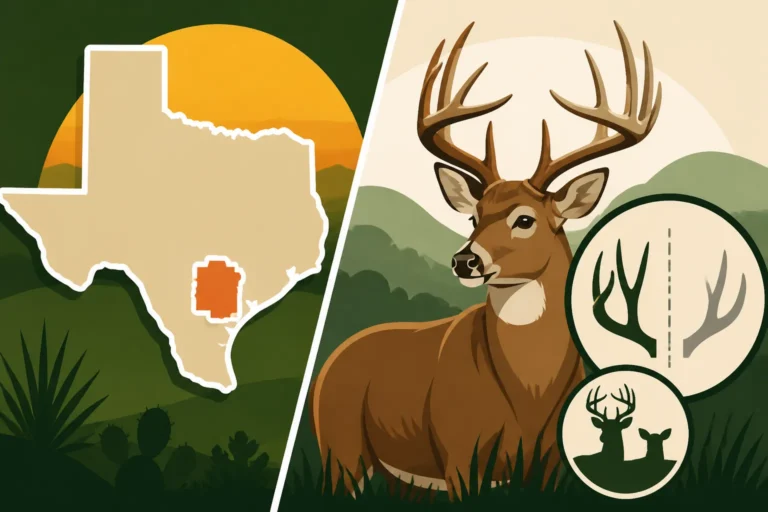
Gillespie County is indeed one of the many counties in the Texas Hill Country that falls under the general antler restriction rule. This means that when you're hunting white-tailed deer here, the 13-inch rule applies. Specifically, a legal buck in Gillespie County must have either:
- An unbranched antler. This means a single spike or a beam without any tines branching off it. If you harvest a buck with an unbranched antler, this counts as your "unbranched antlered buck."
- An inside spread of 13 inches or greater. This applies to bucks with branched antlers. If a buck has multiple points on both sides but its main beams don't spread at least 13 inches apart on the inside, it is generally not a legal buck to harvest, unless it's your designated "unbranched antler" buck.
Remember, the goal here is to let those younger bucks with smaller spreads grow. Many hunters find themselves debating whether a buck meets the 13-inch mark, especially in the low light of dawn or dusk. It’s always better to be certain, and if there’s any doubt, let that deer walk. The consequences of an illegal harvest are simply not worth it. This rule encourages hunters to look for wider-racked bucks, which generally means older bucks.
Visualizing Legal Bucks
Field judging antler spread can be one of the most stressful parts of antler restricted hunting, particularly in thick brush or challenging light conditions. In Gillespie County, like many areas within the Edwards Plateau Hunting: Highest Deer Density region, you'll encounter deer ranging from young spikes to mature, wide-racked bucks.
A common visual trick many seasoned hunters use is to compare the buck’s antler spread to the width of its ears. For most Texas white-tailed deer, the tips of a buck's ears, when alert and pointed forward, are roughly 13-14 inches apart. If a buck's main beams extend noticeably outside its ear tips, there's a good chance it meets the 13-inch minimum. If the antlers appear to be inside or just barely at the ear tips, it's probably best to pass unless it has an unbranched antler and you're fulfilling that part of your bag limit. Of course, this is just a guideline, and factors like the deer's age, ear position, and your viewing angle can all play tricks on your eyes. It’s vital to take your time, use good optics, and be absolutely confident before taking a shot. Practicing with trail camera photos or even taxidermy mounts can help sharpen your field judging skills before the season officially kicks off.
Bag Limits for White-Tailed Deer in Gillespie County
Antler restrictions often go hand-in-hand with specific bag limits. Understanding both is crucial for a lawful and successful season. Gillespie County, being a prime deer hunting destination in the Hill Country Hunting in Texas, has clear guidelines on how many deer you can harvest.
Whitetail Deer Bag Limits
In Gillespie County, the general bag limit for white-tailed deer is four deer total, with a strict limit of no more than two bucks. This is a fairly standard limit for many productive deer counties in Texas, designed to allow for ample hunting opportunities while also managing the population responsibly.
This means you could, for example, harvest two bucks and two does. Or one buck and three does. Or even four does, if antlerless deer are legal to harvest at that time (which we'll cover next). The key takeaway is adhering to both the total number of deer and the specific buck limit. Remember, this limit is per hunter, per license year, not per hunting trip. Always make sure to immediately tag any deer you harvest and report it through the Texas Hunting Tags & Harvest Reporting (My Texas Hunt Harvest) system. Failing to tag or report your harvest can lead to significant penalties, even if you’re otherwise compliant with bag limits. For precise dates and season structures, refer to the Texas Deer Season 2026-2027: Dates by Zone.
Antlerless Deer Hunting in Gillespie
Harvesting antlerless deer (does) is an incredibly important part of deer management, helping to control herd size and balance the buck-to-doe ratio. In Gillespie County, like many parts of Texas, antlerless deer hunting opportunities are regulated to ensure sustainability.
Typically, antlerless deer can be harvested during designated "doe days" or with specific permits. Many properties in Gillespie County participate in the Managed Lands Deer Program (MLDP), which provides landowners with special tags for both bucks and does, often extending the hunting season and offering more flexibility based on their specific management goals. If you're hunting on a property enrolled in MLDP, always confirm the specific tag requirements and bag limits with the landowner or lease manager, as their regulations might differ slightly from the general county rules.
For hunters on properties not under MLDP, you'll need to strictly adhere to the general open season dates for antlerless deer, which are usually a shorter window during the general season. Additionally, some counties may require an antlerless deer permit (often referred to as a "doe tag" or "LAMPS tag") or that you simply possess an unused buck tag to harvest a doe. Again, the most up-to-date and authoritative information will always be found in the current year's Texas Parks and Wildlife Department Outdoor Annual.
Navigating the Texas Hill Country Deer Hunting Environment
Hunting in the Texas Hill Country, including Gillespie County, offers a unique experience. It's not just about the regulations; it's about understanding the terrain, the deer, and how to best prepare for a successful and ethical hunt.
Unique Challenges and Opportunities
The Hill Country is characterized by its rolling hills, limestone outcroppings, and diverse vegetation, from dense cedar brakes to Live Oak mottes. This varied landscape presents both challenges and fantastic opportunities for deer hunters. The terrain can be rugged, making scouting and game recovery tougher. Deer density is high in many areas, but the thick cover often means shorter shot opportunities and the need for quick decision-making.
One of the greatest opportunities in the Hill Country is the sheer number of deer. While perhaps not as renowned for the monster trophy bucks of South Texas, the Hill Country produces a significant number of mature, respectable deer. The genetics are strong, and with good management practices, properties can yield excellent results. However, the high deer population also means careful management is essential to prevent overpopulation, habitat degradation, and the spread of diseases like CWD. Hunters play a vital role in this by adhering to bag limits and contributing to responsible herd management.
Adapting Your Hunting Strategy
Given the characteristics of Gillespie County and the wider Hill Country, adapting your hunting strategy is key. Instead of vast open fields, you'll often be hunting over feeders, near food plots (if they can be established given the rocky soil), or in strategically placed blinds overlooking natural travel corridors.
Understanding deer movement in relation to water sources, cover, and feeding areas is crucial. Deer in the Hill Country are masters of navigating the dense brush. For this reason, many hunters utilize Box Blind vs Tripod vs Ground Blind in Texas setups to gain an elevated vantage point. Using trail cameras strategically can also be invaluable for patterning deer, especially trying to figure out How to Pattern Bucks With Trail Cameras and their movements around feeders or watering holes. If you're bowhunting, getting close to a water source or a well-used game trail in the thick stuff is often your best bet, as shot distances will likely be shorter. For rifle hunters, ensuring a clear lane to your target area is paramount, as a shot through brush can easily deflect your bullet.
Essential Tips for a Successful Gillespie County Hunt
Hunting is more than just pulling a trigger; it's about preparation, respect for the land and animals, and a commitment to ethical practices. A successful hunt in Gillespie County, or anywhere in Texas, hinges on these principles.
Essential Preparations and Scouting
Before you even step foot in the woods, thorough preparation can significantly increase your chances of success. This starts with understanding your hunting location. Spend time scouting, even if it's just digitally using mapping tools like onX Hunt or HuntStand. Identify potential bedding areas, feeding zones, and natural travel corridors. Look for signs like rubs, scrapes, and fresh tracks.
If you're hunting a lease, talk to the landowner or other lease members. They often have invaluable insights into deer patterns, common stand locations, and what has worked in previous seasons. Ensure all your gear is in working order: your rifle is sighted in, your archery equipment is tuned, and you have appropriate clothing for the unpredictable Texas weather. Remember that Texas heat can be brutal, especially early in the season, so having the right Best Early-Season Camo for Texas Heat and hydration is critical. Don't forget to secure your Texas Hunting License: Cost, Types & How to Buy (2026) well in advance!
Staying Compliant and Ethical
Compliance with regulations is non-negotiable. Always carry your current hunting license and any required endorsements. Double-check the antler restrictions and bag limits for Gillespie County in the official TPWD Outdoor Annual before each season. Regulations can change, and ignorance is no excuse. For example, if you're curious about Is It Legal to Hunt Over Corn in Texas?, the Outdoor Annual will have the definitive answer for your county.
Ethical hunting goes beyond just following the rules. It means making clean, humane shots. Knowing the Best Shot Placement for Whitetail Deer is fundamental. It means respecting private property, even if you're on your own lease. It means handling your harvested game responsibly, especially in warmer temperatures. Learning How to Cool a Deer Fast in Texas Heat is a skill every Texas hunter needs. And perhaps most importantly, it means being a good steward of the land and wildlife, ensuring that hunting opportunities remain abundant for generations to come.
Remember, the vast majority of Texas is private land. If you don't have a lease, consider applying for Texas Drawn Hunts & Public Hunt Draw 2027 or looking into day hunts to gain access.
Gillespie County Deer Regulations at a Glance
For a quick reference, here's a summary of the key regulations for white-tailed deer in Gillespie County:
| Regulation Type | Specifics for Gillespie County | Notes |
|---|---|---|
| Antler Restrictions | General 13-inch rule applies: A legal buck must have at least one unbranched antler OR an inside spread of 13 inches or greater. | You can harvest one buck with an unbranched antler. Any other buck must meet the 13-inch inside spread rule. Field judge carefully; when in doubt, let it walk. |
| White-tailed Deer Bag Limit (Per Hunter) | Four (4) total deer, no more than two (2) bucks. | This is an annual limit per hunter. You could take two bucks and two does, one buck and three does, or four does (if antlerless season/permits allow). |
| Antlerless Deer | Legal during designated open season dates (Doe Days) or with MLDP (Managed Lands Deer Program) tags. | Check the current Texas Parks and Wildlife Department Outdoor Annual for specific dates. Always confirm with your landowner if hunting on an MLDP property, as tags are specific to that program and property. |
| License Requirements | Valid Texas hunting license (e.g., Super Combo, Resident Hunting License), plus Archery or Muzzleloader Stamp if applicable. | Mandatory for all hunters (exceptions for youth under 17 with licensed adult, or landowners hunting on their own property under certain conditions). Hunter education required for most. |
| Harvest Reporting | Mandatory for all harvested white-tailed deer. | Report harvest via My Texas Hunt Harvest app, TPWD website, or by phone. This data is critical for wildlife management decisions. |
| Season Dates | Follows the statewide general season dates for the North Zone (often early Nov to mid-Jan). | Always confirm specific start and end dates in the current TPWD Outdoor Annual, as these can vary slightly year to year. Check the Texas White-Tailed Deer Hunting Regulations 2026 for the most current rules. |
Disclaimer
The information provided in this guide is for general informational purposes only and is not a substitute for the official hunting regulations published by the Texas Parks and Wildlife Department. Hunters are solely responsible for understanding and complying with all current state and federal hunting laws. Always consult the most recent Texas Parks and Wildlife Outdoor Annual or contact TPWD directly for the definitive and most up-to-date regulations.